BREAKING NEWS
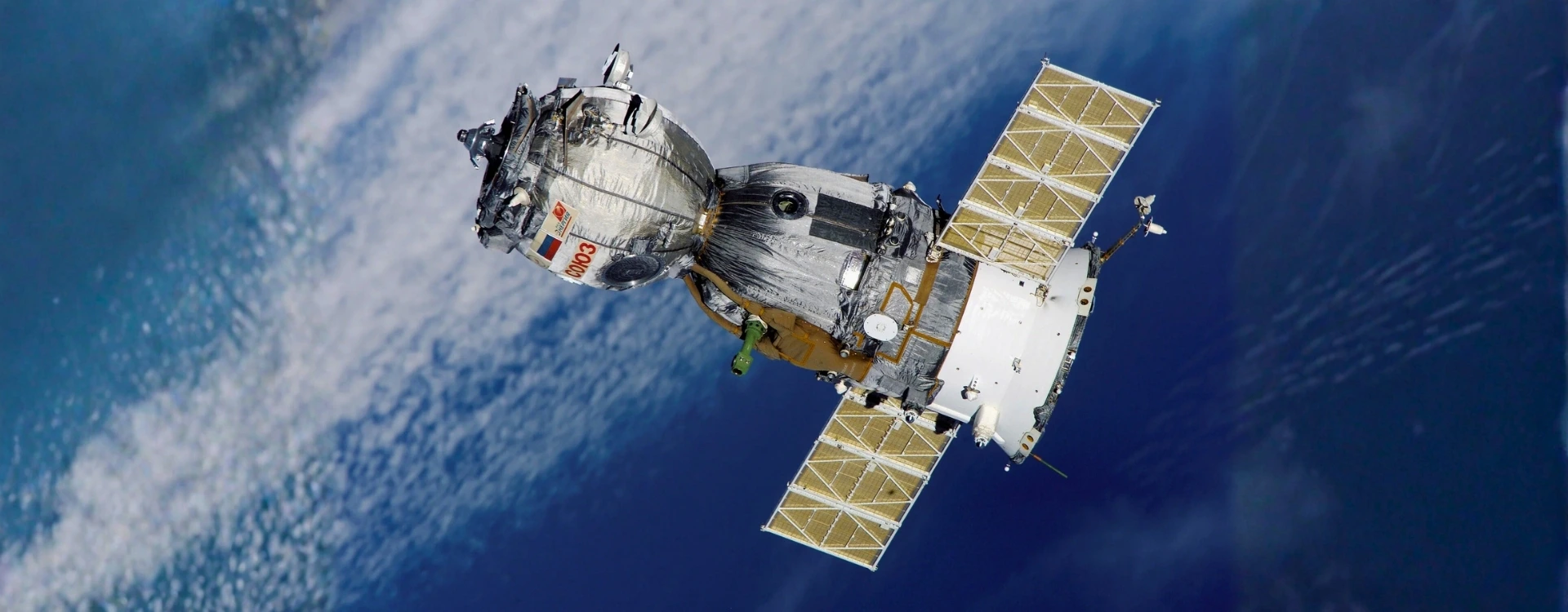
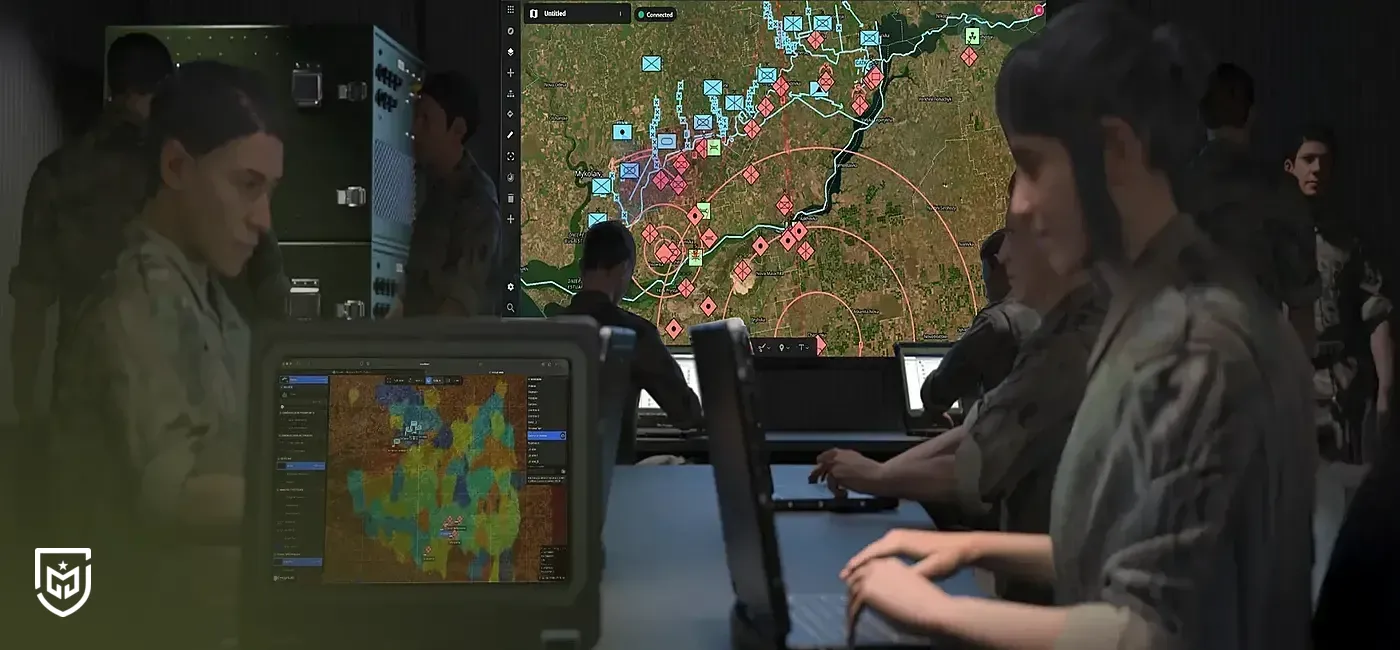
Satellite-based target tracking stands out as one of the most critical components of modern defense and security systems. This technology enables continuous monitoring of moving or stationary elements on Earth directly from space and is widely used in military operations, border security, intelligence activities, and crisis management. Thanks to advanced sensors and high-resolution satellite imaging capabilities, targets can be detected 24/7 and under all weather conditions. This capability provides a significant advantage in early warning and rapid decision-making, especially against sudden and asymmetric threats.
From a technical perspective, satellite-based target tracking operates through the integrated use of electro-optical sensors, infrared detectors, and synthetic aperture radar (SAR) technologies. These systems generate real-time data on a target’s location, speed, direction, and behavioral patterns. The collected information is analyzed in advanced command-and-control centers and then transmitted to operational units in the field. Tracking moving targets, monitoring naval and aerial platforms, and protecting critical infrastructure are among the areas where this technology is indispensable. Historically, satellite-based target tracking has been at the core of military doctrines since the 1990s, and today it has evolved into a far more precise and predictive structure with the integration of artificial intelligence–supported data analysis. As a result, space-based superiority has become one of the decisive factors shaping the balance on the battlefield and in modern security strategies.


The cookies used on our website are used to provide you with a better user experience and to improve our website. You can manage your cookie preferences from the options below.




 Süheyla Yıldız