


Air Forces News
Electronic Systems


BREAKING NEWS
Baykar and Leonardo have successfully completed a critical stage in the K-SWARM program, which focuses on enabling manned and unmanned combat aircraft to operate together. During a briefing held at Farnborough Airshow, the two companies shared the background of joint autonomous flight tests carried out between Leonardo’s M-346 aircraft and Baykar’s Bayraktar KIZILELMA unmanned combat aircraft. The program aims to develop joint mission, swarm tactics and interoperability capabilities between manned and unmanned aerial platforms.
The tests were conducted in May at one of Baykar’s flight and test centers in Çorlu, Tekirdağ. Leonardo’s M-346 Fighter Attack aircraft, a T-346A aircraft of the Italian Air Force serving as a chase plane, and Bayraktar KIZILELMA participated in the live trials. During the tests, new-generation algorithms were used to assess the platforms’ ability to cooperate and coordinate during joint formation flight. In this way, the K-SWARM program completed an important validation process by transferring technologies developed in simulation environments into real flight operations.
The flight activities aimed to test algorithms, tactics and procedures developed by Leonardo’s avionics and flight control innovation laboratories in Turin and its concept laboratory PC2LAB. This process was carried out in integration with the M-346 Full Mission Simulator in Venegono, Italy. Baykar, meanwhile, integrated its Intelligent Fleet Autonomy capabilities into CUC-T algorithms using its advanced software and hardware infrastructure. KIZILELMA’s advanced autonomy capabilities contributed to the rapid and smooth activation of the systems.
During the flight, all data between the M-346 and KIZILELMA were synchronized through an advanced radio-frequency-based data-sharing system. The transmitted data were protected and monitored in real time by Leonardo’s GCC Tactical Platform cyber defense system. Thanks to this structure, command and control of the planned formations were securely maintained, while the ability of different platforms to act jointly in high-tempo air missions was verified.
As part of the test, KIZILELMA completed fully autonomous taxiing and takeoff, then autonomously joined the M-346 Fighter Attack aircraft using Intelligent Fleet Autonomy algorithms developed by Baykar’s Hardware-in-the-Loop laboratory. Afterward, the M-346 took full control of the unmanned combat aircraft. Thanks to the newly integrated avionics system, M-346 pilots commanded different formations while KIZILELMA executed these commands fully autonomously through its dedicated manned-unmanned mission computer. Various maneuvers such as position changes, separation and rejoining were successfully performed.
These tests stand out as a concrete step showing how decisive manned-unmanned teaming will become in the future of air combat. Unmanned combat aircraft commanded by manned fighter jets can increase the safety of human pilots in risky missions while offering a more flexible structure for air superiority, reconnaissance, electronic warfare, strike and target suppression missions. The data obtained from the K-SWARM program will lay the groundwork for more complex operations in the next stages, requiring higher situational awareness and coordinated action by multiple platforms toward a single mission objective. New tests involving additional functions and more demanding scenarios are planned in the coming months.


The cookies used on our website are used to provide you with a better user experience and to improve our website. You can manage your cookie preferences from the options below.
 Süheyla Yıldız
Post Comment
Comments
No comments yet.
Related News
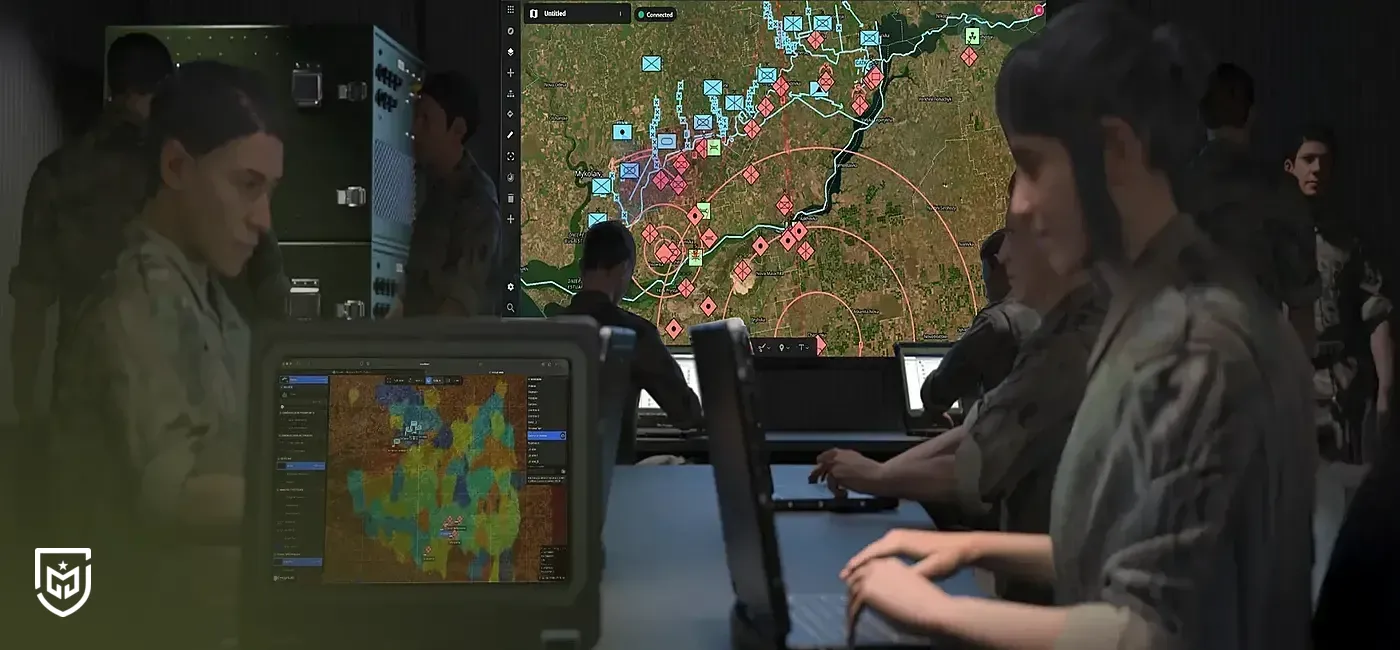
Thales Introduces HexaForce AI-Powered Command and Control System to Gulf Region
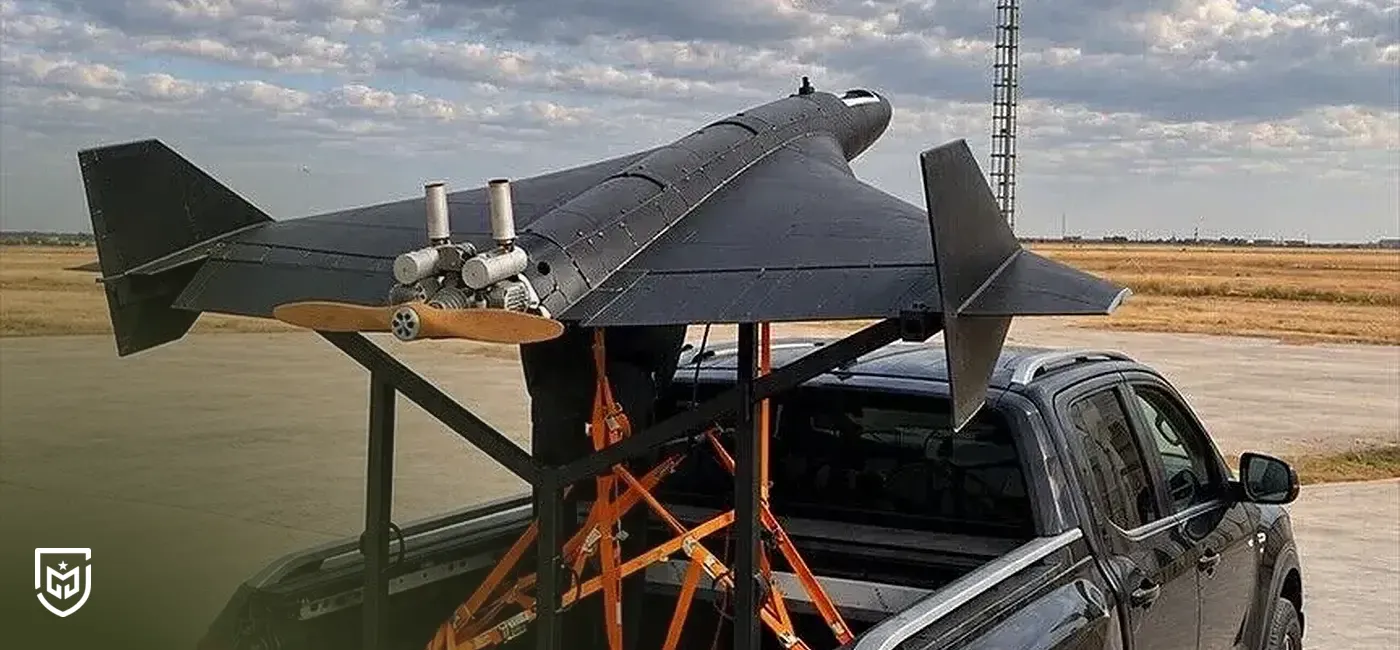
ÇEPNI Tactical UAV Family Enters Operational Service
ASELSAN's Drone-Hunting System Completes Successful Demonstration
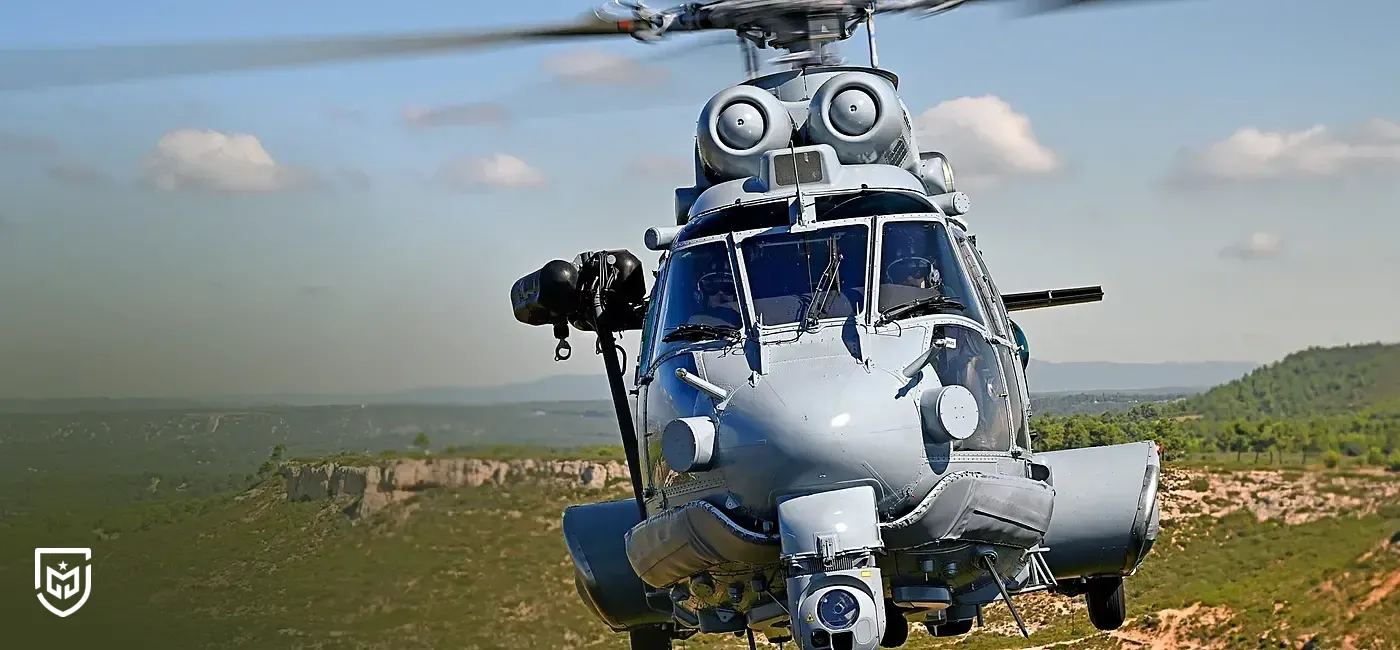
Romania Signs Contract for Airbus H225M Helicopter Procurement
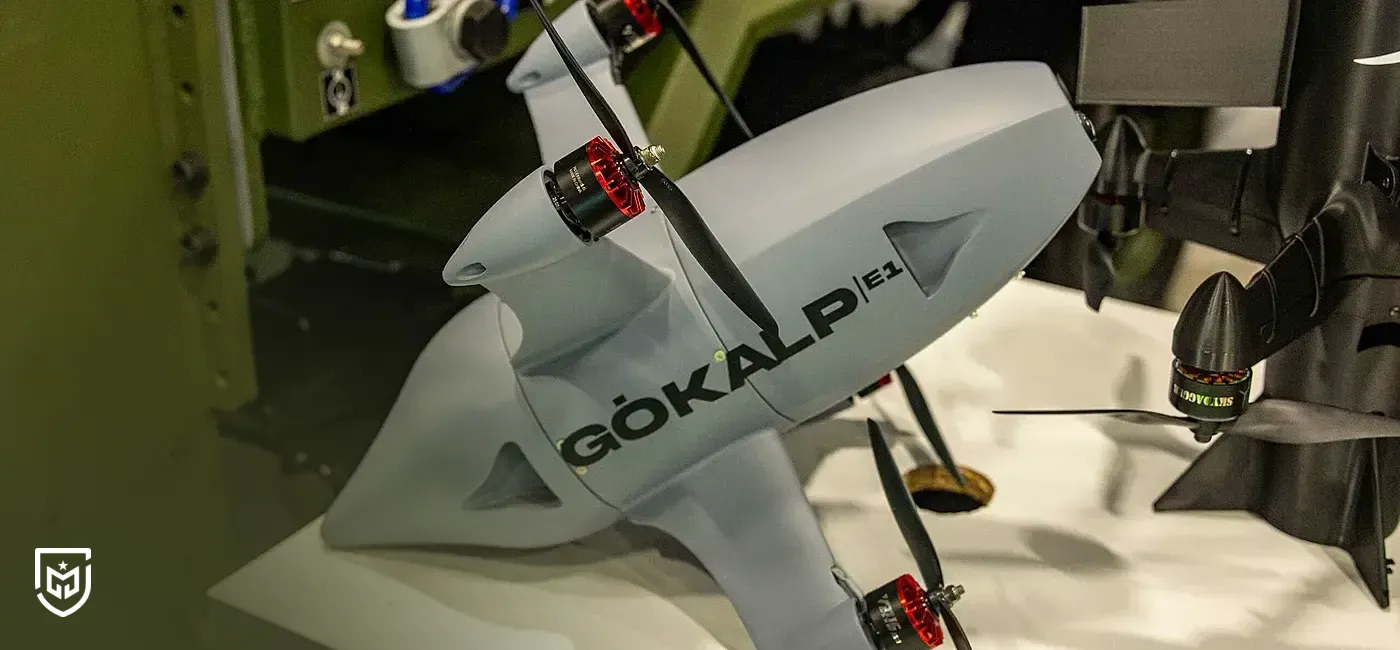
ASELSAN's GÖKALP drone defense system completes successful demonstration
SSB Chief Görgün Warns Against Open Source Intelligence Risks
SSB Chief: Localization in Defense Projects Starts from Design Phase
AKINCI UAV Successfully Tested with MORFOZ Guidance Kit