





Global Developments


BREAKING NEWS
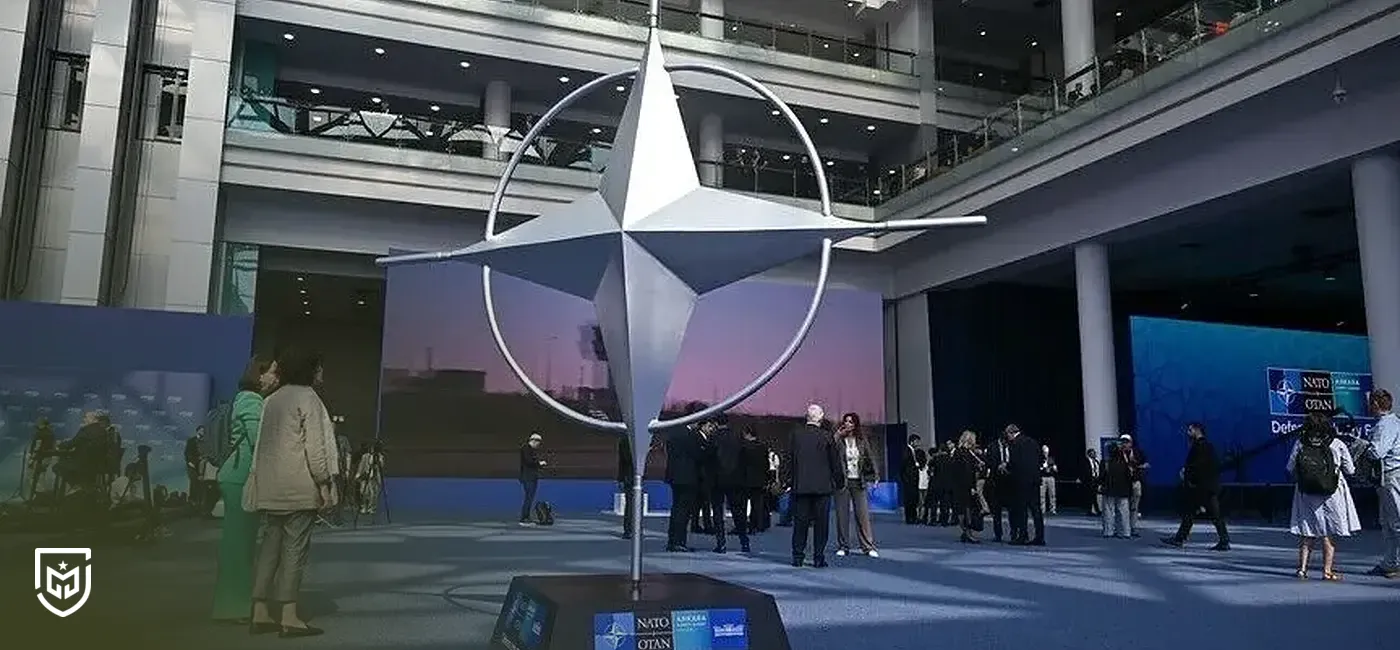
The Ministry of National Defence (MSB) has published a comprehensive guide to facilitate Turkish defense industry participation in NATO's procurement network. The guide outlines the strategic steps and administrative requirements that companies must follow to access NATO's joint funding budget, expected to reach 5.3 billion euros in 2026.
NATO's procurement structure operates through two main channels. Command and control equipment, cybersecurity, software, and construction services are procured through joint funding mechanisms, while large platforms such as aircraft and ships are procured by member states and made available for NATO use. In the coming period, the joint funding budget will focus on critical areas including cybersecurity, network infrastructure modernization, air and missile defense systems, cryptography, and satellite communications.
The "Front Door" mechanism, announced at the NATO summit, represents a new access system designed to enable organizations of all sizes—from small technology startups to major defense contractors—to establish rapid, efficient, and direct communication with NATO institutions. This initiative aims to strengthen NATO's eastern flank military infrastructure and expand the logistics supply network supporting the Very High Readiness Joint Task Force (VJTF).
Two primary NATO agencies lead the procurement process. The NATO Communications and Information Agency (NCIA) oversees command, control, and intelligence capabilities, while the NATO Support and Procurement Agency (NSPA) manages civil works and logistics. For procurements below 1.6 million euros, the "Technically Acceptable Lowest Price" criterion applies, whereas complex projects employ the "Best Value" methodology. The Innovation Fund and the North Atlantic Defense Innovation Accelerator Program (DIANA) shape acquisitions of next-generation technologies.
The guide identifies seven critical steps for Turkish firms to succeed in NATO procurement competitions. Companies must register with MSB holding a valid NATO Facility Security Clearance, closely monitor procurement opportunities, and request project-specific "Statements of Compliance" for each tender. Proposals must be submitted without direct use of artificial intelligence content, meeting minimum military requirements precisely and adhering to strict timelines. Visits to NATO Headquarters require notification to the Ministry of Foreign Affairs at least 15 days in advance.
The procurement lifecycle within the alliance encompasses needs identification, technical approvals, tendering, contracting, production, delivery, and final financial acceptance audits. This structured approach ensures transparency and accountability throughout the acquisition process.


The cookies used on our website are used to provide you with a better user experience and to improve our website. You can manage your cookie preferences from the options below.
 Selçuk Aydın
Post Comment
Comments
No comments yet.
Related News
Germany denies claims of MGCS tank project withdrawal
Thales Introduces HexaForce AI-Powered Command and Control System to Gulf Region
Romania Signs Contract for Airbus H225M Helicopter Procurement
Ari Arms begins OR-4 rifle production in Azerbaijan
Ireland selects Thales Ground Master radar for air surveillance capability
Greece reaches agreement with US for Stryker armored vehicles
France successfully conducts first test of M51.3 submarine-launched ballistic missile
Turkish Defense Exports Rise 10.7% in September, Maintaining Upward Trend