BREAKING NEWS
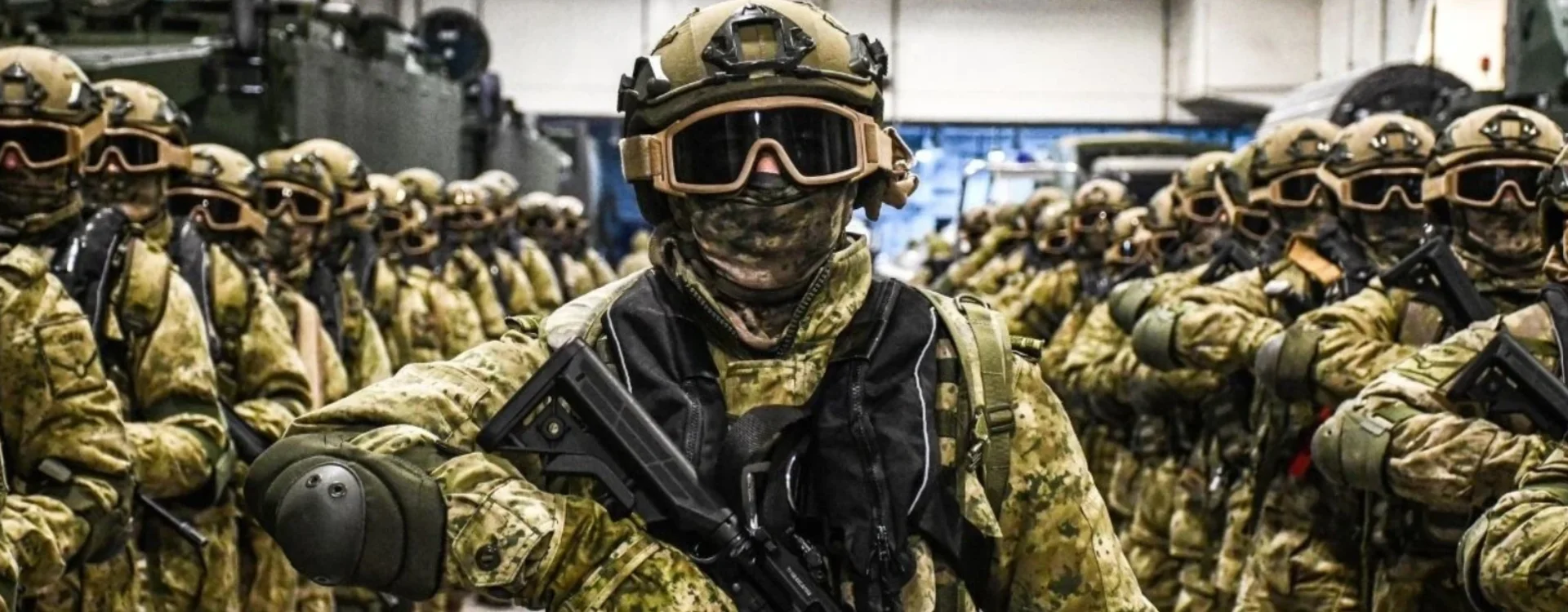
Military rankings are comprehensive assessments that evaluate the overall defense capabilities of nations using a wide range of measurable factors. In today's security environment, military strength is no longer determined solely by the number of soldiers or the quantity of weapons a country possesses. Modern military evaluations consider personnel strength, defense spending, technological capability, land, air and naval forces, logistics, defense industry, economic power, strategic readiness and national resilience. These multidimensional assessments provide a broader understanding of a nation's military capabilities and its ability to respond to modern security challenges.
Modern warfare has fundamentally changed the way military power is measured. Large armed forces alone no longer guarantee military superiority. Advanced technology, highly trained personnel, effective command-and-control systems, intelligence capabilities and sustainable logistical support have become equally important. Consequently, contemporary military rankings evaluate an entire defense ecosystem rather than focusing on a single aspect of military strength.
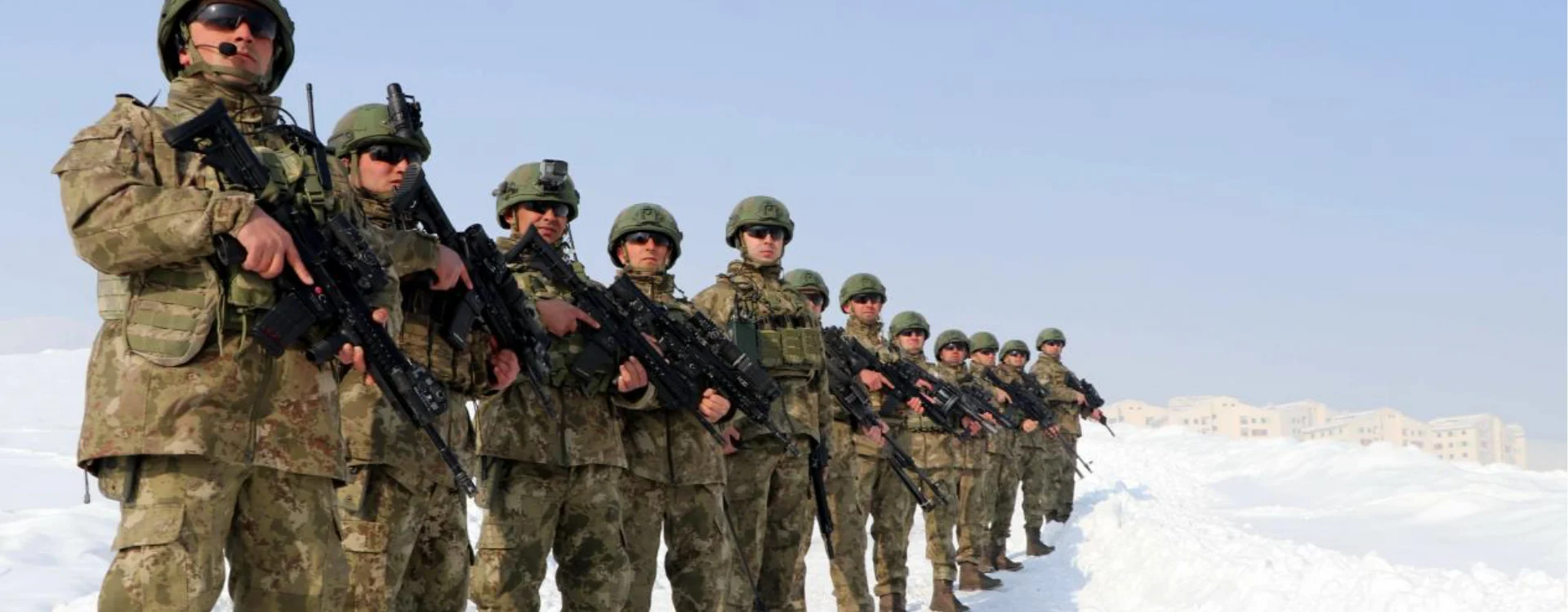
One of the primary factors considered in military rankings is personnel capability. Analysts examine the number of active-duty personnel, reserve forces, mobilization potential, professional military training and overall force readiness. While manpower remains important, the quality of training, leadership, operational experience and technological integration are equally significant in determining combat effectiveness.
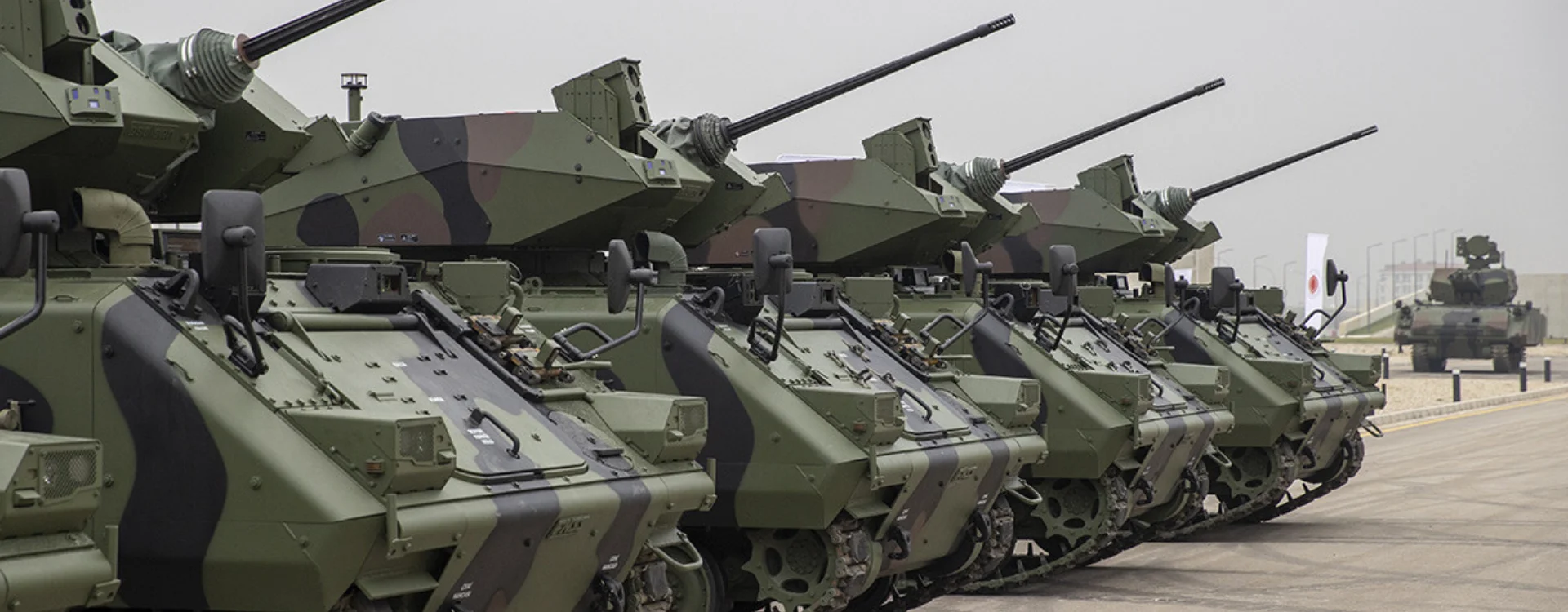
The capability of land forces is another major evaluation criterion. Main battle tanks, armored fighting vehicles, artillery systems, air defense assets, engineering units and logistical support equipment all contribute to ground combat capability. Modern assessments also consider unmanned ground vehicles, digital battlefield management systems, intelligence integration and reconnaissance technologies that improve operational performance.
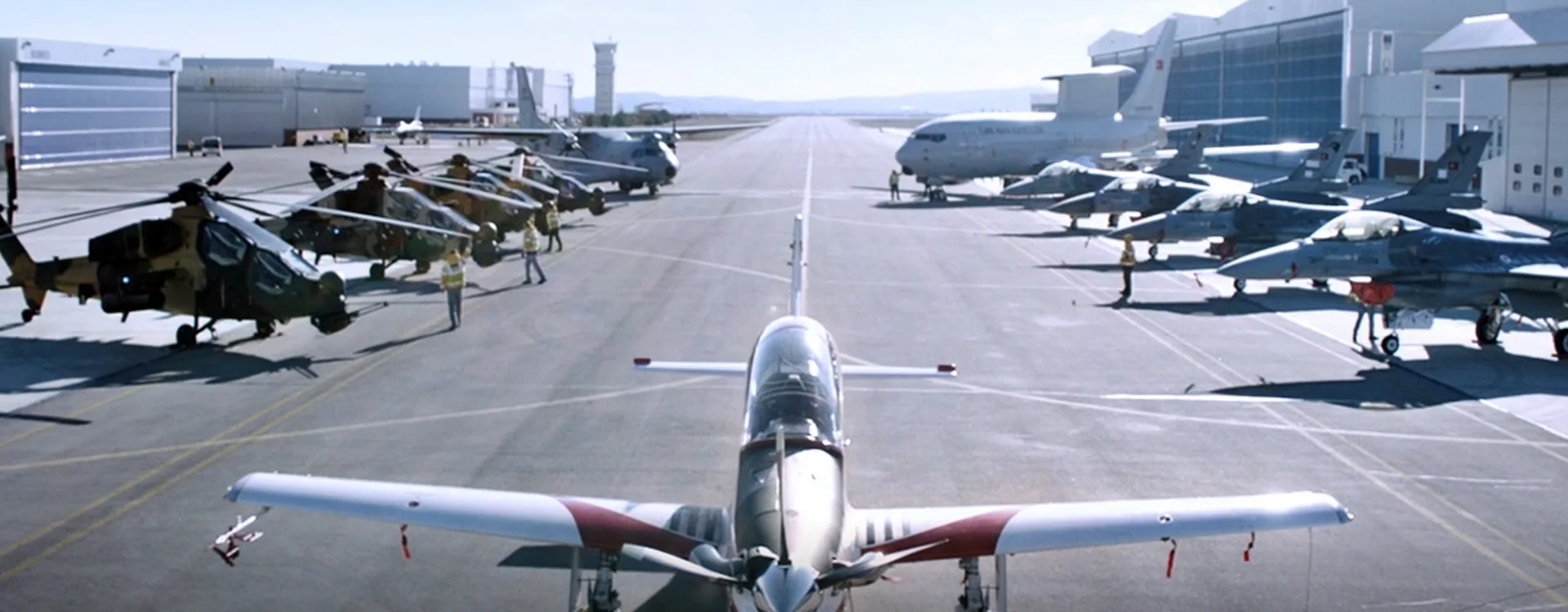
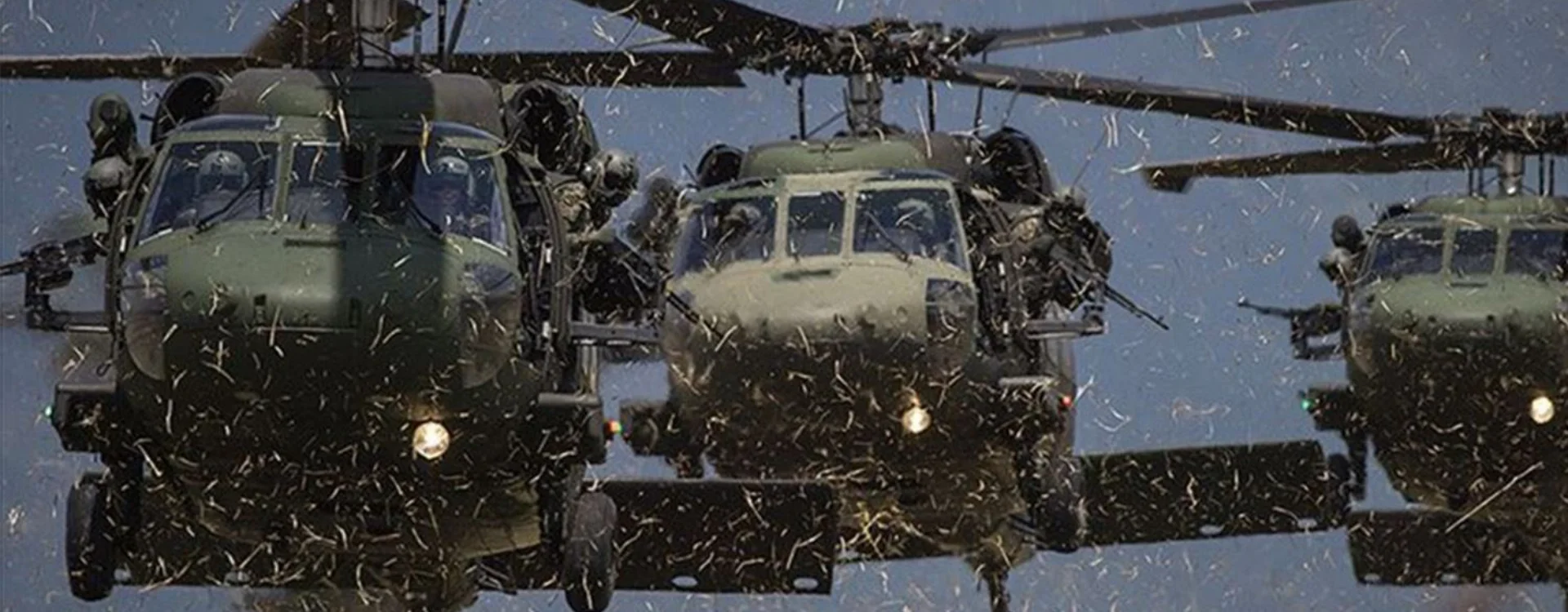
Air power plays a decisive role in determining military strength. Military rankings evaluate fighter aircraft, transport aircraft, airborne early warning and control systems, attack helicopters, aerial refueling capabilities, training aircraft and unmanned aerial vehicles. Air defense systems, integrated radar networks, airbase infrastructure and operational readiness further influence a nation's overall air superiority and defensive capabilities.
Naval forces are equally important, particularly for countries with strategic maritime interests. Frigates, destroyers, corvettes, submarines, amphibious assault ships, aircraft carriers, mine countermeasure vessels and maritime patrol aircraft contribute significantly to national defense. Analysts also assess a nation's ability to protect sea lanes, secure territorial waters and project naval power beyond its coastline.
Modern military rankings increasingly emphasize the defense industry and technological innovation. Indigenous defense production, research and development, missile technologies, radar systems, electronic warfare capabilities, satellite technologies and artificial intelligence-supported defense systems are now essential indicators of long-term military strength. Countries with advanced domestic defense industries generally possess greater strategic independence and higher operational flexibility.
Economic strength is another critical element in military evaluations. Defense budgets, industrial production capacity, energy resources, transportation infrastructure and logistical networks determine whether a nation can sustain military operations over extended periods. Strong economic foundations enable continuous modernization, technological advancement and investment in future defense capabilities.
In recent years, cybersecurity, electronic warfare, space capabilities and artificial intelligence have become increasingly influential in military assessments. Nations capable of protecting critical infrastructure, defending against cyber threats, operating secure communications and utilizing satellite-based intelligence systems possess substantial strategic advantages in the modern security environment. These capabilities have become integral components of comprehensive military power.
Military rankings also consider geographical and logistical factors. Strategic location, transportation networks, military bases, ports, airfields, natural resources and supply infrastructure all affect operational mobility and force sustainability. Geographic advantages can significantly influence both defensive and expeditionary military operations, making logistics and infrastructure essential components of military capability.
However, it is important to recognize that military rankings do not predict the outcome of future conflicts. They provide comparative assessments based on measurable indicators rather than forecasts of battlefield success. The outcome of any military conflict depends on numerous additional variables, including leadership, strategy, intelligence, training, morale, logistics, operational planning, technological integration, international support and battlefield conditions.
In conclusion, military rankings represent comprehensive evaluations of national defense capabilities rather than simple comparisons of military size. Personnel, land, air and naval forces, defense industry performance, economic resources, technological innovation, logistics, cybersecurity and strategic readiness are all analyzed to determine overall military strength. As warfare continues to evolve, these multidimensional assessments remain valuable tools for understanding global defense capabilities and international security dynamics.


The cookies used on our website are used to provide you with a better user experience and to improve our website. You can manage your cookie preferences from the options below.







 Süheyla Yıldız