BREAKING NEWS
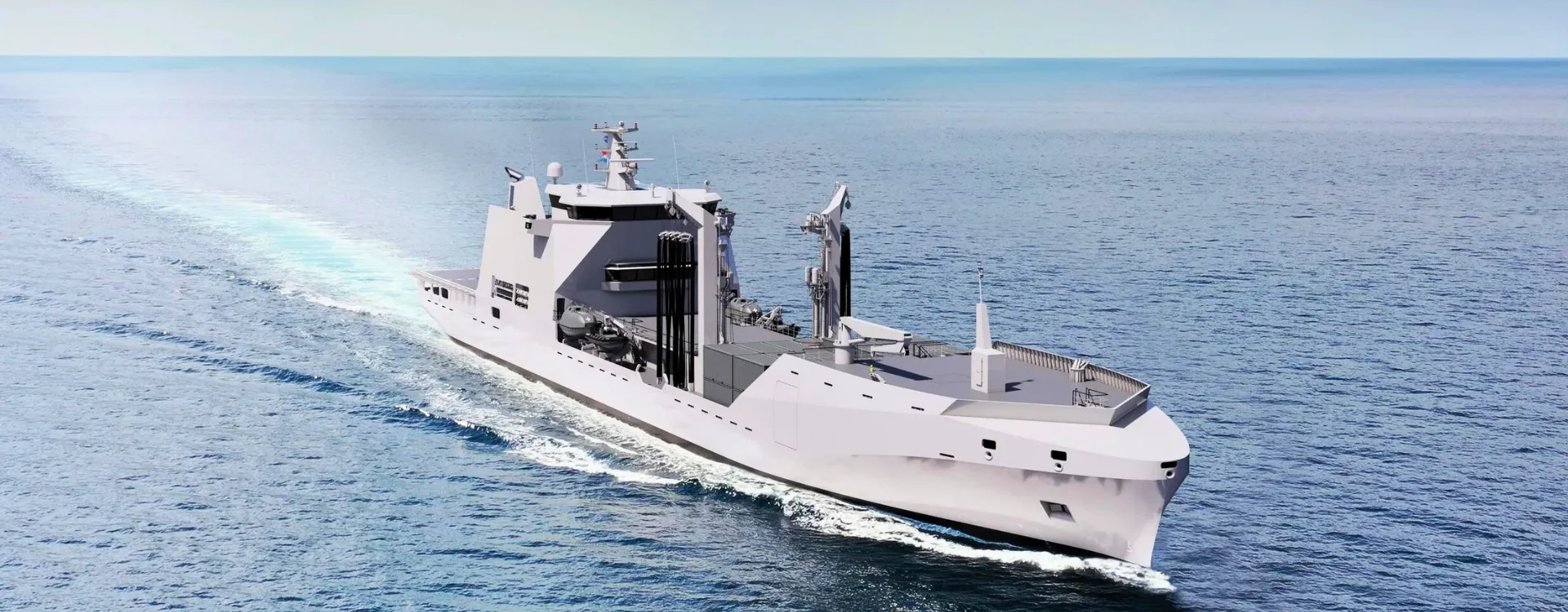
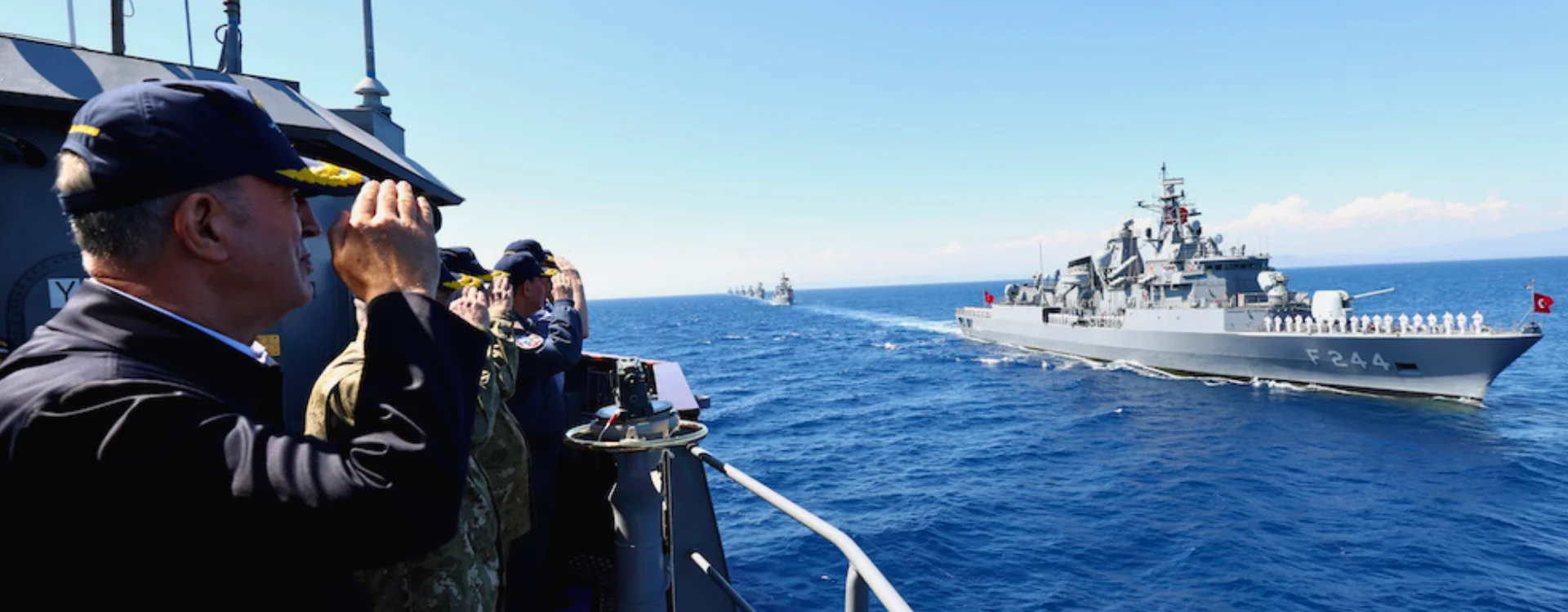
Logistics Chain Management in Navies is one of the most critical elements behind the operational success of modern naval forces. Warships, submarines, and support units remain effective not only because of their firepower but also due to uninterrupted supply and sustainable logistical support. The continuity of naval operations depends on the proper planning of fuel, ammunition, spare parts, food supplies, and technical maintenance processes. For this reason, naval logistics chain management is not merely a support activity; it is considered a strategic force multiplier. Especially in blue-water missions and long-term deployments, logistics planning directly determines operational capacity and combat readiness.
From a technical perspective, logistics chain management in navies consists of multiple integrated layers, including procurement planning, inventory control, at-sea replenishment operations, maintenance and repair cycles, and forward base logistics. Replenishment at Sea (RAS) operations enable vessels to continue missions without returning to port. These operations rely heavily on integrated radar systems, digital inventory software, and real-time data analytics. Sensitive components such as cold chain management, ammunition security, and spare parts optimization require high-level precision within military logistics frameworks. Modern navies increasingly deploy AI-powered demand forecasting systems and automated warehouse infrastructures to enhance efficiency. Strategic stock planning and risk management ensure operational continuity during crisis scenarios. Ultimately, naval logistics chain management is not just about transporting materials; it is about sustaining maritime power and ensuring long-term strategic superiority.


The cookies used on our website are used to provide you with a better user experience and to improve our website. You can manage your cookie preferences from the options below.





 Süheyla Yıldız