BREAKING NEWS
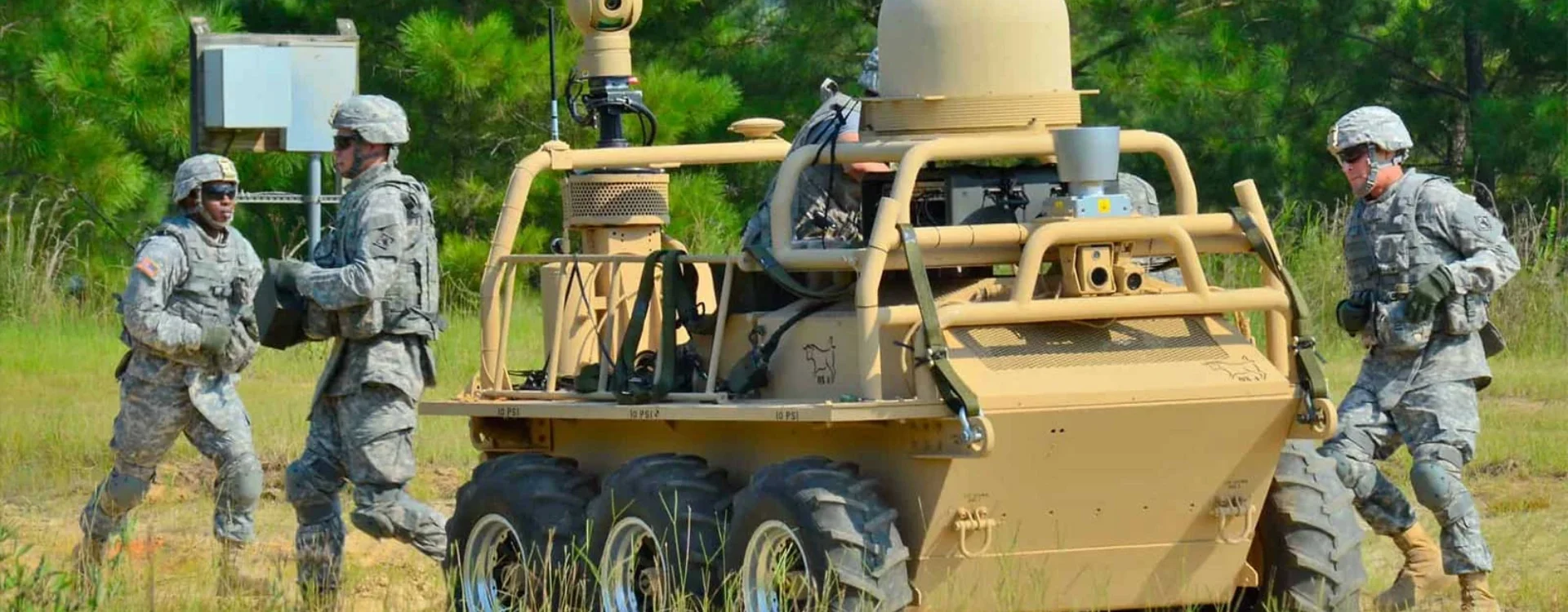
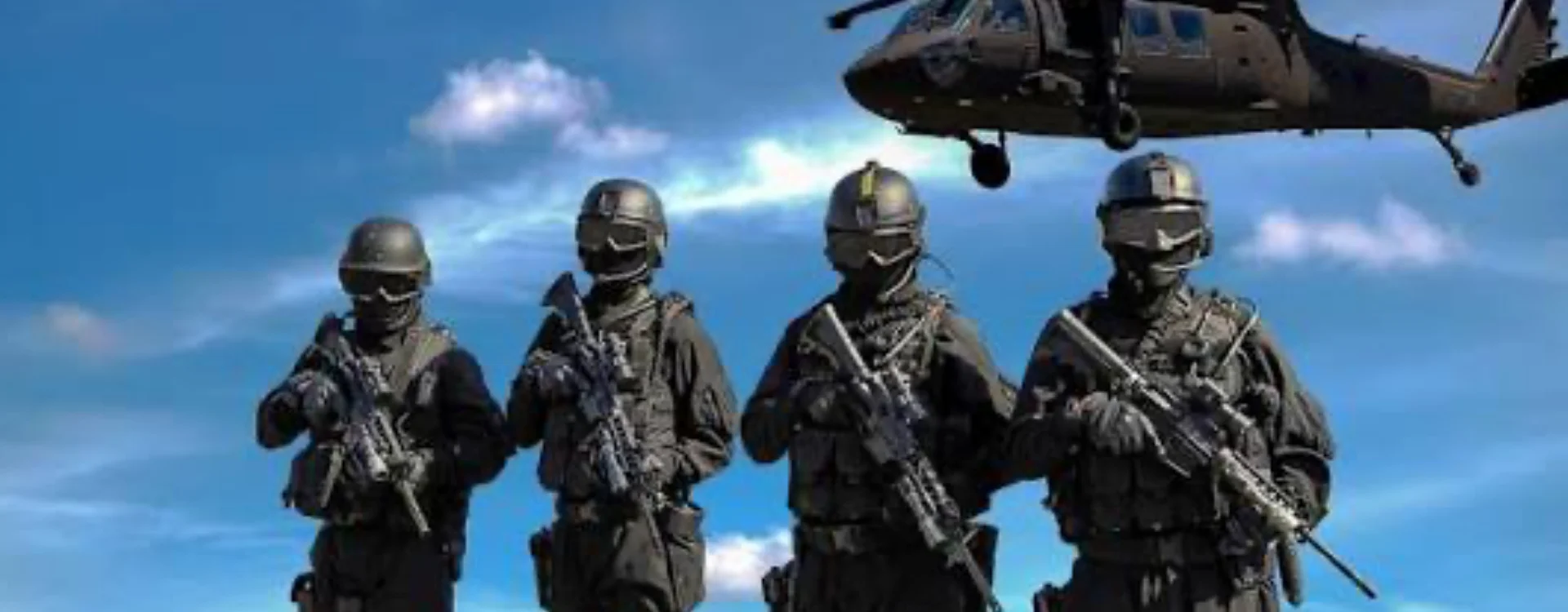
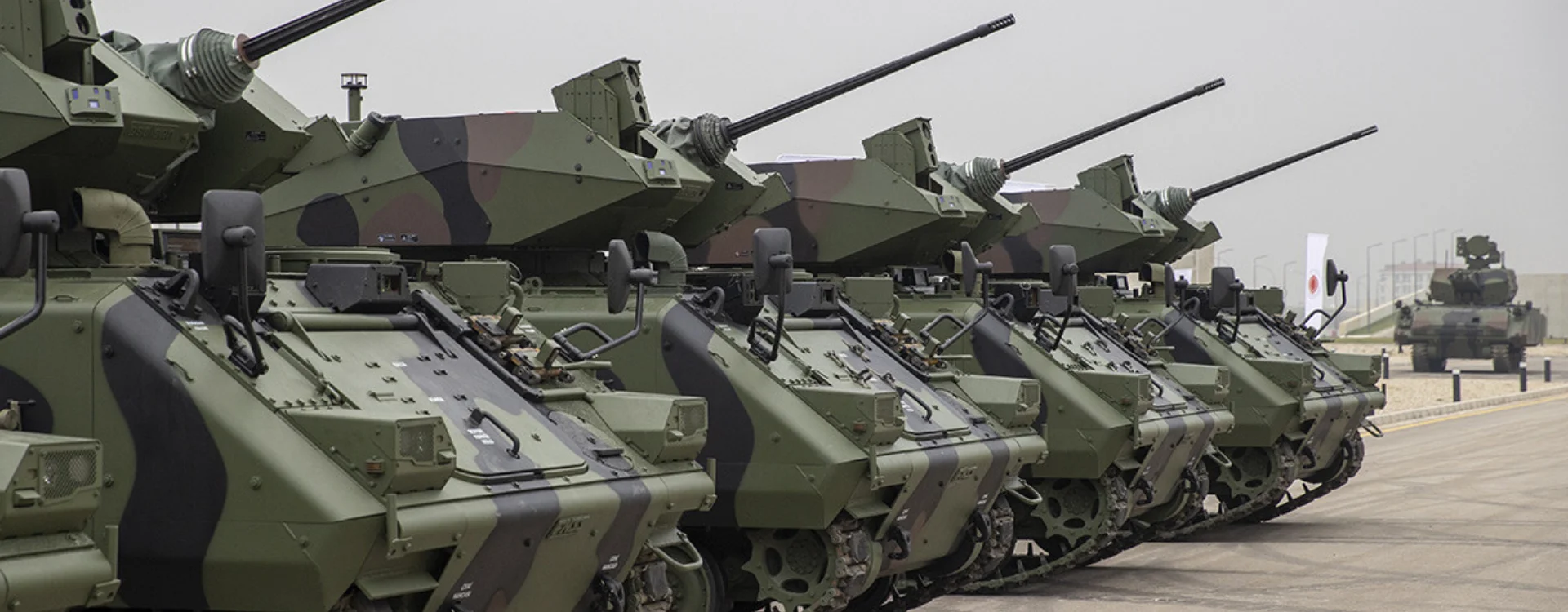
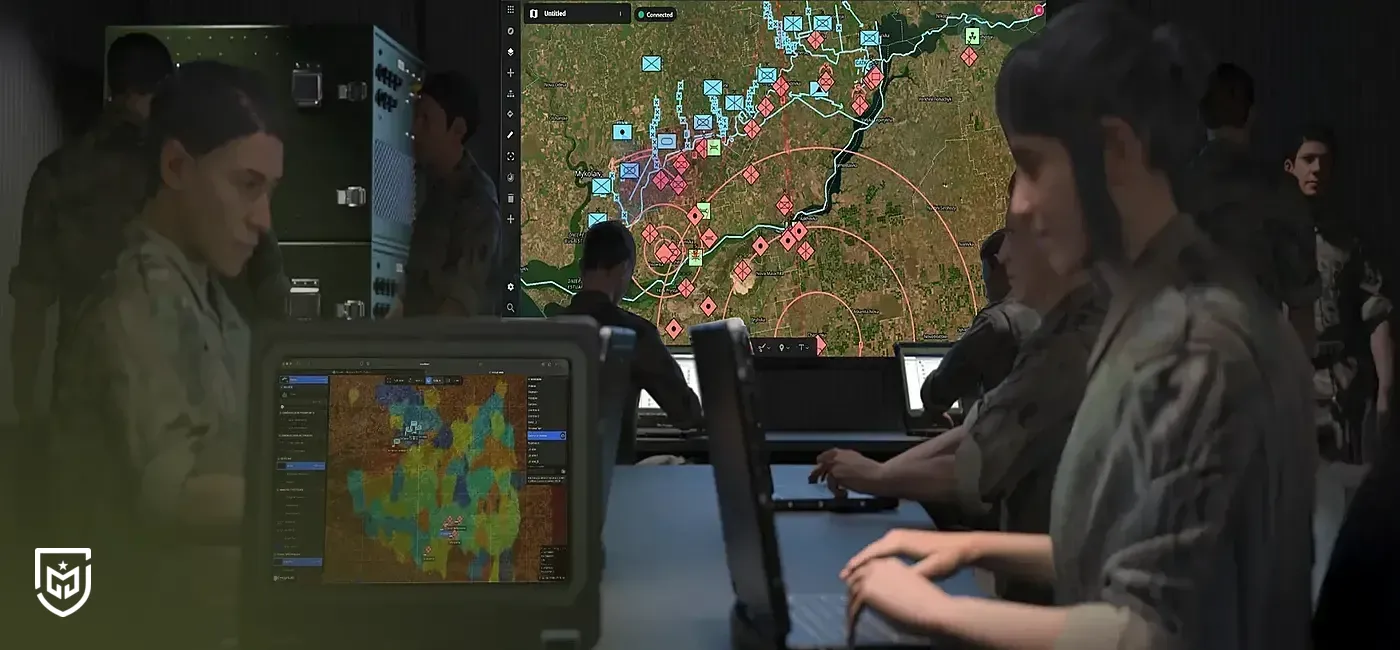
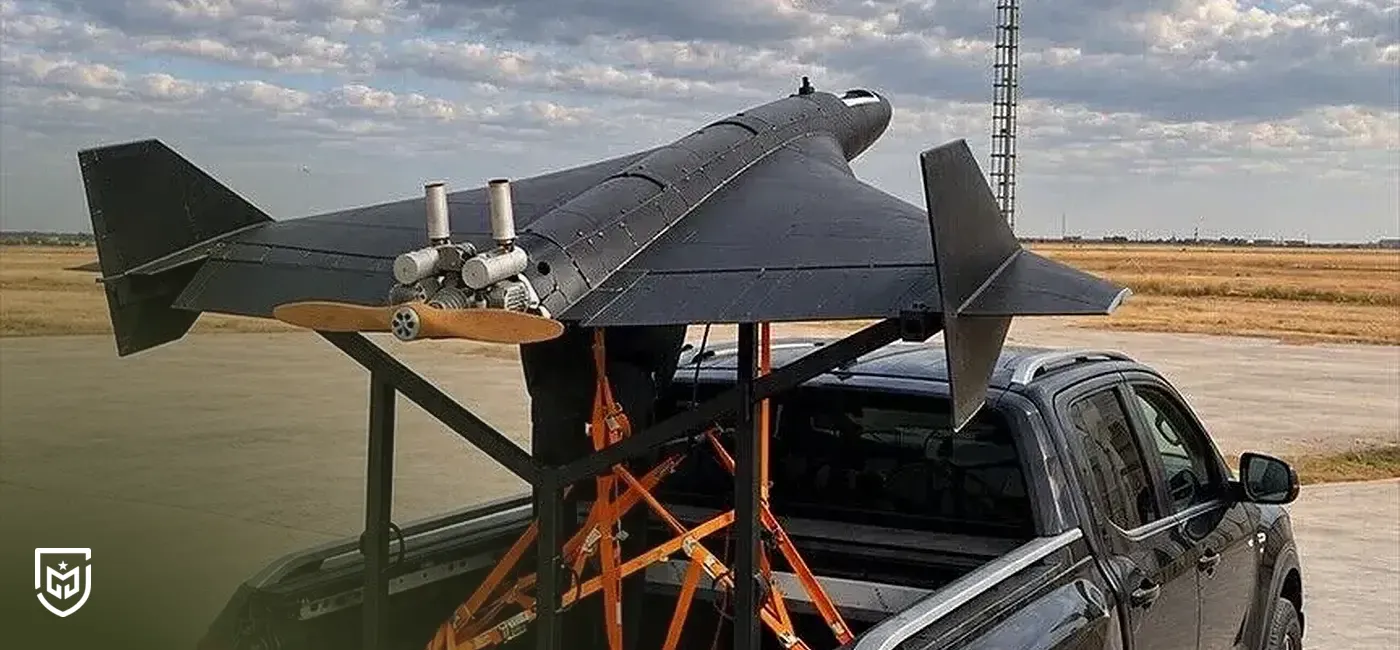
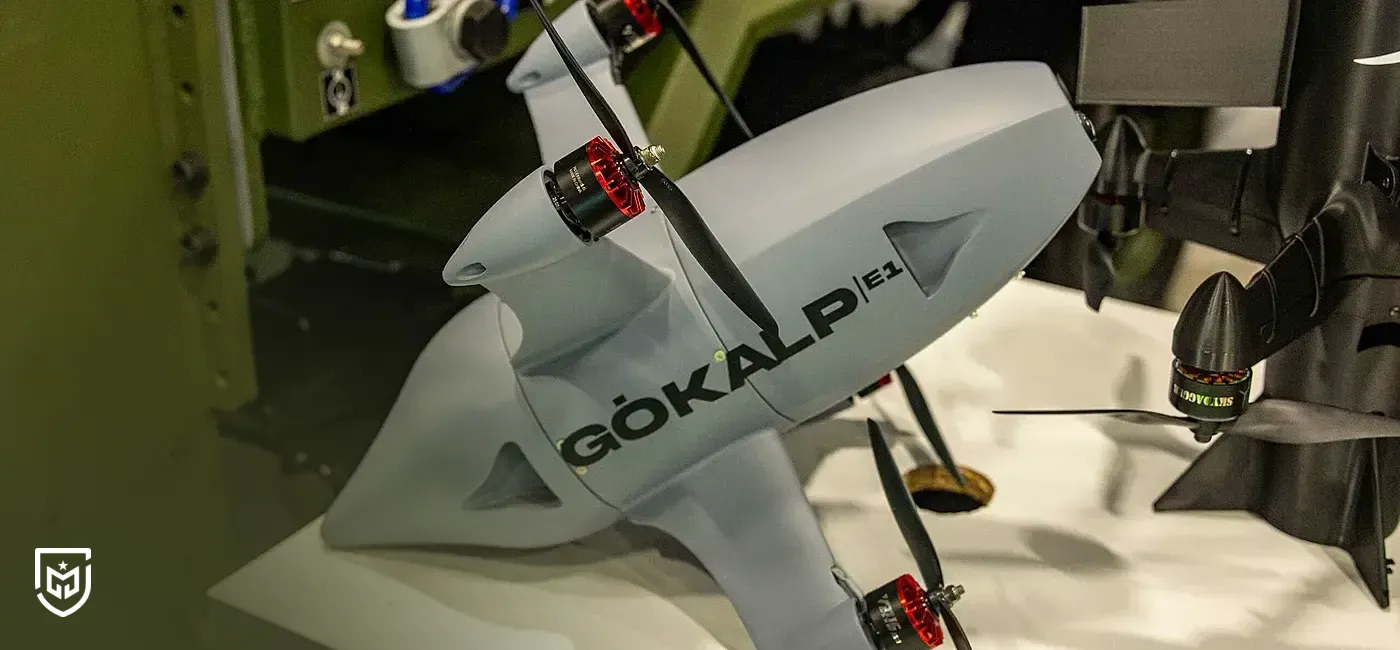
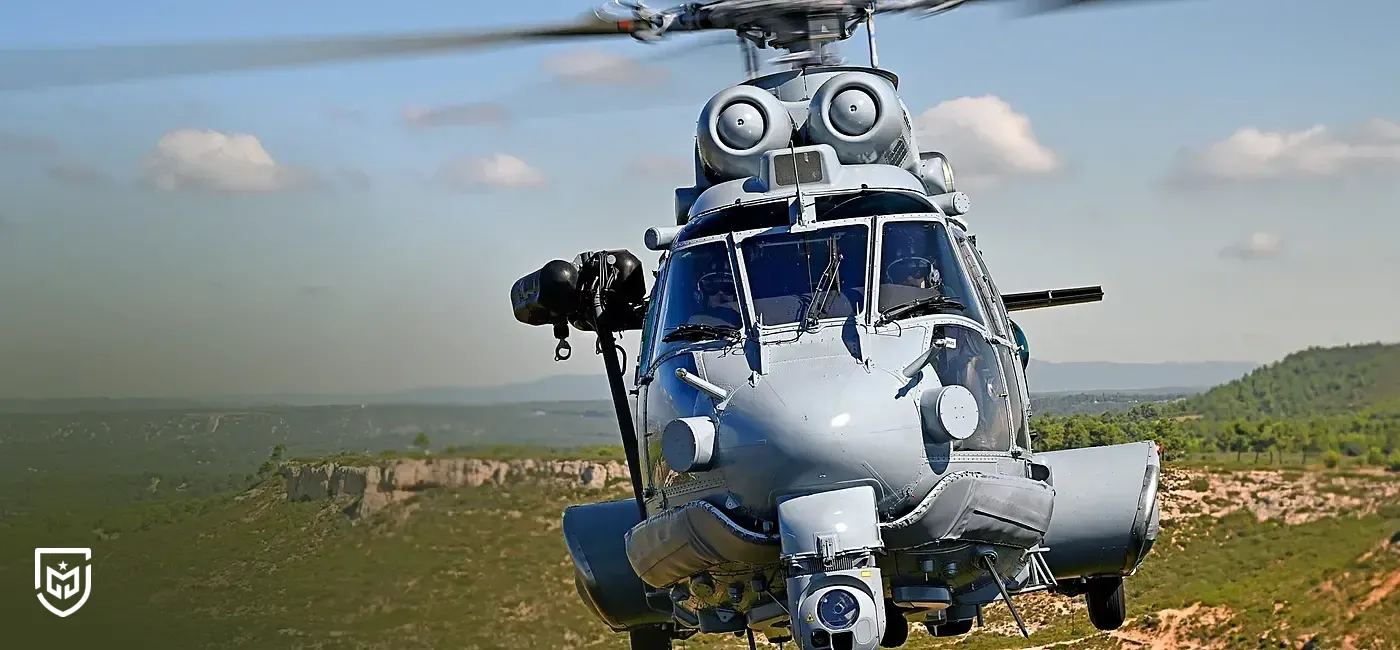
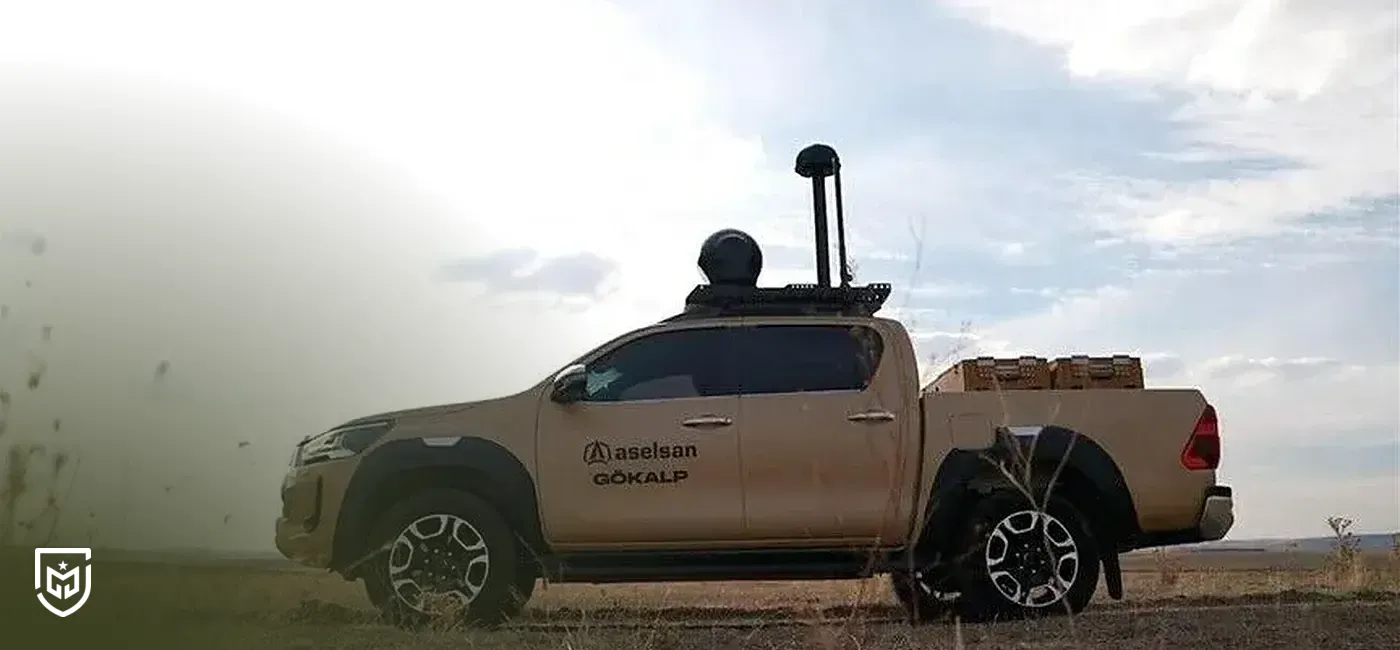
Human-machine collaboration on the battlefield has emerged as one of the most significant transformation areas in modern defense technologies. Today, AI-supported systems, unmanned aerial vehicles, autonomous ground platforms, and digital command-control centers used in military operations have become critical tools that support human decision-making processes. Through this collaboration, operations can be carried out faster, with greater coordination, and with lower risk. In particular, real-time data analysis, target detection, threat assessment, and automated mission management are areas where machines provide high speed and accuracy, while human operators continue to play a central role in strategic thinking and ethical decision-making.
Human-machine collaboration is considered not only a technological advantage in modern warfare concepts but also a strategic force multiplier that improves operational efficiency. AI-supported decision systems, augmented reality applications, intelligent sensor networks, and semi-autonomous combat platforms enhance battlefield awareness and strengthen coordination among military units. Human operators can analyze the large flow of data generated by machines to make more accurate decisions, while autonomous systems actively participate in reconnaissance, logistics support, surveillance, and high-risk missions. This structure reduces human error and significantly increases operational speed. However, maintaining safe and effective human-machine collaboration requires ethical oversight, cybersecurity measures, reliable software infrastructures, and the preservation of human control. As integration between humans and machines continues to advance, next-generation operational models are expected to become increasingly common in future defense technologies.


The cookies used on our website are used to provide you with a better user experience and to improve our website. You can manage your cookie preferences from the options below.



 Süheyla Yıldız