BREAKING NEWS

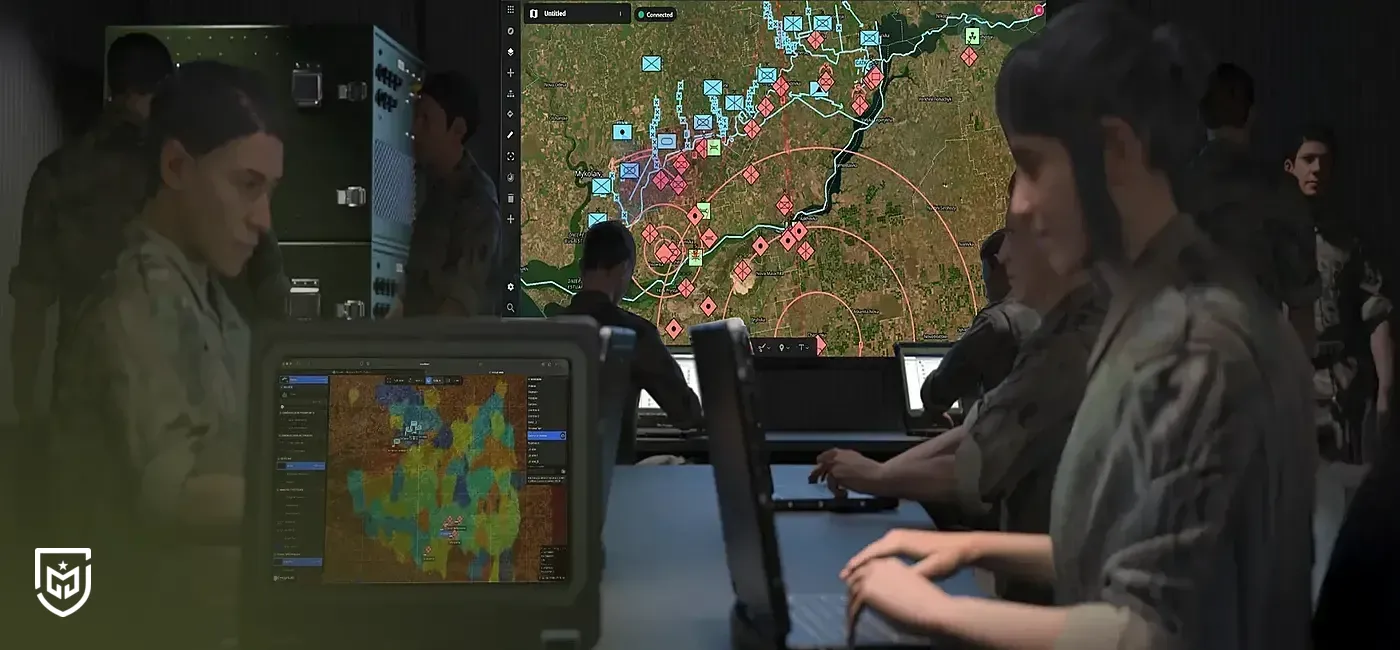
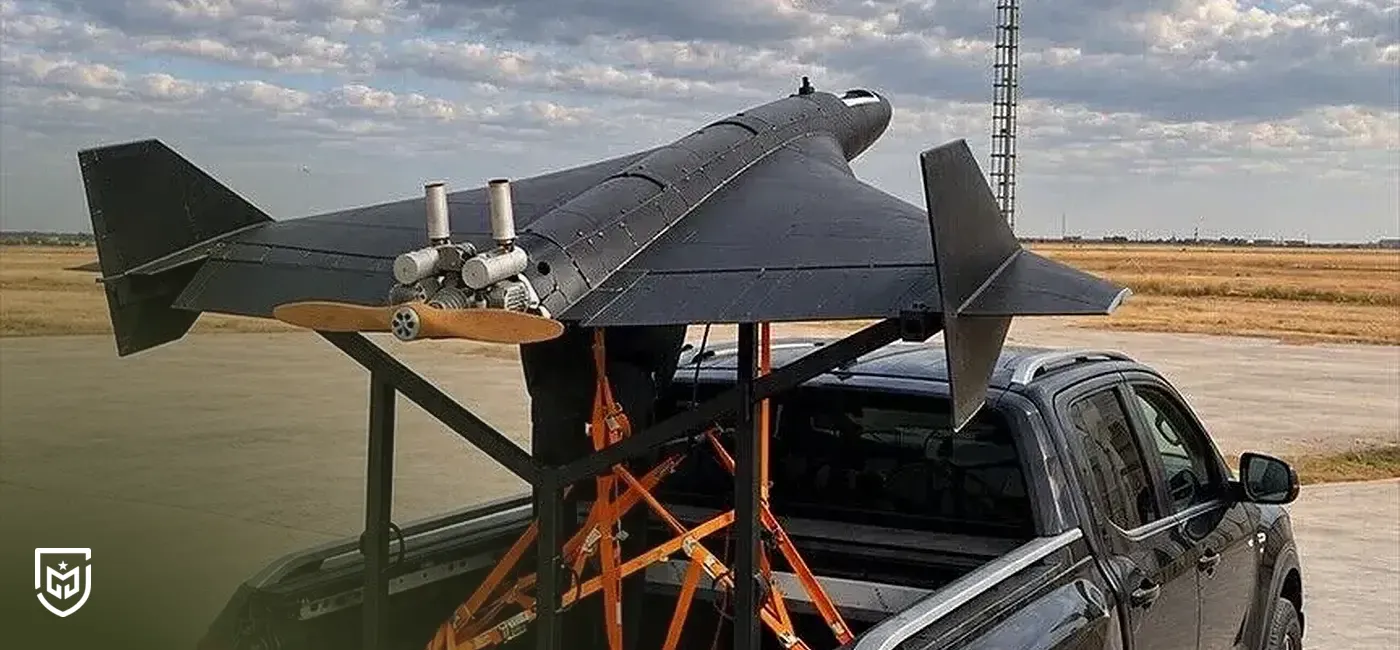
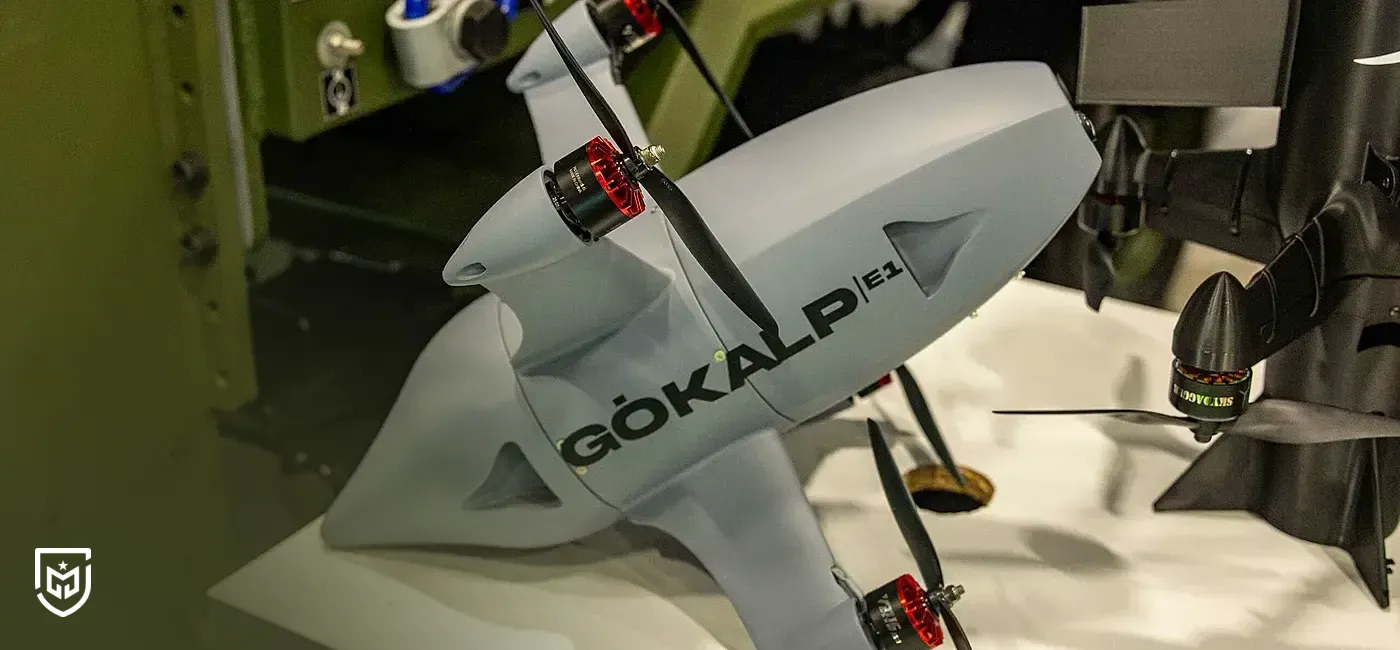
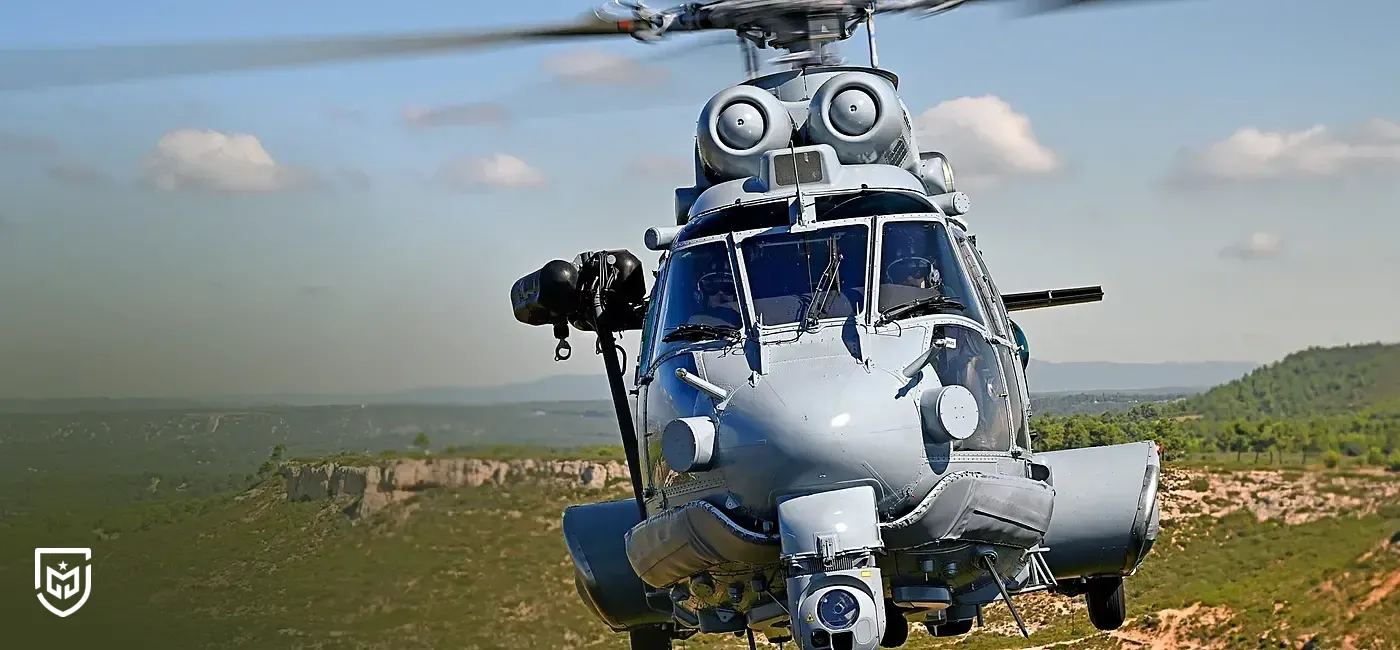
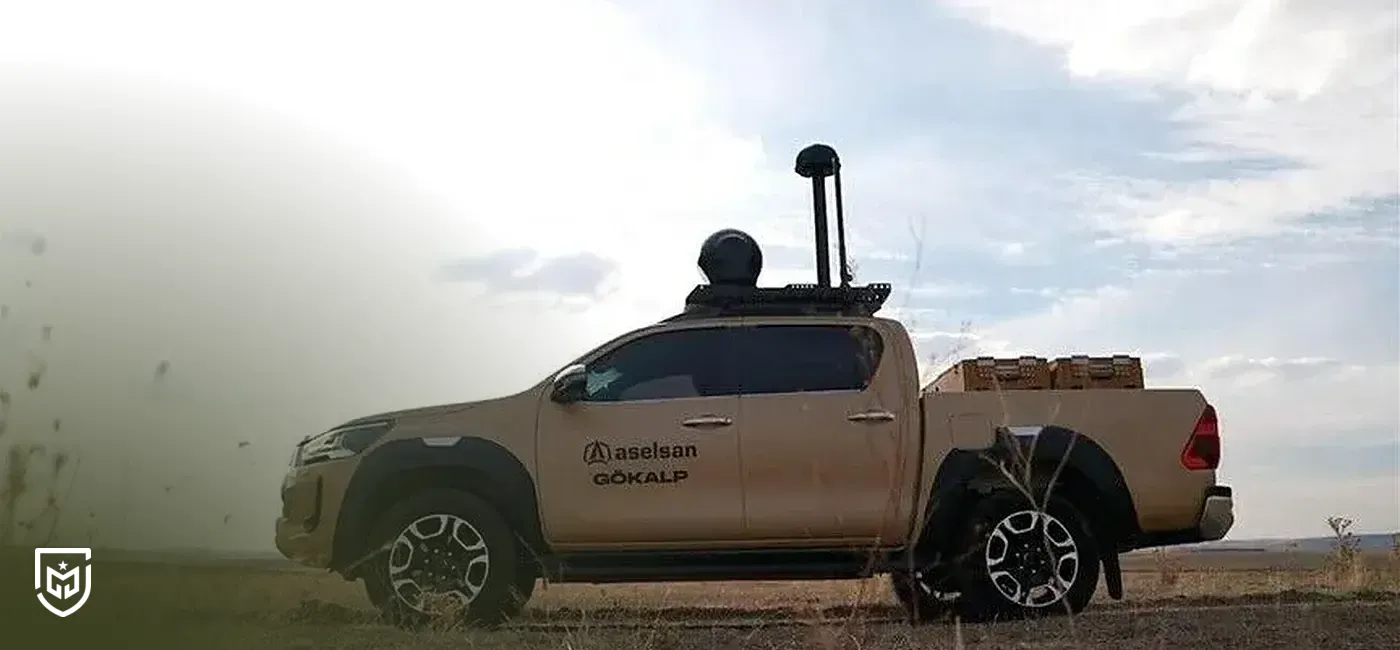
Human interaction with autonomous systems is becoming a critical field in the defense industry, where technology works together with human decision-making processes. Today, unmanned aerial vehicles, ground robots, naval platforms, and AI-supported command systems are not only automated tools but also intelligent systems that continuously share data with human operators. This structure provides major advantages such as faster decision-making, reduced risks, increased mission efficiency, and improved personnel safety. However, effective use of autonomous systems requires human control, ethical responsibility, reliable software infrastructure, and accurate data management.
In the defense sector, human interaction with autonomous systems is developing around the concept of human-machine collaboration. AI-supported analysis, remote control, mission planning, sensor data evaluation, and semi-autonomous decision-support systems enable modern operations to be carried out more safely and in better coordination. While human operators analyze the data provided by these systems and make critical decisions, autonomous platforms play an important role in reconnaissance, surveillance, logistics support, and operations in dangerous areas. This balance makes it possible to benefit from the speed of technology while preserving human judgment. As human interaction with autonomous systems continues to advance, smarter, more flexible, and safer operational models are expected to become increasingly widespread in the defense industry.


The cookies used on our website are used to provide you with a better user experience and to improve our website. You can manage your cookie preferences from the options below.



 Süheyla Yıldız