BREAKING NEWS
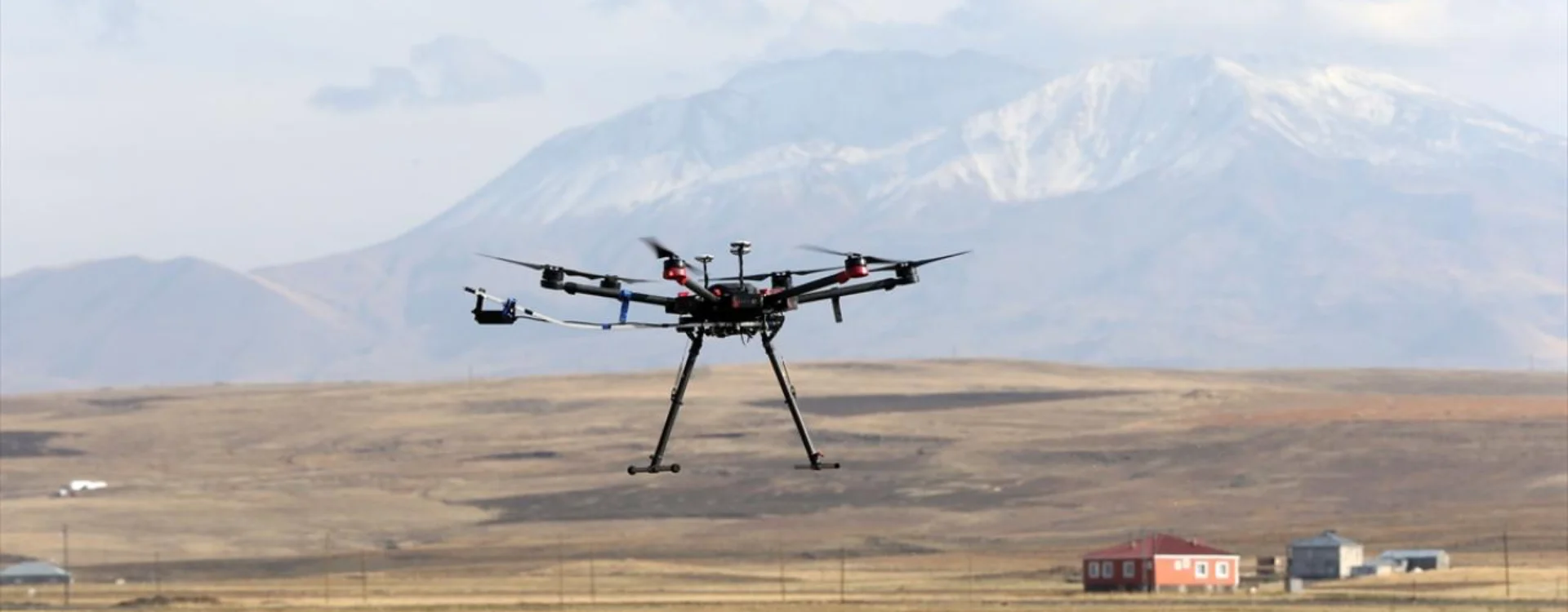
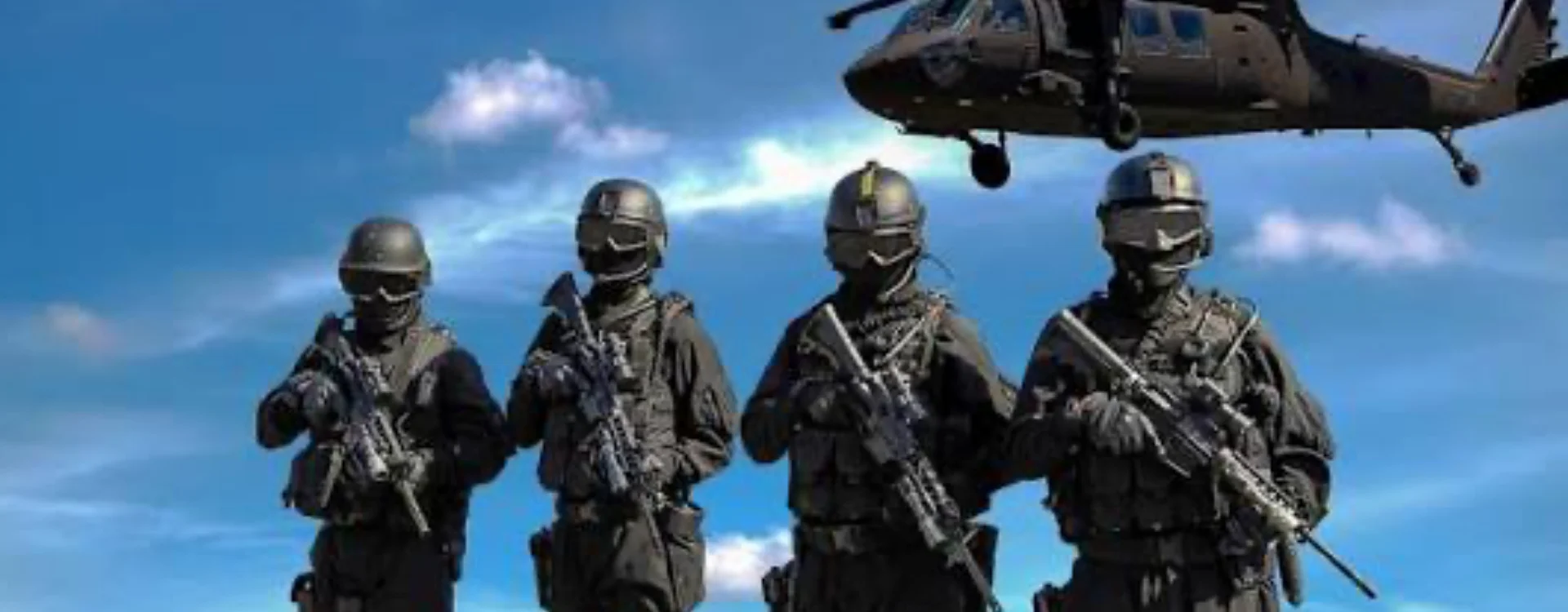
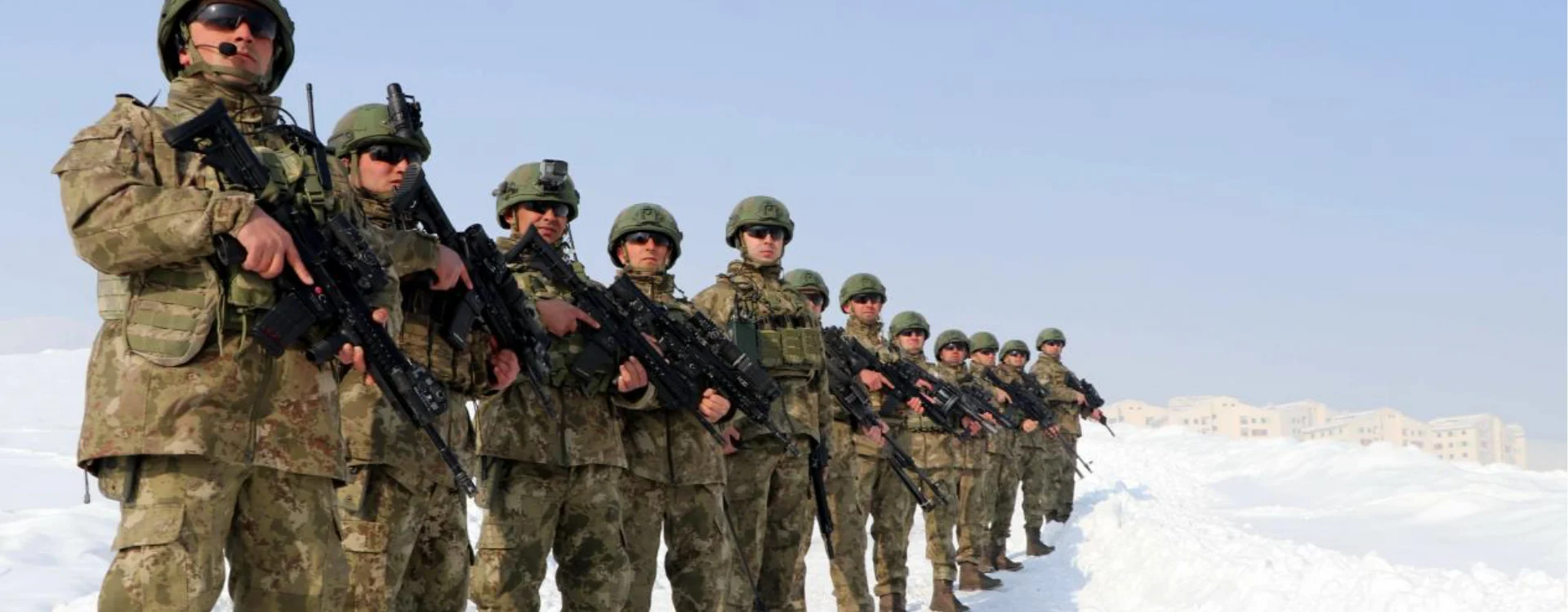
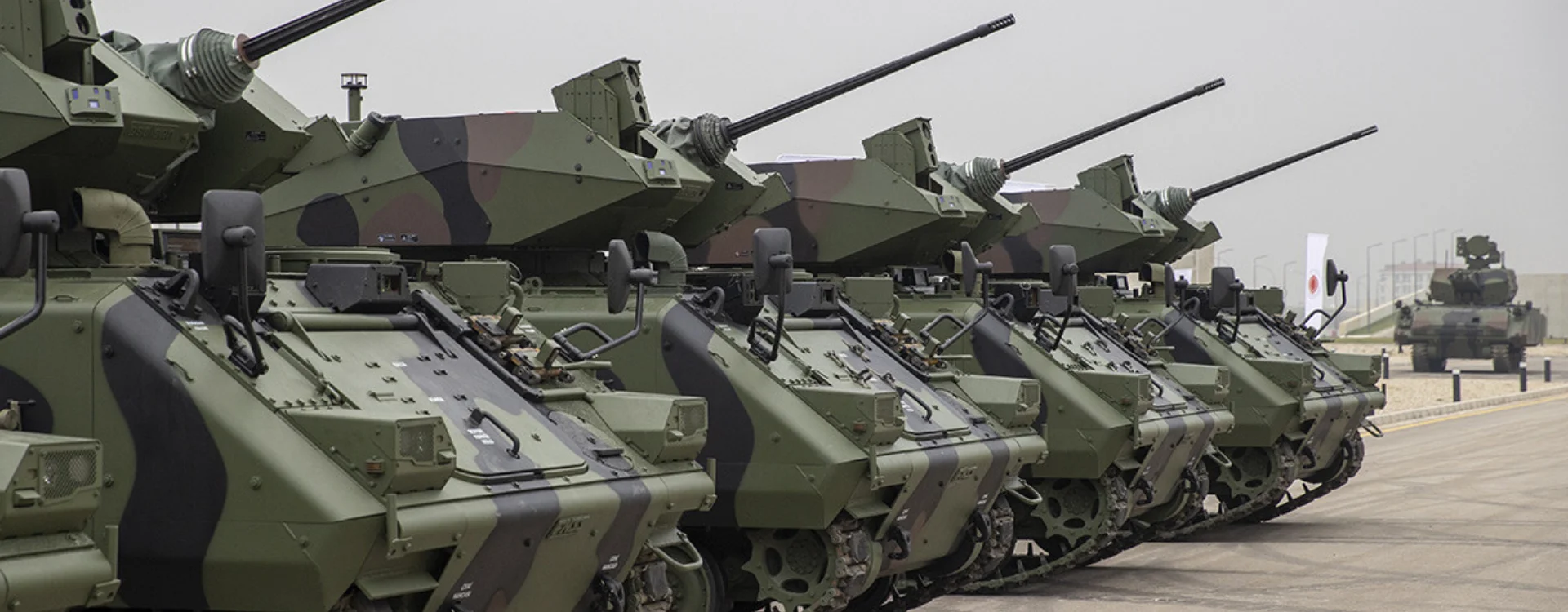
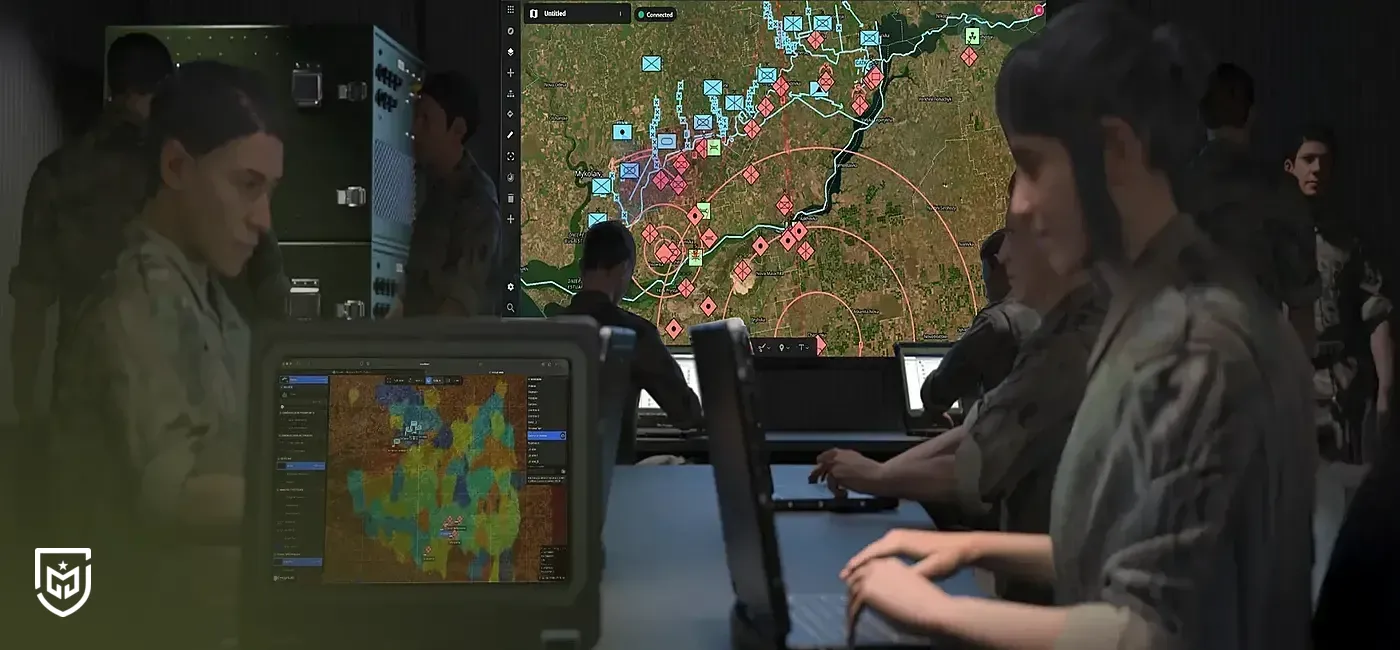
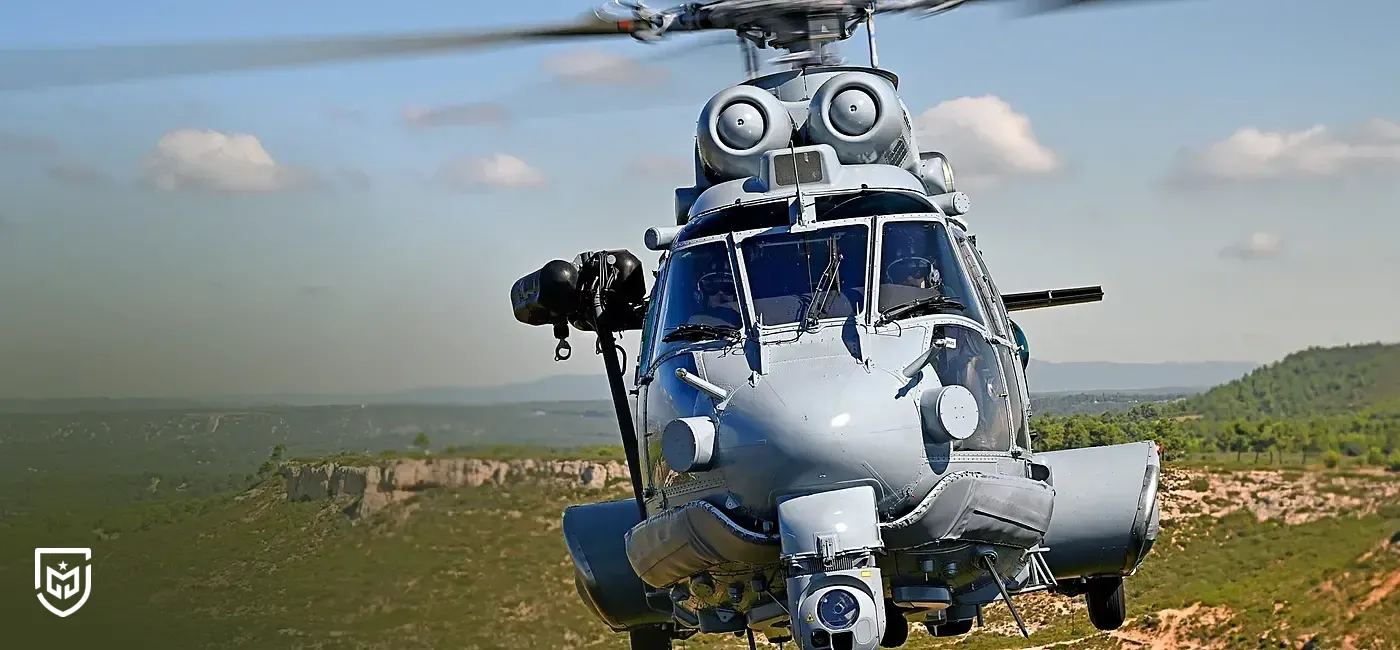
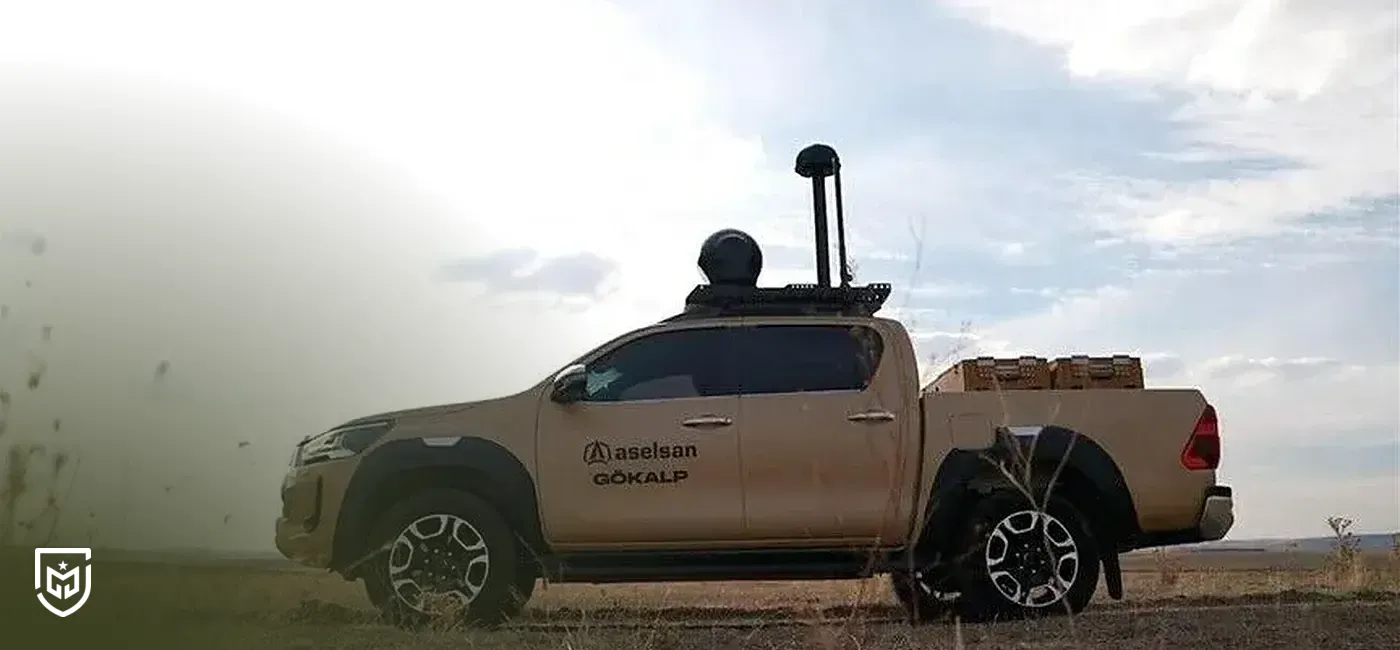
Future battlefield sensors are among the most critical elements of modern defense technologies. In today’s military operations, not only the power of weapon systems but also the ability to collect accurate field data, detect threats early, distinguish targets, and provide real-time decision support has become decisive. Radars, electro-optical cameras, infrared detectors, acoustic sensors, cyber monitoring systems, and AI-supported data analysis infrastructures are forming an intelligent network structure that works together on the battlefield of the future. Thanks to these sensors, command centers can assess field activity faster and provide safer operational conditions for military units.
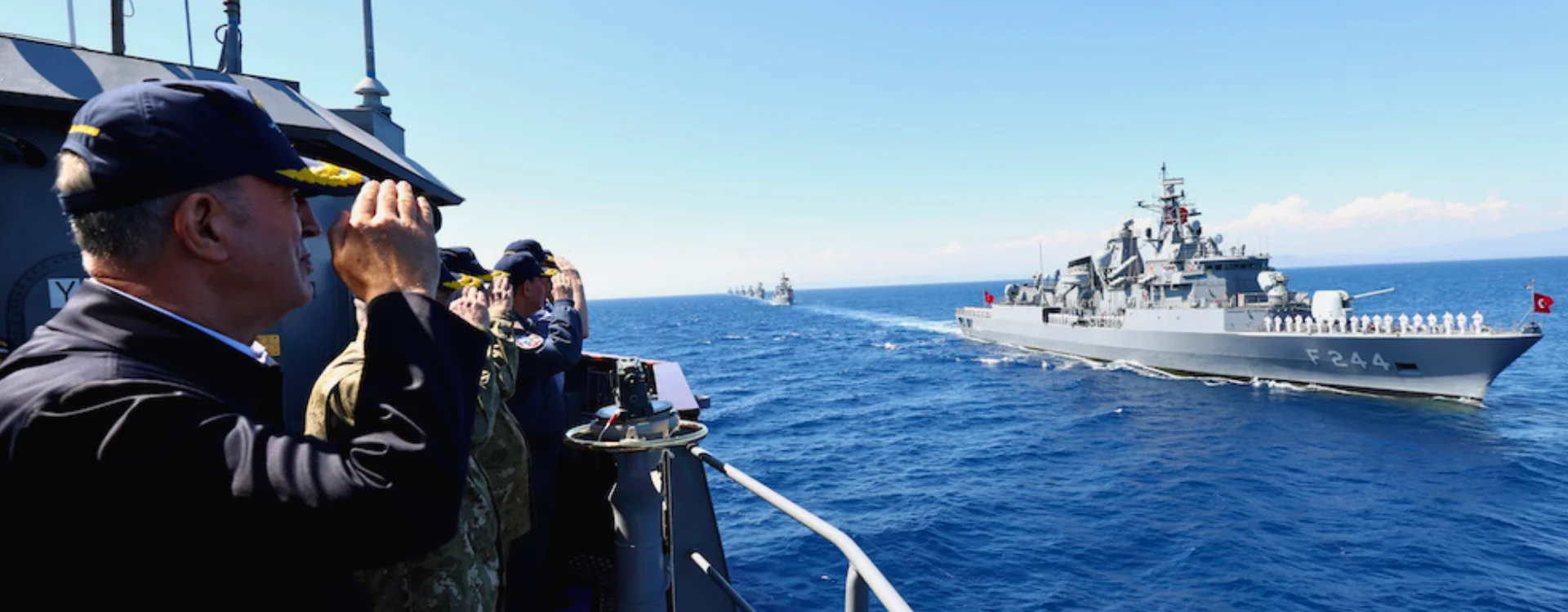
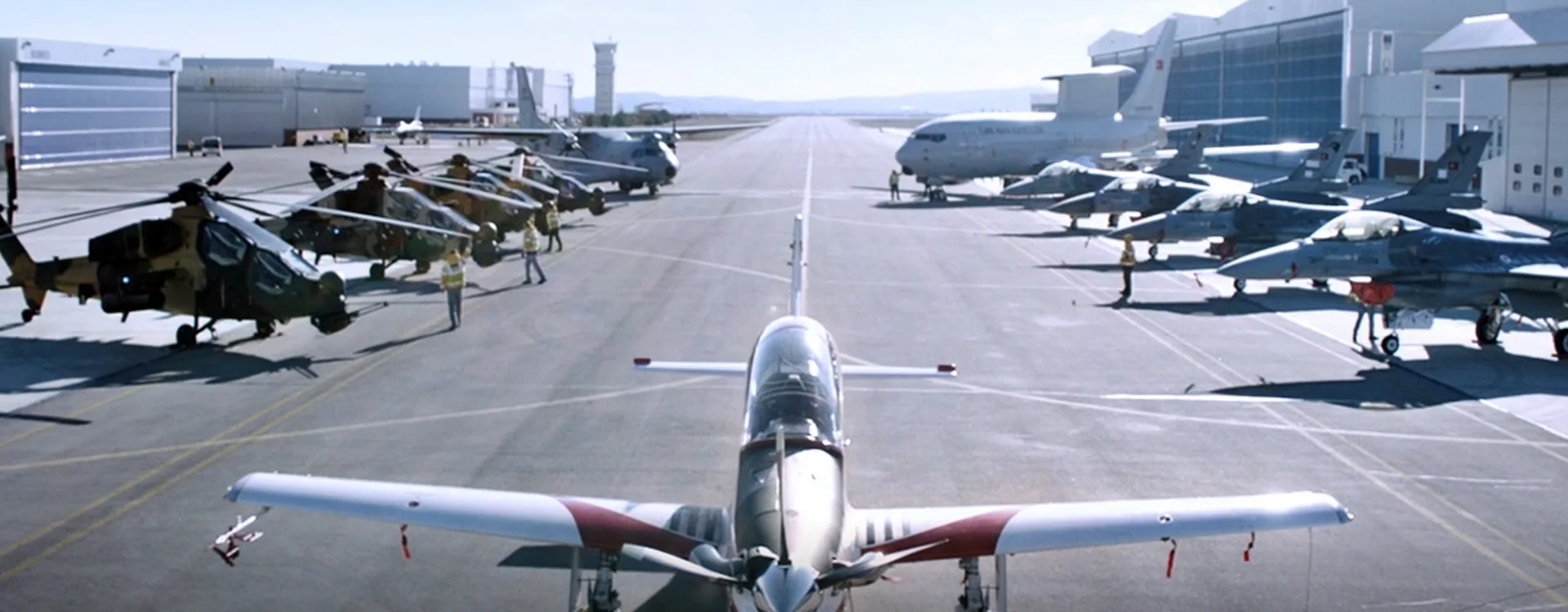
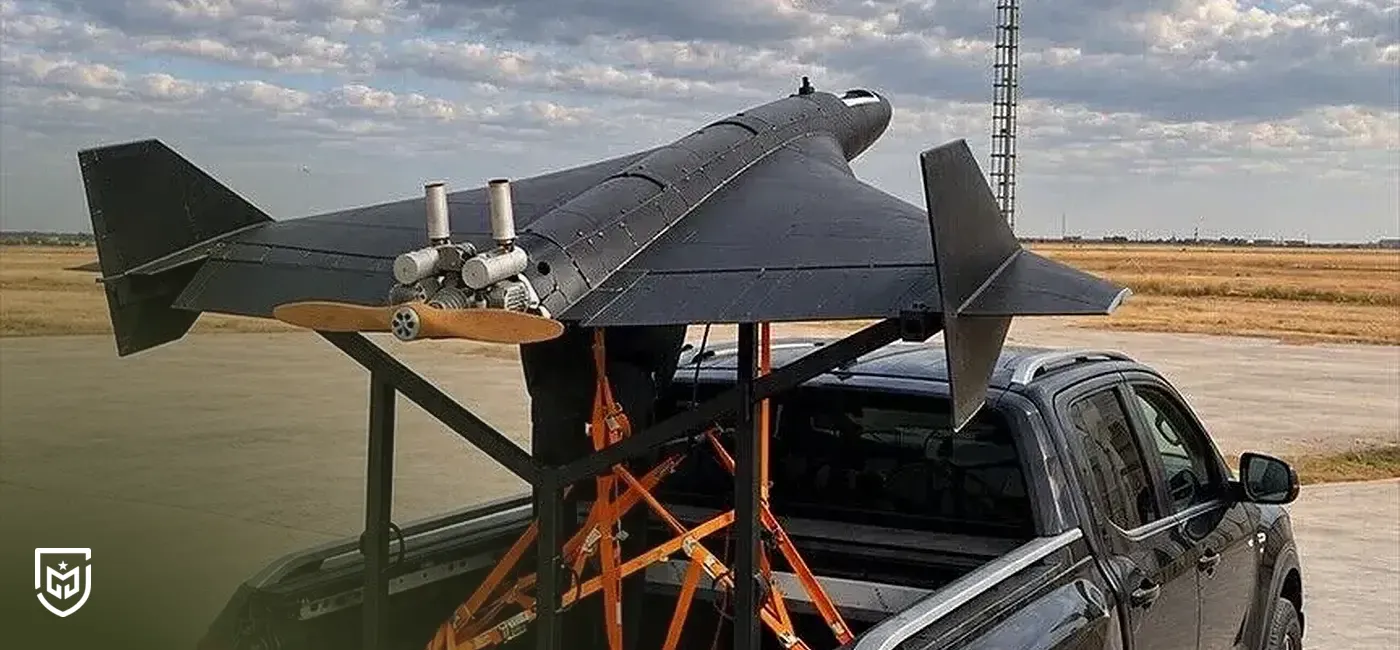
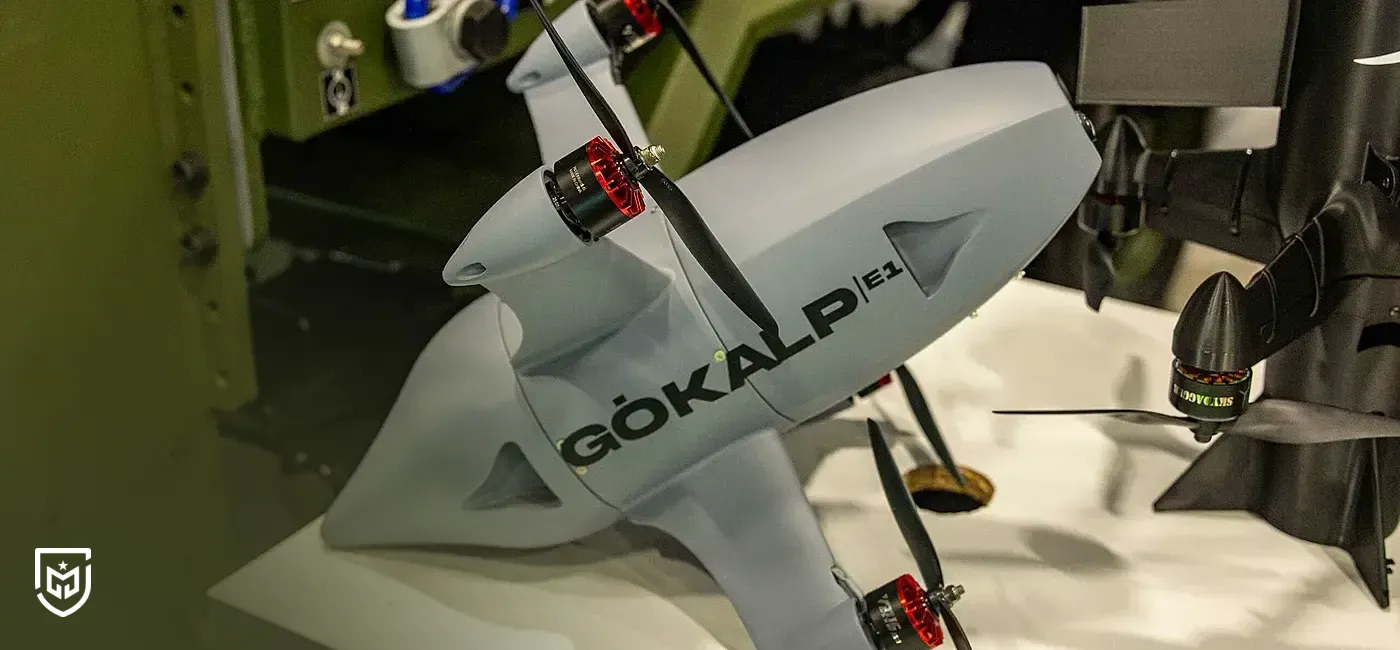
In the future battlefield, sensor technologies will be used not only for observation and detection but also for data fusion, autonomous system management, electronic warfare, unmanned platform coordination, and AI-supported threat analysis. Sensors integrated with unmanned aerial vehicles, ground robots, naval platforms, and satellite systems will create a multi-layered defense network. This structure will enable military units to detect threats beyond line of sight, gain clearer situational awareness in complex operational areas, and accelerate decision-making processes. Advanced sensors will offer major advantages in areas such as detecting low-observable targets, analyzing electronic signals, and tracking moving targets. Therefore, future battlefield sensors stand out not only as technical equipment but also as the primary data source of the digital defense ecosystem and one of the most important technology fields providing strategic superiority.


The cookies used on our website are used to provide you with a better user experience and to improve our website. You can manage your cookie preferences from the options below.



 Süheyla Yıldız