BREAKING NEWS
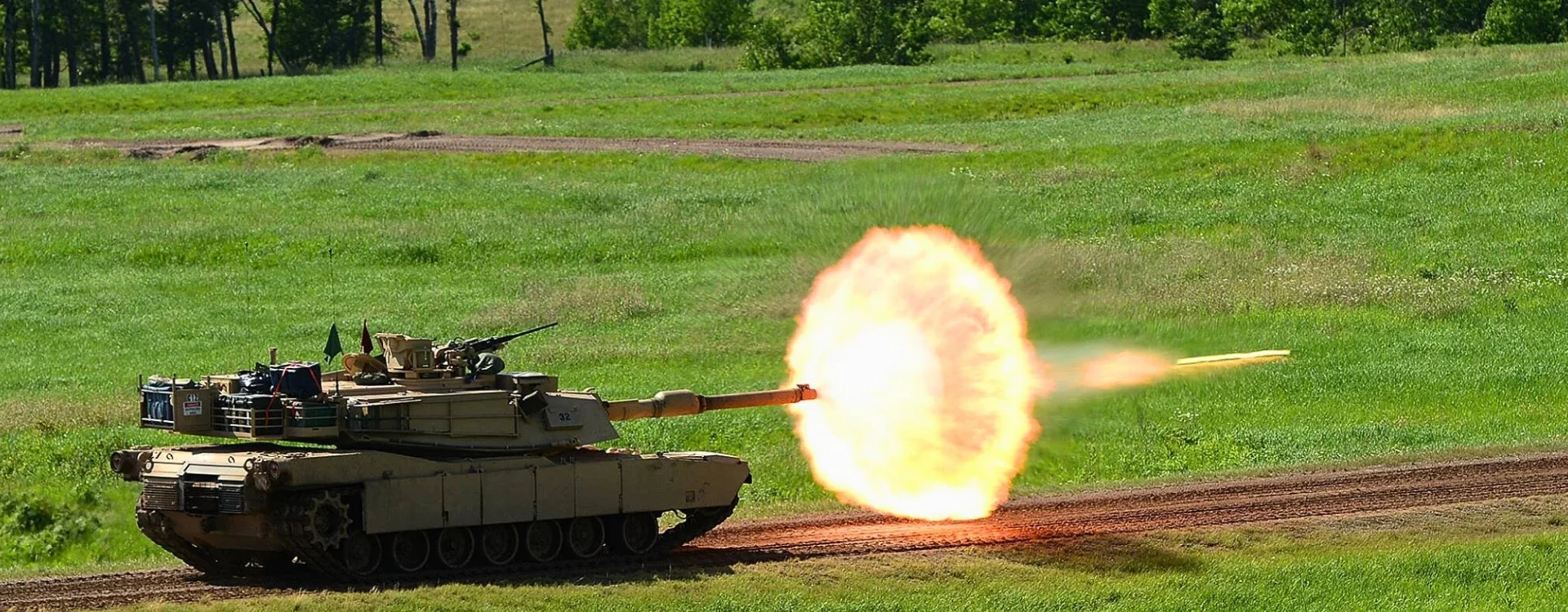
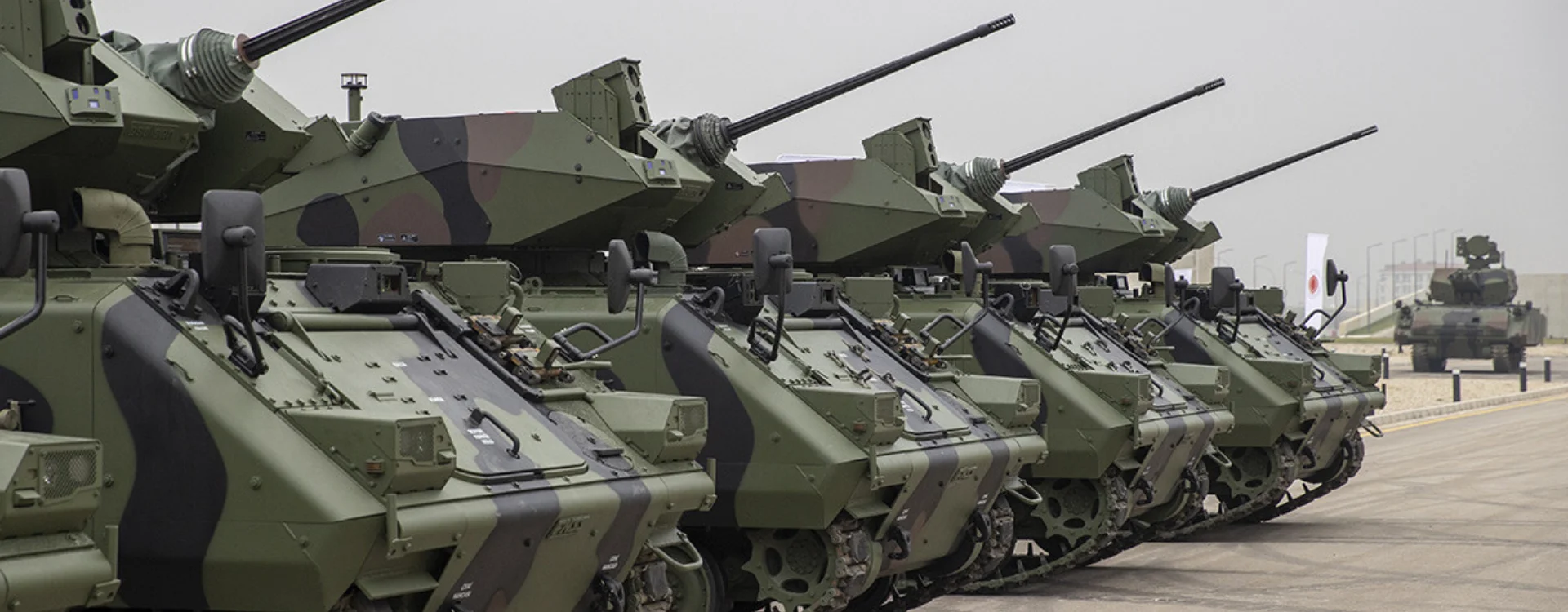
Fire control algorithms in tanks are among the most critical technologies enabling modern armored vehicles to engage targets quickly and accurately. Today’s advanced tanks can fire with high precision even while moving at speed across rough terrain. Behind this capability lies a sophisticated integration of ballistic computation models, real-time sensor data processing, and AI-assisted fire control algorithms. In modern battlefield doctrine, the fire control system is considered one of the most vital subsystems of a main battle tank.
From a technical perspective, tank fire control algorithms simultaneously process data from laser rangefinders, wind sensors, barrel inclination sensors, temperature sensors, barometric pressure sensors, and gyroscopic stabilization units. These systems calculate the projectile’s ballistic trajectory using complex mathematical and differential equations. During engagement of moving targets, the algorithm determines the correct lead angle by analyzing target speed, direction, and distance. At the same time, the tank’s own movement, track vibration, hull tilt, and terrain slope are factored into the calculation. Modern fire control systems operate as closed-loop control architectures, utilizing servo motors for gun stabilization. Thanks to dual-axis stabilization, tanks maintain high hit probability even while maneuvering over uneven ground. In next-generation systems, machine learning-based target classification and automated threat prioritization algorithms are increasingly integrated, reducing reaction times to milliseconds and significantly enhancing battlefield effectiveness.


The cookies used on our website are used to provide you with a better user experience and to improve our website. You can manage your cookie preferences from the options below.



 Süheyla Yıldız