BREAKING NEWS
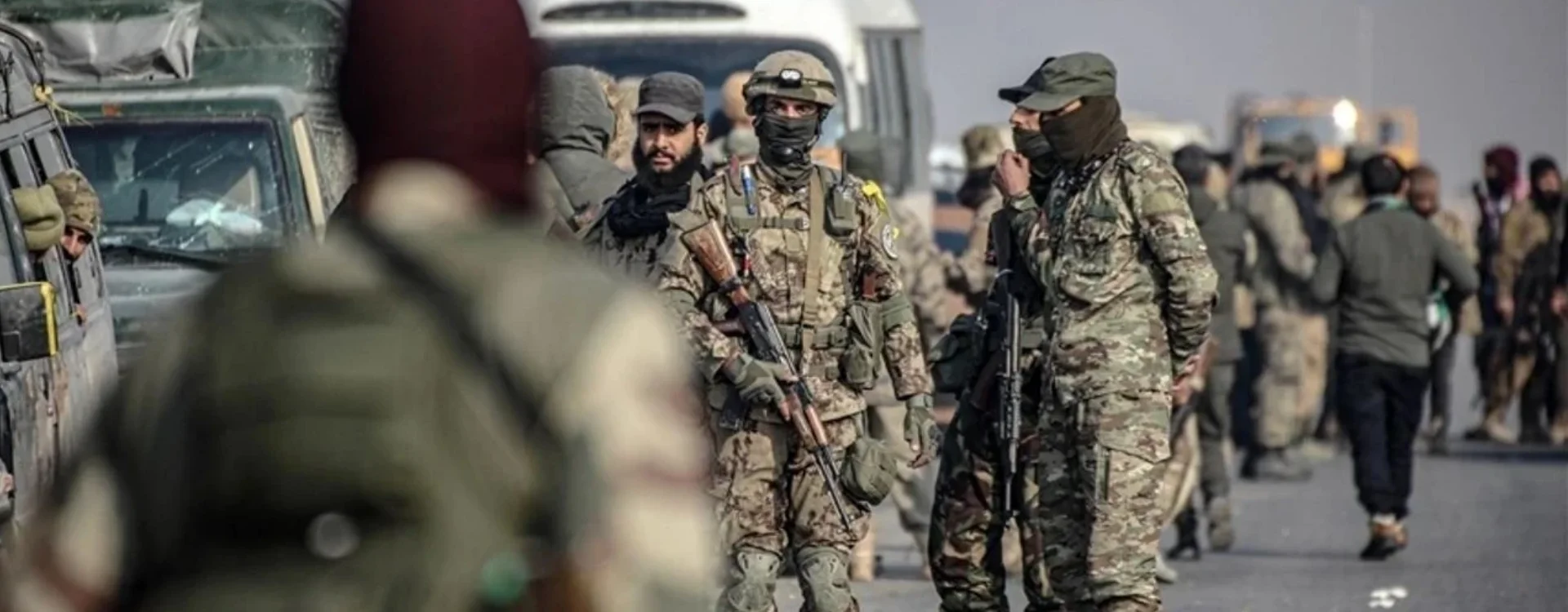
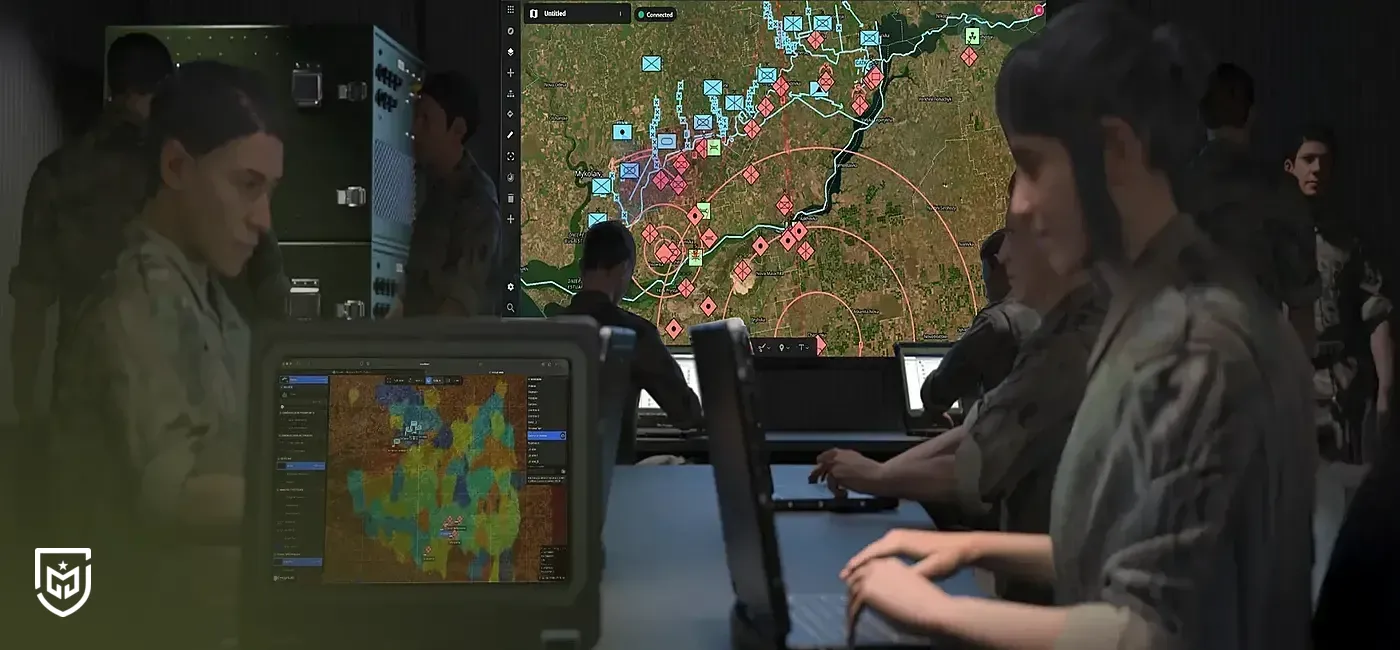
Ethical boundaries in military technology have become one of the most important areas of discussion in security policy with the development of modern defense systems. Today, AI-supported defense systems, autonomous platforms, advanced surveillance technologies, and digital warfare infrastructures provide operational speed and high efficiency while also raising critical ethical questions related to human rights, civilian protection, data security, decision-making responsibility, and international law. As technology plays a more active role on the battlefield, the extent to which human control should be maintained and who should make lethal decisions have become even more important. Therefore, not only the development of military technologies but also their use within ethical boundaries is considered a fundamental element of modern defense.
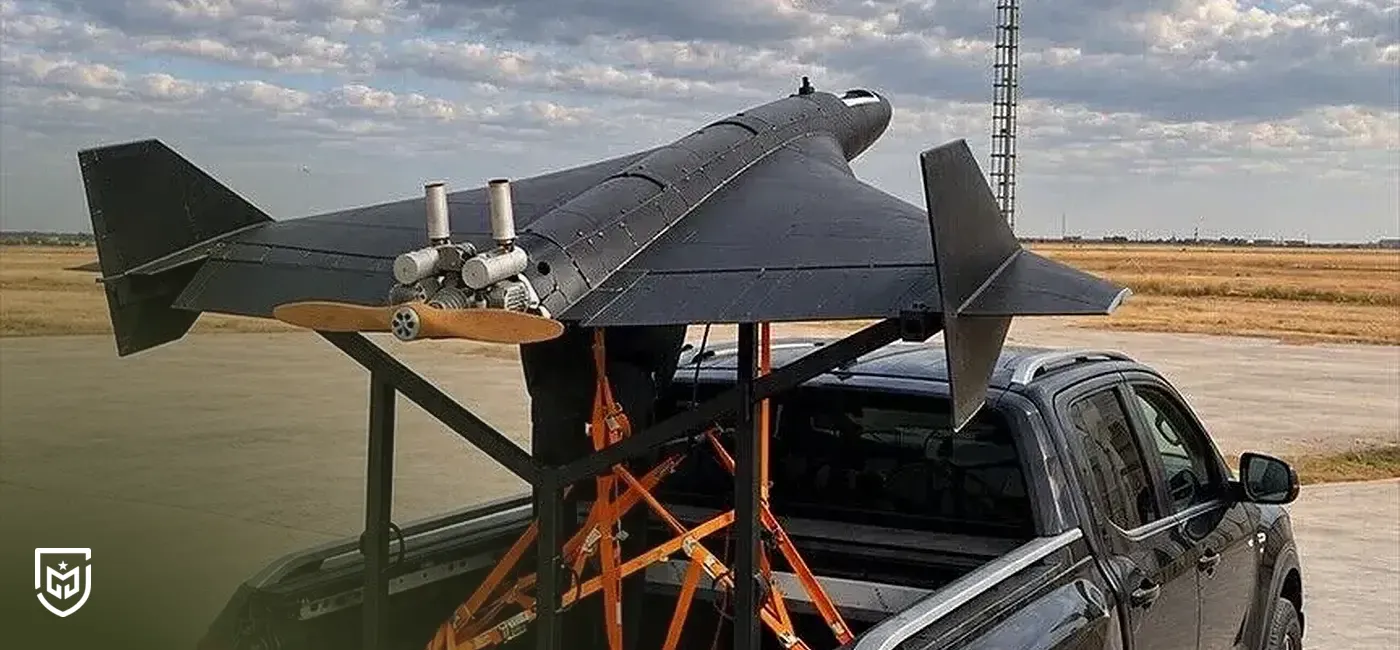
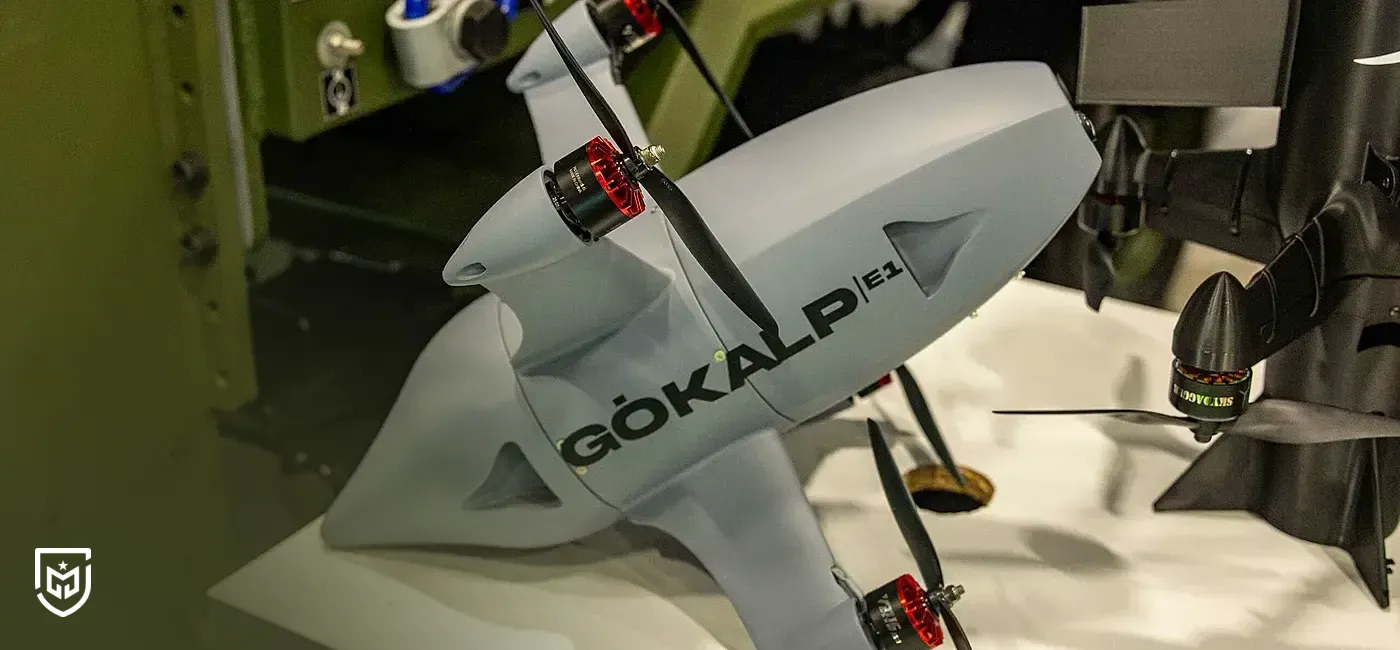
Ethical boundaries in military technology are becoming especially important in areas such as artificial intelligence, autonomous weapon systems, biometric surveillance technologies, and cyber operations. Transparent algorithms, human oversight, accountability, reliable data management, and international ethical standards are among the priority criteria in modern defense projects. Since fully independent decision-making by autonomous systems may create serious risks such as incorrect target selection or civilian casualties, many countries are trying to adopt the “human-in-the-loop” approach. In addition, cyberattacks, data manipulation, and the malicious use of AI systems make ethical security discussions even more critical. As defense technologies continue to advance in the future, ethical rules are expected to become not only a legal obligation but also a core part of reliable and sustainable defense capability.


The cookies used on our website are used to provide you with a better user experience and to improve our website. You can manage your cookie preferences from the options below.




 Süheyla Yıldız