BREAKING NEWS
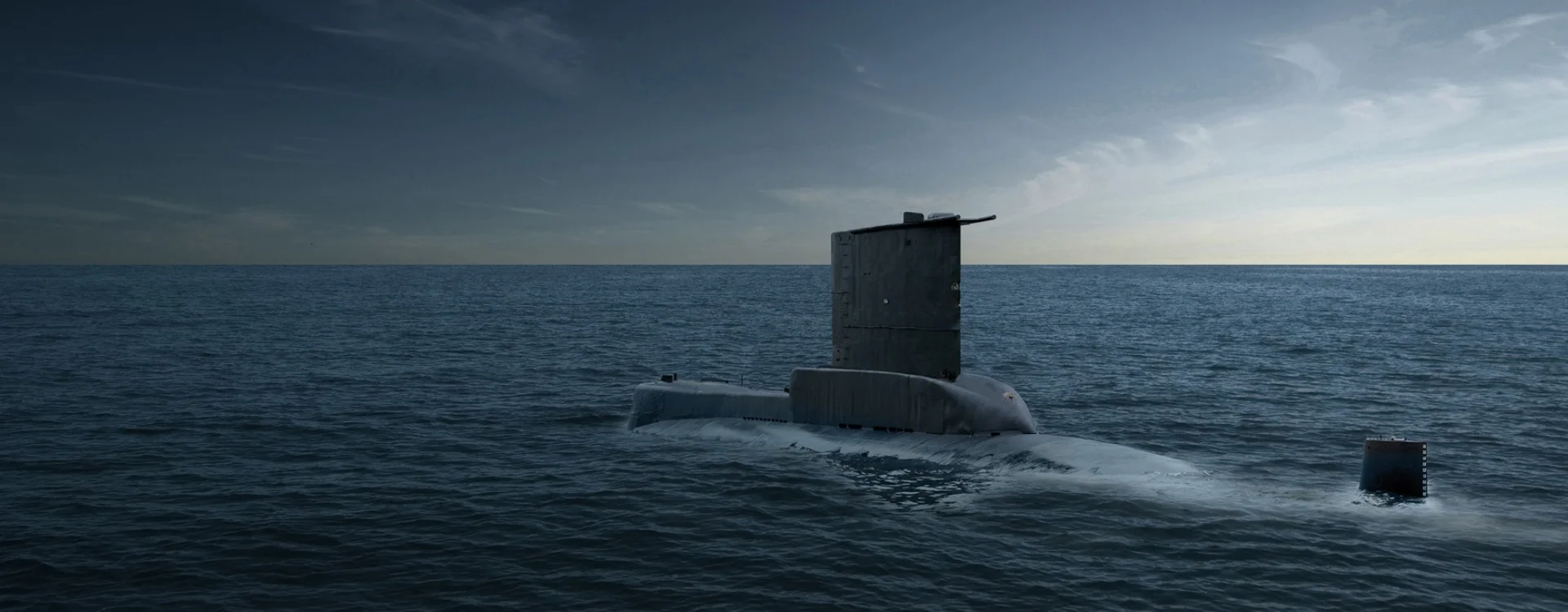
Active and passive sonar systems form the backbone of modern underwater detection technologies and play a critical role in naval defense operations. Sonar (Sound Navigation and Ranging) works by using sound waves to detect, locate, and measure objects underwater. Active sonar systems transmit sound pulses and analyze the returning echoes, while passive sonar systems simply listen to sounds in the surrounding environment without emitting any signals. The key difference between the two lies in sound transmission and stealth capability. In modern military strategy, both active sonar and passive sonar systems are essential components of submarine and naval warfare technologies.
From a technical perspective, active sonar emits a sound pulse at a specific frequency and calculates distance and direction by measuring the time it takes for the echo to return after striking a target. This method provides high accuracy but can reveal the location of the vessel using it. In contrast, passive sonar does not transmit any signals; instead, it detects acoustic signatures such as engine noise, propeller sounds, and other underwater disturbances. This ensures maximum stealth advantage, although detection range and precision depend on environmental conditions. In submarine warfare operations, passive sonar is generally preferred for covert tracking, while active sonar is often used for detection confirmation. Today’s advanced naval defense systems integrate sonar technology with radar and acoustic monitoring systems to achieve superior strategic awareness and operational dominance.


The cookies used on our website are used to provide you with a better user experience and to improve our website. You can manage your cookie preferences from the options below.







 Süheyla Yıldız