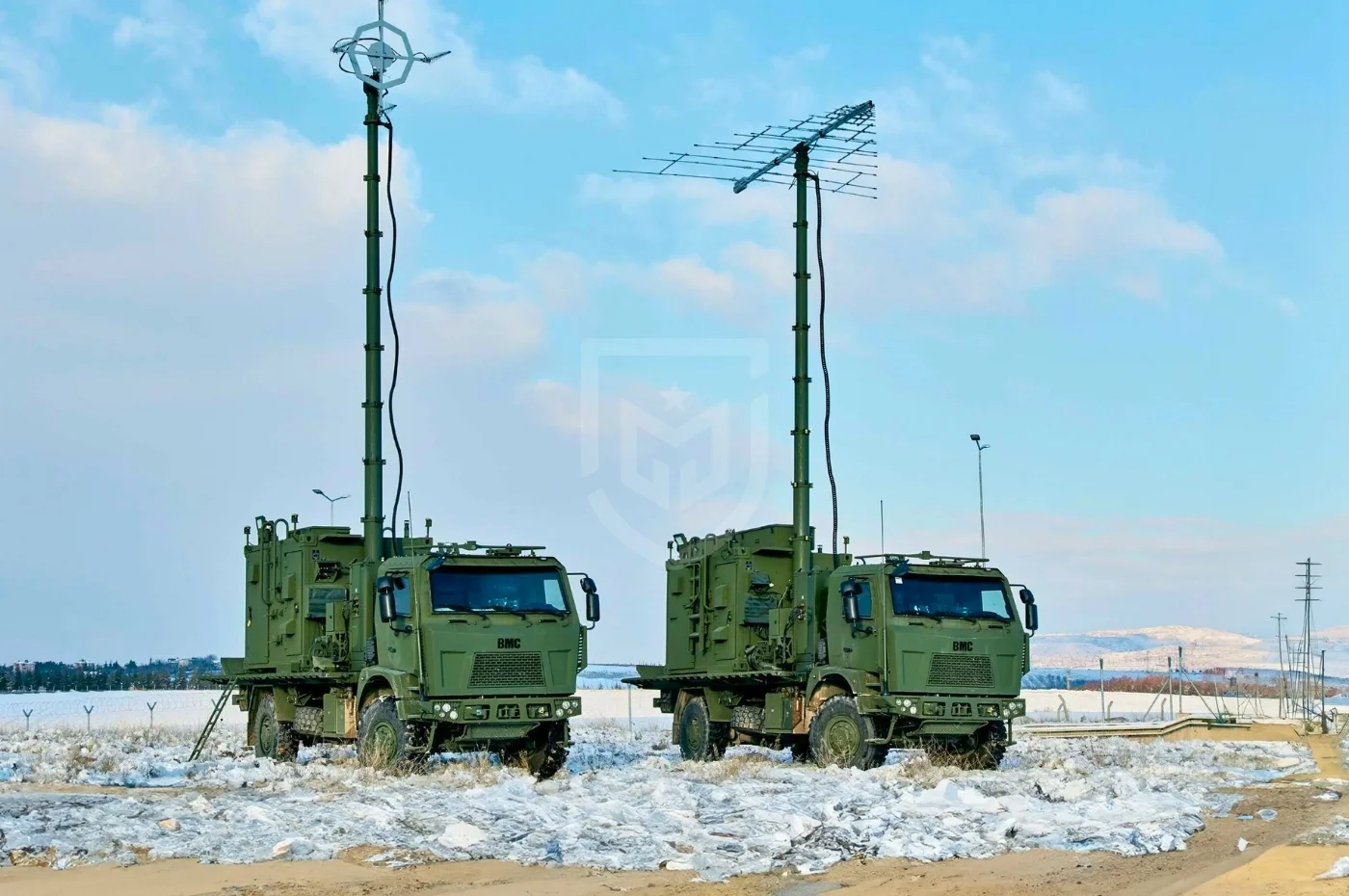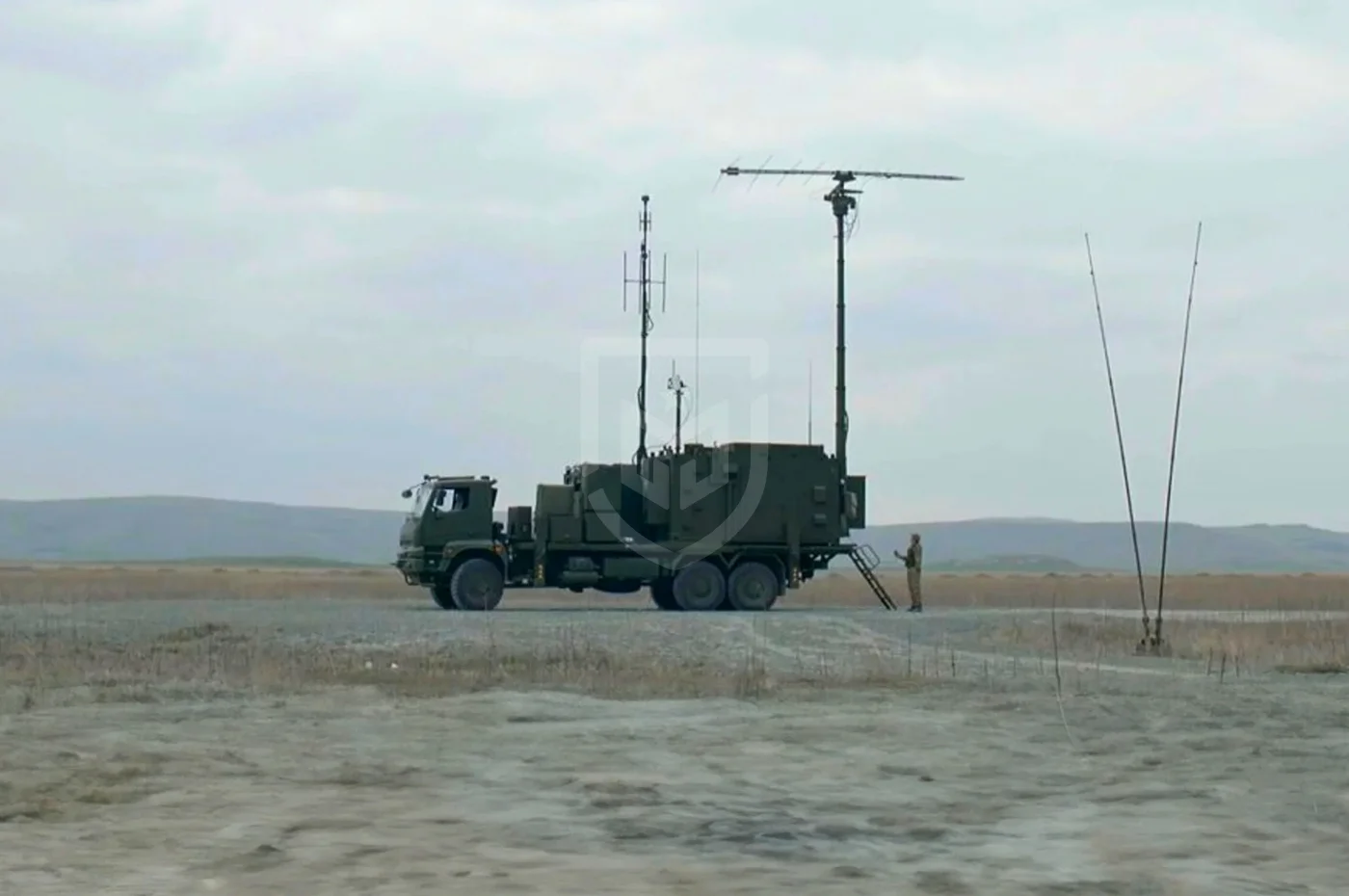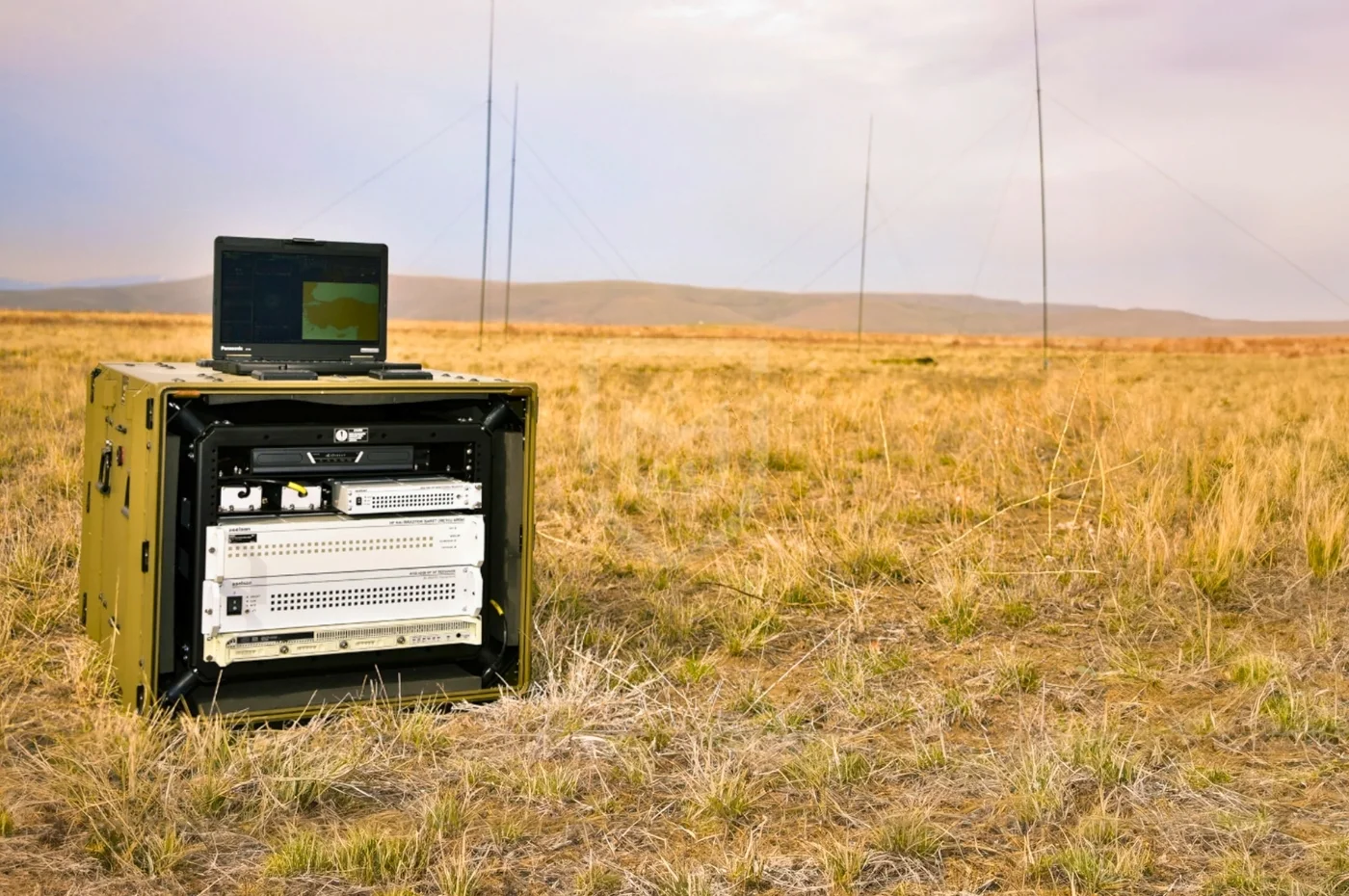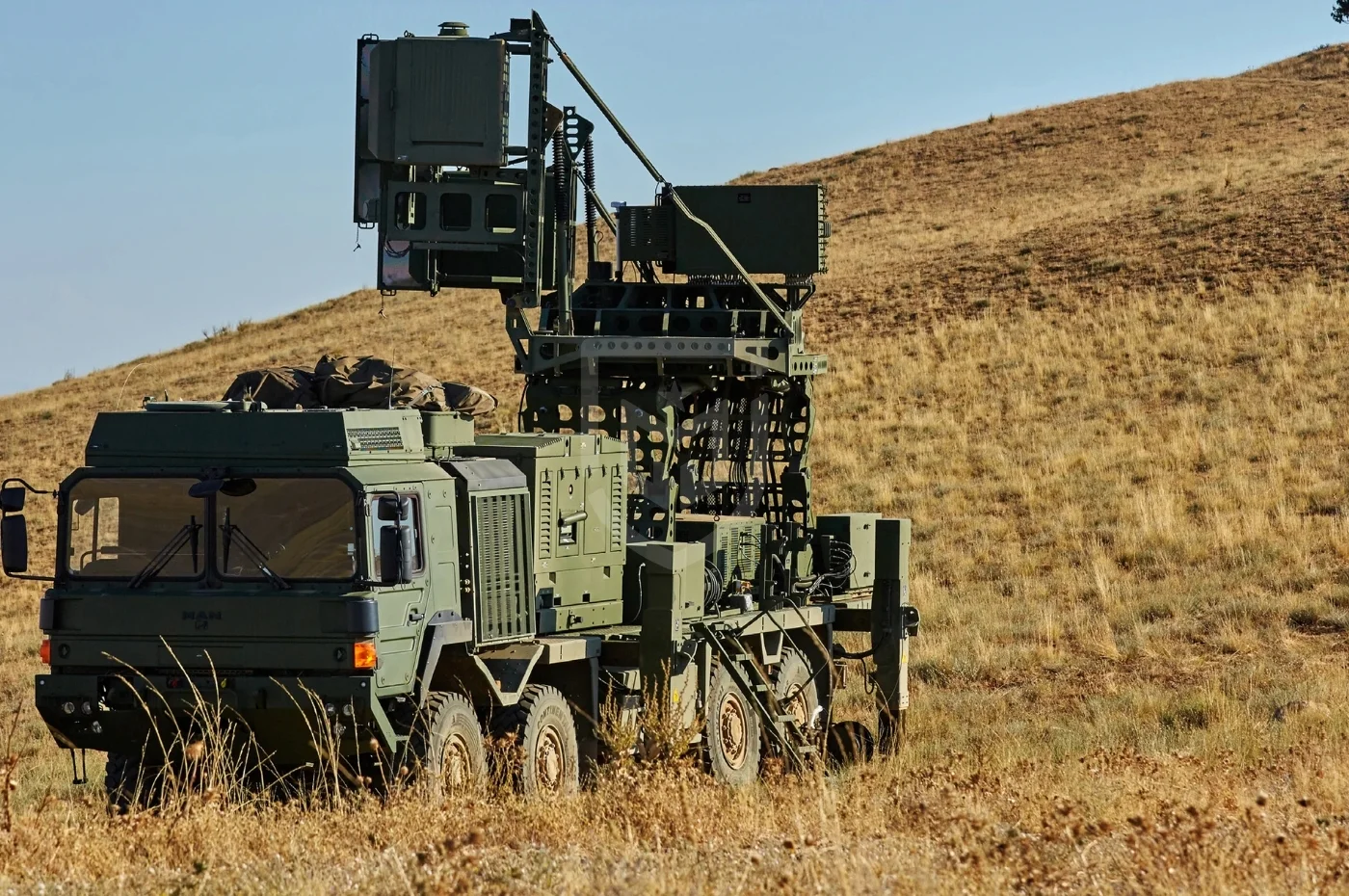


MİLKAR-3A3 is a land-based Electronic Attack (EA) system specifically engineered to target tactical-level communication systems operating in the VHF and UHF frequency bands. These include military field radios, frequency-hopping tactical networks, command post communication nodes, and certain unmanned system control links.
Operational Purpose and Role
The system aims to:
- Disrupt enemy command and control chains
- Degrade coordination between maneuver units
- Delay target designation and fire control cycles
- Impose tactical and psychological pressure
When synchronized with kinetic operations, electronic attack significantly reduces the adversary’s reaction time and operational coherence.
Doctrine and Concept of Employment
MİLKAR-3A3 is designed for deployment at brigade and corps levels within land forces. It can be employed:
- In support of offensive operations
- During defensive posture reinforcement
- Prior to large-scale maneuvers
- Along critical axes of advance
The system supports both wide-area barrage jamming and selective reactive jamming modes. Its ability to respond rapidly to frequency-hopping and Direct Digital Generation System (DDGS)-type signals enhances effectiveness against modern digital tactical radios.
System Architecture
The system architecture typically consists of:
- Wideband and narrowband receivers
- Digital signal processing units
- High-speed signal generators
- High-power RF amplifiers
- Directional high-gain antenna systems
- Operator control consoles and command modules
Its software-defined radio (SDR)-based infrastructure allows threat library updates and integration of new jamming techniques through software upgrades.
Survivability and Protection Approach
Integrated on a tactical wheeled vehicle platform, the system provides:
- High mobility and rapid relocation
- Fast deployment and teardown capability
- Compliance with MIL-STD military standards
- Operation under harsh environmental conditions
As electronic warfare systems emit strong electromagnetic signatures, survivability doctrine emphasizes mobility, emission control discipline, and tactical camouflage.
Reaction Time and Engagement Process
Through reactive jamming capability, the system:
- Detects and analyzes target signal parameters
- Identifies frequency and modulation characteristics
- Generates counter-signals within milliseconds
- Suppresses or deceives the target communication
Selective response improves power efficiency compared to continuous wideband jamming.
Integrated Ecosystem
MİLKAR-3A3 is designed to operate within the broader Turkish Armed Forces electronic warfare architecture, potentially integrating with:
- Other ground-based EW systems
- Command and control information systems
- ISR assets
Specific data link standards and integration protocols are not publicly disclosed.
Advantages and Limitations
Advantages
- Effective against frequency-hopping radios
- Both analog and digital deception capability
- Software-based architecture
- High tactical mobility
Limitations
- Likely limited effectiveness against satellite communication systems
- Not intended for long-range strategic communication suppression
- High electromagnetic visibility increases counter-targeting risk
Operational Use
The system was delivered to the Turkish Land Forces in 2019. Publicly available information indicates operational deployment during Operation Spring Shield. Detailed performance metrics remain undisclosed.
Detailed Technical Information
Frequency Coverage
- VHF and UHF bands
- Exact frequency range not publicly disclosed
RF Output Power
- Scalable according to user requirements
- Exact wattage not publicly disclosed
Jamming Types
- Continuous jamming
- Swept/intermittent jamming
- Target-triggered jamming
- Wideband barrage jamming
- Reactive jamming
Deception Capability
- Analog deception sources
- Digital deception generation
- False information injection
Demodulation and Monitoring
Includes voice and IF recording modes.
Receiver Capability
- Wideband receiver
- Narrowband receiver
- High-speed signal detection
Detection range not publicly disclosed.
Antenna System
- High-gain directional antennas
- Adjustable orientation
- Separate configurations for monitoring and jamming
Command and Control
- Software-based operator consoles
- Remote operation capability
- Digital radio infrastructure
Specific data link standards not publicly disclosed.
Power and Environmental Conditions
- Multiple power supply configurations
- Wide operational temperature range
- MIL-STD compliance
Mobility and Deployment
- Mounted on a tactical wheeled vehicle
- Rapid setup and teardown capability
- Personnel requirement not publicly disclosed
Frequently Asked Questions
What is MİLKAR-3A3 used for?
- It is used to disrupt, suppress, or deceive enemy tactical communications in the VHF/UHF spectrum, enhancing battlefield dominance.
What frequency range does it operate in?
- It operates in the VHF and UHF bands. Exact numerical limits are not publicly disclosed.
Can it counter frequency-hopping radios?
- Yes. Its reactive jamming capability enables it to respond to frequency-hopping and digitally generated waveforms.
How many targets can it jam simultaneously?
- The exact number is not publicly disclosed. However, its wideband and selective modes allow simultaneous suppression of multiple communication channels.
Is the system mobile?
- Yes. It is mounted on a tactical wheeled vehicle platform for high mobility.
How does it protect friendly communications?
- It is designed to operate in coordination with friendly communication plans and frequency management. Technical implementation details are not publicly disclosed.
Was it combat-proven?
- Public sources indicate operational use during Operation Spring Shield. Detailed performance data remain classified.
What are its equivalents?
- Comparable systems exist in NATO and Russian inventories. However, MİLKAR-3A3 differentiates itself through indigenous software architecture and alignment with Turkish Land Forces doctrine.
Sources
- ASELSAN official product documentation
- ASELSAN annual activity reports
- Public statements from Turkish defense authorities
- Open-source defense analysis publications