

Electronic Warfare Test Infrastructure


BREAKING NEWS
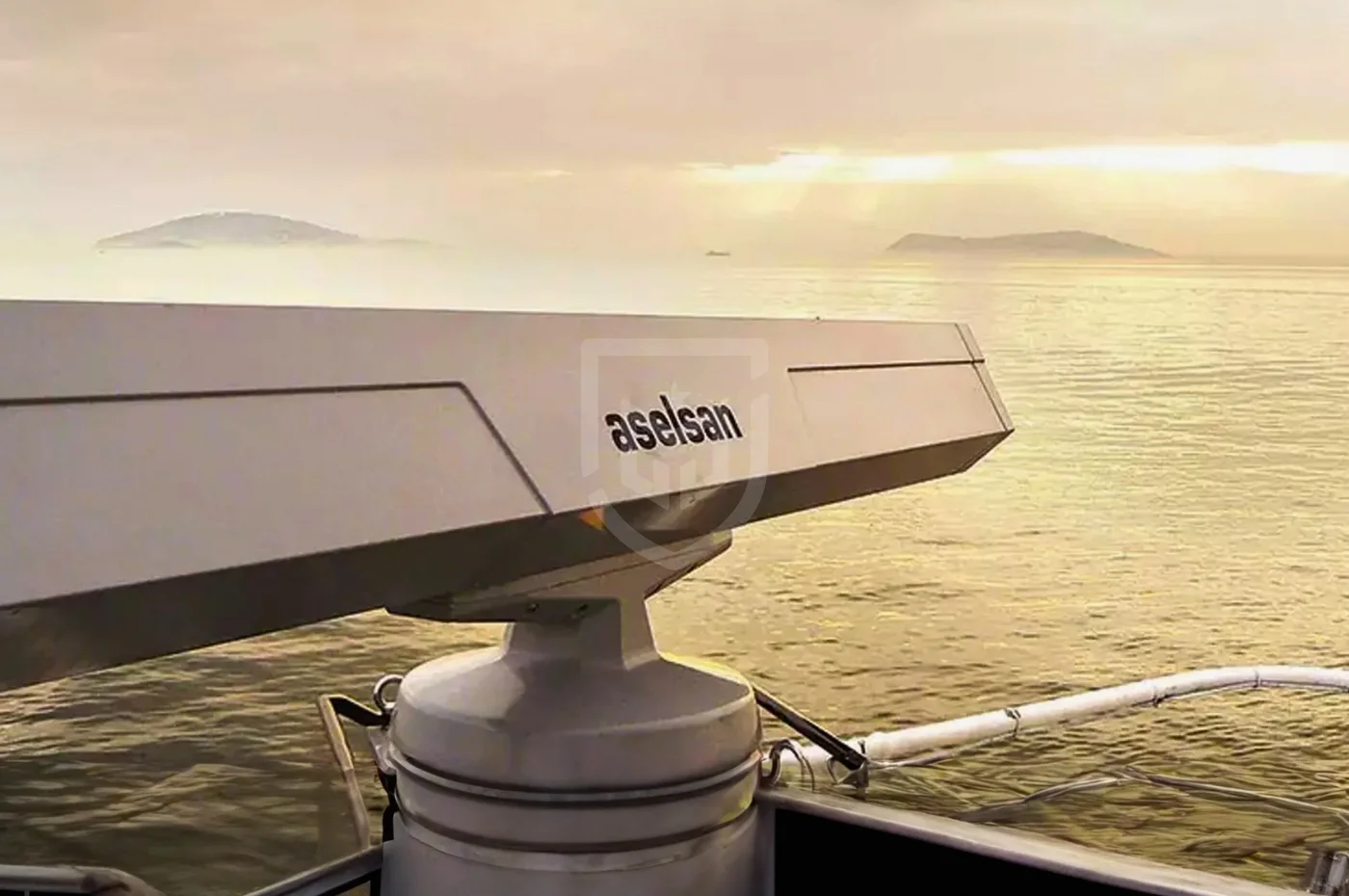
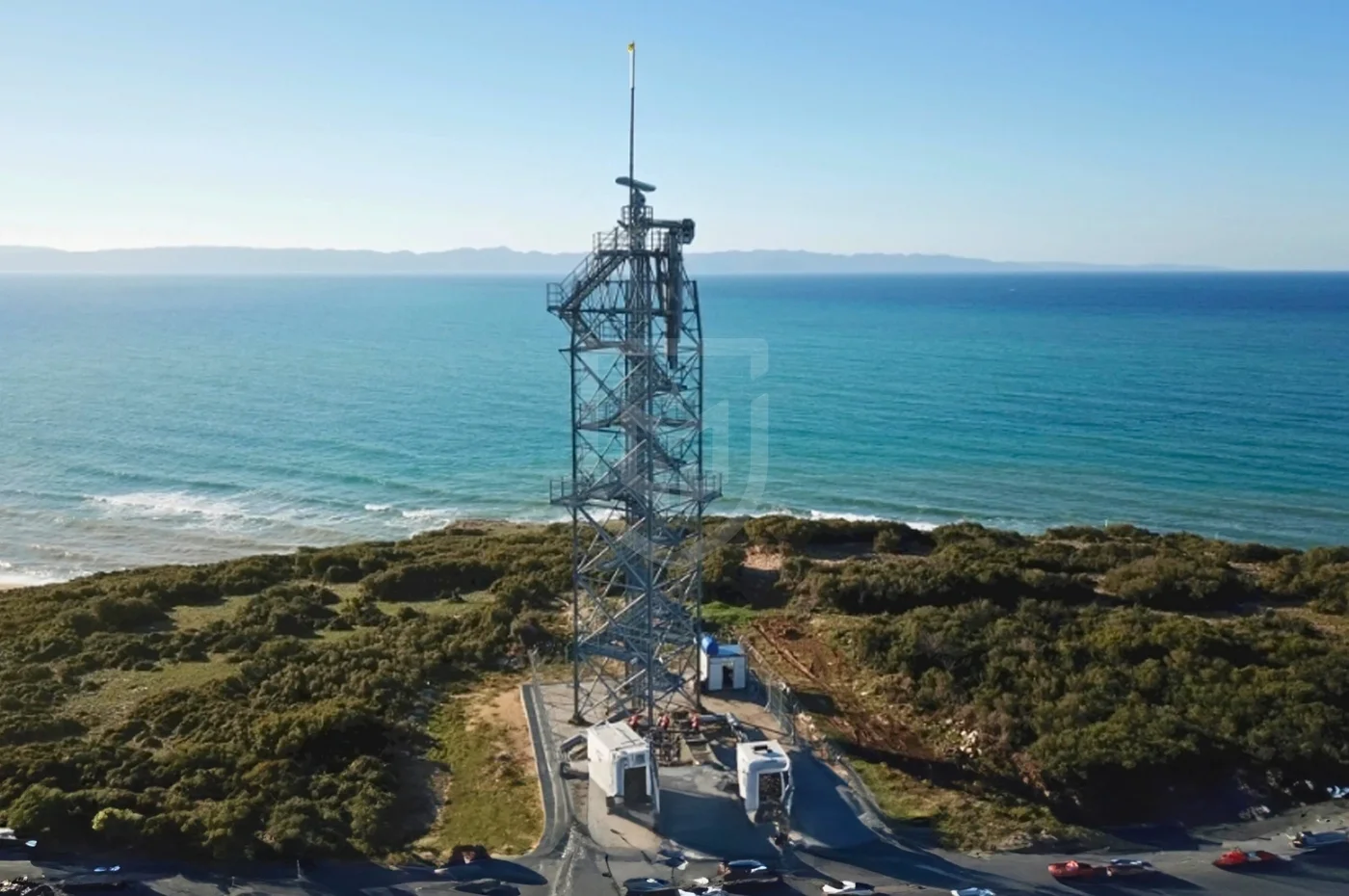
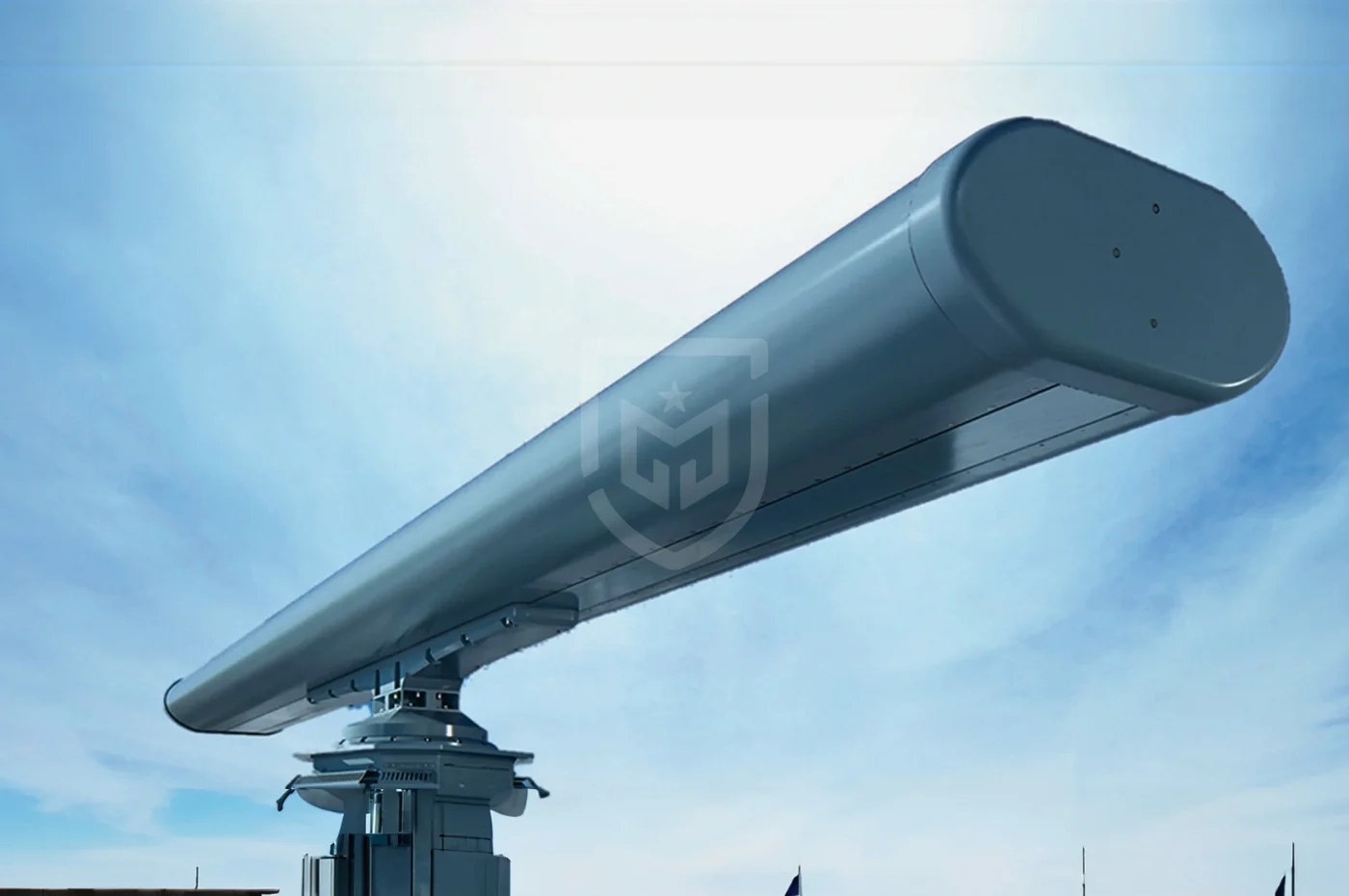
The ALPER Naval LPI Radar is engineered primarily for surface warfare (ASuW), littoral operations, and close-range maritime domain awareness. Its core mission is the detection and tracking of small surface contacts, asymmetric maritime threats, and low-altitude airborne targets in complex sea environments.
Operational Purpose and Role
Modern naval operations increasingly occur in congested littoral waters where small, fast-moving threats and low-observable targets pose significant risks. ALPER is optimized to address these challenges by providing:
Its LPI characteristic enhances survivability in electronic warfare-heavy environments.
Doctrine and Concept of Use
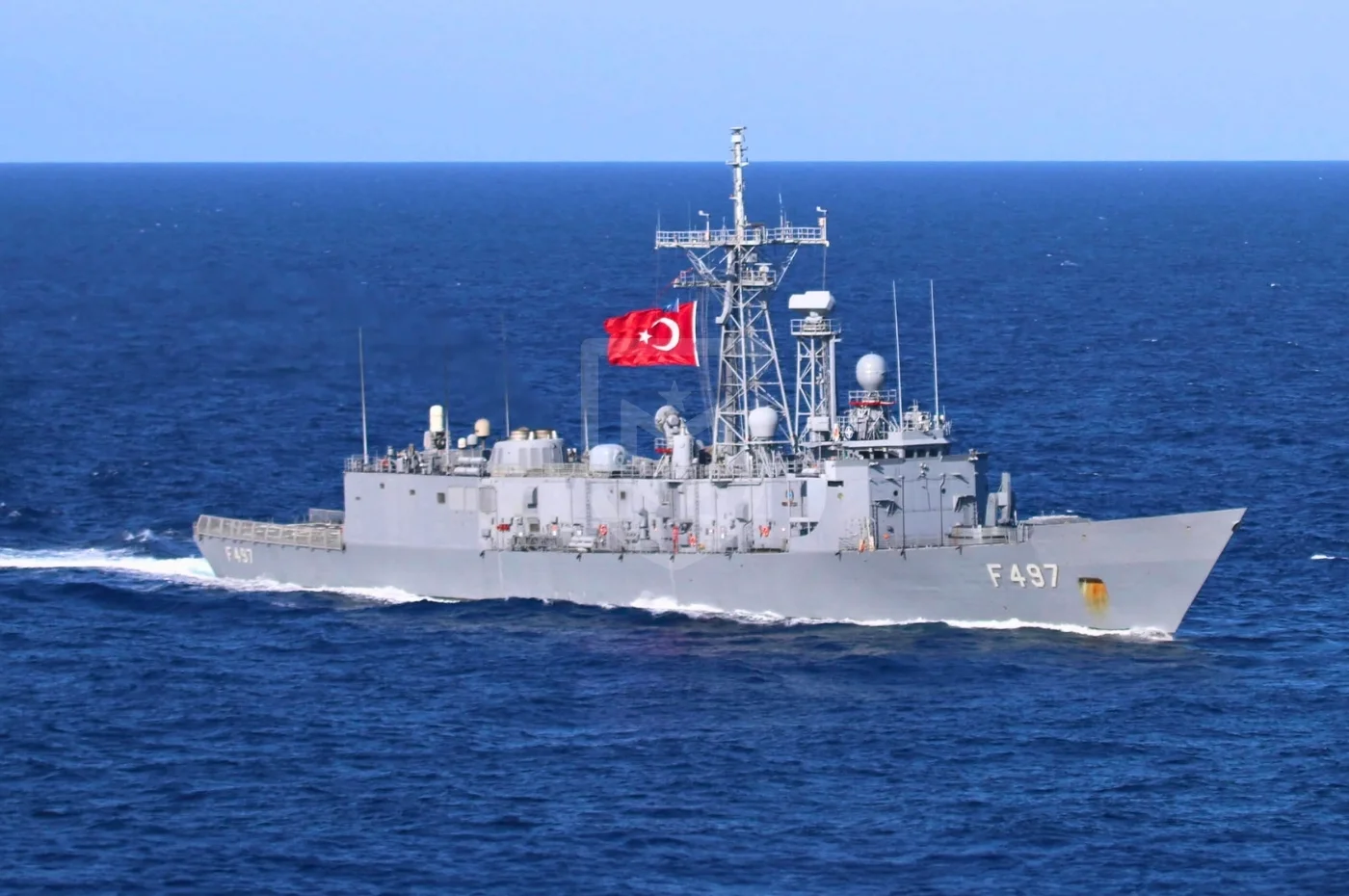
ALPER is typically integrated on:
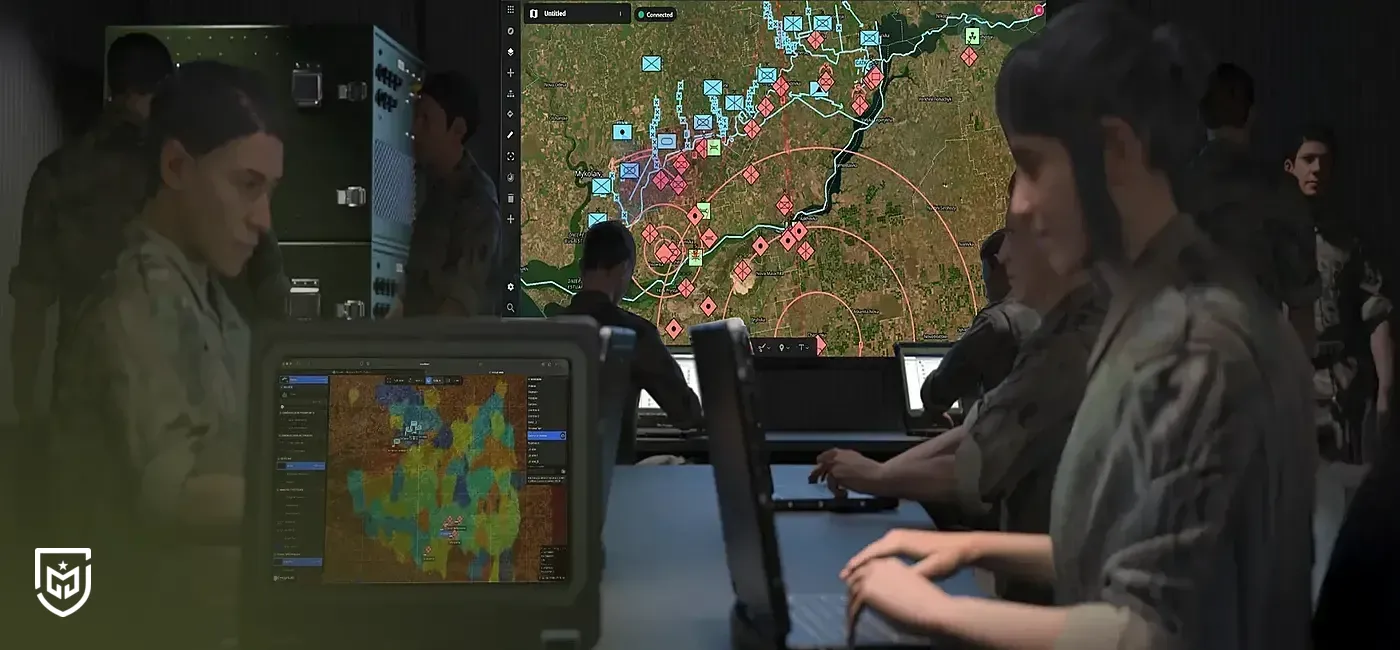
Within the ship’s sensor suite, it contributes to the overall tactical picture and feeds data to the combat management system (CMS). The sector blanking feature allows selective emission control in specific azimuth sectors, reducing electromagnetic exposure toward known enemy ESM directions. Alarm sector definition enables rapid operator response to threats emerging from predefined bearings.
System Architecture
The ALPER radar system consists of:
Operating in X-Band with an FMCW (Frequency Modulated Continuous Wave) waveform, the radar continuously transmits low-power signals, enabling precise range and velocity measurement.
Compared to conventional pulse radars, FMCW technology provides:
Survivability and Electronic Warfare Resilience
The radar’s transmission power is less than 1 watt, significantly reducing detectability by hostile electronic support measures (ESM). This contributes to:
Compliance with MIL-STD-810F and MIL-STD-461E ensures environmental robustness and electromagnetic compatibility under harsh maritime conditions.
Advantages Against Modern Threats
As an X-Band tactical surveillance radar, its role is optimized for short-to-medium range detection rather than long-range area air defense.
Detailed Technical Specifications
Frequency and Waveform
Electrical Characteristics
Environmental Specifications
Detection and Tracking Capability
Exact detection range and simultaneous tracking capacity are not publicly disclosed. However, the system is designed for high-resolution detection of surface and low-altitude targets in maritime environments.
Engagement and Fire Control
Command, Control and Integration
Logistics and Operation
Crew size requirements are not publicly specified and depend on the hosting platform’s operational concept.
Frequently Asked Questions
What is the ALPER radar used for?
What is the detection range of ALPER?
What does LPI mean in radar systems?
Is ALPER mobile or fixed?
What types of threats can it detect?
How does it differ from conventional pulse radars?
Sources




The cookies used on our website are used to provide you with a better user experience and to improve our website. You can manage your cookie preferences from the options below.