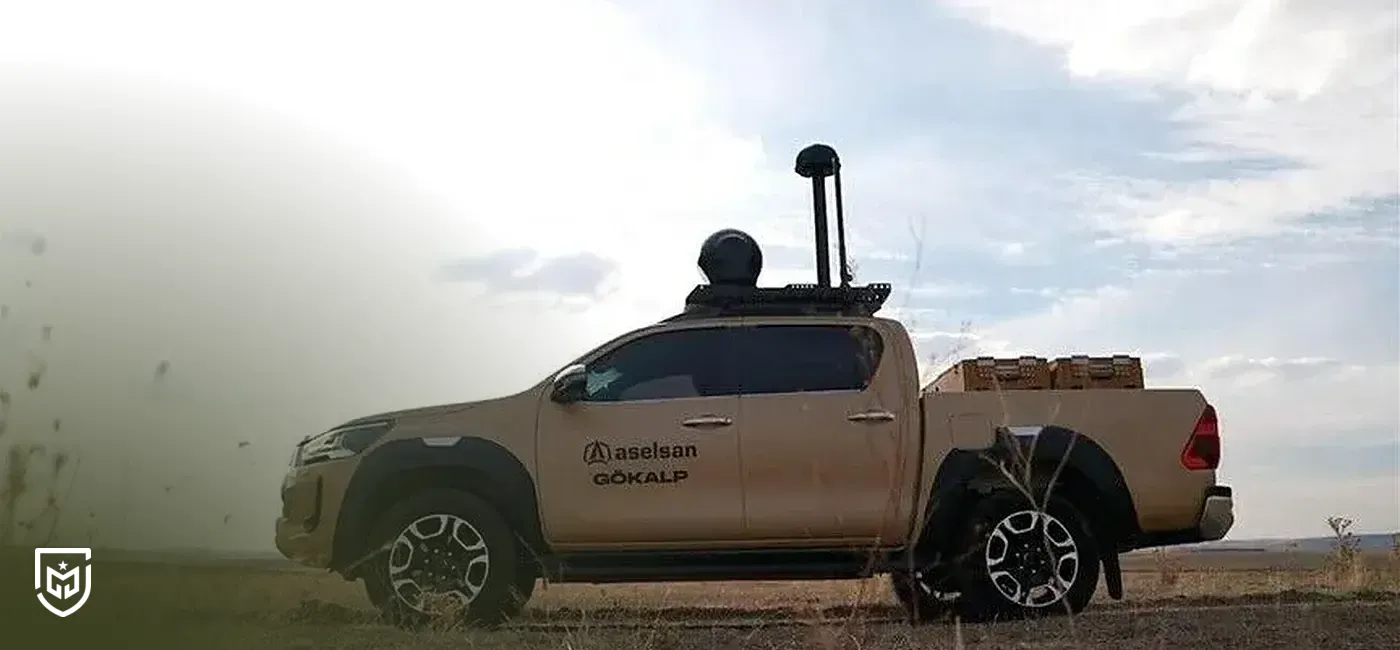
Operational Purpose and Role
KORAL is designed to suppress and degrade enemy radar systems, particularly those forming part of integrated air defense networks. Its primary mission is to:
- Support SEAD (Suppression of Enemy Air Defenses) operations
- Degrade early warning and fire-control radars
- Create electronic corridors for friendly air assets
- Provide stand-off electronic attack capability from land
By neutralizing hostile radar coverage, KORAL increases survivability for aircraft, UAVs, and strike packages operating in contested airspace.
Doctrine and Concept of Employment
Although land-based, KORAL operates as an integral component of joint air-land operations. It is typically deployed:
- Near forward operational zones
- Behind friendly lines but within effective electronic range
- In coordination with air force command and control structures
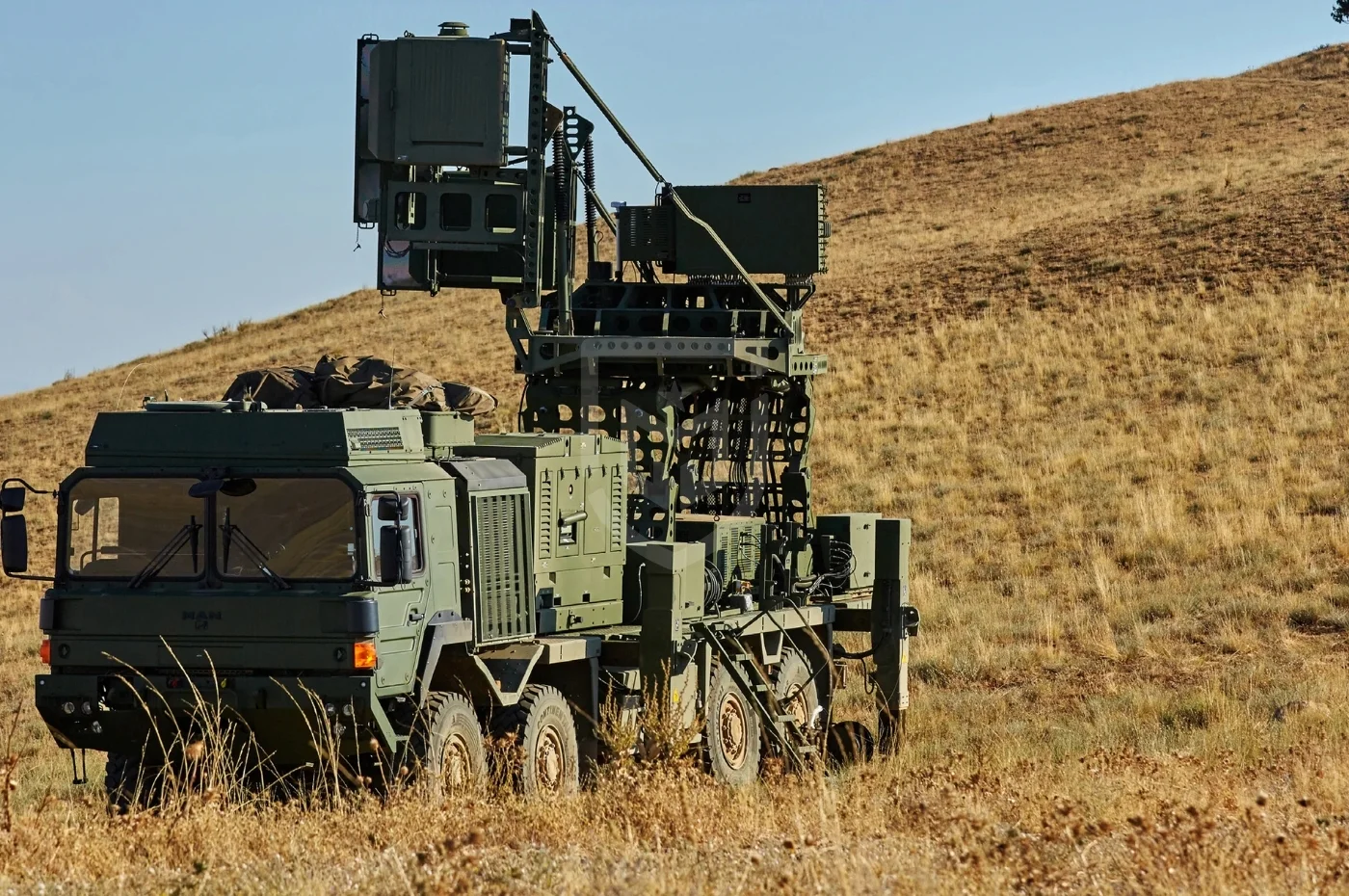
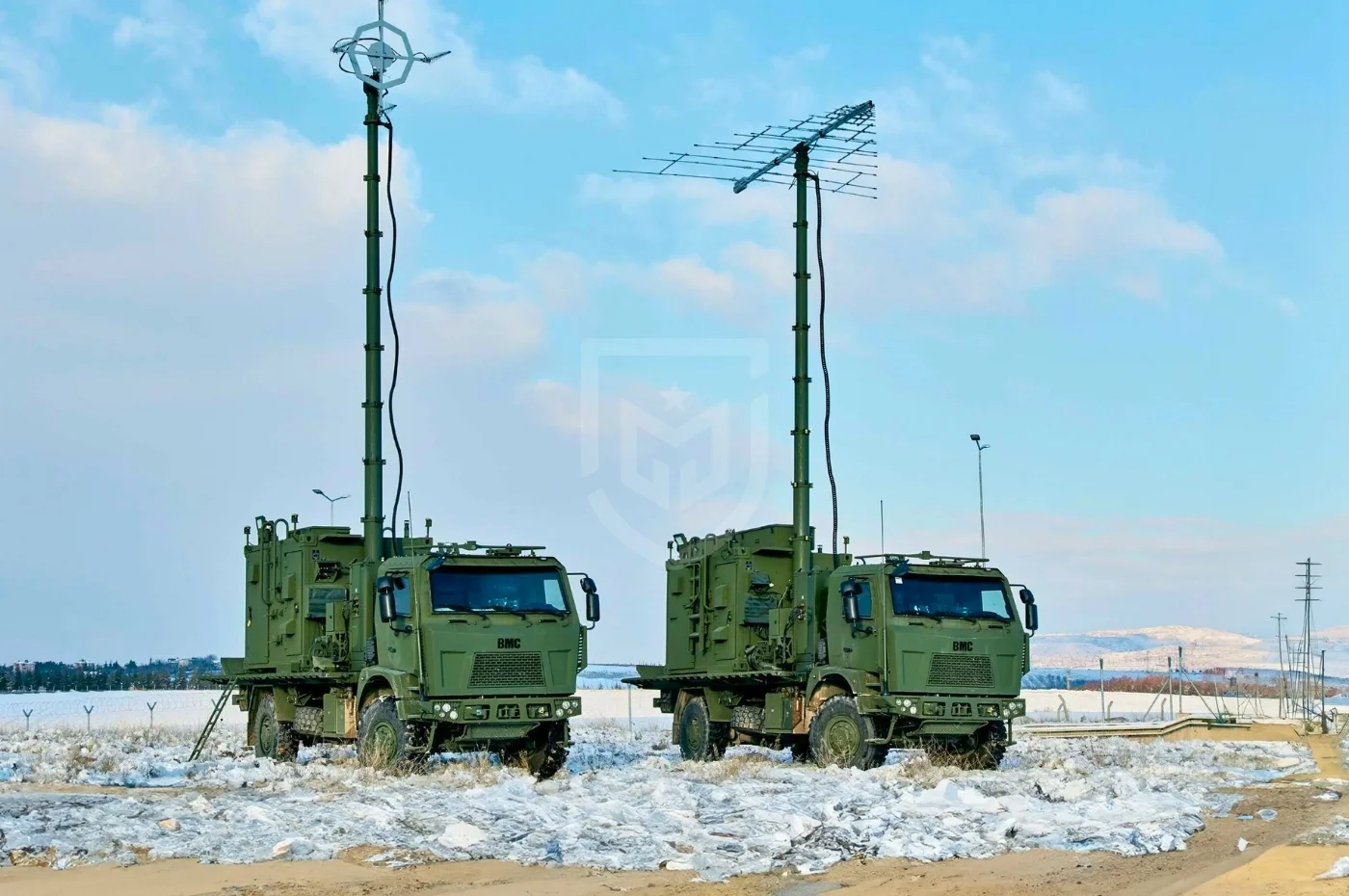
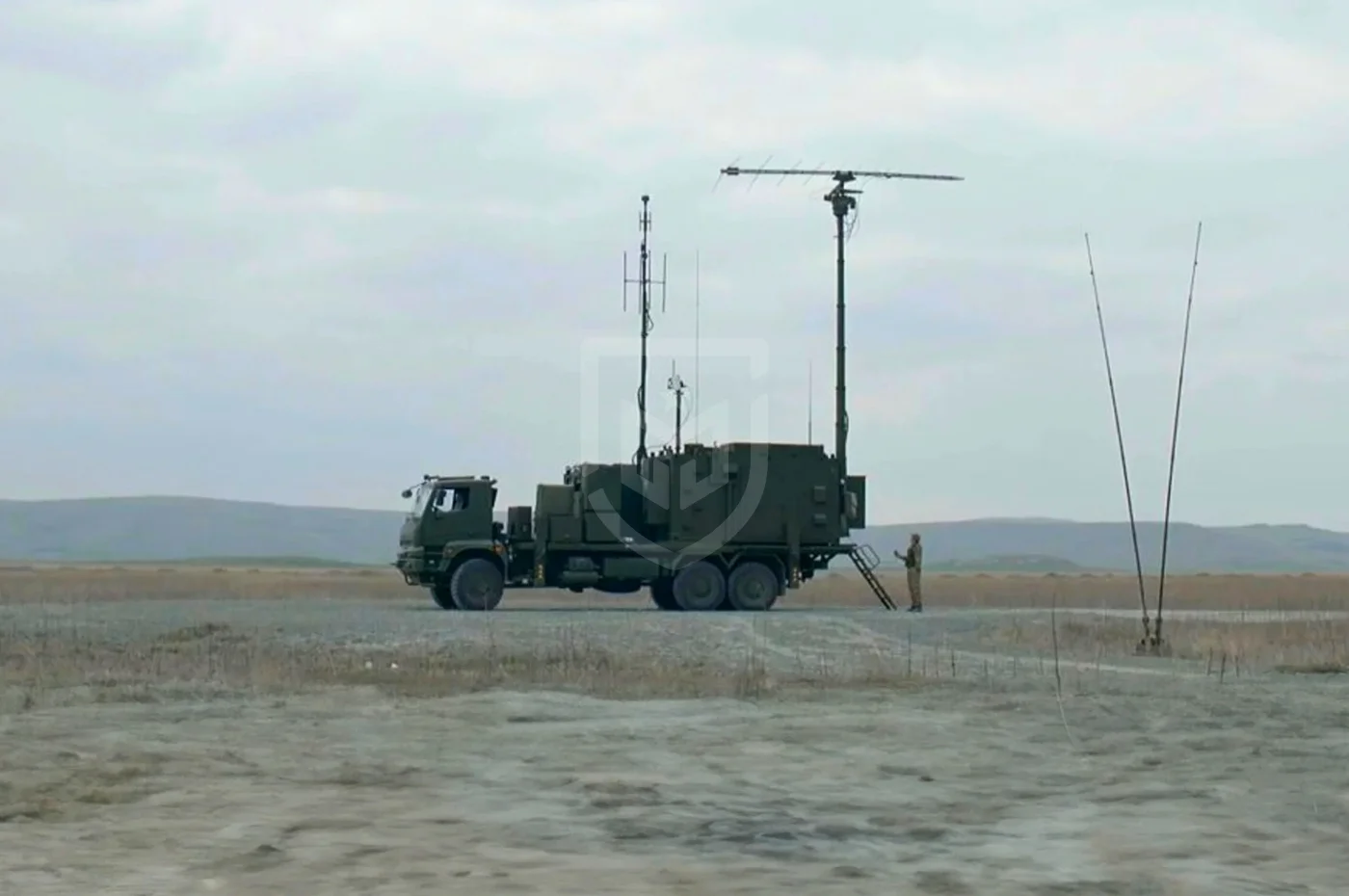
The Electronic Support (ES) vehicle detects and analyzes radar emissions, measures signal parameters, and identifies threat types. This data is transferred via fiber optic link (up to 500 meters between vehicles) to the Electronic Attack (EA) unit, which applies appropriate jamming or deception techniques.
The system supports rapid displacement tactics, operating under a shoot-and-scoot concept to reduce vulnerability.
System Architecture
KORAL typically consists of:
- One Electronic Support (ES) vehicle
- One or more Electronic Attack (EA) vehicles
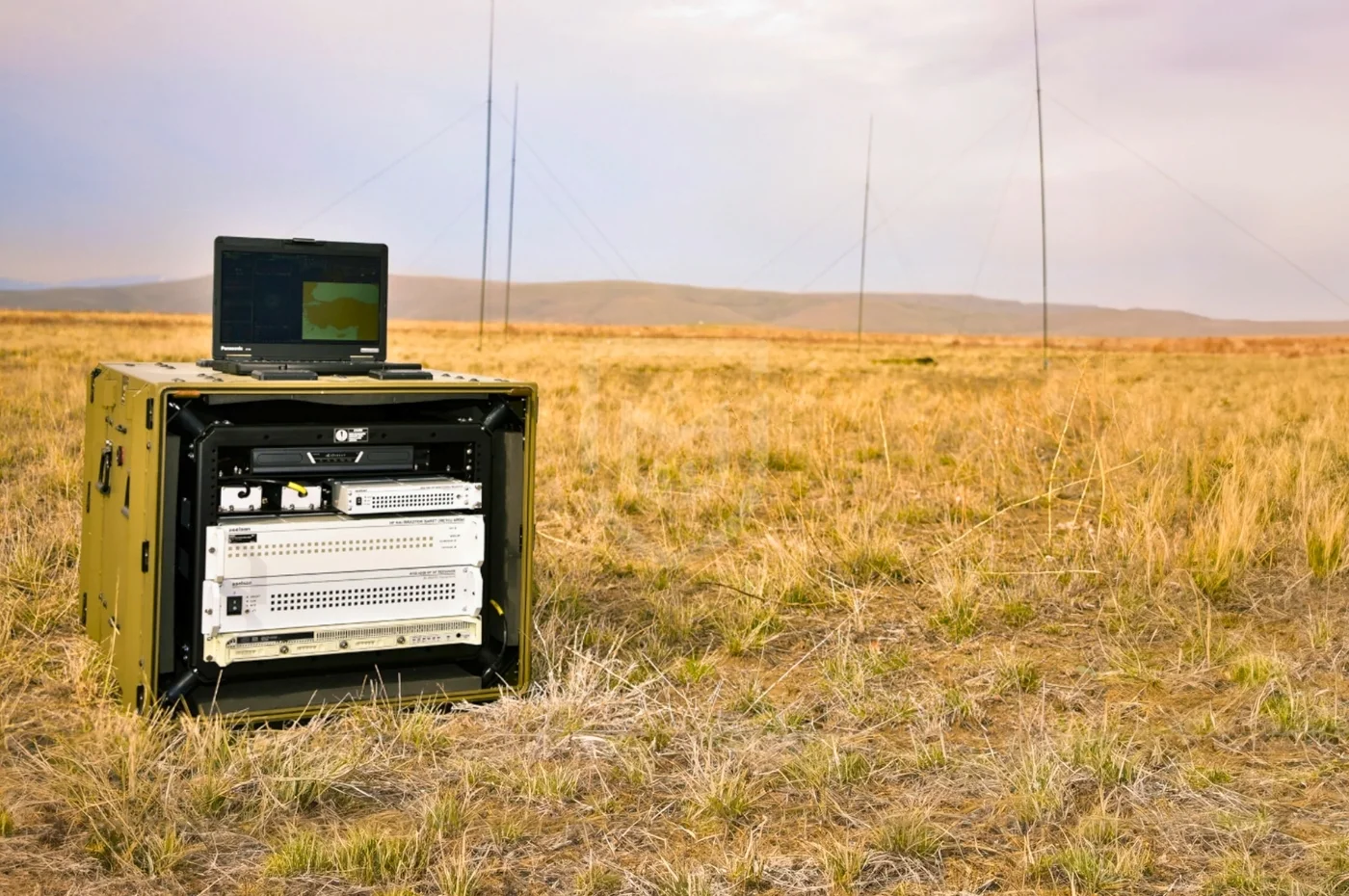
- Command and control subsystem
- High-speed fiber optic interconnection
This distributed architecture enhances electromagnetic survivability and operational flexibility.
Survivability and Protection Approach
Survivability is based primarily on:
- Mobility
- Rapid deployment and redeployment
- Wideband frequency coverage
- High directional antenna gain
- Accurate signal parameter measurement
The system’s ability to operate from extended stand-off ranges improves its resistance to counter-battery or kinetic targeting.
Engagement Process and Reaction
Publicly available information indicates:
- Effective range: 100+ km
- High system reaction speed
- Wide frequency coverage
- High-accuracy direction finding
Specific output power, simultaneous target capacity, and exact frequency bands are not publicly disclosed.
Integrated Ecosystem
KORAL operates within Turkey’s network-centric warfare framework and can support:
- Air Force strike missions
- UAV and UCAV operations
- Ground force maneuver elements
- National command and control networks
Detailed interface standards and data link specifications are not publicly available.
Advantages Against Modern Threats
- Effective against modern pulse-Doppler radars
- Capable of countering advanced fire-control systems
- Modular and upgradeable architecture
- Suitable for high-intensity electromagnetic environments
Limitations
- Terrain masking may reduce effective range
- Vulnerable to kinetic targeting if detected
- Limited effect against non-emitting passive systems
Operational Use
KORAL has reportedly been deployed in border regions and operational theaters such as Syria. Specific operational performance data remains classified.
Detailed Technical Specifications
Dimensions and Weight
Exact system dimensions and weight are not publicly disclosed. The system is mounted on heavy tactical wheeled platforms.
Power System
- Onboard power generation units
- Exact transmission power levels are not publicly available
Performance
- Effective jamming range: 100+ km (public statements)
- Inter-vehicle fiber optic link: up to 500 m
- Operating temperature: -30°C to +50°C
- Humidity tolerance: up to 95%
- Compliance: MIL-STD-810F (environmental)
- EMC/EMI: MIL-STD-461 / MIL-STD-464
Sensors and Detection (ES Unit)
- Wideband radar signal detection
- Parameter measurement: frequency, PRI/PRF, pulse width, etc.
- High-accuracy direction finding
Exact frequency spectrum coverage is not publicly disclosed.
Electronic Attack (EA Unit)
- Noise jamming
- Deception techniques
- Likely DRFM-based advanced electronic attack methods (specifics not publicly detailed)
Command and Control
- Operator-controlled threat evaluation
- Integrated threat library
- Battlefield integration capability
Detailed network standards are not publicly available.
Mobility and Deployment
- Tactical wheeled vehicle platform
- Rapid setup and teardown capability
- Shoot-and-scoot operational concept
Deployment time figures are not publicly disclosed.
Frequently Asked Questions
What is KORAL used for?
- KORAL is used to detect and jam enemy radar systems, primarily in support of air operations and SEAD missions.
What is the range of KORAL?
- Public sources indicate an effective range exceeding 100 kilometers, depending on threat radar characteristics and terrain.
What types of radars can it counter?
- It is designed to counter early warning radars, fire-control radars, and air defense tracking systems. Detailed frequency coverage is not publicly available.
Is KORAL mobile?
- Yes. It is fully mobile and mounted on wheeled tactical vehicles.
How many targets can it engage simultaneously?
- This information is not publicly disclosed.
What are comparable systems?
- Comparable land-based electronic warfare systems include Russian ground EW systems developed under Concern Radio-Electronic Technologies and various U.S. Army ground electronic attack platforms, though direct technical comparisons require classified data.
Sources
- ASELSAN official product documentation
- Public briefings by Savunma Sanayii Başkanlığı
- ASELSAN annual reports
- International defense exhibition materials
- Open-source defense analysis publications