


Electronic Warfare Test Infrastructure


BREAKING NEWS
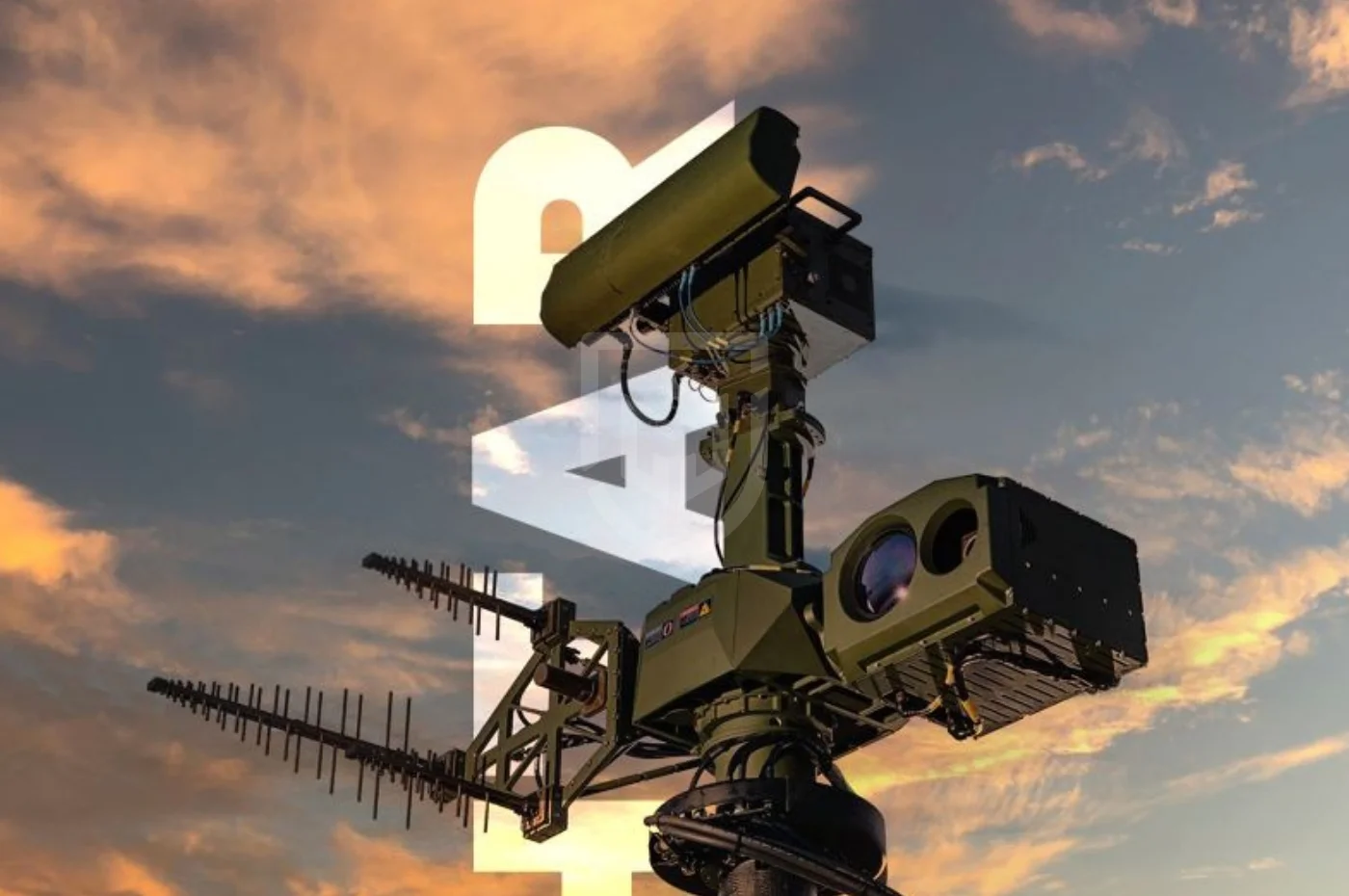
MILMAST telescopic mast systems are engineered to address the increasing need for elevated sensor positioning in modern operational environments. In contemporary warfare, sensor height directly influences radar horizon, detection range, communication coverage, and overall battlefield awareness. Therefore, mast systems are not merely mechanical lifting devices but force multipliers that significantly enhance platform capability.
Operational Purpose and Role
The primary mission of MILMAST systems is to elevate sensors and effectors to improve:
In mobile air defense units, border surveillance systems, and naval platforms, mast height directly affects mission success and survivability.
Doctrine and Concept of Use
On land platforms, MILMAST systems are typically integrated into:
On naval platforms, applications include:
Operational deployment often involves dynamic and unstable environments. Sloped terrain, asymmetric load distribution, and sea-induced motion introduce complex structural stresses. MILMAST addresses these through advanced structural analysis, vibration optimization, and load distribution engineering.
Platform Architecture
MILMAST systems consist of three core subsystems:
The use of long-fiber composite materials provides high strength-to-weight ratio, corrosion resistance, and reduced inertia. Structural optimization focuses on preventing buckling, torsional deformation, and vibration-induced instability.
Survivability and Environmental Resistance
Designed in accordance with military environmental standards, MILMAST systems are engineered to withstand:
In naval environments, corrosion resistance is critical, while land systems require high tolerance against dust, vibration, and mechanical shock.
The patented locking system ensures:
Precision and Reaction Characteristics
Key operational parameters for telescopic mast systems include:
Publicly disclosed numerical performance data are limited. However, MILMAST systems are described as offering high-precision positioning and controlled motion profiles. The proprietary control algorithm dynamically adjusts motor torque and locking pressure based on real-time load distribution.
Integrated Ecosystem and Network-Centric Role
MILMAST masts can be integrated with:
Within a network-centric warfare architecture, sensor elevation enhances data quality, detection range, and electromagnetic coverage.
Advantages Against Modern Threats
Potential limitations are generally associated with platform load capacity and extreme wind restrictions. Specific operational limits are not publicly disclosed.
Detailed Technical Information
Structural Design
Drive System
Locking Mechanism
Performance Parameters
Control and Software
Logistics and Maintenance
Detailed personnel requirements and maintenance intervals are not publicly available.
Frequently Asked Questions
What is MILMAST used for?
How high can it extend?
Is it mobile or fixed?
What systems can it carry?
Is it compliant with military standards?
What differentiates it from competitors?
Sources




The cookies used on our website are used to provide you with a better user experience and to improve our website. You can manage your cookie preferences from the options below.