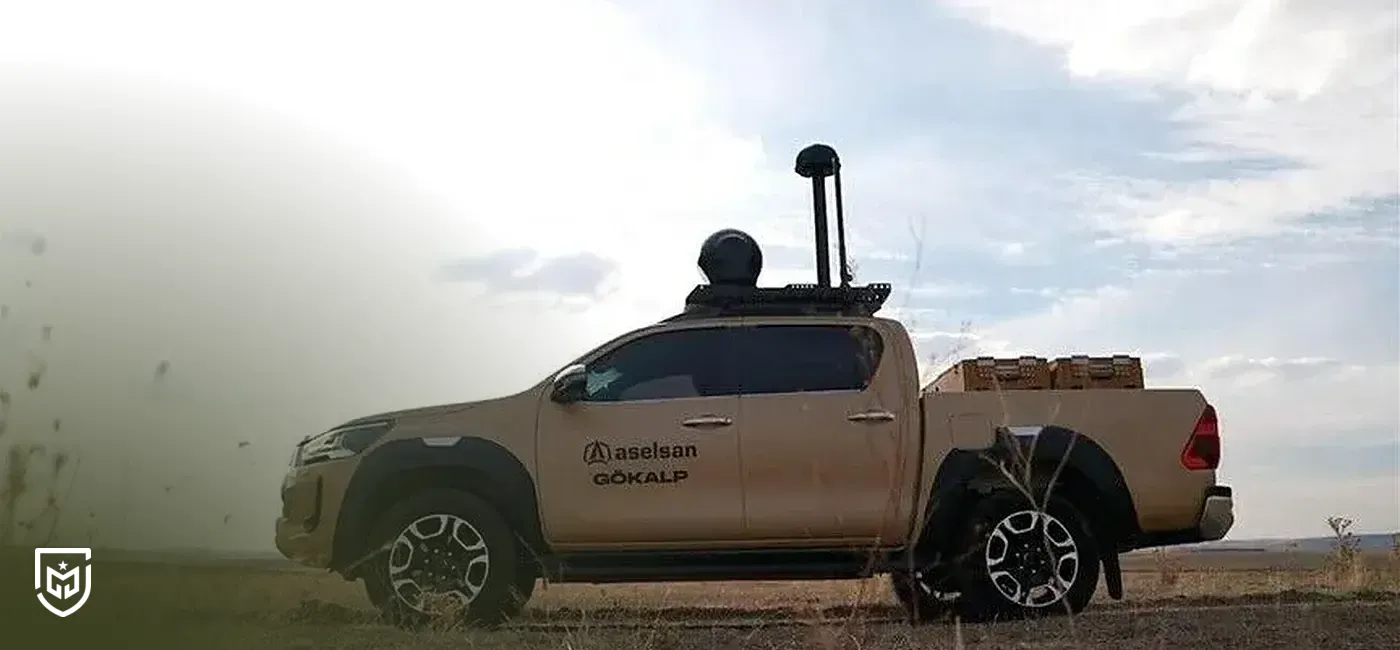
Land Electronic Warfare


BREAKING NEWS
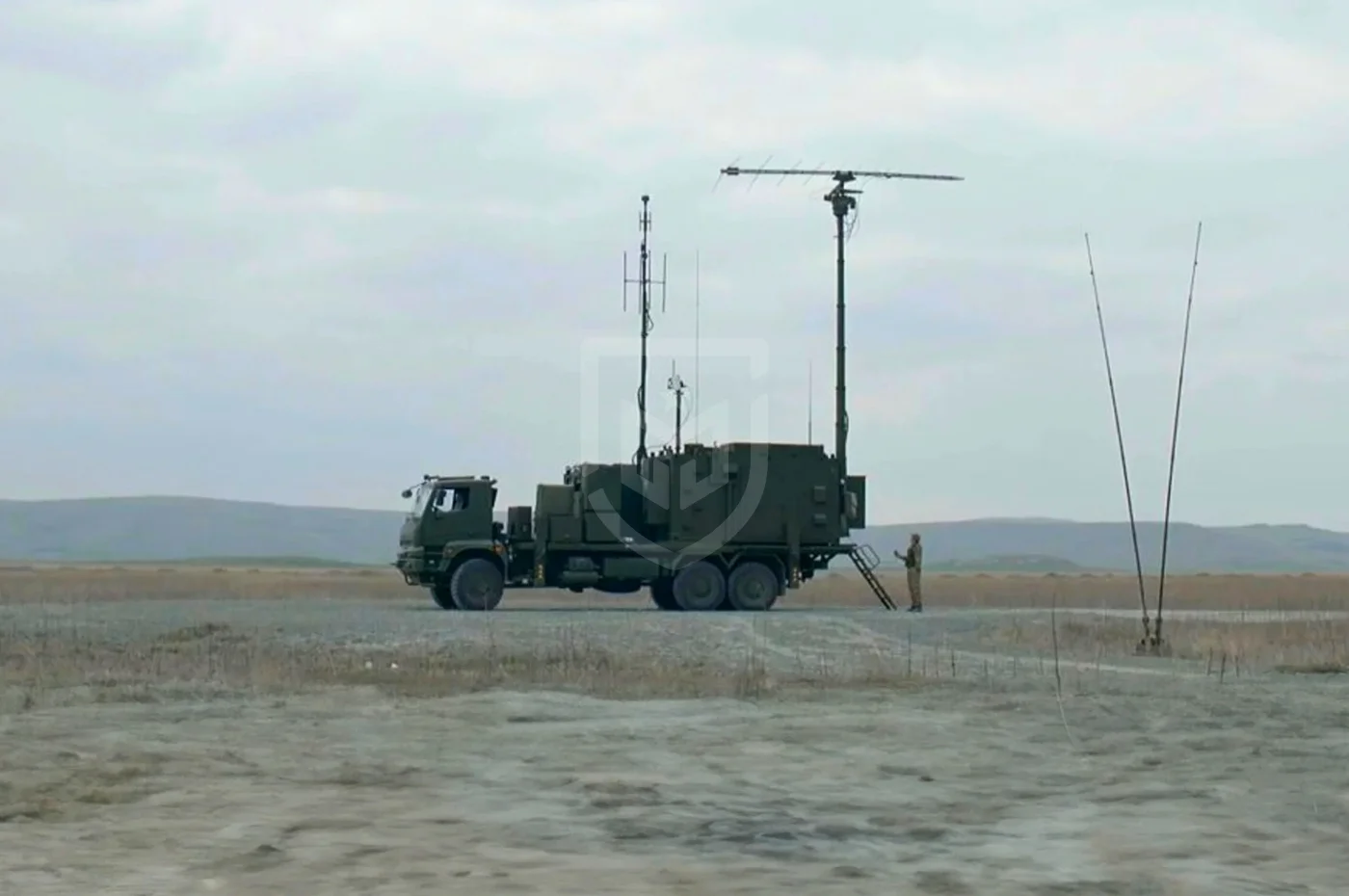
Operational Purpose and Role
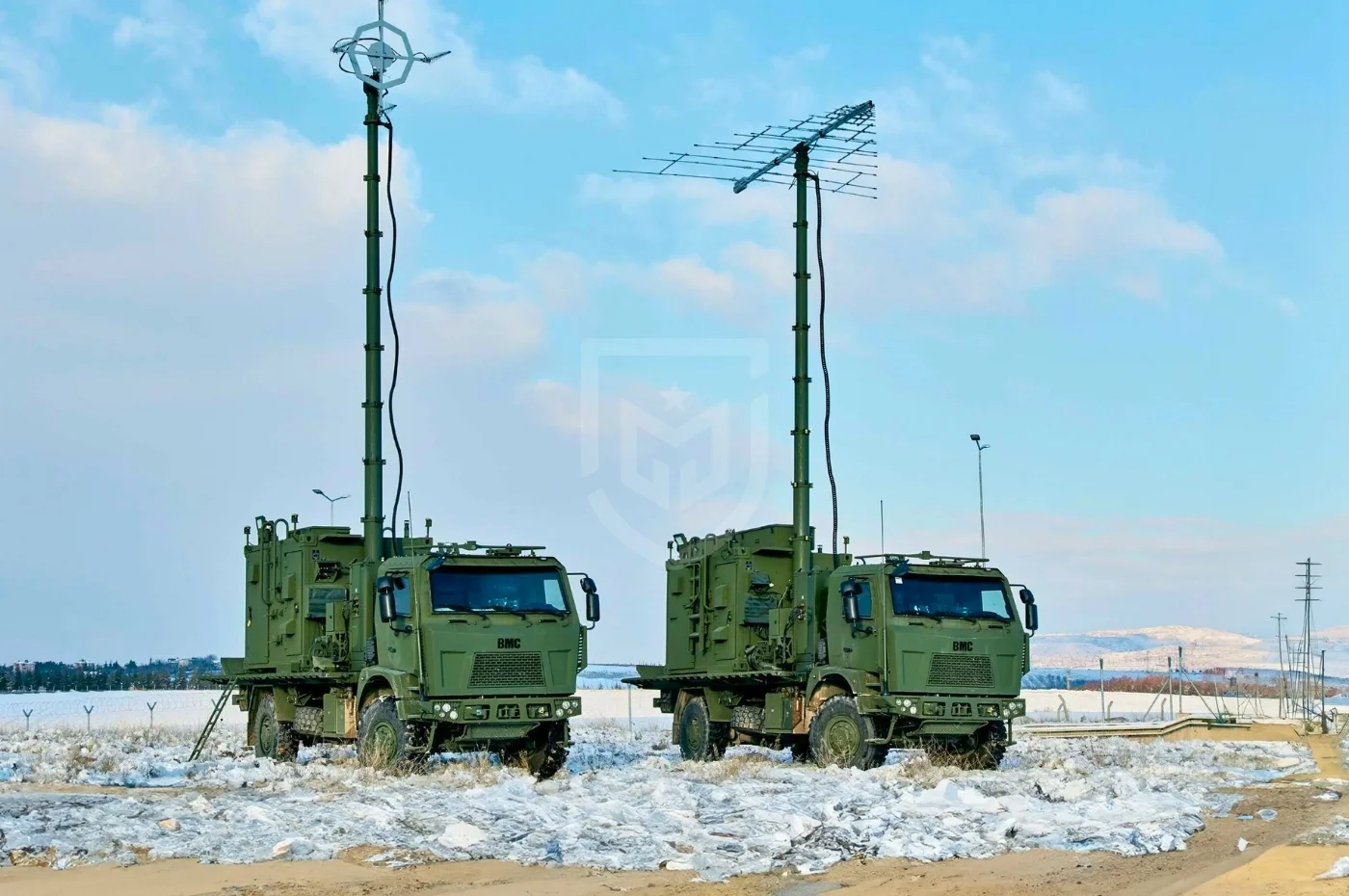
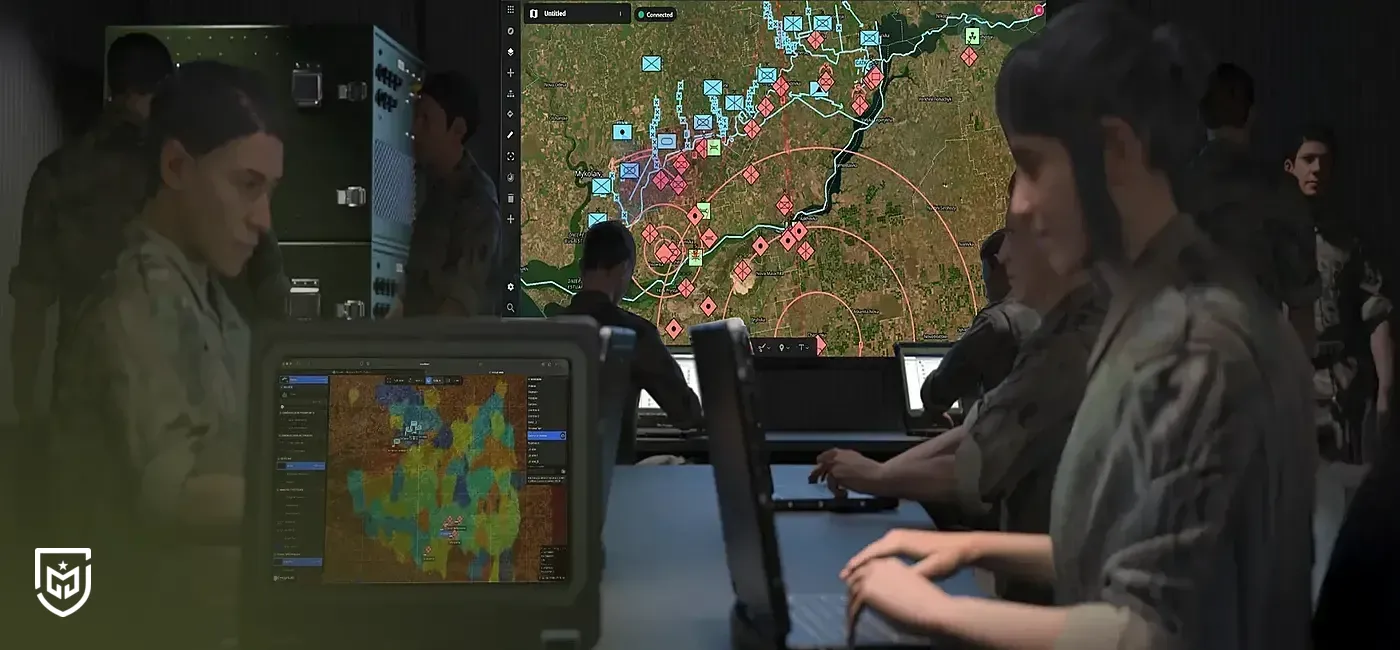
Modern warfare is increasingly defined by dominance in the electromagnetic spectrum. Radar control, electronic support (ES), electronic attack (EA), and communications denial operations are decisive factors in operational success. RAKAS and MUKAS are designed to train operators in these mission areas without the operational cost, risk, or logistical burden of deploying real combat systems.
RAKAS supports:
MUKAS focuses specifically on land-based communications electronic warfare, preparing operators for tactical-level spectrum control and communications denial missions.
Doctrine and Concept of Employment
In contemporary doctrine, spectrum superiority is directly linked to maneuver force survivability and battlefield awareness.
MUKAS supports the following tactical concepts:
RAKAS expands this framework by incorporating:
System Architecture
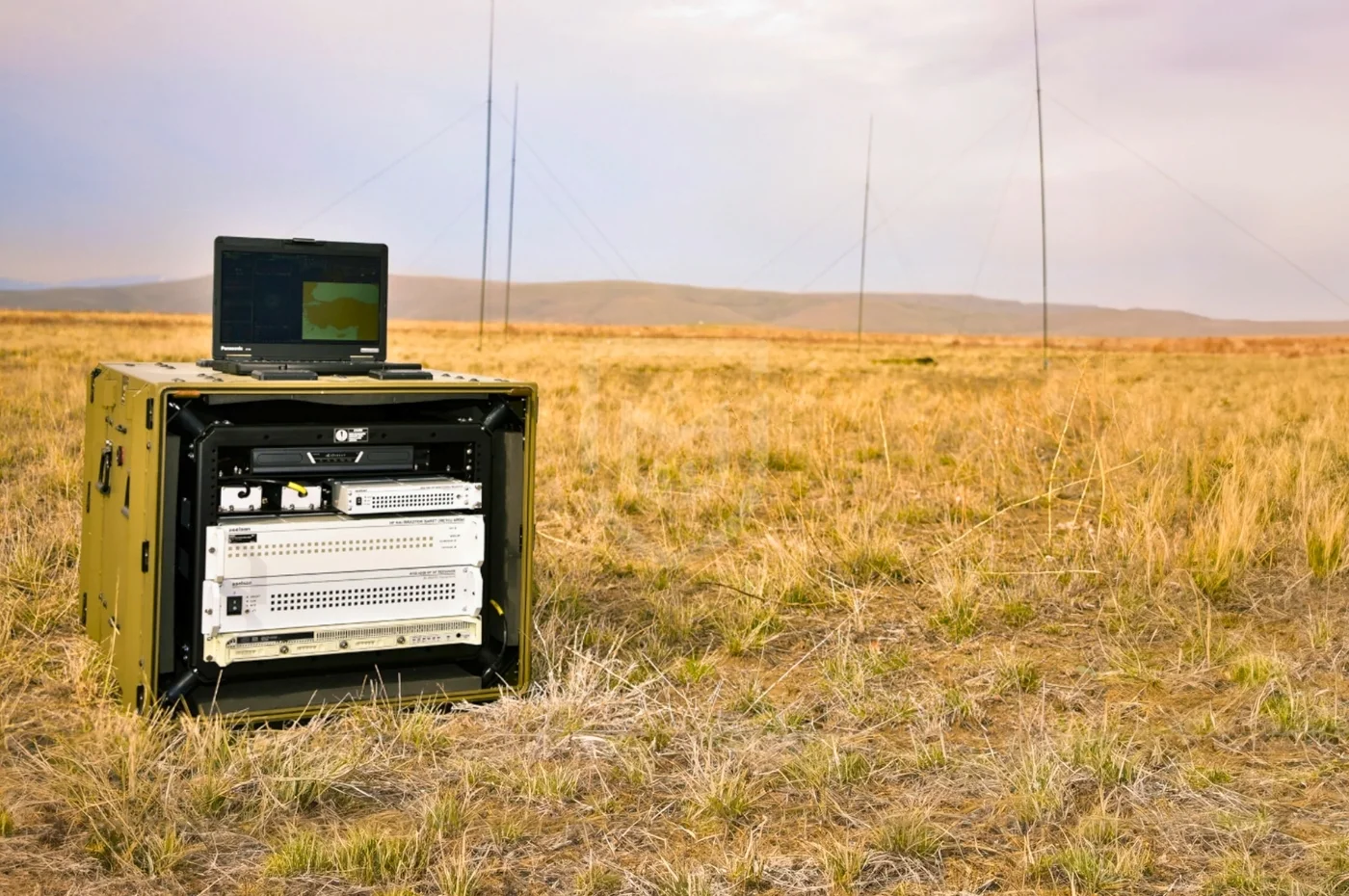
Both RAKAS and MUKAS are built on modular simulation architectures composed of:
MUKAS consists of three primary subsystems:
MEDSİS – Communications Electronic Support Simulator
METSİM – Communications Electronic Attack Simulator
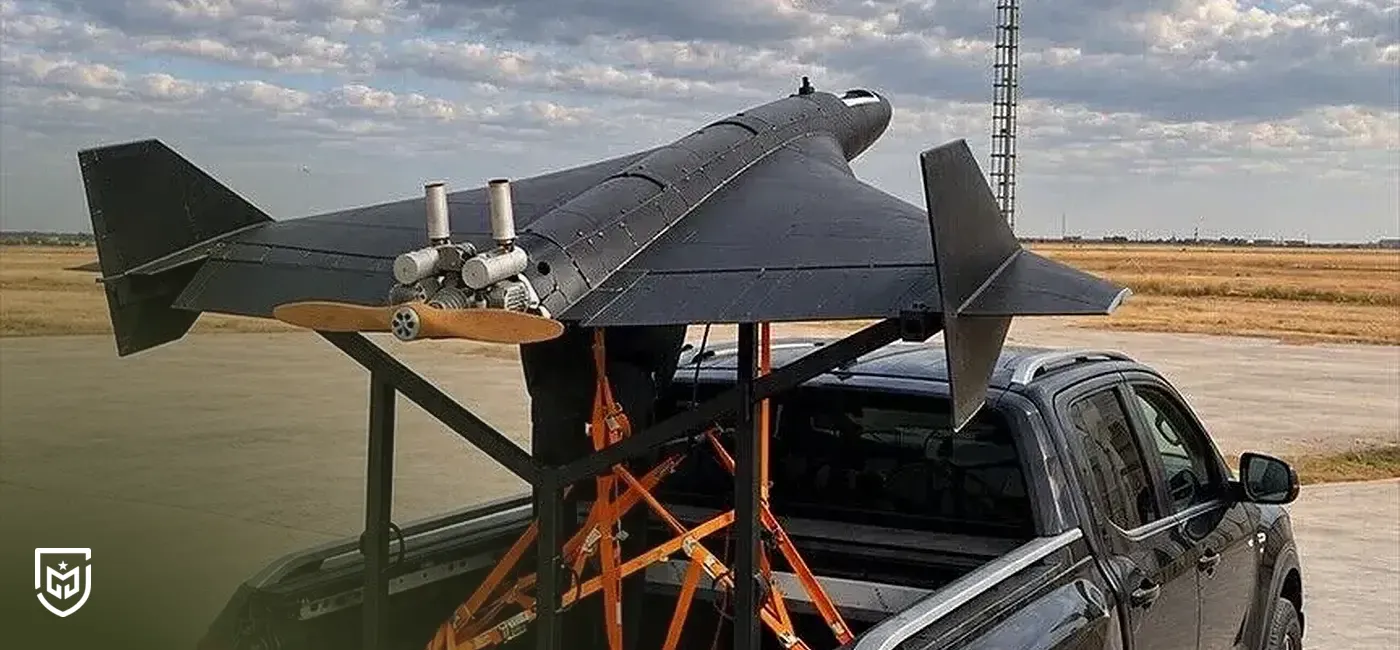
OPKAR – Unmanned Jammer Simulator
This modular design enables:
Training Realism and Survivability Concept
Since these systems are simulation platforms rather than combat assets, survivability focuses on operational decision-making under stress conditions.
Training environments may include:
Performance metrics such as detection latency, classification accuracy, and jamming response time are measured and analyzed.
Reaction Time and Engagement Process
Within the simulation environment, operator reaction timelines are monitored, including:
These metrics support objective qualification and performance evaluation.
Ecosystem and Integration
The operator consoles are designed to replicate real-world system interfaces used in operational units. This reduces transition time from training to field deployment.
Publicly available information regarding prime contractor identity and detailed integration architecture is limited. However, the system is understood to have been developed within Türkiye’s national defense industry ecosystem.
Advantages Against Modern Threats
Limitations:
Technical Specifications
Dimensions and Weight
Not publicly disclosed. System is assumed to be deployed in fixed or semi-fixed training facilities.
Power System
Powered through standard electrical infrastructure. RF output characteristics are not publicly available.
Performance Parameters
Sensors and Detection Simulation
Primarily simulation-based RF modeling. Hardware-in-the-loop capability not publicly confirmed.
Target Detection and Tracking
Provides signal detection, analysis, and classification training within simulated communications and radar environments.
Engagement and Jamming Types
METSİM and OPKAR simulate:
Command and Control
Includes performance evaluation and mission replay capability. Network-enabled multi-user training possible.
Electronic Counter-Countermeasure Training
Supports adaptive threat modeling to improve operator resilience against hostile EW environments.
Personnel Requirements
Exact staffing levels are not publicly available. Designed for operator + instructor training configuration.
Frequently Asked Questions
What is RAKAS used for?
What is MUKAS designed for?
What does MEDSİS simulate?
What is the function of METSİM?
What is OPKAR?
Is the system mobile?
Does it generate real RF emissions?
What are its international equivalents?
Sources



The cookies used on our website are used to provide you with a better user experience and to improve our website. You can manage your cookie preferences from the options below.