High-Tech Weapons


BREAKING NEWS
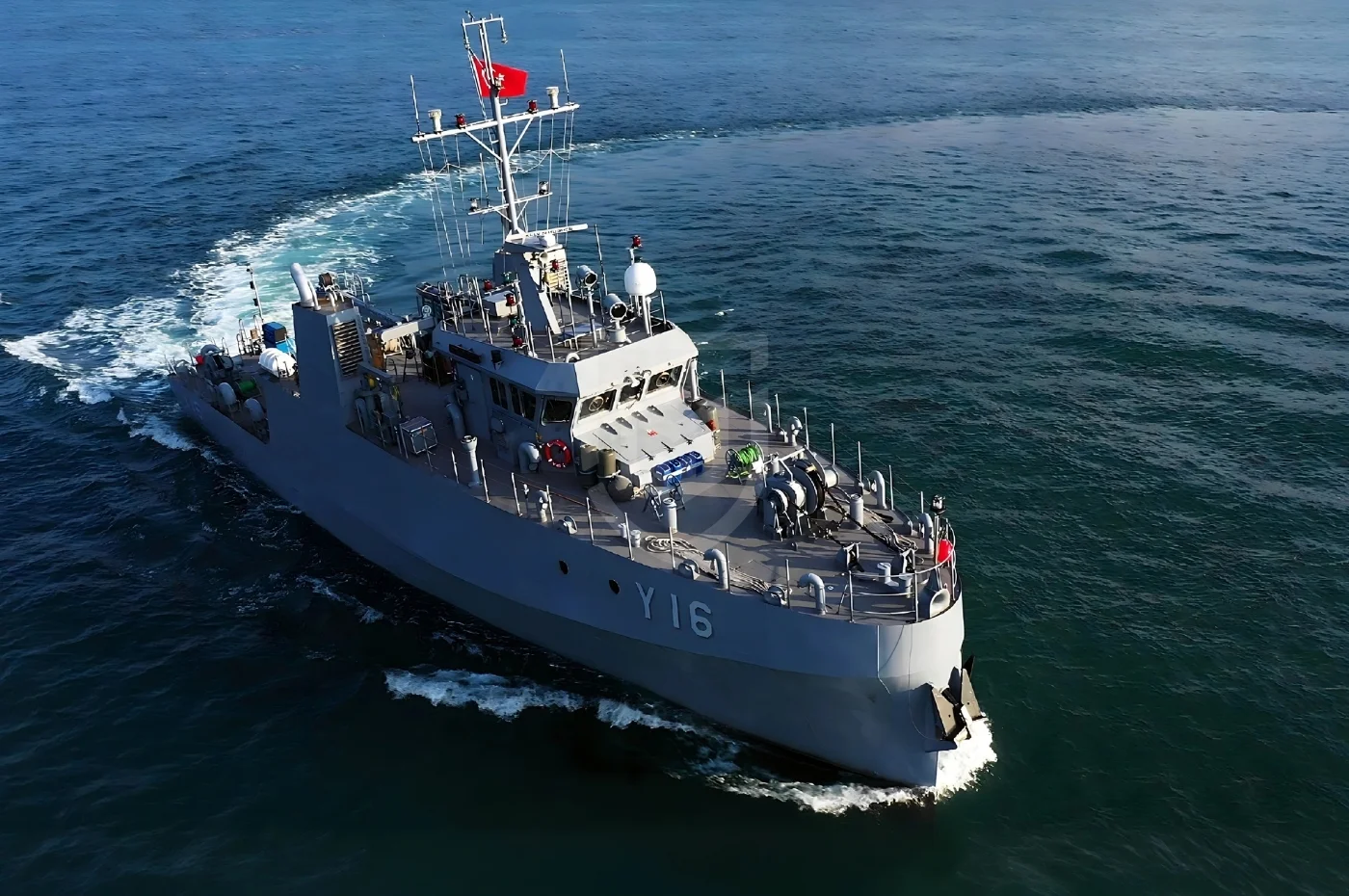
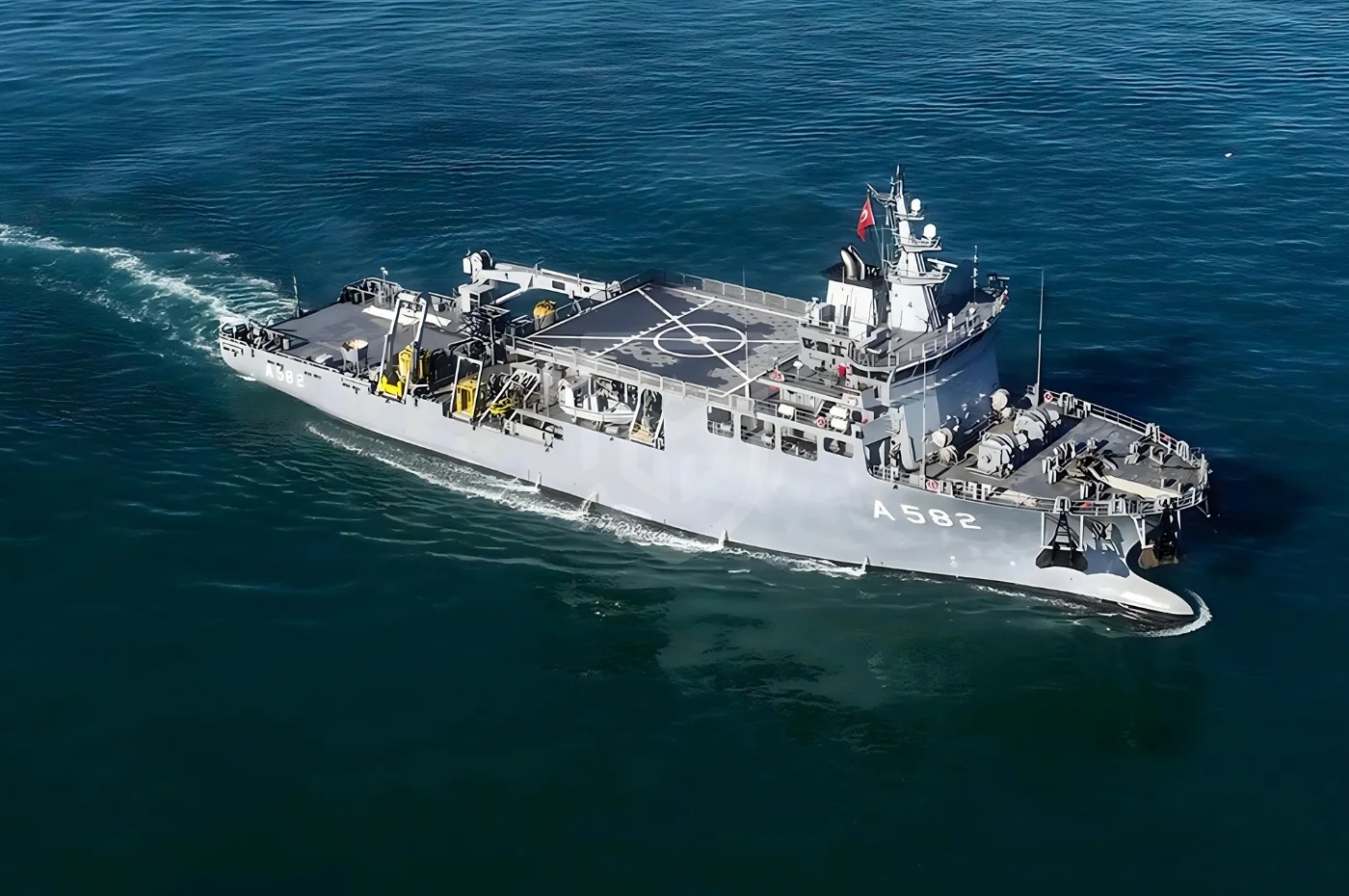
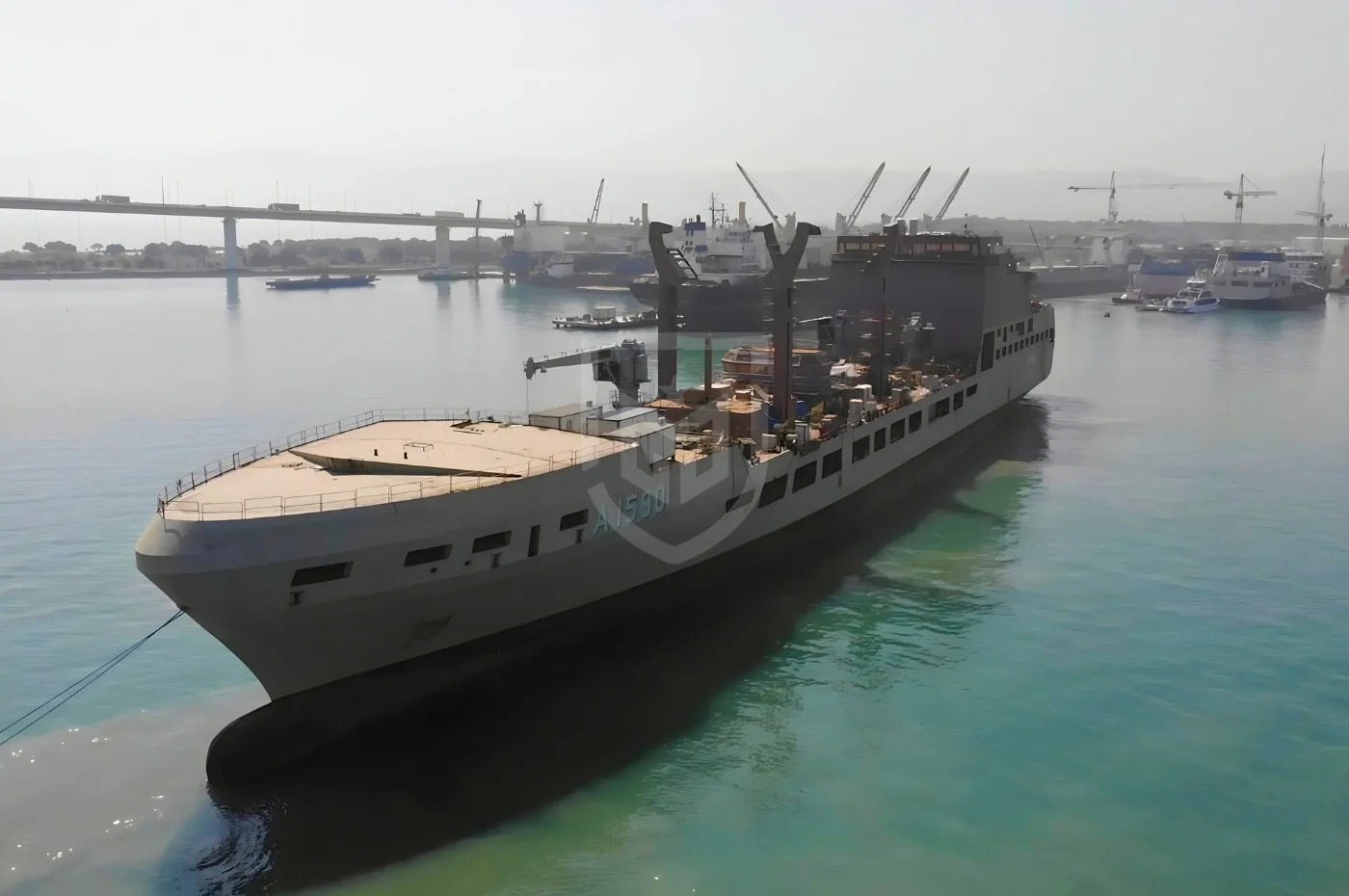
The ACMB has been developed to enhance the Turkish Naval Forces’ operational capability in underwater intervention, diver training, and emergency maritime response. Unlike combat vessels, this platform is mission-equipment-centric, optimized for safe and sustained diving operations in coastal and near-shore environments.
Operational Purpose and Role
The ACMB fulfills three primary mission categories:
Emergency Response and Rescue Diving:
Diver Training Platform:
Transport and Support Missions:
Its design aligns with naval support doctrine rather than frontline combat operations.
Doctrine and Concept of Operations
Underwater naval activities include mine countermeasure support, hull inspections, harbor security, and underwater damage assessment. The ACMB integrates:
This integrated architecture ensures safe operations up to 90 meters depth, making it particularly effective for littoral and harbor-based missions.
Platform Architecture
The ACMB features a compact but mission-optimized layout:
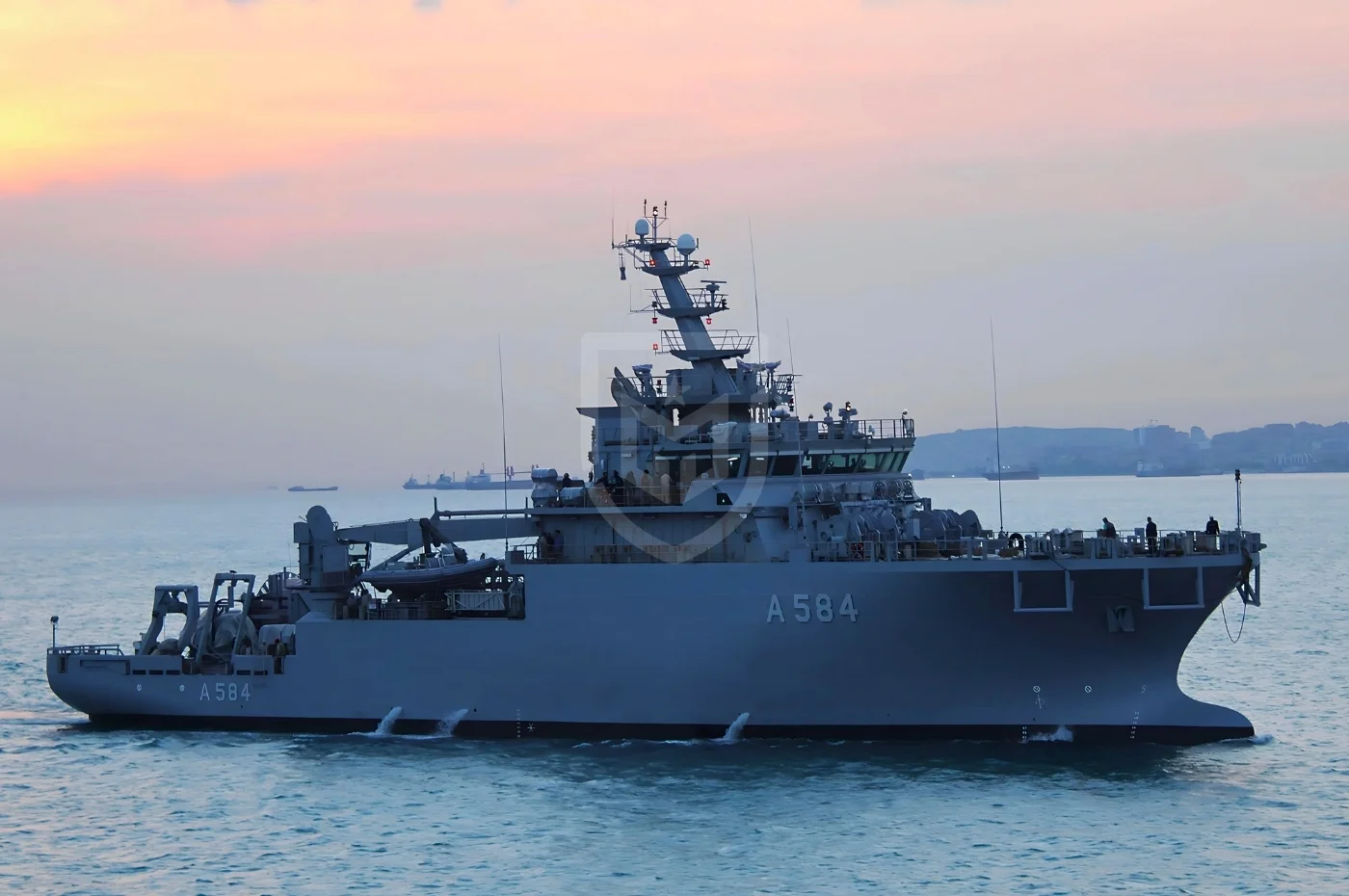
The hull incorporates a so-called axe-bow design, improving seakeeping performance and operational stability during training evolutions.
Survivability and Safety Approach
Although not a combat vessel, operational safety is central to the design:
Armor protection or active defense systems are not publicly disclosed and are unlikely given its support role.
Role Against Modern Maritime Threats
While not a direct combat platform, the ACMB indirectly enhances naval resilience by supporting:
Variants and Deliveries
Both vessels were commissioned on 23 August 2020. No additional variants are publicly confirmed.
Detailed Technical Specifications
Dimensions and Displacement
Propulsion System
Performance
Diving and Support Systems
Certain subsystem details are not publicly disclosed.
Classification
Frequently Asked Questions
What is the ACMB used for?
What does 90 meters operational depth mean?
Is it an armed vessel?
How many personnel can it carry?
Is it fully indigenous?
Where is it typically deployed?
What are its international equivalents?
Sources



The cookies used on our website are used to provide you with a better user experience and to improve our website. You can manage your cookie preferences from the options below.