High-Tech Weapons


BREAKING NEWS
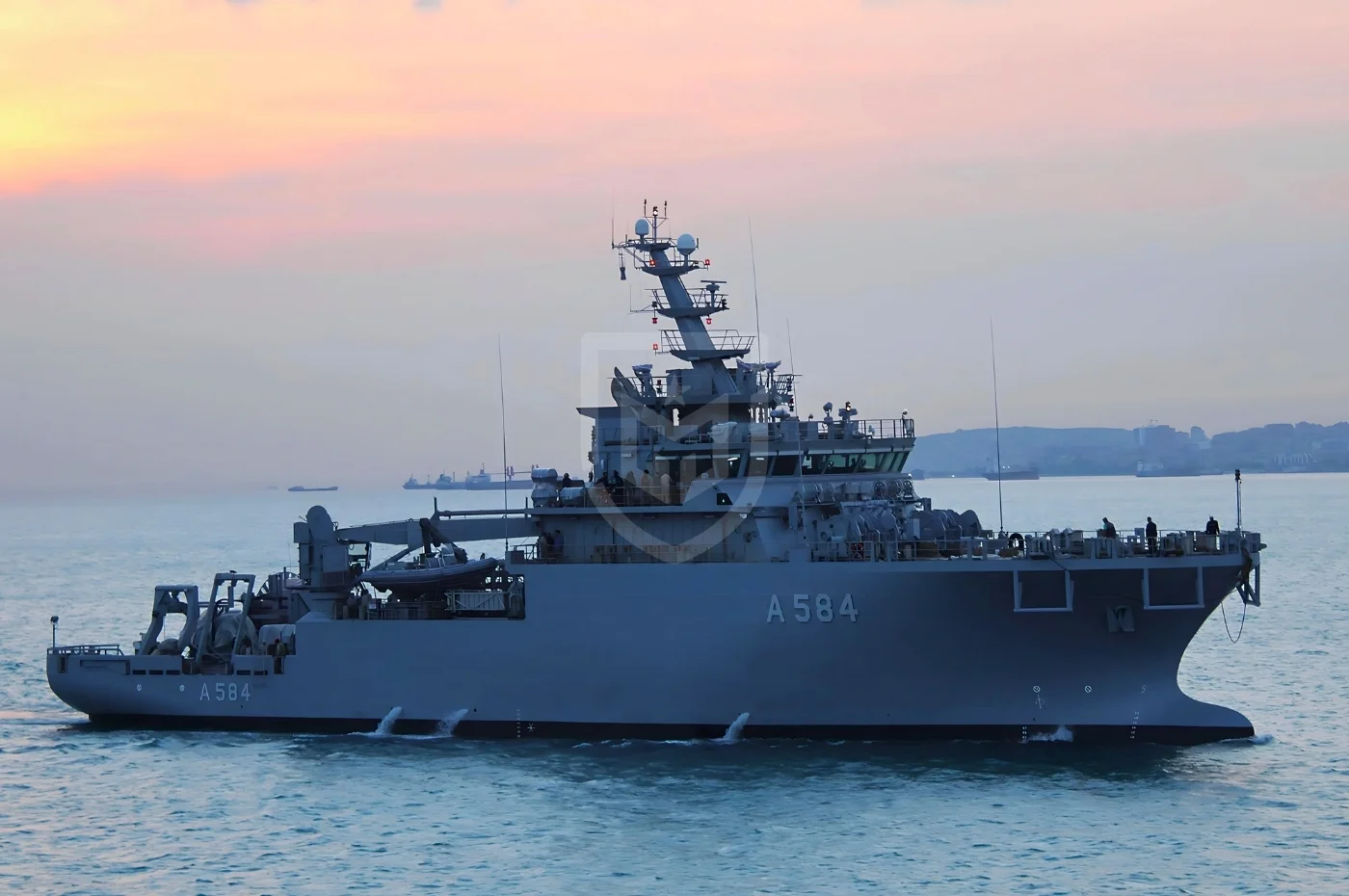
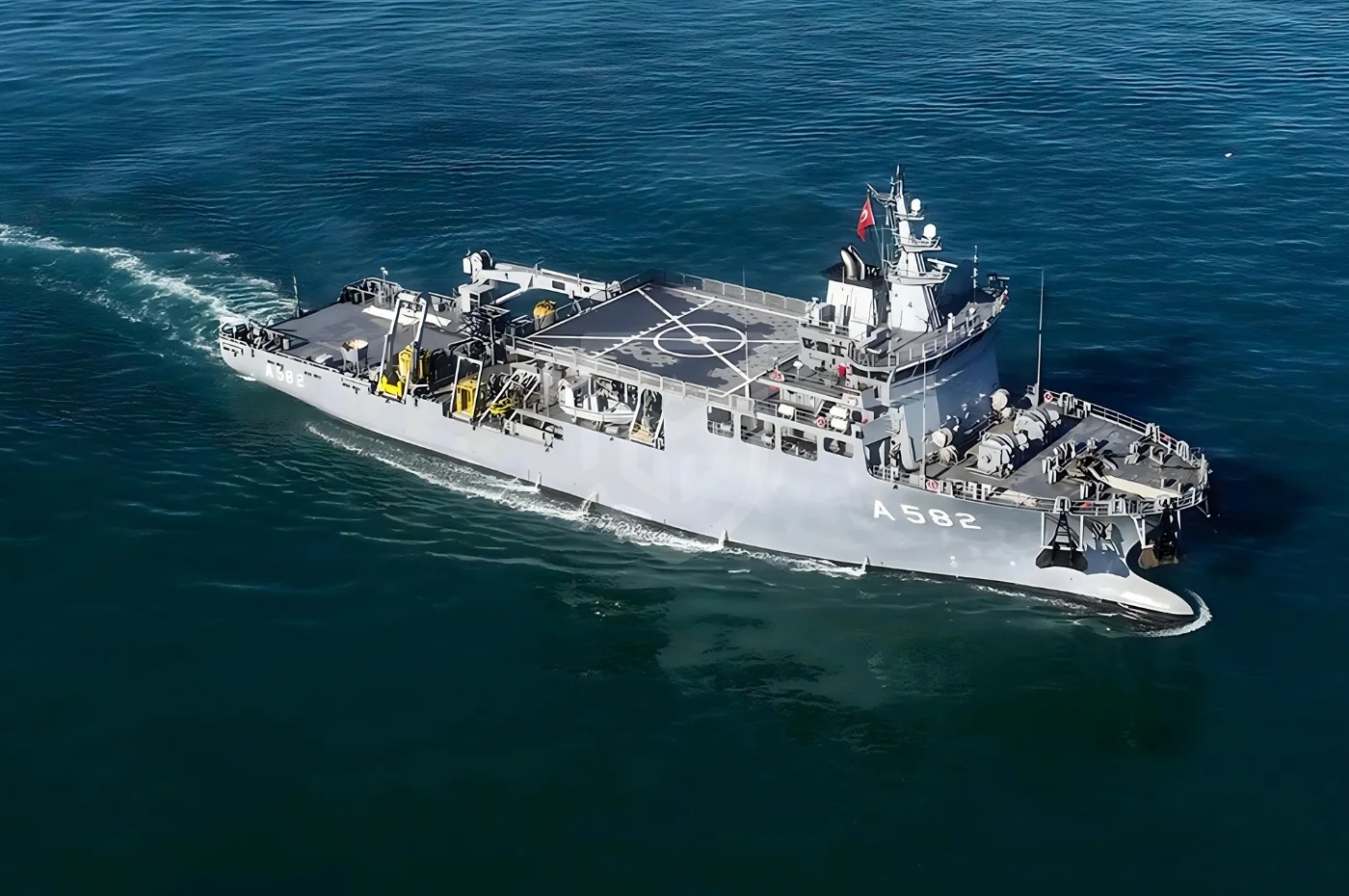
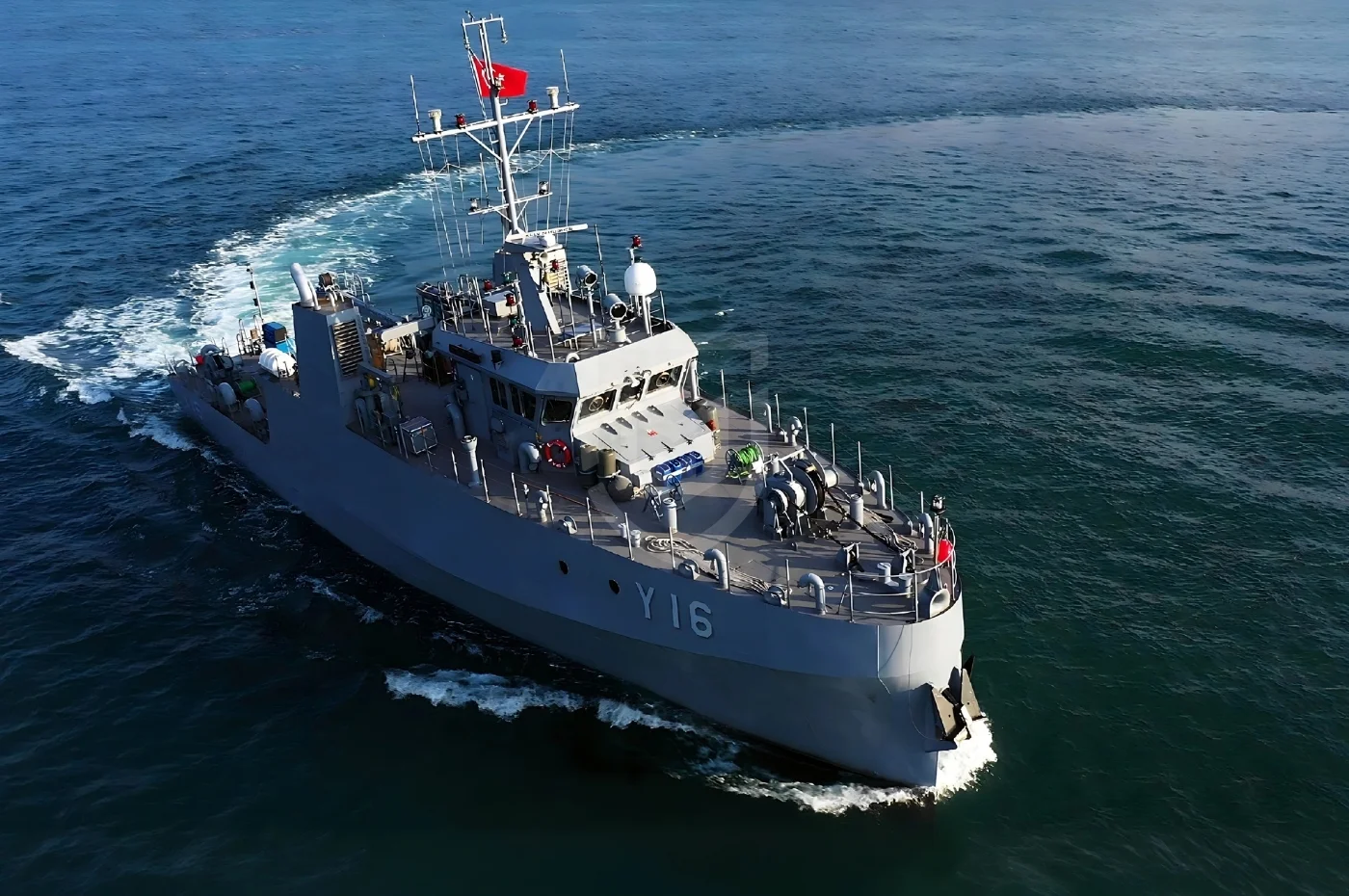
The KURYED Rescue and Towing Vessel is a multi-role offshore support platform designed to meet modern naval requirements for emergency response, submarine rescue assistance, and open-sea towing operations. As submarine fleets become increasingly critical assets for naval deterrence, surface-based rescue and support platforms like KURYED play a vital operational and strategic role.
Operational Purpose and Role
KURYED is designed to conduct:
Unlike conventional tugboats, KURYED integrates submarine life-support capabilities, making it a strategic asset within naval rescue doctrine.
Doctrine and Concept of Operations
The vessel operates within three primary mission domains:
In submarine distress scenarios such as onboard system failure, grounding, or partial flooding, time is a critical factor. KURYED is designed to locate distressed submarines and establish surface-based life support, potentially extending crew survivability until full rescue operations are conducted.
Platform Architecture
The vessel features a steel monohull structure with a displacement of approximately 2,400 tons, optimized for offshore stability and endurance.
Propulsion configuration includes:
This propulsion architecture provides precise low-speed maneuverability and effective dynamic positioning capability during sensitive rescue operations.
Survivability and Safety
The steel hull enhances structural durability in adverse sea states. Designed for high-risk rescue environments, the vessel is equipped for close-approach emergency operations.
Armament includes:
These are intended for self-defense against asymmetric maritime threats. Detailed ballistic protection and electronic warfare resistance specifications are not publicly disclosed.
Performance and Operational Capability
This range allows sustained offshore deployment rather than limited harbor-based operations.
The azimuth propulsion and tunnel thrusters enable precision station-keeping, particularly important for:
Submarine Support Capability
KURYED’s defining feature is its ability to detect submarines in distress and provide life support assistance.
Public technical specifications regarding sonar type, detection range, and specific life-support interface systems are not disclosed. However, conceptually, the capability includes:
This significantly enhances naval operational safety and survivability standards.
Integrated Ecosystem
Rescue and towing vessels of this class typically integrate:
Specific onboard sensor models are not publicly available.
Detailed Technical Specifications
Dimensions and Displacement
Powerplant and Propulsion
The controllable pitch system ensures efficient thrust control during low-speed operations.
Performance
Endurance figures are not publicly disclosed.
Sensors and Detection
Armament
Command and Control
Information regarding combat management systems or military data link integration is not publicly available.
Classification and Standards
The vessel is classed under a member of the International Association of Classification Societies.
Specific classification notation is not publicly disclosed.
Crew
Total crew is listed as 1 in available documentation. Operational crew composition and mission-specific staffing details are not publicly available.
Frequently Asked Questions
What is KURYED used for?
What is its operational range?
How does it support submarines?
Is it a combat vessel?
Is it suitable for open-sea conditions?
How is it different from conventional tugboats?
Sources


The cookies used on our website are used to provide you with a better user experience and to improve our website. You can manage your cookie preferences from the options below.