
High-Tech Weapons


BREAKING NEWS
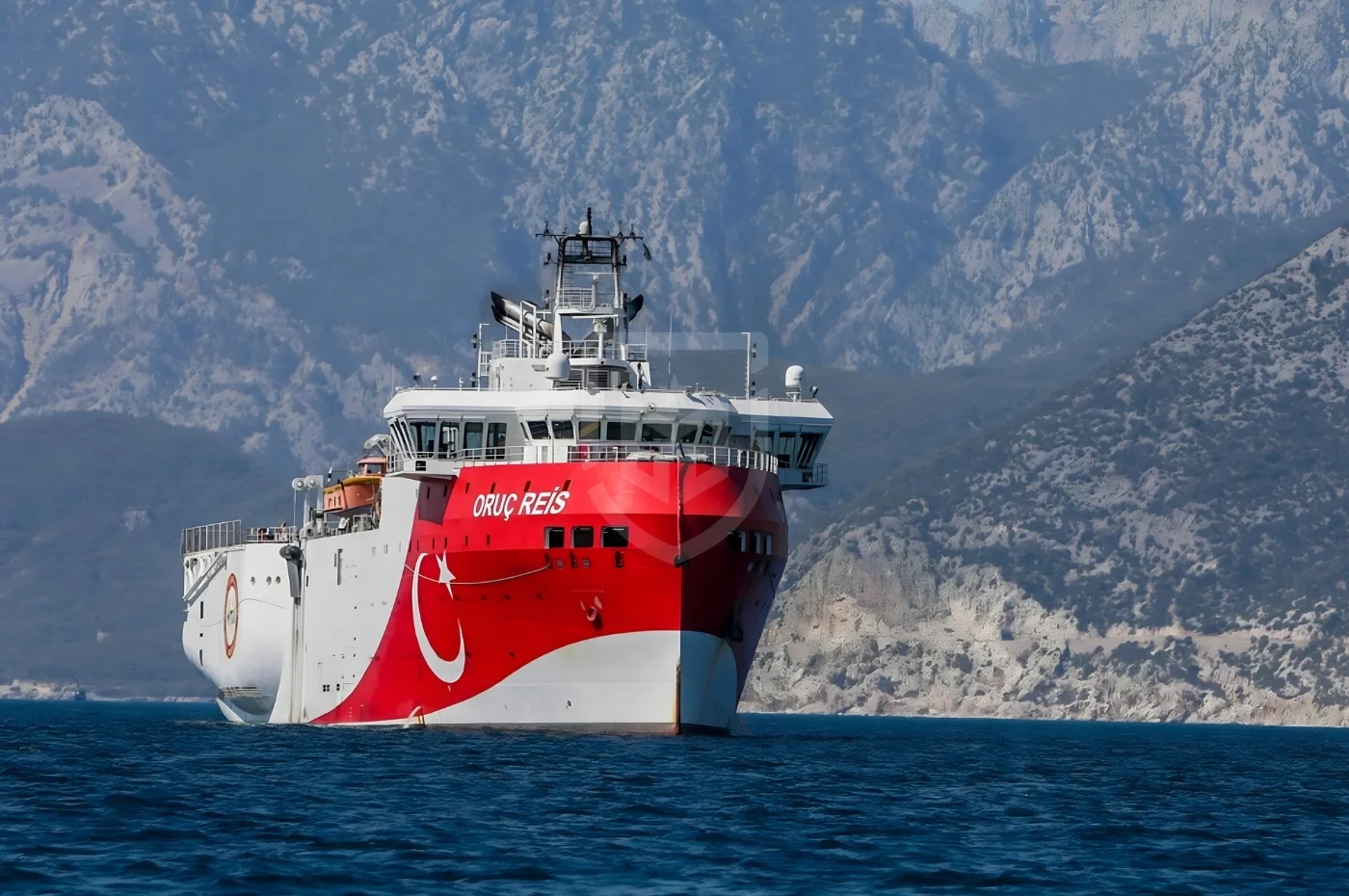
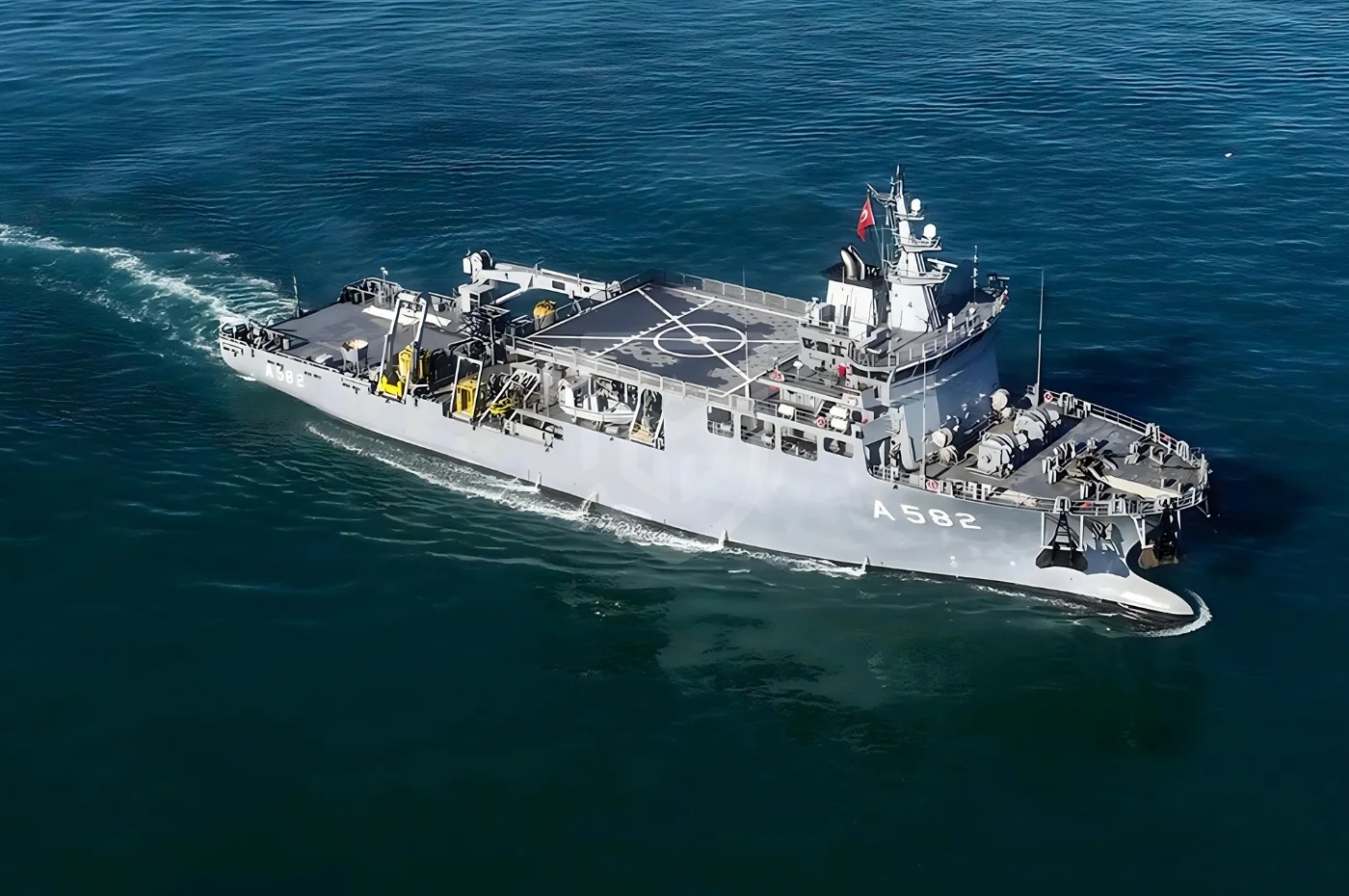
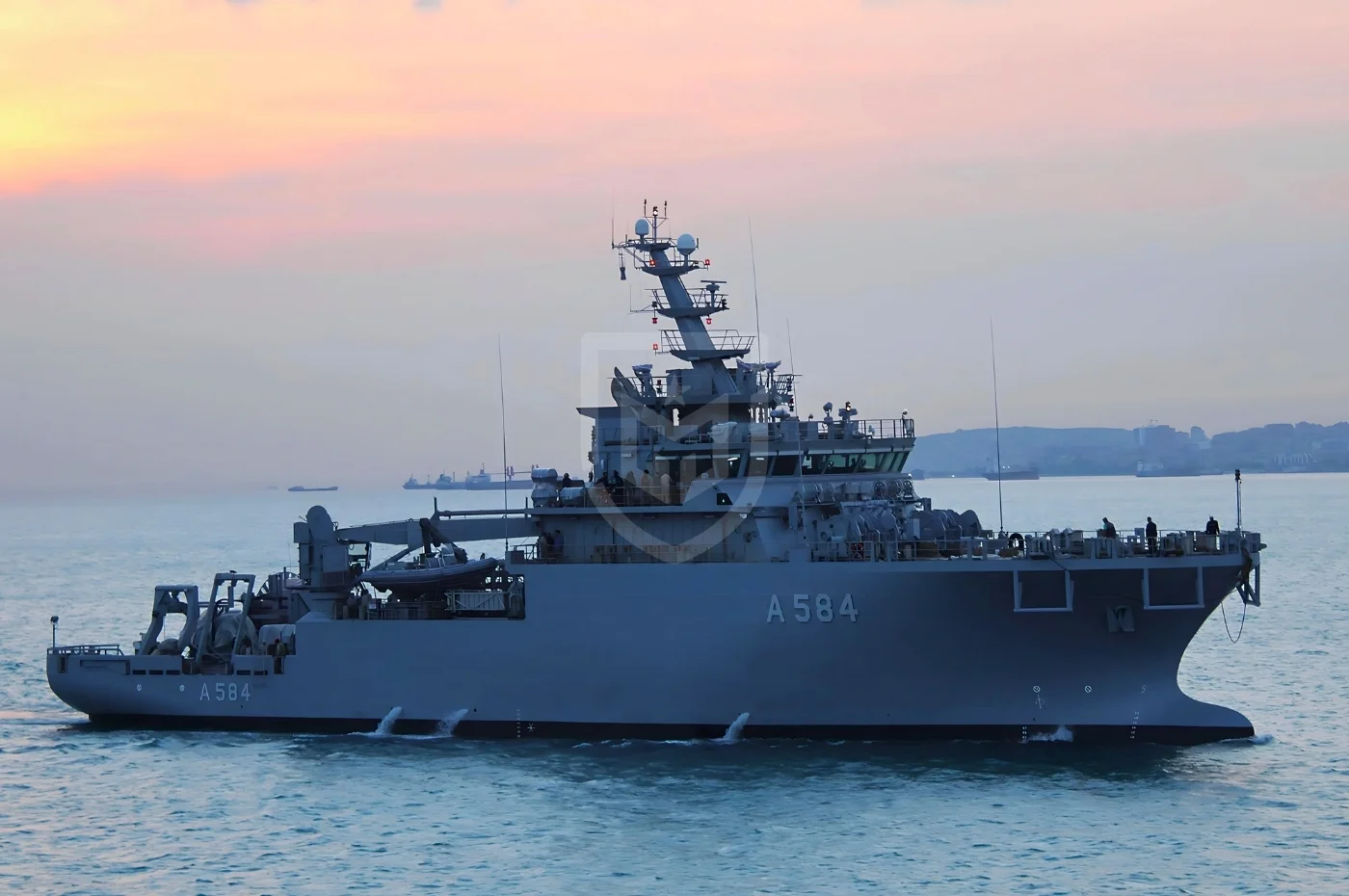
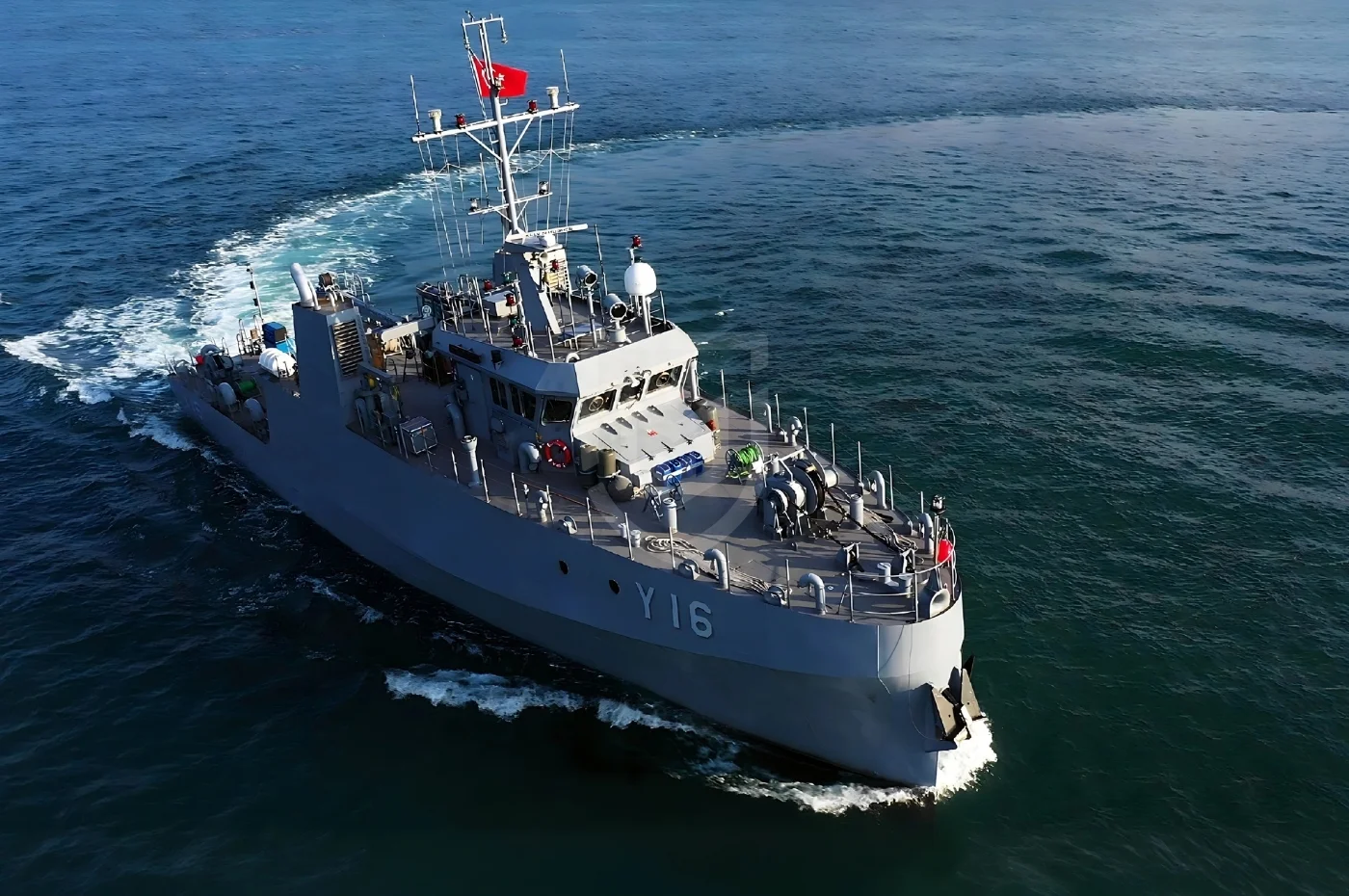
SNR-SİSMİK is a modern offshore research platform developed to generate high-resolution subsurface data for energy exploration and marine geoscience applications. Its primary operational role is acoustic imaging of subsurface geological formations, reservoir characterization, seabed analysis, and marine environmental surveys.
Operational Role and Mission Profile
The vessel’s core mission is 2D and 3D seismic data acquisition.
Beyond hydrocarbon exploration, SNR-SİSMİK supports marine construction projects, submarine cable route surveys, offshore wind farm site assessments, and seabed geotechnical investigations. Its oceanographic and hydroacoustic systems enable environmental monitoring and scientific marine research missions.
Concept of Operations
During seismic acquisition, the vessel sails along predefined survey lines while deploying streamer cables from the stern. These streamers contain hydrophone arrays that record reflected acoustic signals from subsurface layers.
The installed 4x4 streamer configuration supports active operations, while infrastructure for an 8x8 configuration allows scalability for higher data density and wider swath coverage.
The DP1 dynamic positioning system ensures precise station-keeping during ROV deployment and sensitive measurement operations, compensating for wind, current, and wave forces.
Platform Architecture
The vessel integrates three main subsystems:
Streamer arrays, acoustic sources, hydroacoustic sensors
Real-time quality control and preliminary data processing
Diesel-electric propulsion architecture with azimuth thrusters and bow thruster
The electric propulsion system distributes power efficiently between propulsion and mission systems, increasing operational flexibility.
Seakeeping and Survivability
Although not a military vessel, SNR-SİSMİK is engineered for offshore endurance. It can conduct scientific operations up to Sea State 4 and helicopter operations up to Sea State 3.
With a 35-day endurance and 11,760 nautical mile range, it is capable of sustained offshore missions without frequent resupply.
Limitations
The DP1 classification provides basic redundancy but does not offer the fault tolerance level of DP2 or DP3 systems. Publicly available information does not indicate any defensive or armed systems onboard. Security during offshore operations typically depends on regional maritime security arrangements.
Detailed Technical Specifications
Dimensions and Displacement
Propulsion and Power System
Performance
Survey Systems
Streamer Systems
ROV System
Aviation Capability
Crew and Service Life
Specific details such as streamer lengths, acoustic source energy levels, sensor frequency bands, and onboard processing software specifications are not publicly disclosed.
Frequently Asked Questions
What is SNR-SİSMİK used for?
What is the difference between 2D and 3D seismic surveys?
What is its operational range?
How long can it remain at sea?
What does DP1 dynamic positioning provide?
Does it have military capabilities?
Is it mobile or fixed?
What are comparable vessels internationally?
Sources



The cookies used on our website are used to provide you with a better user experience and to improve our website. You can manage your cookie preferences from the options below.