Electronic Warfare Test Infrastructure


BREAKING NEWS
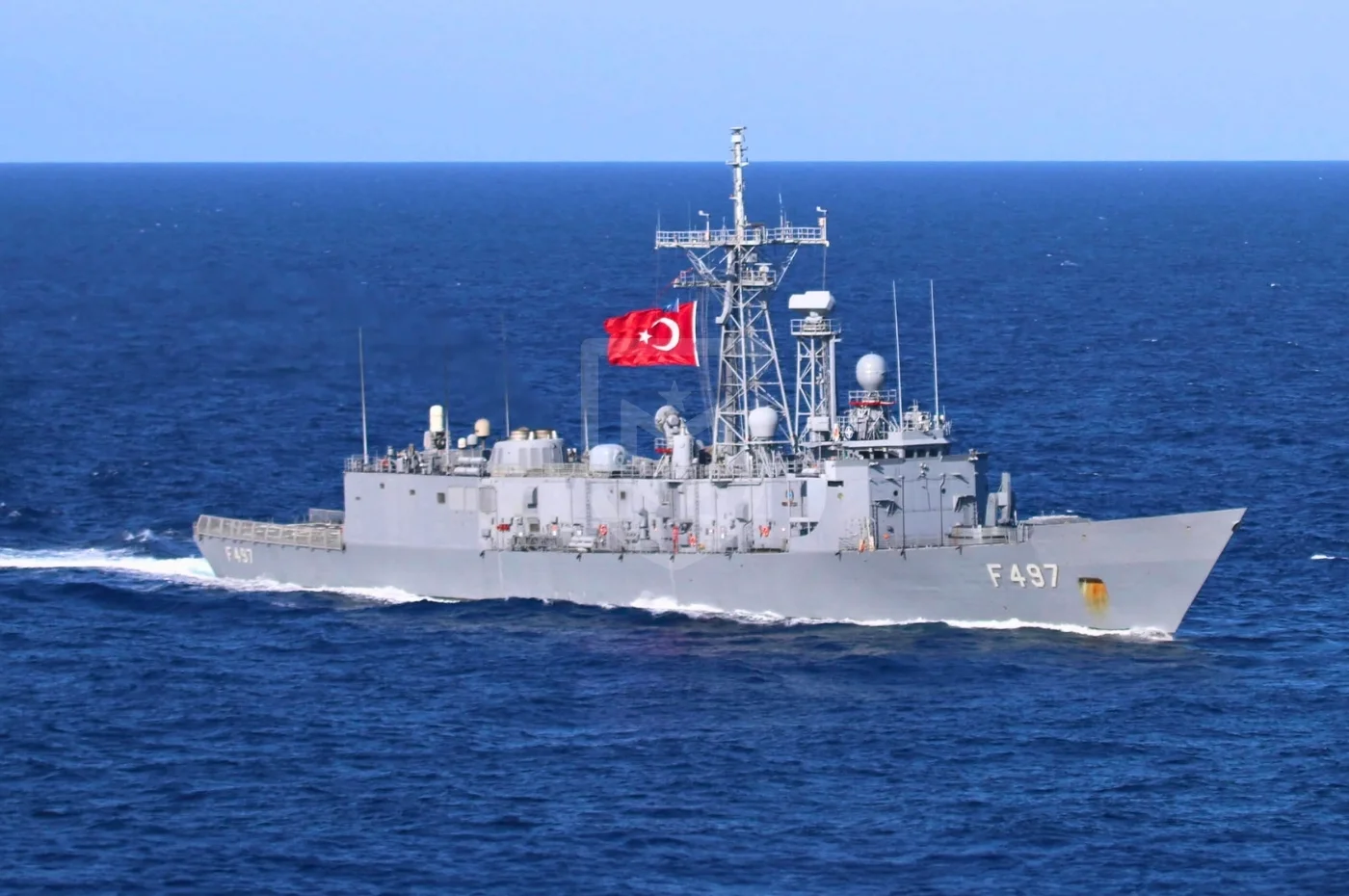
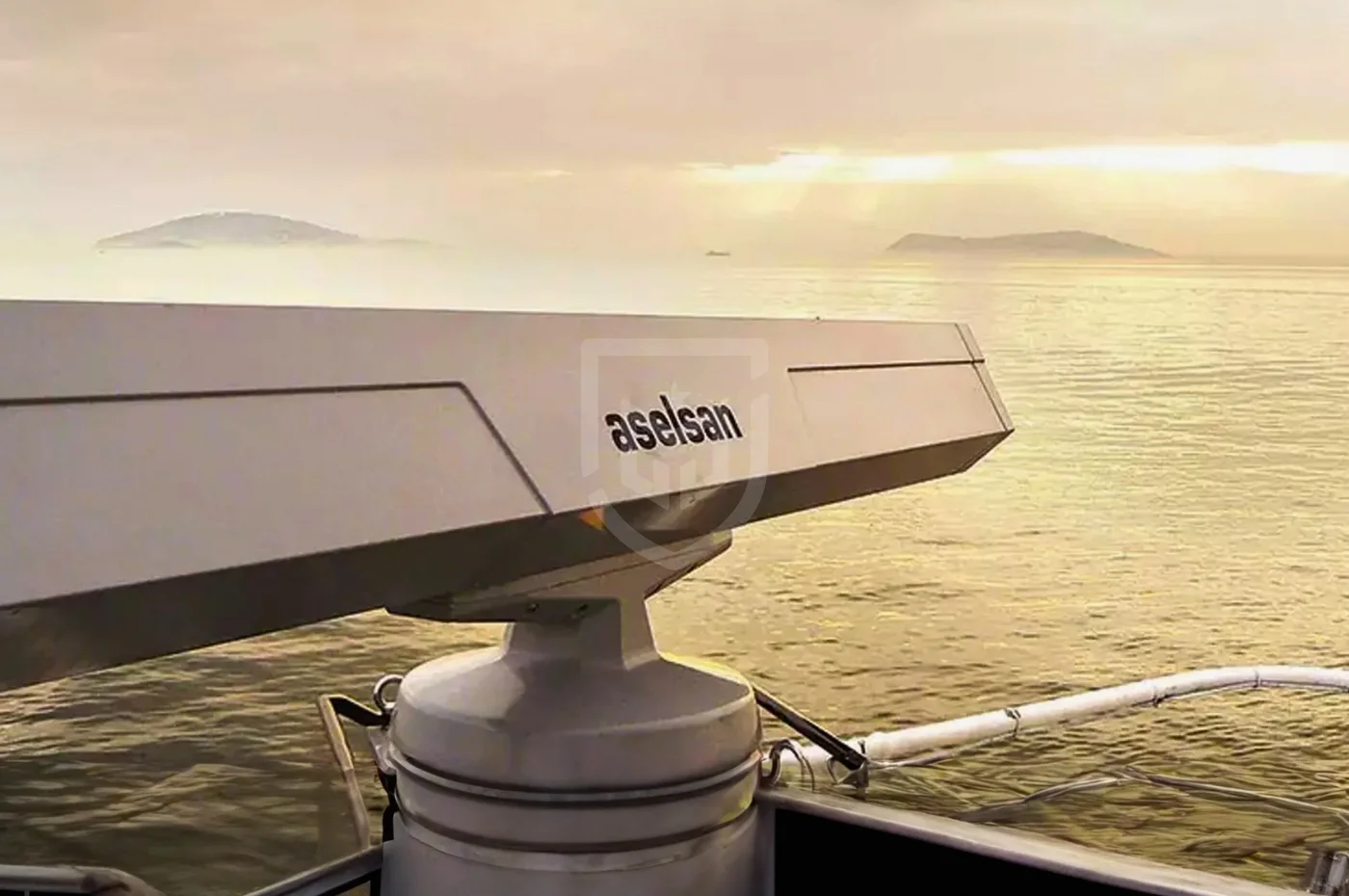
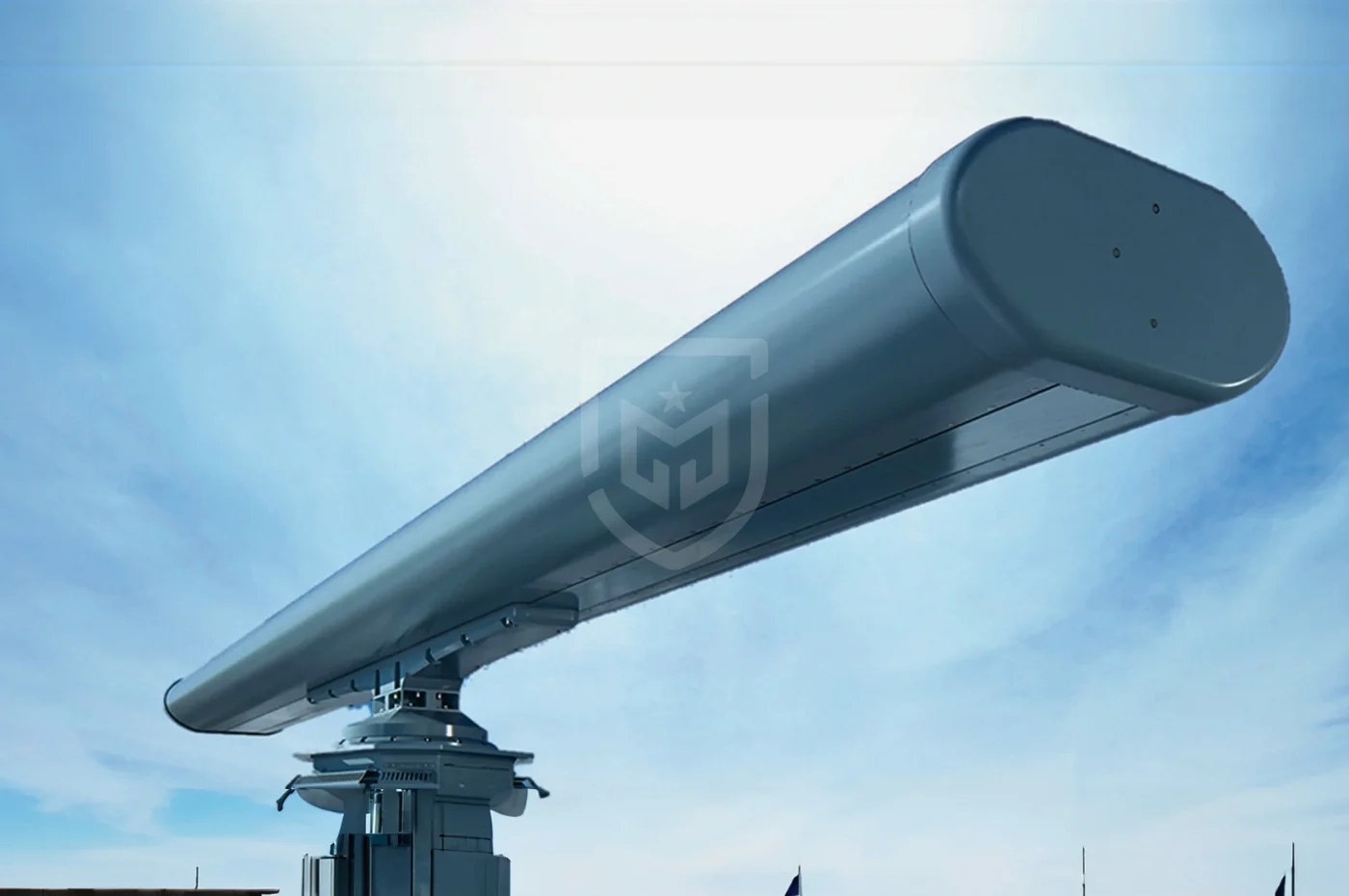
ÇAFRAD is an integrated Active Electronically Scanned Array (AESA) radar suite developed to meet the operational requirements of modern naval warfare, particularly high-intensity, multi-threat air defense scenarios. It is engineered to provide early warning, precision tracking, fire control support, and missile illumination within a layered naval air defense doctrine.
Operational Purpose and Role
The primary mission of ÇAFRAD aboard TF-2000 destroyers is:
The system is designed to detect and track:
Doctrine and Concept of Operations
The TF-2000 concept centers on area air defense and fleet protection. Within this framework, ÇAFRAD serves as:
The architecture is network-enabled and compatible with modern naval combat management systems.
System Architecture
ÇAFRAD consists of three main radar subsystems:
Long Range Search Radar (UMR) – S-Band
The S-band provides optimal performance for long-range surveillance with improved atmospheric propagation characteristics.
Multifunction Radar (ÇFR) – X-Band
The X-band offers higher resolution and improved performance against low-altitude and small radar cross-section threats.
Illumination Radar (AYR) – X-Band
This subsystem provides continuous wave illumination for semi-active radar homing missiles during terminal guidance.
Sensor and Processing Architecture
AESA architecture provides:
Survivability and Electronic Warfare Resistance
The AESA design enhances resistance to jamming and reduces probability of interception.
Engagement Process
Detailed command-and-control architecture specifics are not publicly available.
Detailed Technical Information
Frequency Bands
Detection Range
Track Capacity
IFF Capability
Reaction Time
Exact values are not publicly disclosed. AESA beam steering operates at millisecond-level agility.
Mobility
Fixed naval integrated radar suite, designed for mast integration on TF-2000 destroyers.
Personnel
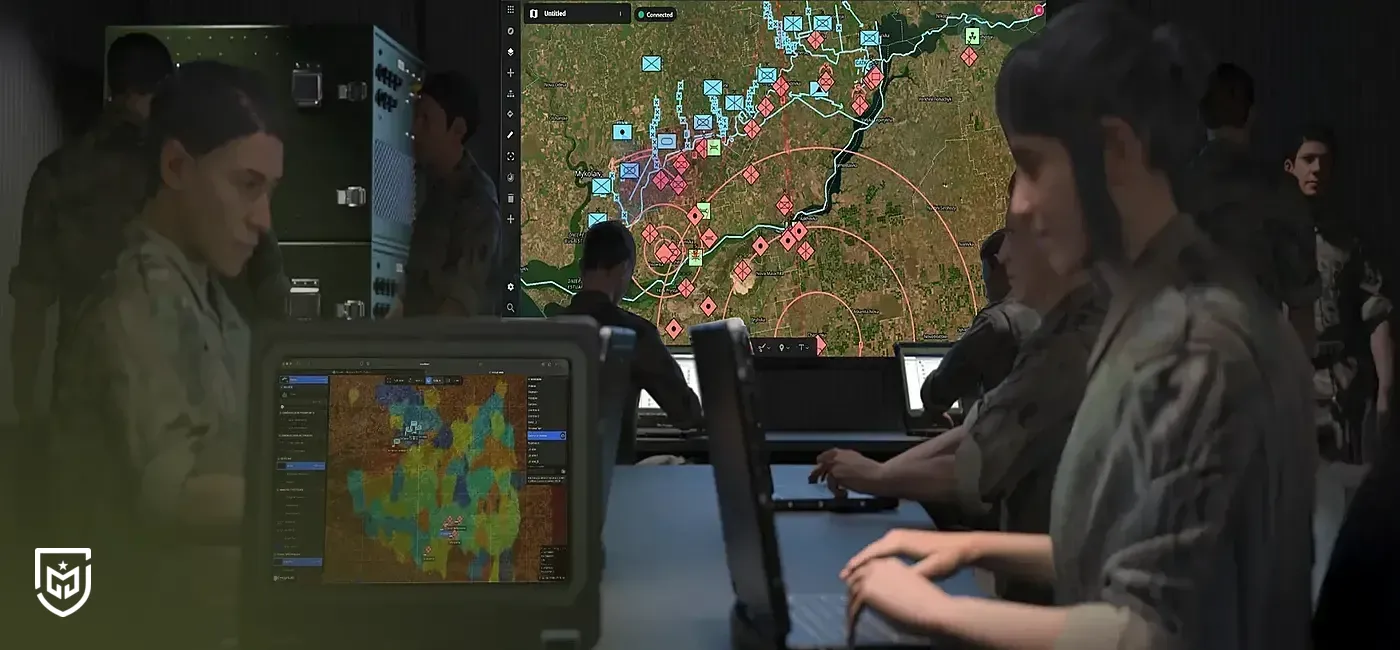
Operated through the ship’s Combat Management System. Exact operator numbers are not publicly disclosed.
Frequently Asked Questions
What is ÇAFRAD used for?
What is its maximum range?
How many targets can it track simultaneously?
Is it capable against ballistic missiles?
Is ÇAFRAD mobile?
What are its international equivalents?
Comparable systems include:
ÇAFRAD distinguishes itself as a domestically developed Turkish AESA area air defense radar.
Sources




The cookies used on our website are used to provide you with a better user experience and to improve our website. You can manage your cookie preferences from the options below.