



Electronic Warfare Test Infrastructure


BREAKING NEWS
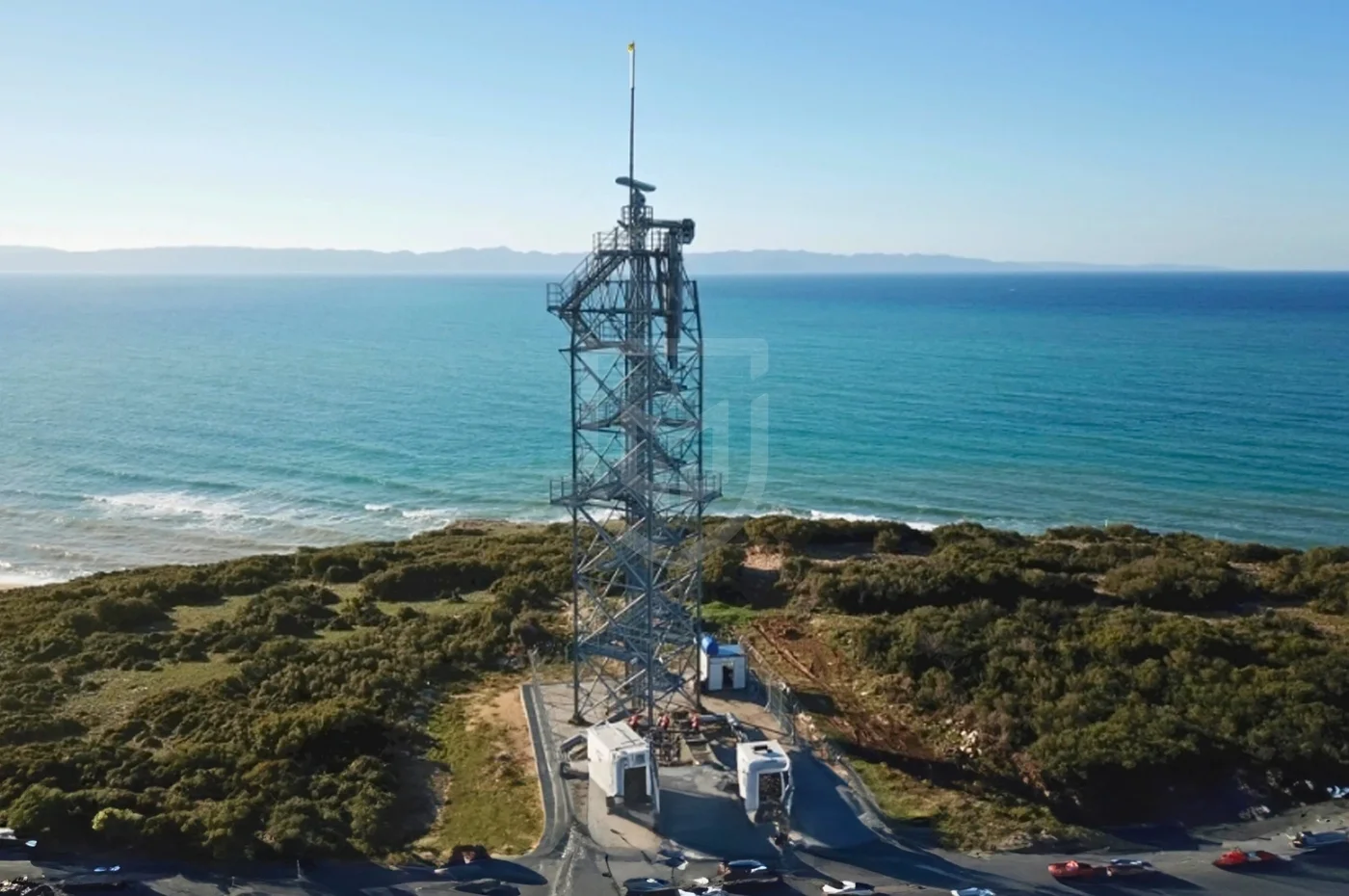
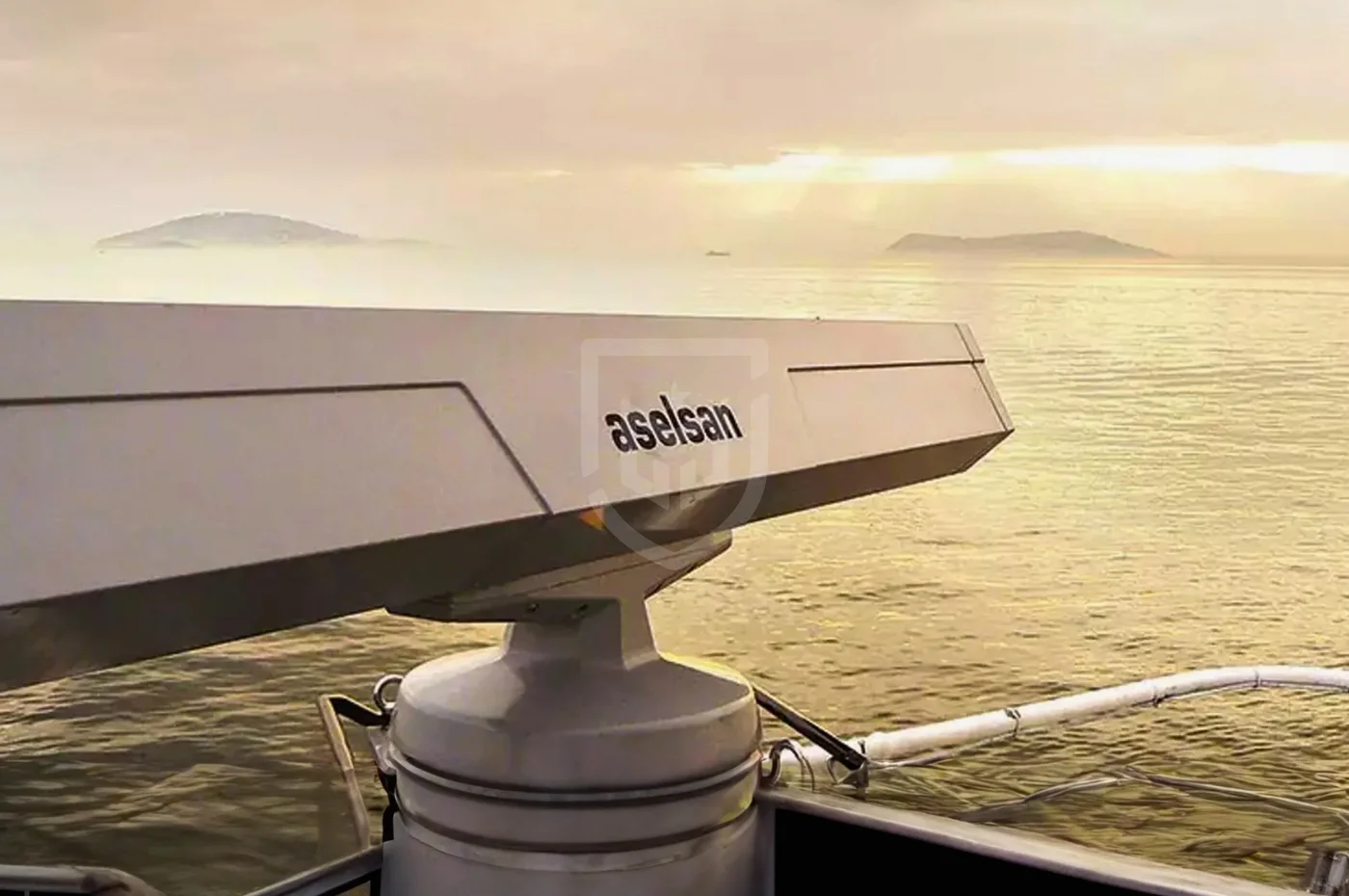
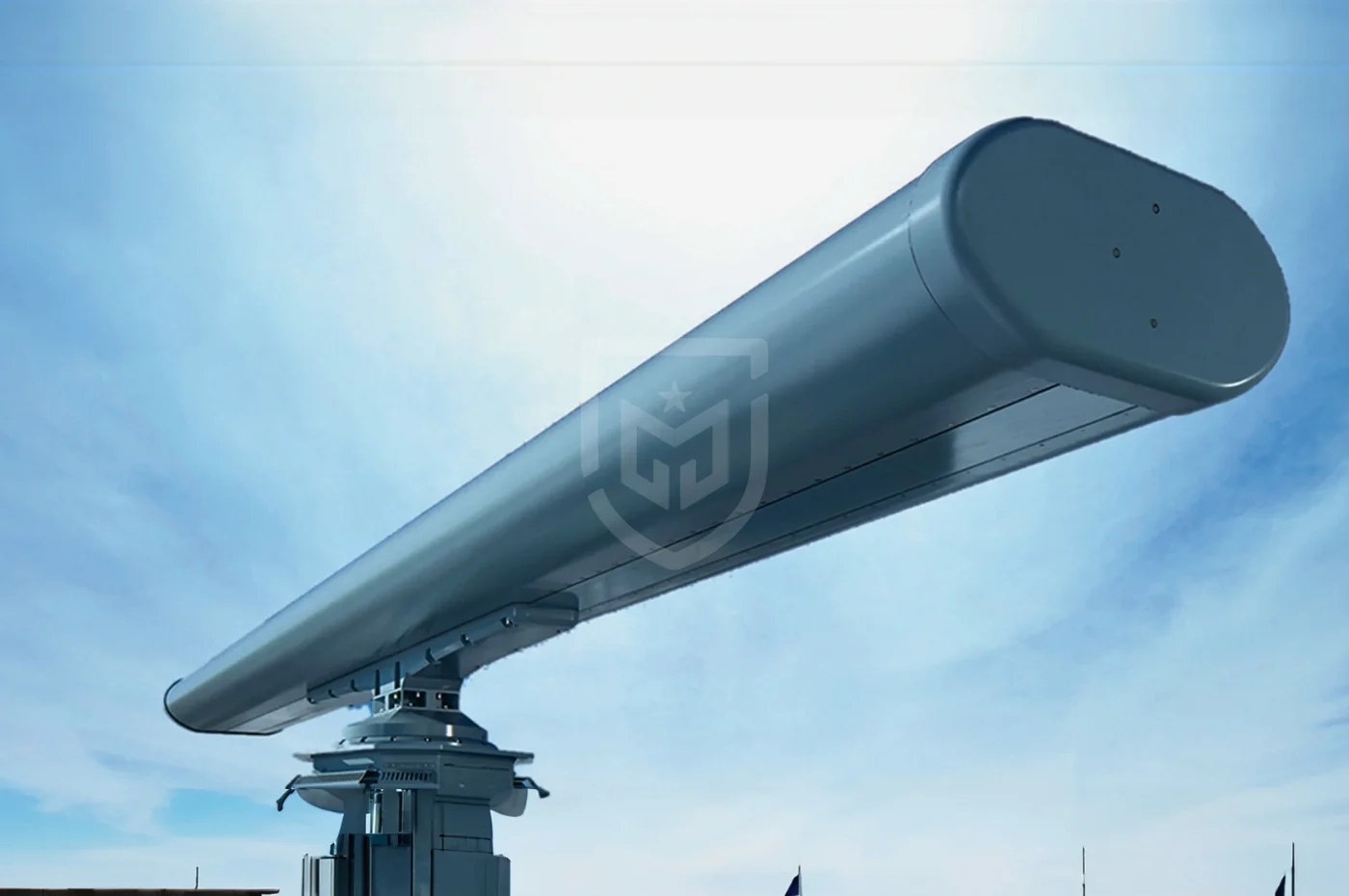
The Coastal Surveillance Radar System is a network-centric maritime monitoring architecture designed to detect, track, classify, and identify surface targets along national coastlines. Rather than functioning as a standalone radar installation, CSRS operates as a distributed, sensor-fused surveillance ecosystem.
Operational Purpose and Role
CSRS is intended to enhance maritime security and domain awareness by:
The system plays a strategic role in strengthening national maritime sovereignty.
Doctrine and Concept of Use
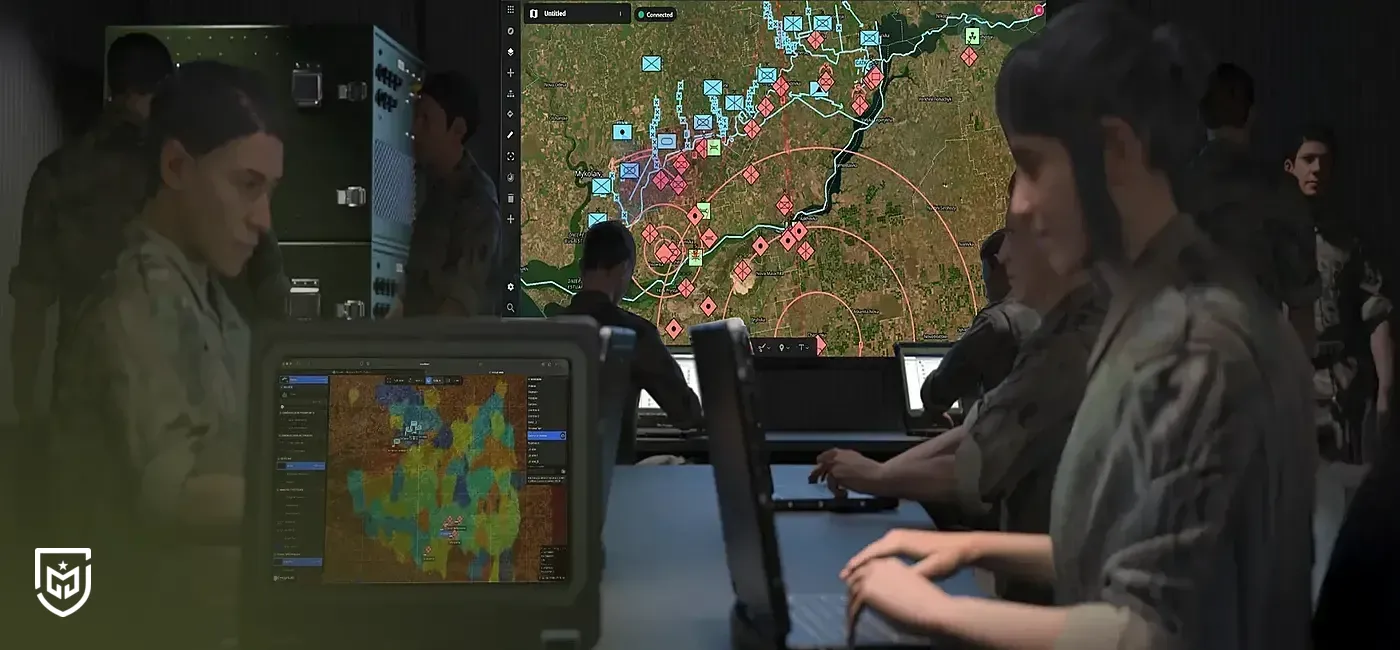
CSRS follows a network-centric operational concept. Distributed coastal surveillance stations collect sensor data, which is transmitted to Identification and Tracking Centers for correlation and fusion. The consolidated Recognized Maritime Picture is then delivered to the main Operations Center for decision support and mission management.
This layered structure enables:
System Architecture
CSRS consists of three primary layers:
Sensor Layer
Data Processing and Fusion Layer
Command and Control Layer
The service-oriented, three-tier architecture allows scalability and integration of additional sensors.
Survivability and Security
The system incorporates:
Detailed electronic protection and cybersecurity resilience specifications are not publicly disclosed.
Detection, Tracking, and Operational Process
CSRS is not a weapon system but a surveillance and decision-support platform. The operational chain typically includes:
Simultaneous tracking capacity and reaction times are not publicly disclosed.
Integration Ecosystem
The system is designed for integration with relevant public institutions and maritime authorities. AIS and other identification data sources are used for correlation where applicable. Specific communication protocols and data link standards are not publicly disclosed.
Advantages Against Modern Threats
Limitations are inherently tied to radar horizon constraints, terrain masking, and environmental conditions.
Phase-1 Structure
Phase-1 includes:
Future expansion phases have not been publicly detailed.
Detailed Technical Information
Dimensions and Physical Infrastructure
Specific tower heights, radar antenna dimensions, and installation footprint details are not publicly disclosed.
Power System
The system is land-based and fixed. Details regarding primary and backup power infrastructure are not publicly disclosed.
Performance Parameters
Coverage depends on radar placement, elevation, and geographic conditions.
Sensors and Detection Capabilities
Radar band type, antenna architecture such as AESA or PESA, and frequency specifications are not publicly disclosed.
Target Tracking and Classification
The system supports:
Exact numerical tracking capacities are not publicly disclosed.
Command and Control
Communication protocols and encryption standards are not publicly disclosed.
Electronic Warfare Resilience
Electronic protection levels and anti-jamming characteristics are not publicly disclosed.
Deployment and Mobility
The system consists of fixed coastal stations. Public information regarding mobile variants is not available.
Personnel and Operational Concept
Operator staffing levels and shift structures are not publicly disclosed.
Frequently Asked Questions
What is CSRS used for?
What is its detection range?
Is it a weapon system?
What types of targets can it detect?
Is it mobile or fixed?
How many targets can it track simultaneously?
What makes it different from similar systems?
Sources




The cookies used on our website are used to provide you with a better user experience and to improve our website. You can manage your cookie preferences from the options below.