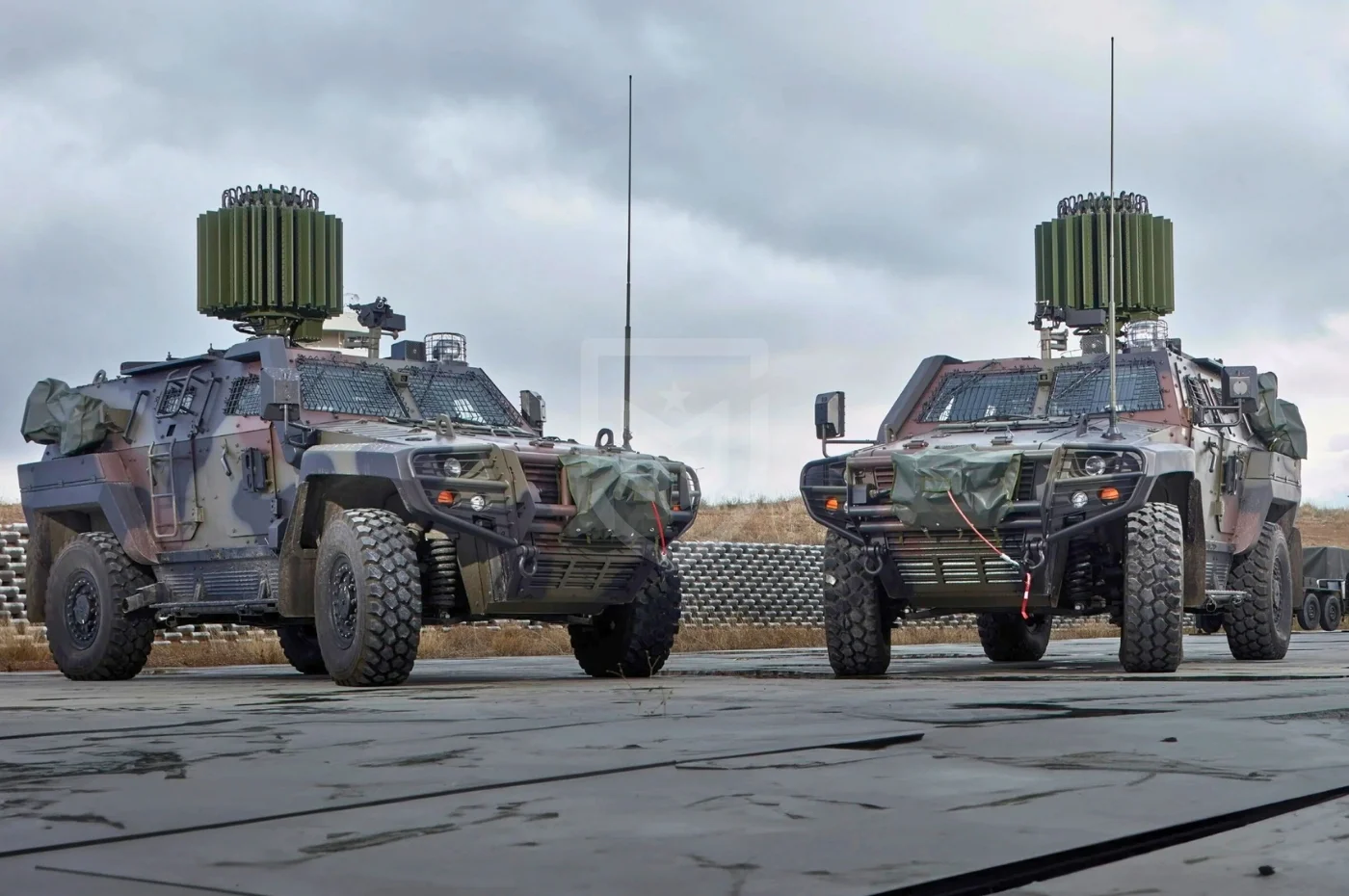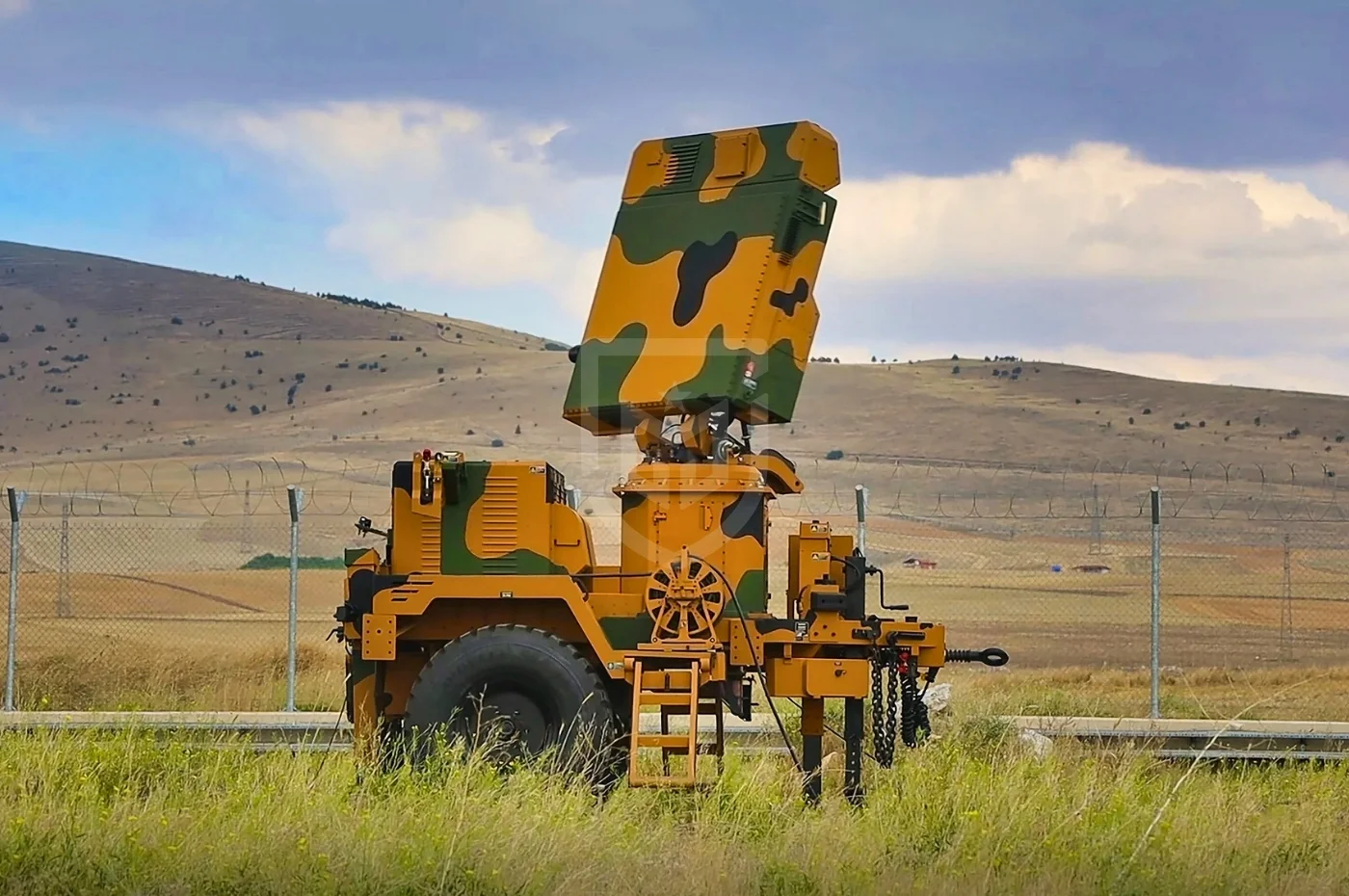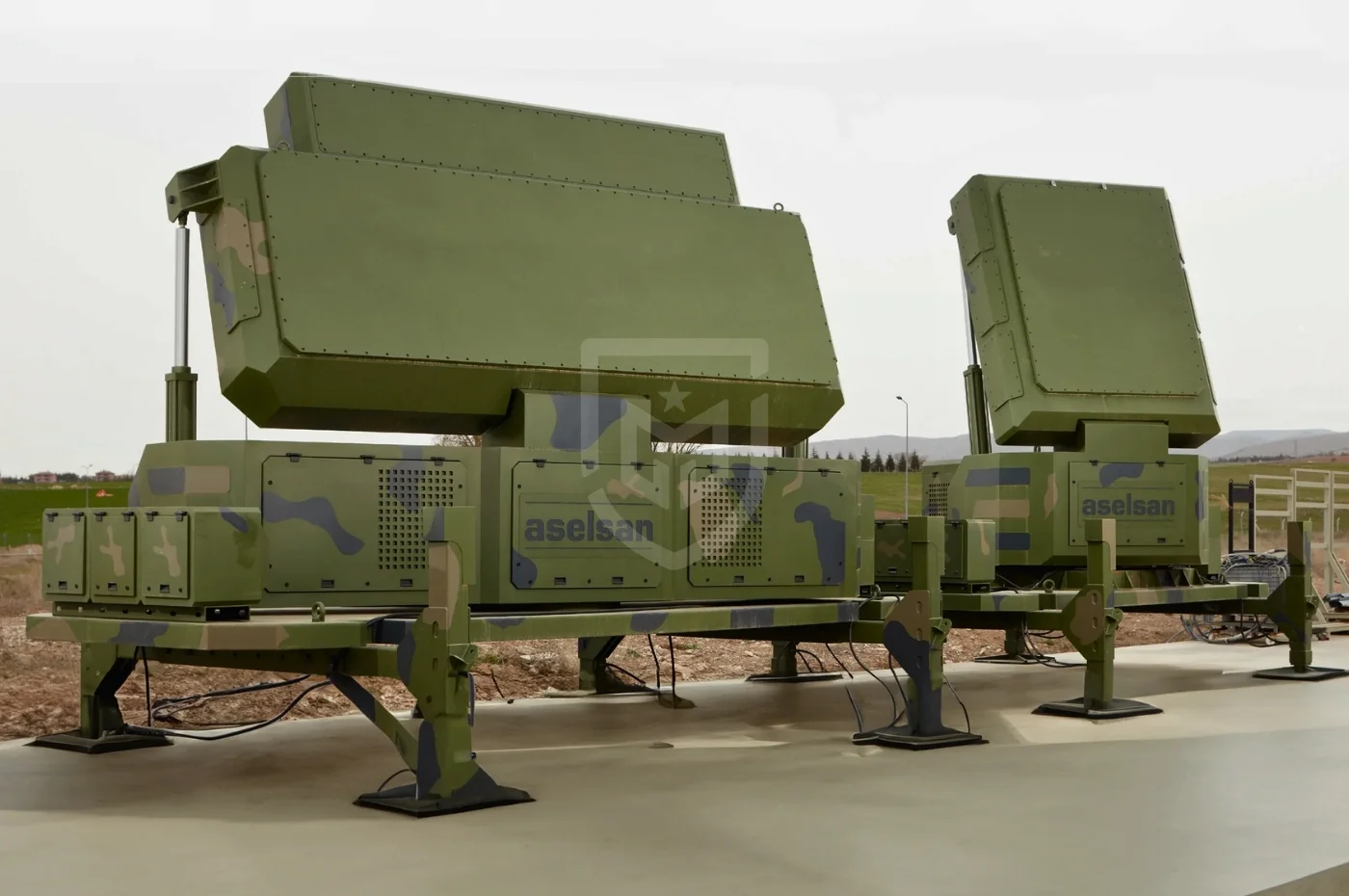
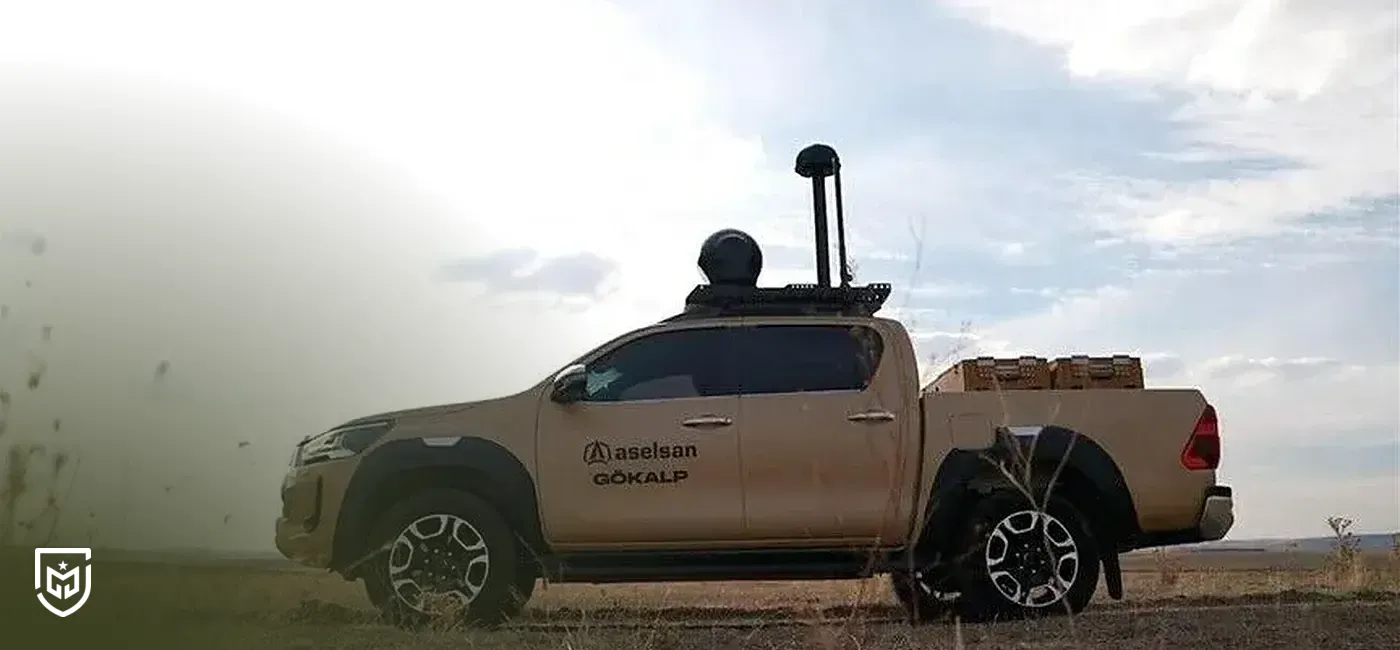
SERHAT is a mobile counter-fire radar system designed to detect and analyze ballistic threats at the tactical level. Unlike large strategic counter-battery radars, SERHAT is optimized for rapid deployment, mobility, and operation in forward positions.
Operational Role and Doctrine
The primary mission of SERHAT is early detection of:
- Mortar rounds
- Artillery shells
- Rockets
- Mini/micro UAVs
In asymmetric conflicts, indirect fire weapons such as mortars and rockets are widely used due to their low cost and high disruptive impact. SERHAT detects these threats in the early phase of flight and performs ballistic backtracking to determine:
- Launch point (source of fire)
- Estimated impact point
This enables rapid counter-battery response and immediate warning for protected units.
The system supports:
- Base and critical facility protection
- Border security operations
- Forward deployed troop protection
- Tactical fire support coordination
System Architecture
SERHAT consists of three primary subsystems:
Radar Subsystem
- L-band operation
- Active electronically scanned array (AESA-type architecture publicly described as electronically scanned active array)
- 360° azimuth coverage
- Electronic scanning in elevation
The absence of mechanical rotation ensures rapid scanning and high refresh rates.
Signal Processing and Ballistic Computation
High-speed processing algorithms perform:
- Target detection and tracking
- Multi-shot discrimination
- Ballistic trajectory estimation
- Launch and impact coordinate calculation
This process is completed within seconds after detection.
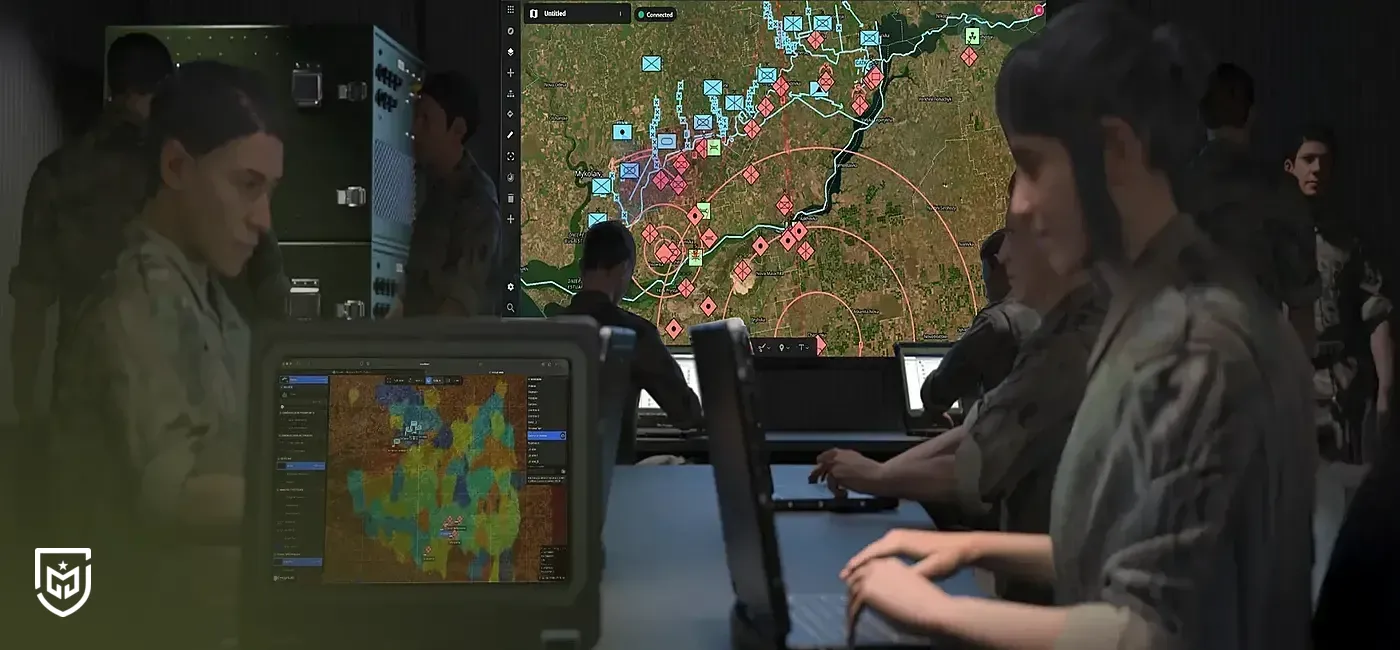
Command and Control Integration
SERHAT can be integrated with:
- Tactical C2 networks
- Fire support coordination systems (such as ADOP-type systems)
- Mapping-based operational displays
It provides:
- Real-time threat alerts
- Friendly zone identification
- Target visualization on digital maps
- Remote operation capability
UAV Detection Capability
Beyond ballistic threats, SERHAT can detect and track mini/micro UAVs with small radar cross-sections. This enhances its role in hybrid warfare environments where UAVs are increasingly used for reconnaissance and attack.
Public sources confirm UAV detection capability; however, maximum tracking capacity and UAV-specific detection ranges are not publicly disclosed.
Survivability and Environmental Resilience
The system is designed to operate under harsh field conditions:
- MIL-STD-810G environmental compliance
- MIL-STD-461E electromagnetic compatibility
- Operating temperature: -32°C to +50°C
- Storage temperature: -40°C to +60°C
- Resistance to dust, sand, rain, humidity
- Shock and vibration tolerance
Electronic counter-countermeasure (ECCM) features are reported, but detailed specifications are not publicly available.
Detailed Technical Specifications
Frequency Band
- L-band operation
- Suitable for wide-area surveillance and ballistic tracking
Detection Range
- Over 20 km for ballistic targets (publicly stated)
- UAV detection range depends on target RCS and altitude (not publicly disclosed)
Antenna and Scanning
- Electronically scanned active array
- 360° azimuth coverage
- Electronic elevation scanning
- Continuous surveillance without mechanical rotation
Power Requirements
- 24 VDC ±10%
- Compatible with tactical vehicle integration
Target Processing
- Simultaneous multi-shot detection
- Ballistic backtracking
- Launch and impact coordinate calculation
- Map-based visualization
Electronic Warfare Resilience
- Built-in electronic protection measures
- Detailed ECCM performance not publicly disclosed
Mobility and Deployment
- Mobile/semi-mobile configuration
- Vehicle-mountable
- Rapid deployment capability
- Remote command operation
Personnel Requirements
- Operator-controlled
- Exact crew size not publicly disclosed
Frequently Asked Questions
What is SERHAT used for?
- SERHAT is used to detect and track mortar, artillery, and rocket fire, calculate launch and impact points, and support counter-fire operations and force protection missions.
What is the detection range?
- The system has a publicly stated effective detection range exceeding 20 km for ballistic threats. Actual performance depends on projectile type and environmental conditions.
Can it detect UAVs?
- Yes. SERHAT can detect, track, and classify mini/micro UAVs. Detailed tracking capacity figures are not publicly disclosed.
Is SERHAT mobile?
- Yes. It is a mobile radar system that can be mounted on tactical vehicles and deployed rapidly in field conditions.
How many simultaneous threats can it handle?
- It can detect multiple simultaneous shots. The maximum number of concurrent tracks is not publicly disclosed.
What are its main counterparts?
Comparable systems include:
- AN/TPQ-36 and AN/TPQ-53 (United States)
- COBRA Counter Battery Radar (European consortium)
SERHAT is optimized for tactical mobility and rapid deployment.
Sources

- ASELSAN official product documentation
- ASELSAN product catalogs and public brochures
- Public defense industry announcements
- International defense exhibition materials