Weapons and Turrets


BREAKING NEWS
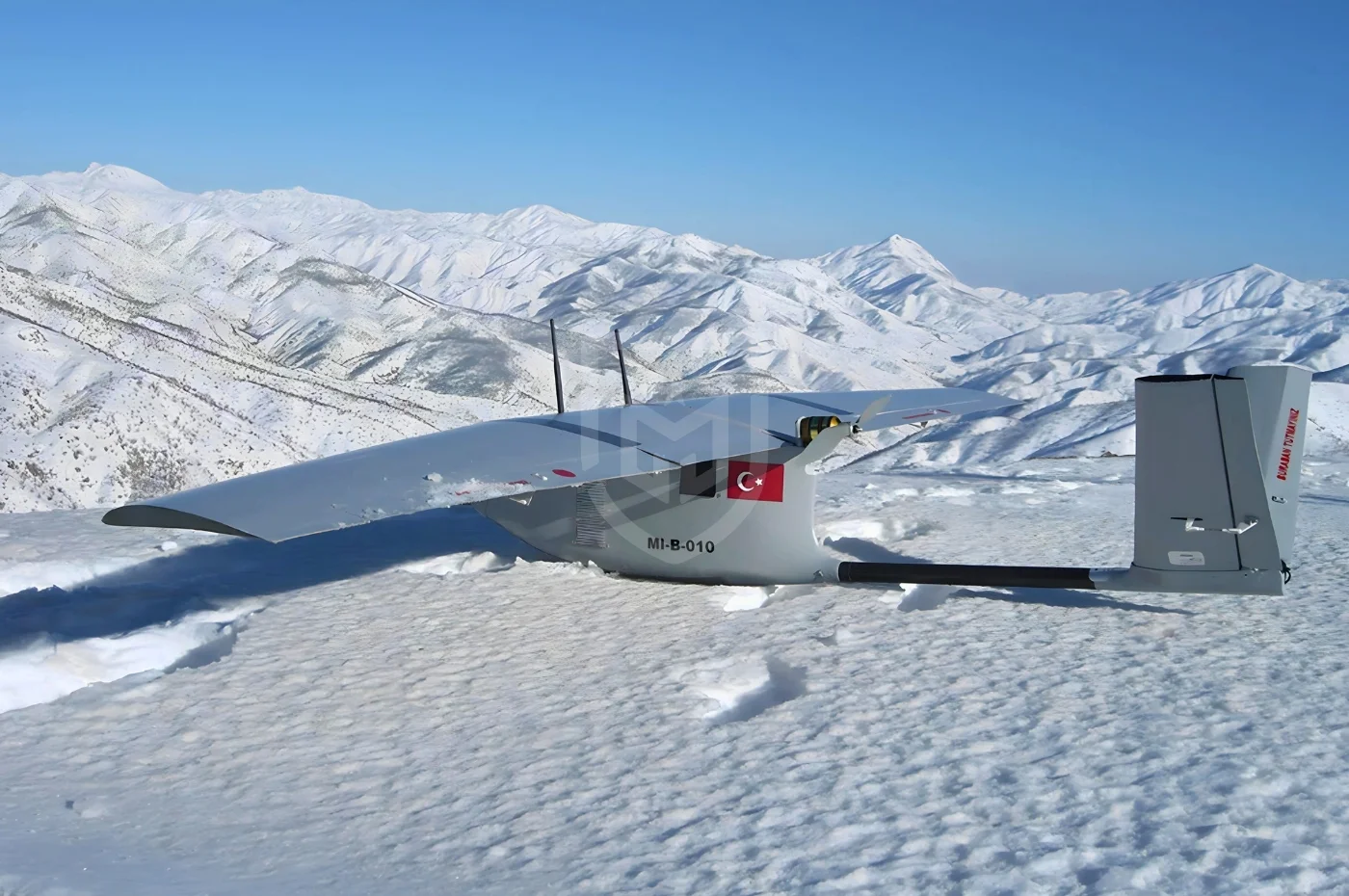
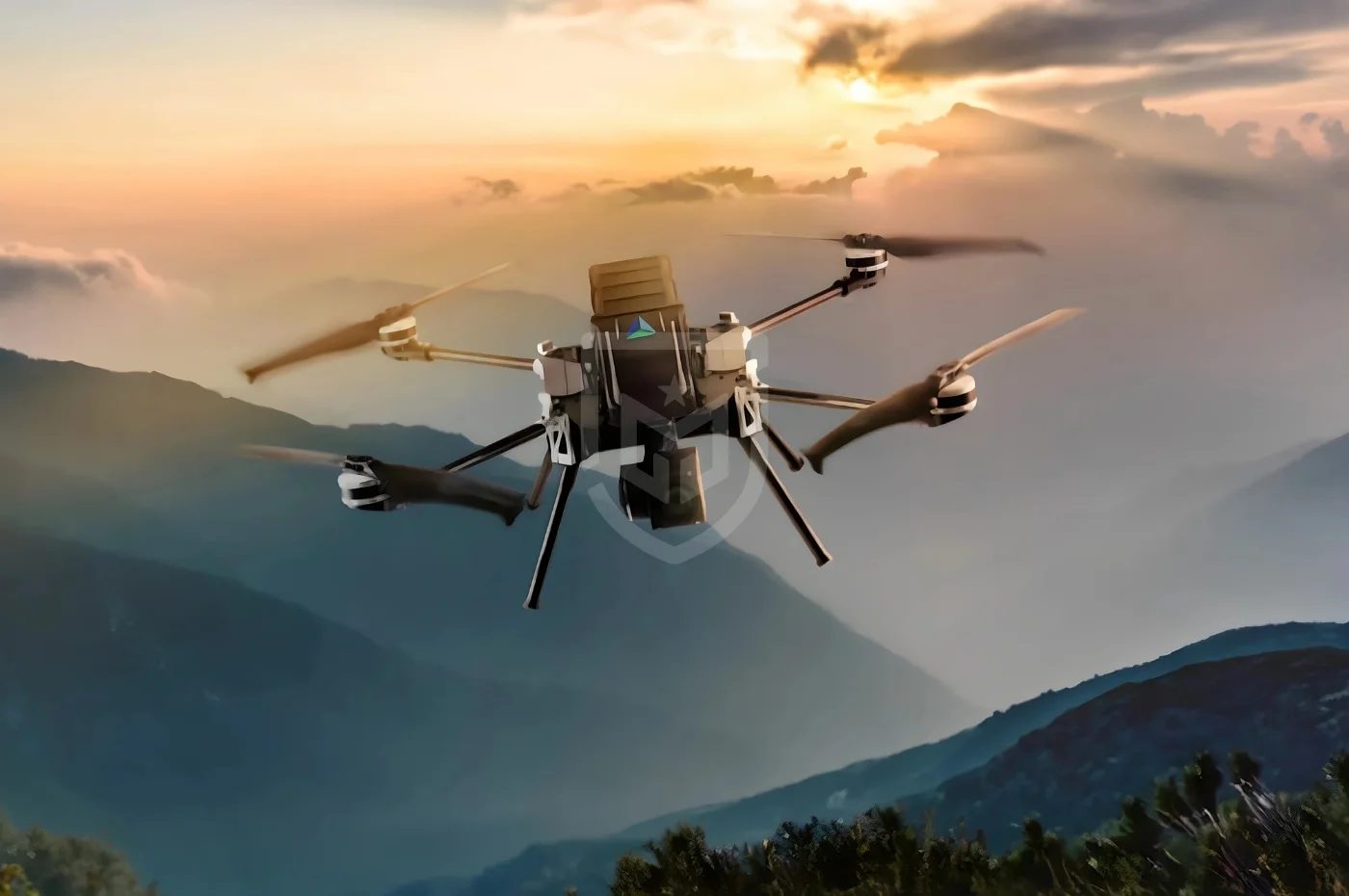
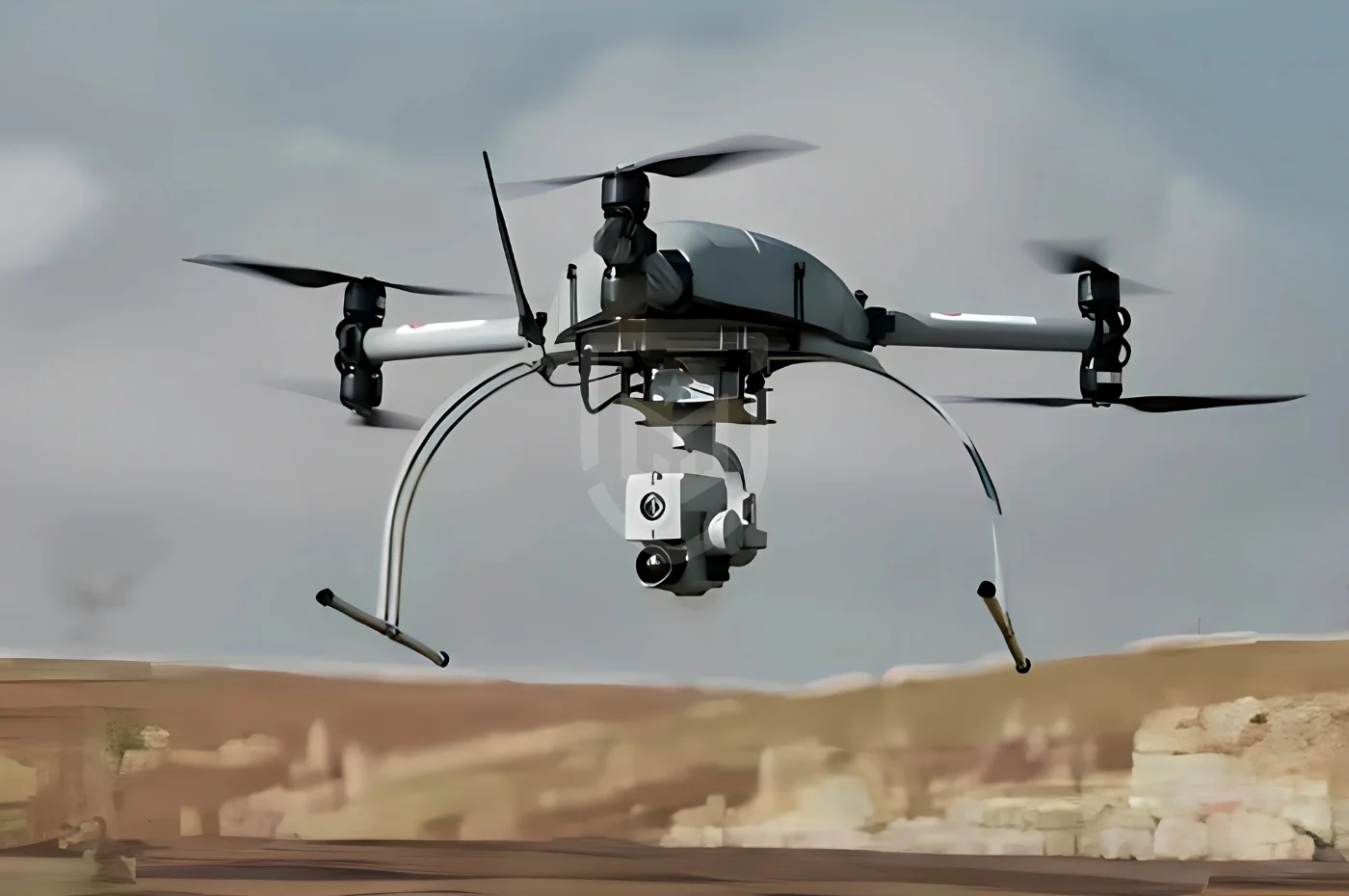
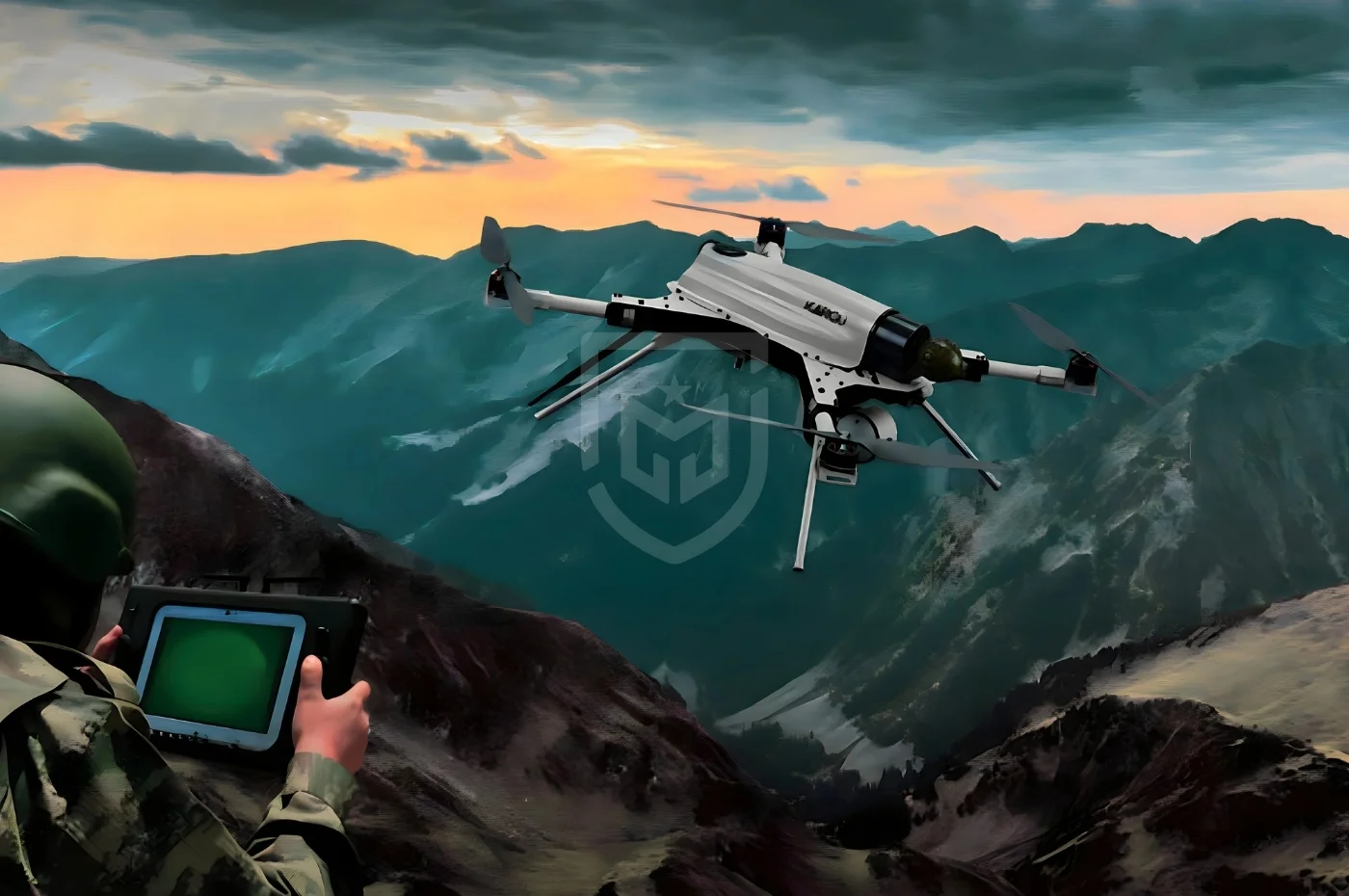
The Bayraktar Mini UAV represents one of the foundational milestones of Turkey’s indigenous unmanned systems capability. It was specifically developed to meet the tactical-level intelligence, surveillance, and reconnaissance (ISR) needs of security forces, enabling safe observation beyond line-of-sight without exposing personnel to risk.
Operational Purpose and Role
The primary mission of the Bayraktar Mini UAV is day and night reconnaissance, surveillance, area observation, border monitoring, base and facility security, and pre- and post-operation assessment. As a mini-class UAV, it is not intended for strike missions but focuses entirely on ISR and real-time intelligence support.
Doctrine and Concept of Use
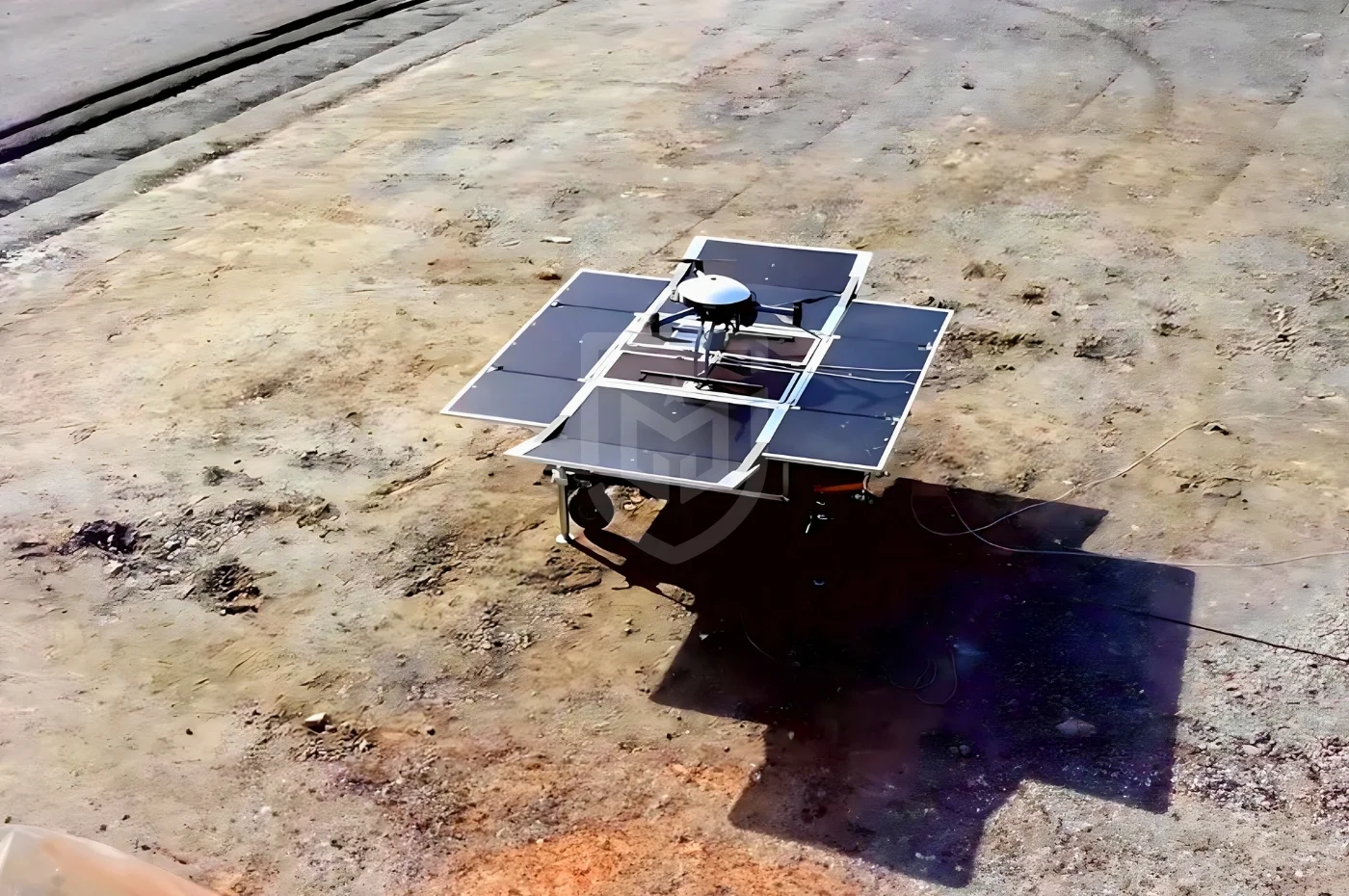
The system is designed for team- and platoon-level deployment. All components can be transported in portable cases, allowing rapid deployment without reliance on fixed bases or runways. This concept significantly enhances the operational flexibility of forward-deployed units compared to larger UAV systems.
Platform Architecture
The system consists of:
An onboard flight control computer with autonomous mission and safety algorithms forms the core of the platform.
Survivability and Protection Approach
Given its mini-class nature, survivability is achieved primarily through passive measures. The small size, low visual and radar signature, and quiet electric propulsion make detection difficult. An indigenous parachute recovery system increases platform survivability and reusability in emergency situations.
Precision, Reaction Time, and Coverage
The system operates at approximately 2,000 feet altitude with a communication range of around 15 km. Real-time video transmission significantly shortens the decision-making cycle. Automatic return-to-home and flight stabilization features reduce operator workload and increase mission safety.
Integration and Ecosystem
Although capable of standalone operation, the Bayraktar Mini UAV was developed with an architecture compatible with tactical command-and-control elements used by security forces, enabling effective integration into existing operational structures.
Advantages and Limitations Against Modern Threats
Key advantages include low cost, rapid deployment, low acoustic signature, and ease of training. Limitations stem from its class, such as restricted range and payload capacity. Resistance to electronic warfare is not publicly disclosed.
Variants and Modernization
There is no publicly announced block or variant structure. However, incremental software updates and payload improvements have reportedly been implemented throughout its service life.
Operational Use and Inventory
The Bayraktar Mini UAV is actively used by the Turkish Land Forces, Special Forces Command, Gendarmerie General Command, and General Directorate of Security. Exact inventory numbers are not publicly disclosed.
Detailed Technical Information
Dimensions and Weight
Exact dimensions and weight are not publicly disclosed. The system conforms to standard mini-class UAV portability requirements.
Power System
Electric propulsion system. Battery type and capacity are not publicly disclosed. An intelligent battery management system is included.
Performance
Sensors and Detection Capability
Target Detection and Tracking
Automatic target tracking and image stabilization capabilities are available. The number of simultaneously trackable targets is not publicly disclosed.
Engagement and Fire Control
The system is unarmed and does not perform kinetic engagement.
Command, Control, and Data Links
Electronic Warfare Resistance
Resistance to jamming and electronic attack is not publicly disclosed.
Deployment and Mobility
Personnel and Operation
Designed for operation with minimal personnel. Exact crew requirements are not publicly disclosed.
Frequently Asked Questions
What is the Bayraktar Mini UAV used for?
What is its range?
What types of targets can it detect?
Can it operate at night?
How many UAVs can be controlled simultaneously?
Is it mobile or fixed?
Is it armed?
What are its equivalents?
Sources




The cookies used on our website are used to provide you with a better user experience and to improve our website. You can manage your cookie preferences from the options below.