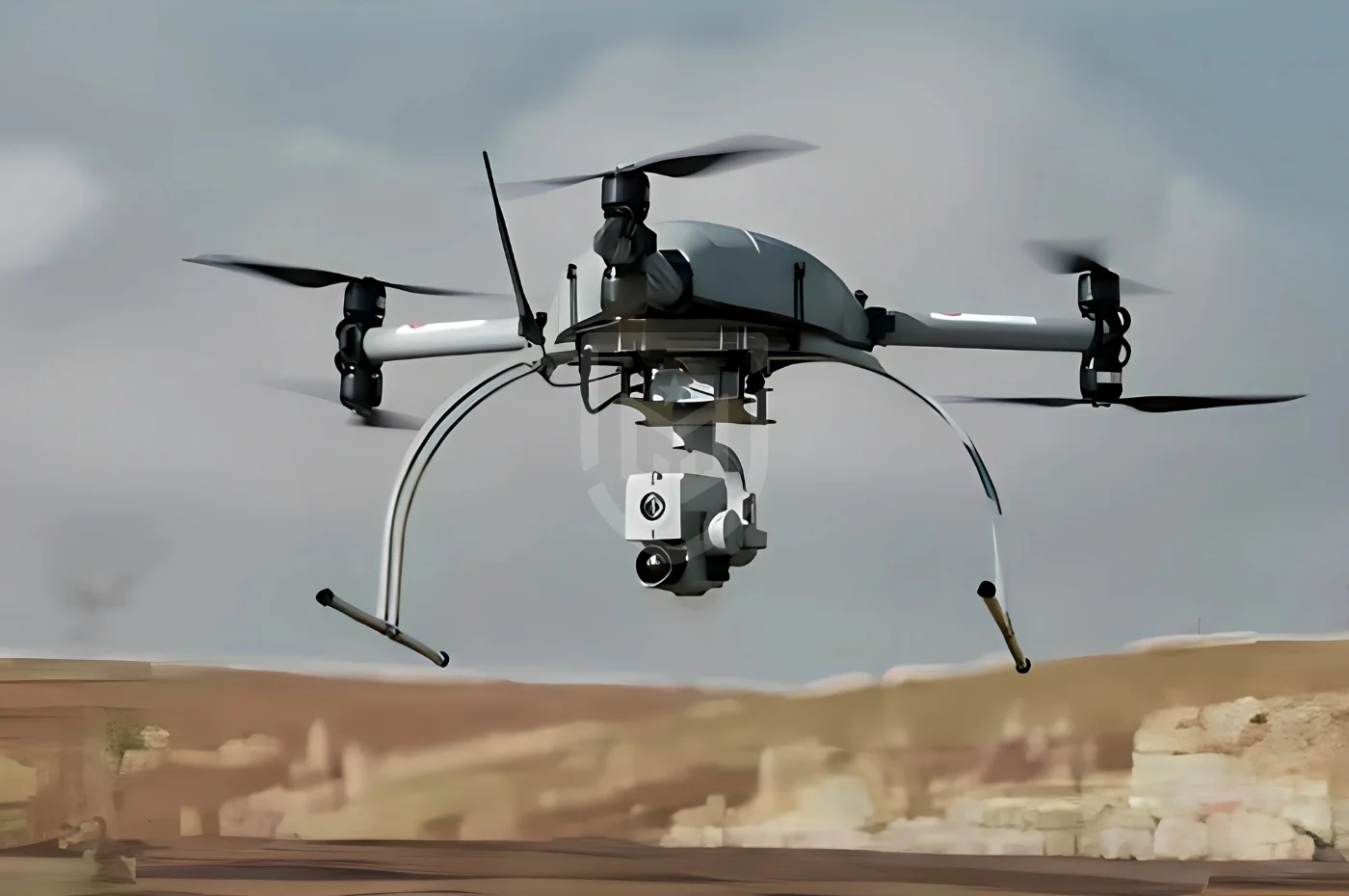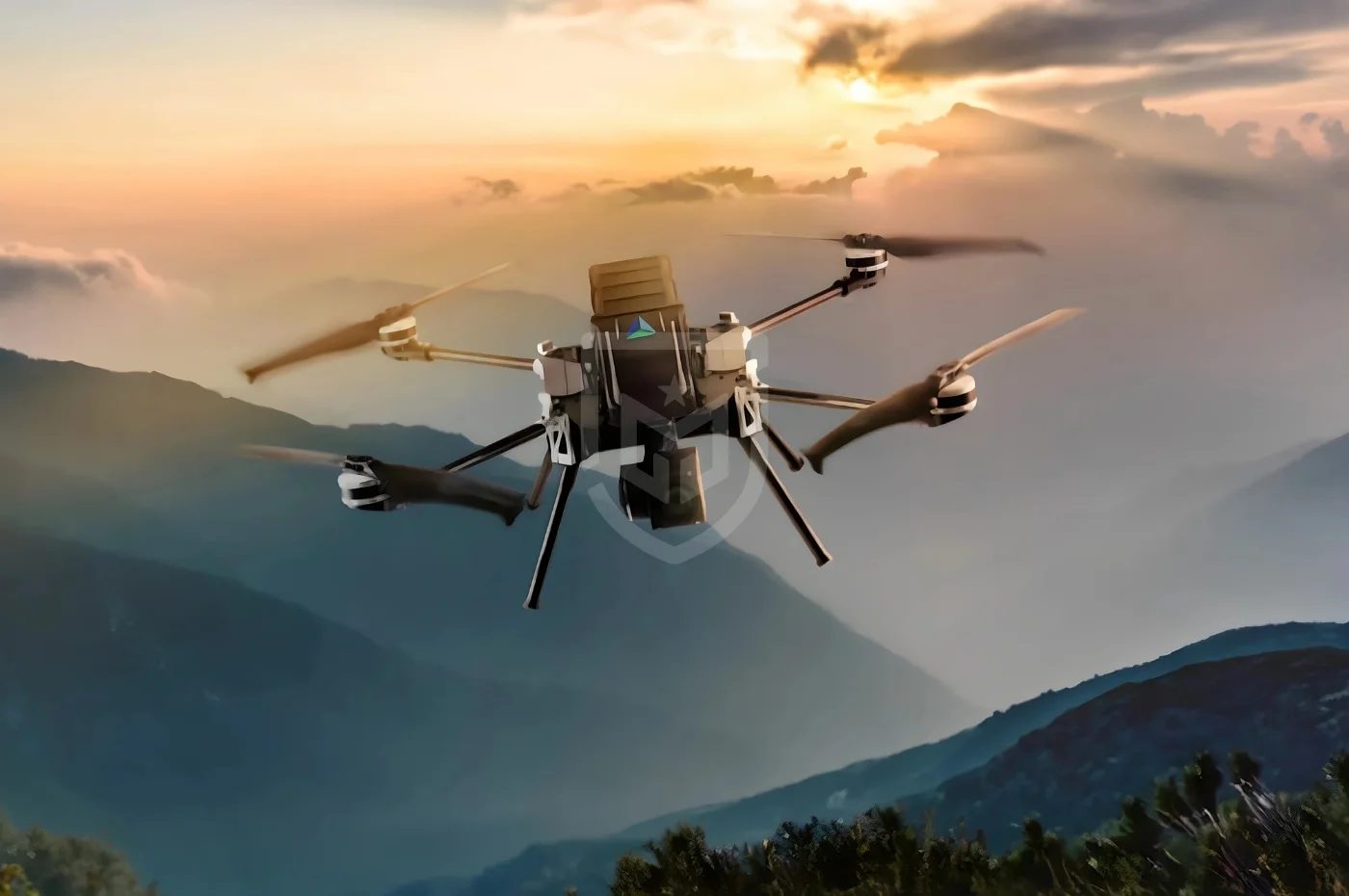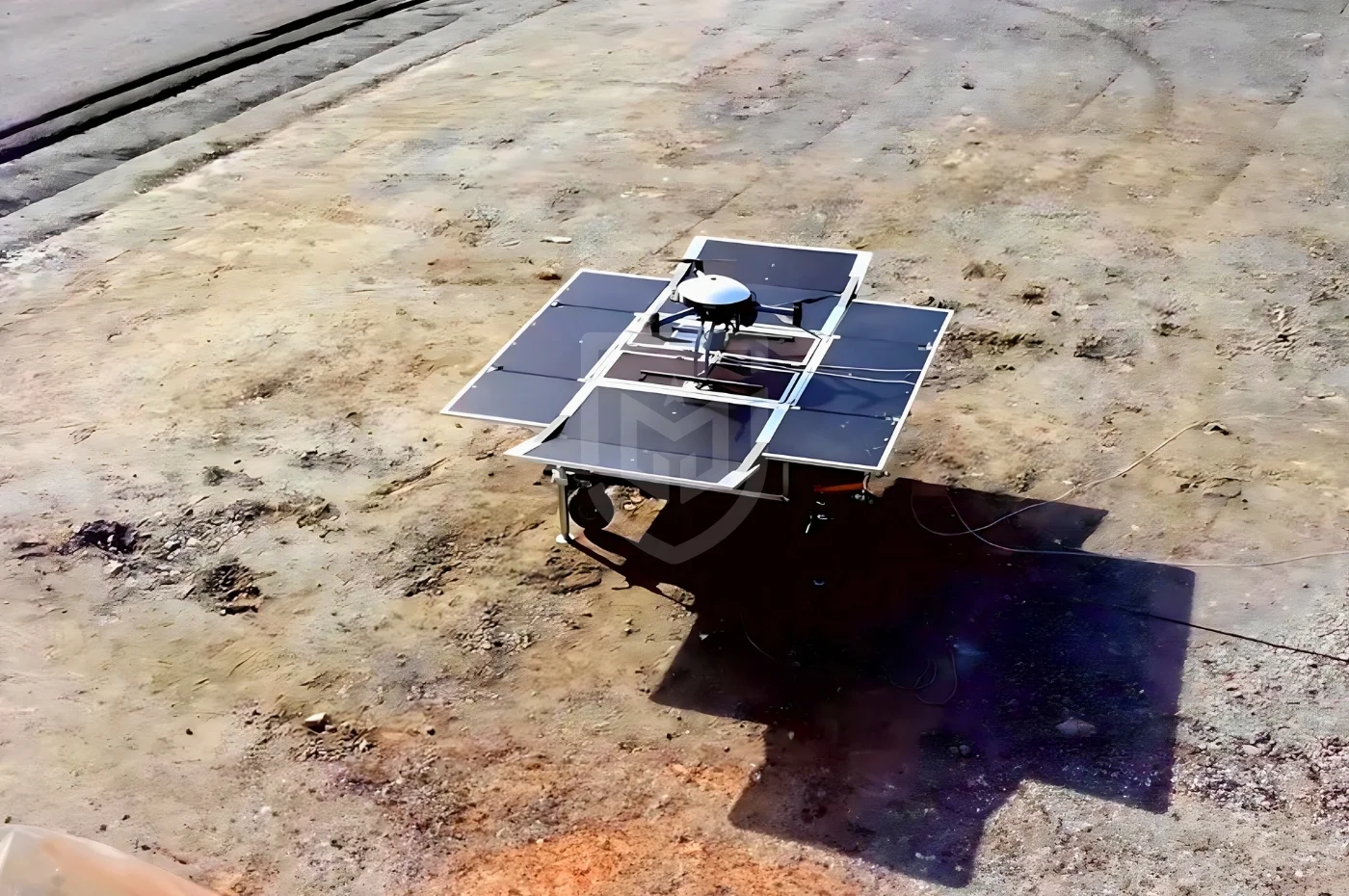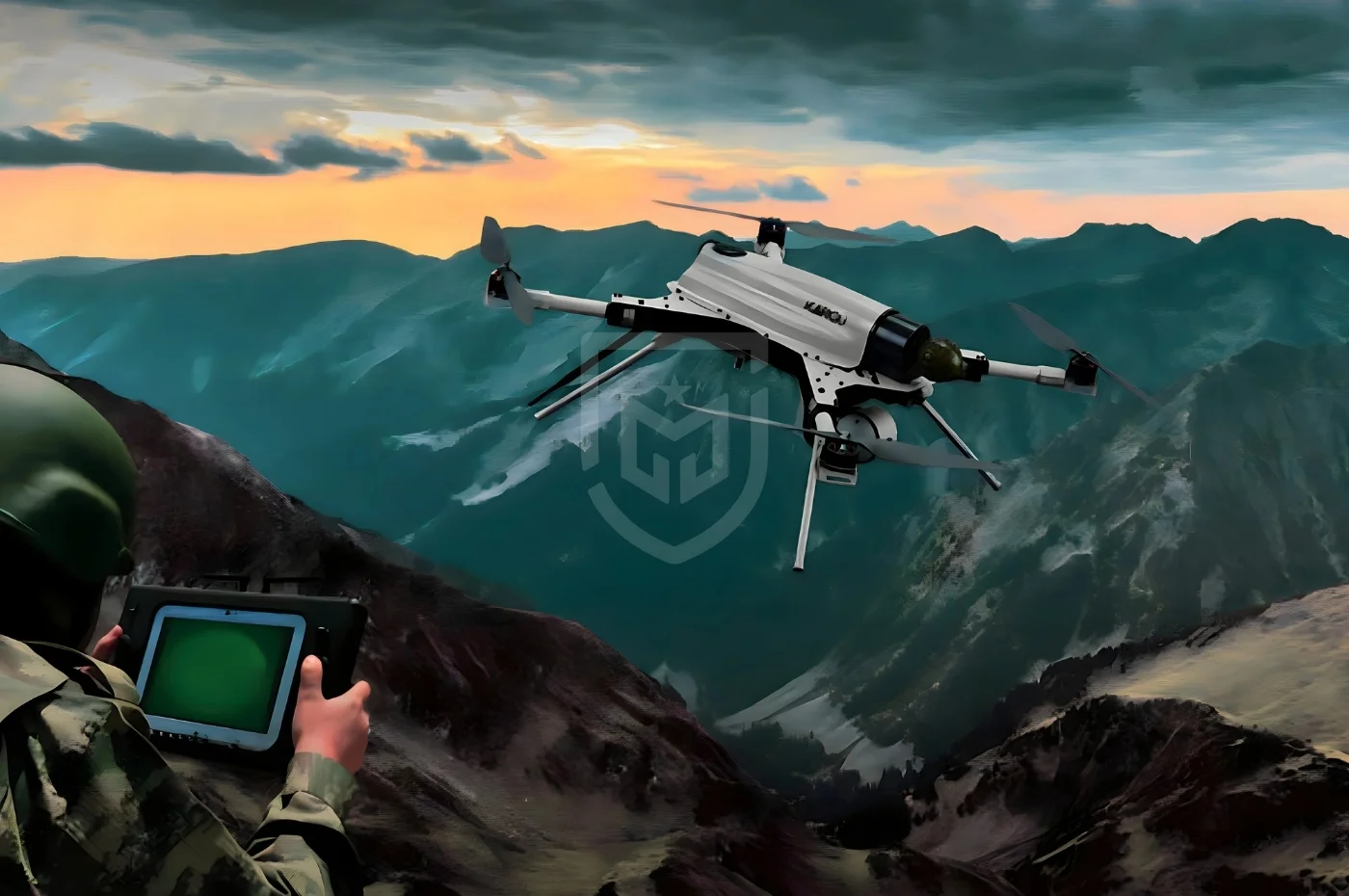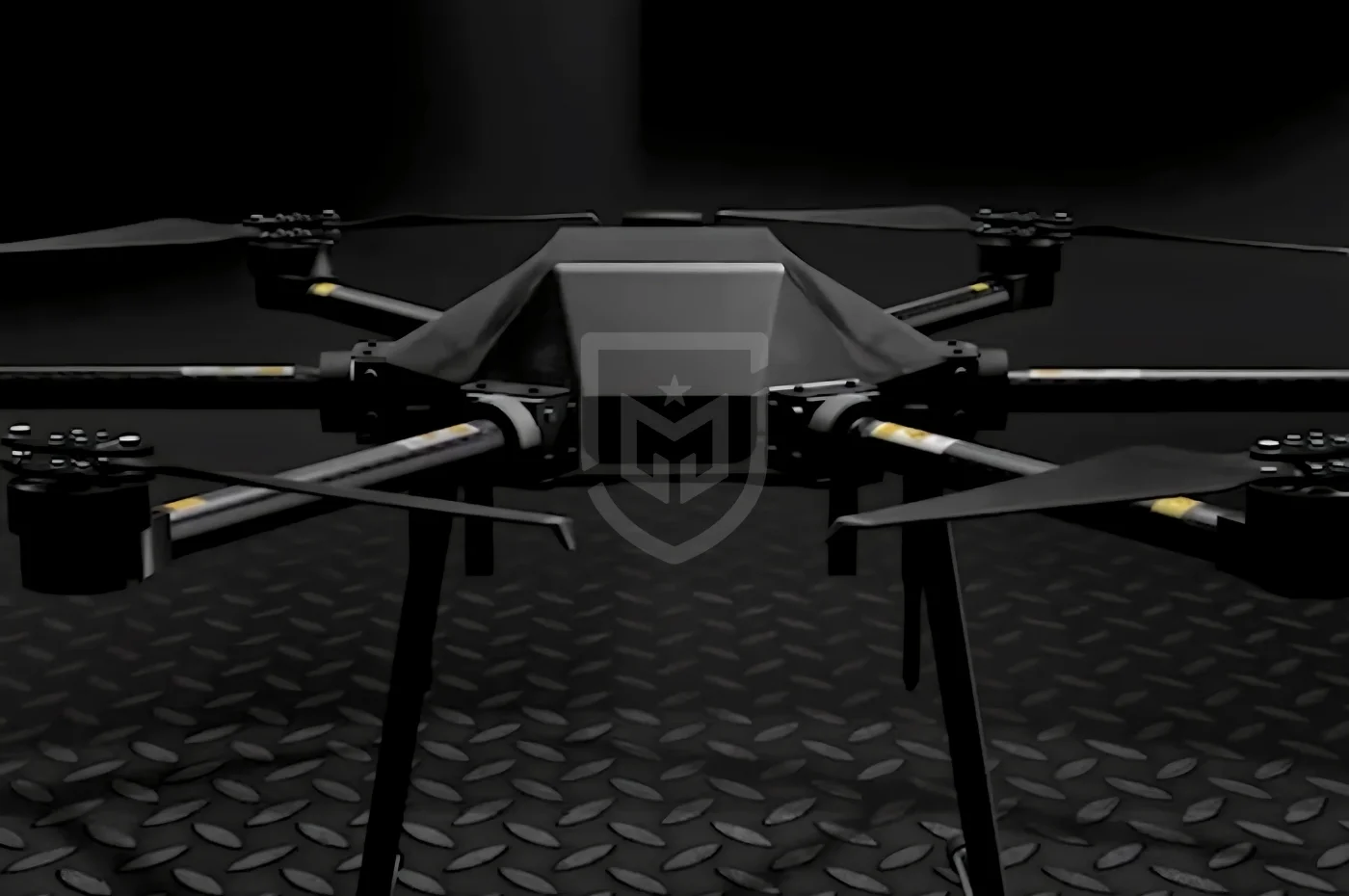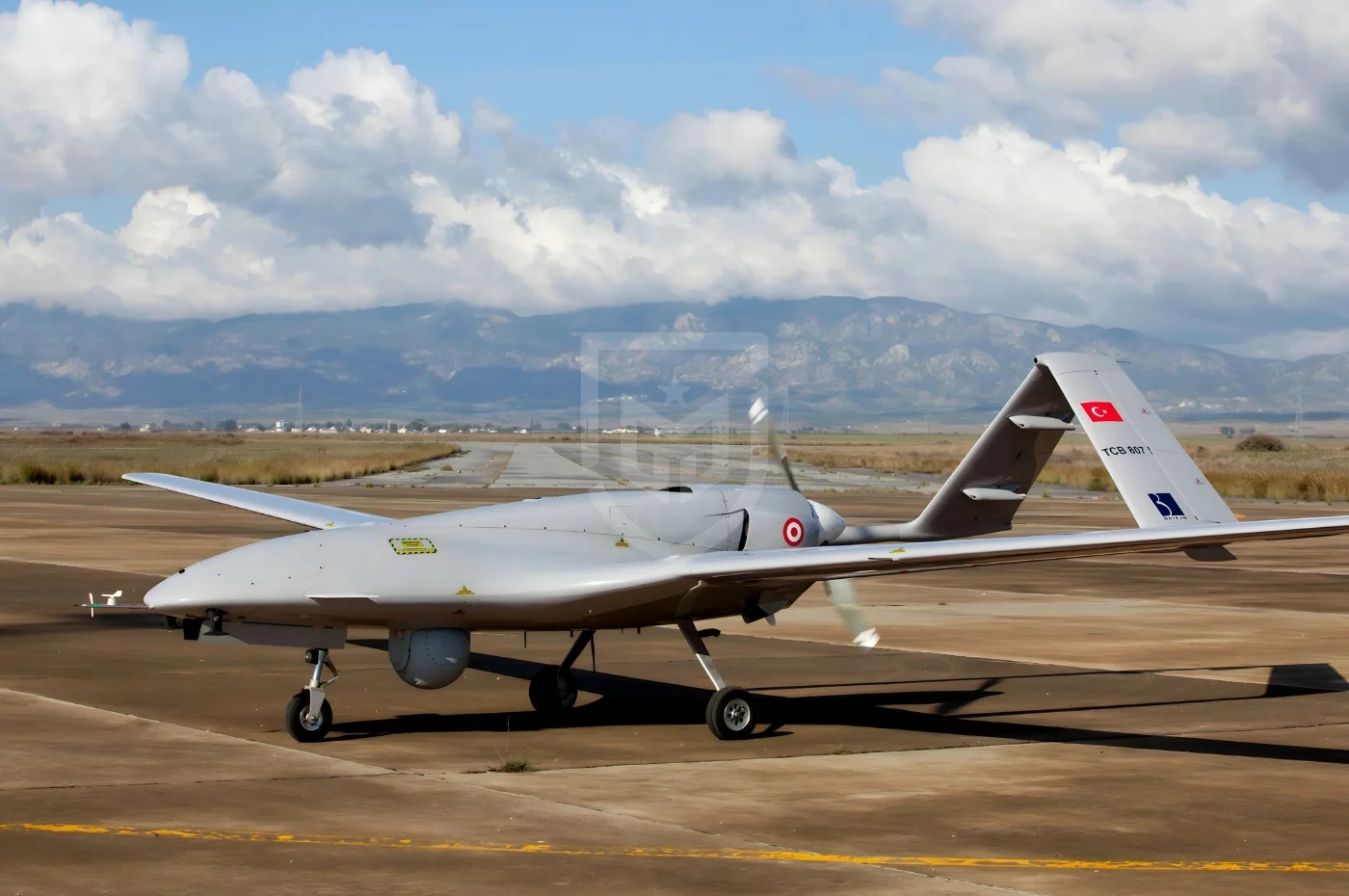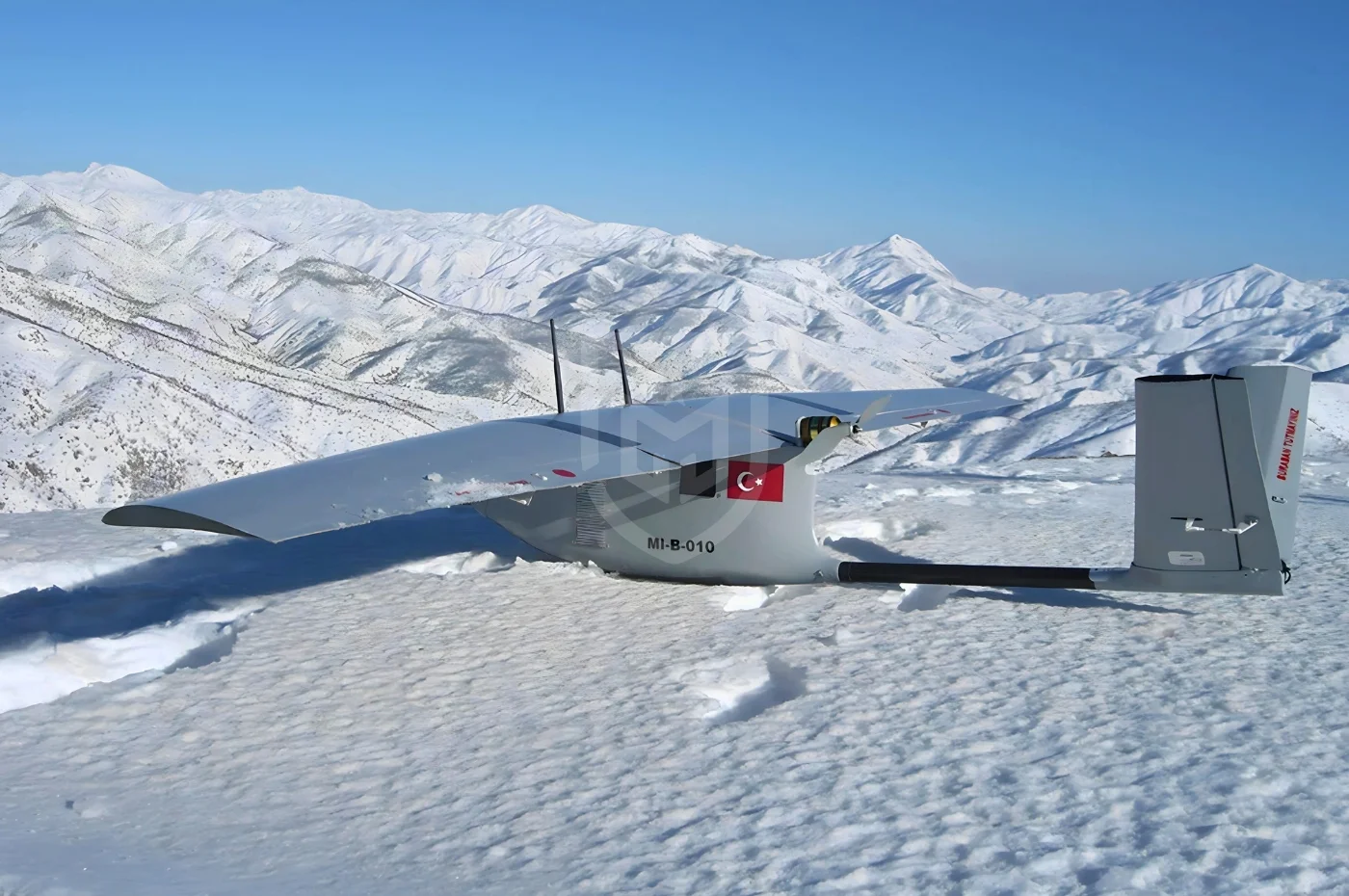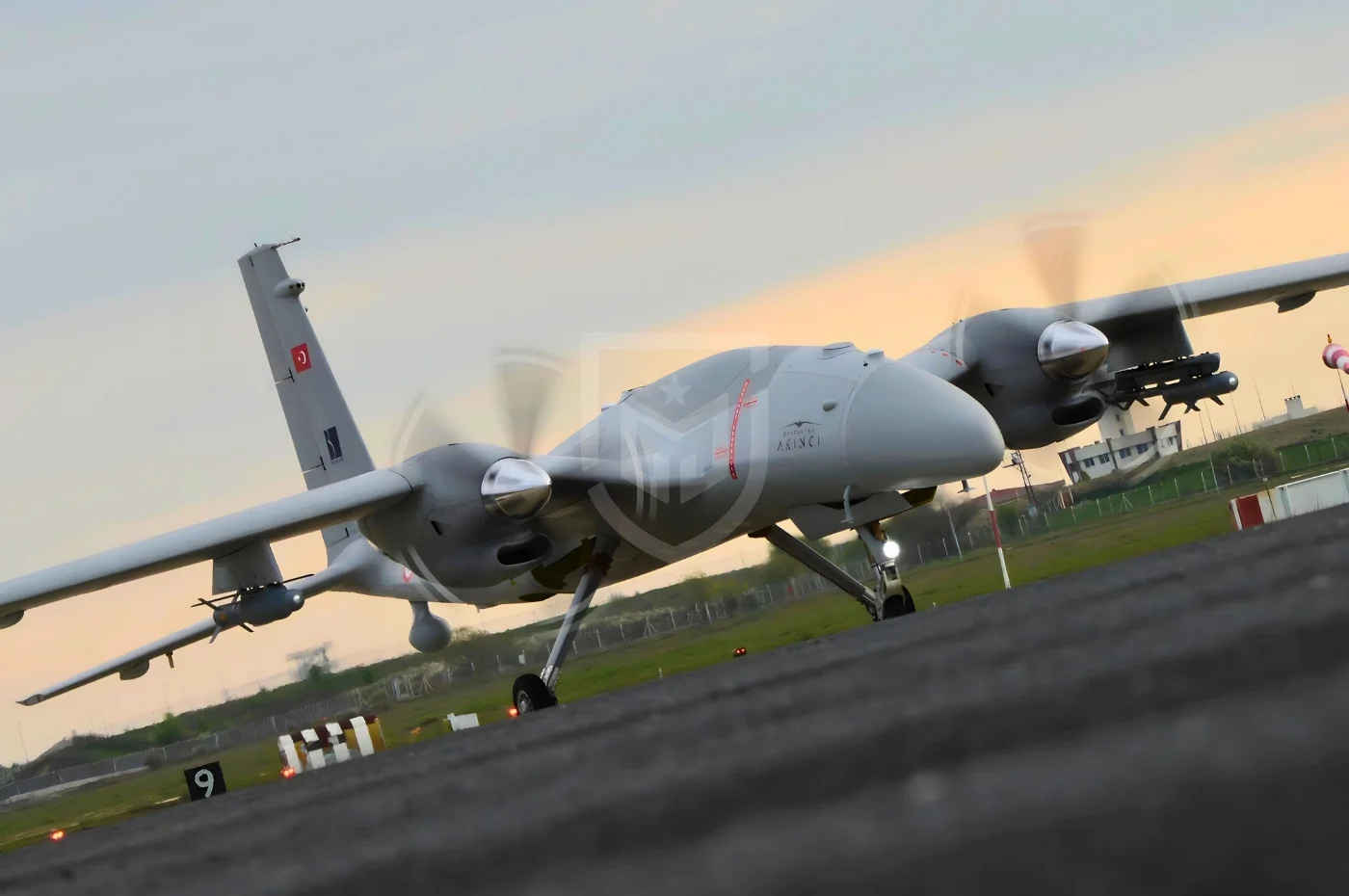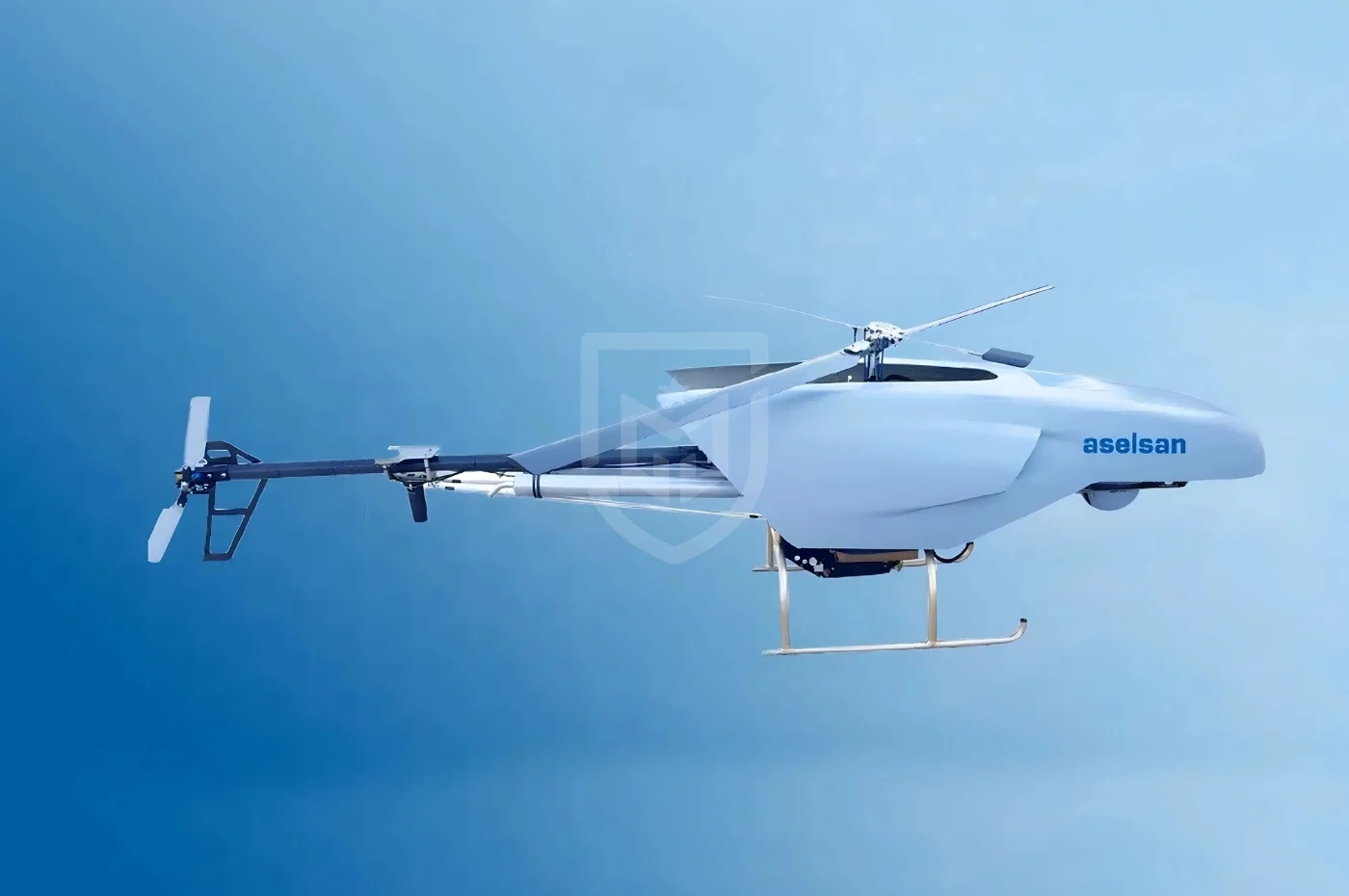
SERÇE-1 belongs to the class of multirotor tactical UAVs, emphasizing vertical take-off and landing (VTOL) capability without the need for runways or launch systems. This architecture enables operations in urban areas, mountainous terrain, border zones, and confined environments where fixed-wing UAVs are less effective.
Operational Role and Doctrine
The system is primarily intended for:
- Tactical ISR missions
- Border and perimeter security
- Traffic monitoring and public safety
- Law enforcement and internal security operations
SERÇE-1 supports decentralized operations, allowing small units to independently deploy aerial surveillance assets without reliance on higher-level aviation infrastructure.
System Architecture
The SERÇE-1 system consists of:
- Air vehicle (multirotor UAV)
- Electro-optical/infrared (EO/IR) stabilized payload
- Autopilot and navigation system
- Digital data link
- Portable Ground Control Station (GCS)
The architecture is designed to be modular, allowing payload and communication upgrades within the limits of public specifications.
Autonomy and Mission Management
SERÇE-1 features full autonomous capability including:
- Autonomous take-off and landing
- Waypoint-based navigation
- In-flight mission re-planning
- Automatic return-to-home in case of data link loss
- Smart battery management for safe recovery
These capabilities reduce operator workload and increase mission reliability in dynamic environments.
Survivability and Environmental Resistance
The system is engineered for operations under adverse weather and environmental conditions. Its wind resistance, temperature tolerance, and IP-rated protection enable reliable performance in field deployments.
Integrated Ecosystem
SERÇE-1 can be integrated with:
- Tactical command and control systems
- Network-centric operational architectures
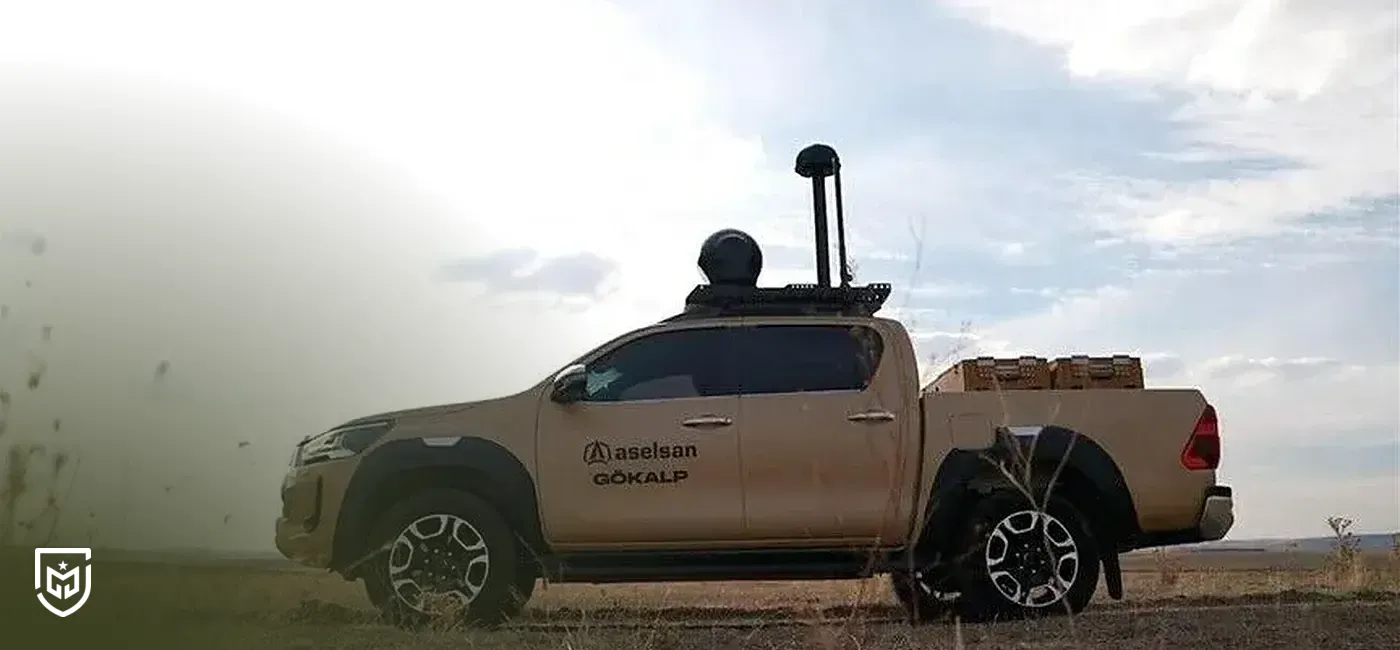
- Portable and vehicle-mounted ground stations
Publicly available information does not indicate weaponization or kinetic payload integration.
Detailed Technical Information
Dimensions and Weight
- Maximum Take-Off Weight: Below 6.5 kg (publicly stated upper limit)
- Payload Capacity: Approximately 1 kg
Power and Propulsion
- Propulsion: Electric multirotor configuration
- Energy Source: Smart battery system (exact chemistry not publicly disclosed)
Performance
- Endurance: More than 30 minutes with 1 kg payload
- Cruise Speed: ~45 km/h
- Maximum Operational Altitude: Up to 10,000 ft
- Operational Range (Data Link):
- Standard: ~3 km
- Extended: Over 5 km (configuration-dependent)
Sensors and Detection
- Payload:
- 3-axis gyro-stabilized gimbal
- Daylight camera
- Thermal camera
- Image Processing: EO/IR fused imagery
- Optional Payload: Hyperspectral camera (publicly stated as optional)
Exact detection and recognition ranges are not publicly disclosed.
Target Tracking and Observation
- Real-time video streaming
- Target lock and stabilized tracking
- No public information on automatic target classification algorithms
Command, Control and Data Links
- Digital network-based communication
- Real-time video downlink
- Mission planning, execution, and recording via GCS
- Integration capability with higher-level command systems
Encryption standards and anti-jamming specifications are not publicly disclosed.
Environmental Limits
- Operating Temperature: −20°C to +52°C
- Wind Resistance: Up to ~54 km/h
- Ingress Protection: IP52
Deployment and Logistics
- Foldable arms for transport
- Rapid deployment by small teams
- No runway or launch equipment required
Personnel Requirement
- Typically operated by a small team (exact crew size not publicly specified)
Frequently Asked Questions (FAQ)
What is SERÇE-1 used for?
- SERÇE-1 is used for tactical intelligence, surveillance, and reconnaissance missions, providing real-time aerial imagery to security forces during operations.
What is the operational range of SERÇE-1?
- The standard communication range is approximately 3 km, extendable beyond 5 km depending on configuration.
Can SERÇE-1 operate at night?
- Yes. The integrated thermal camera enables effective night and low-visibility operations.
Is SERÇE-1 fully autonomous?
- Yes. The system supports autonomous take-off, landing, navigation, and emergency return functions.
Is SERÇE-1 armed?
- No public information indicates any weaponization capability. SERÇE-1 is configured solely for ISR roles.
Is the system mobile?
- Yes. It is fully portable, requires no runway, and can be rapidly deployed by small units.
How does SERÇE-1 compare to similar systems?
- Compared to commercial-grade multirotor UAVs, SERÇE-1 emphasizes military-grade autonomy, environmental resistance, and secure integration with command systems.
Sources
- ASELSAN official product and UAV family publications
- Public technical brochures and presentations
- Turkish defense industry news portals and open-source defense analyses
(Only publicly available and non-classified sources were used.)