Weapons and Turrets


BREAKING NEWS
Operational Role and Mission Profile
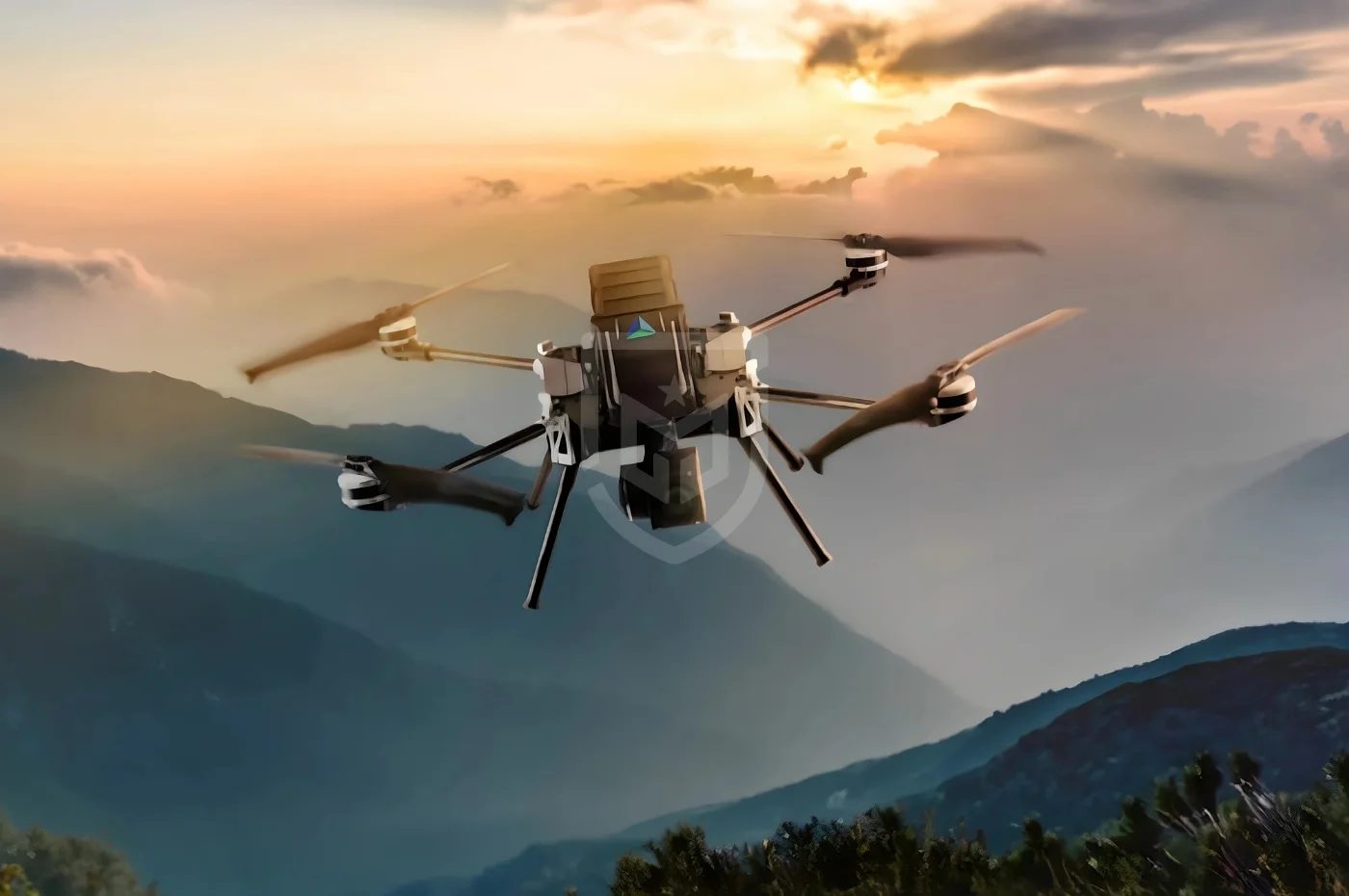
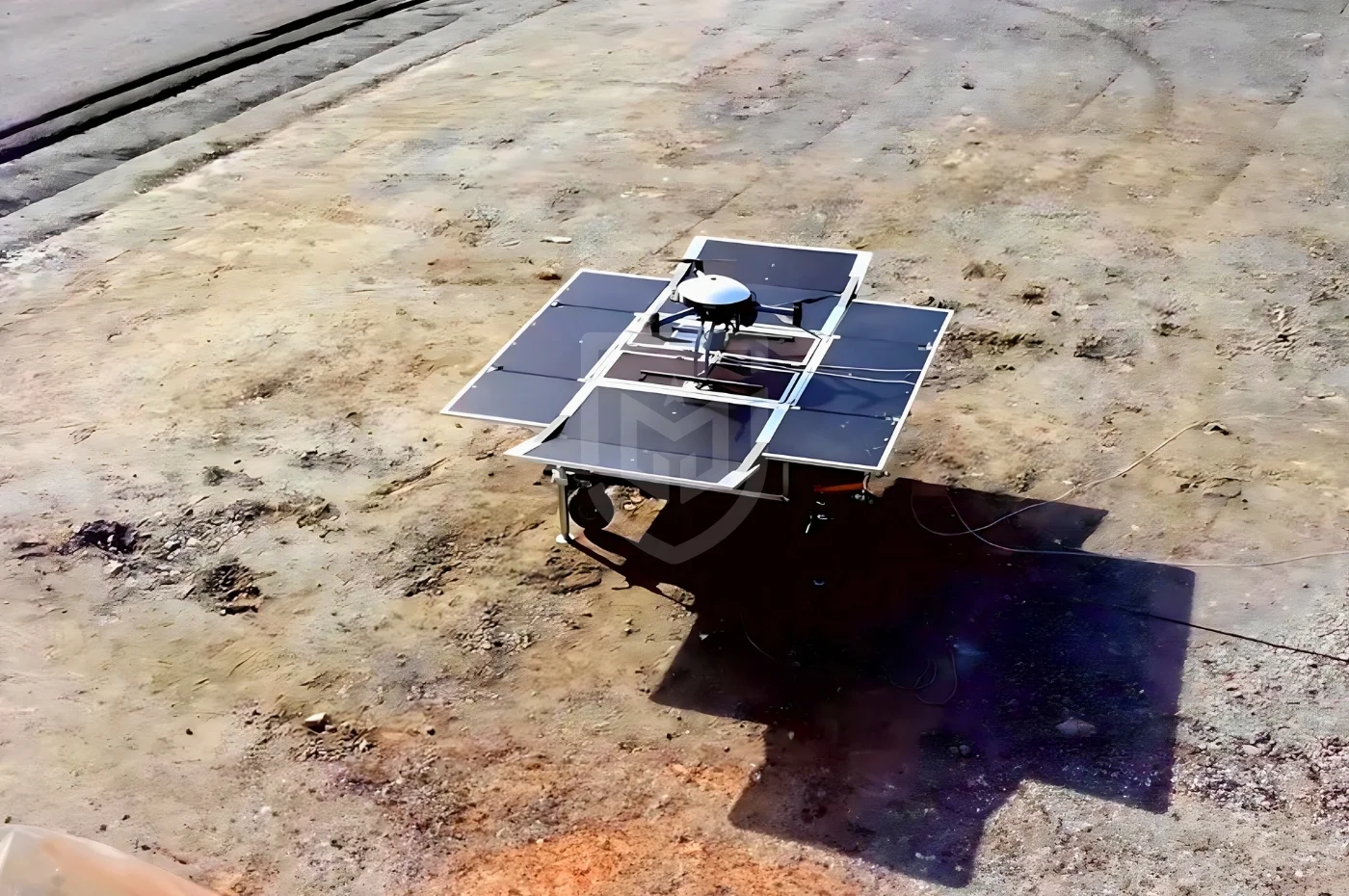
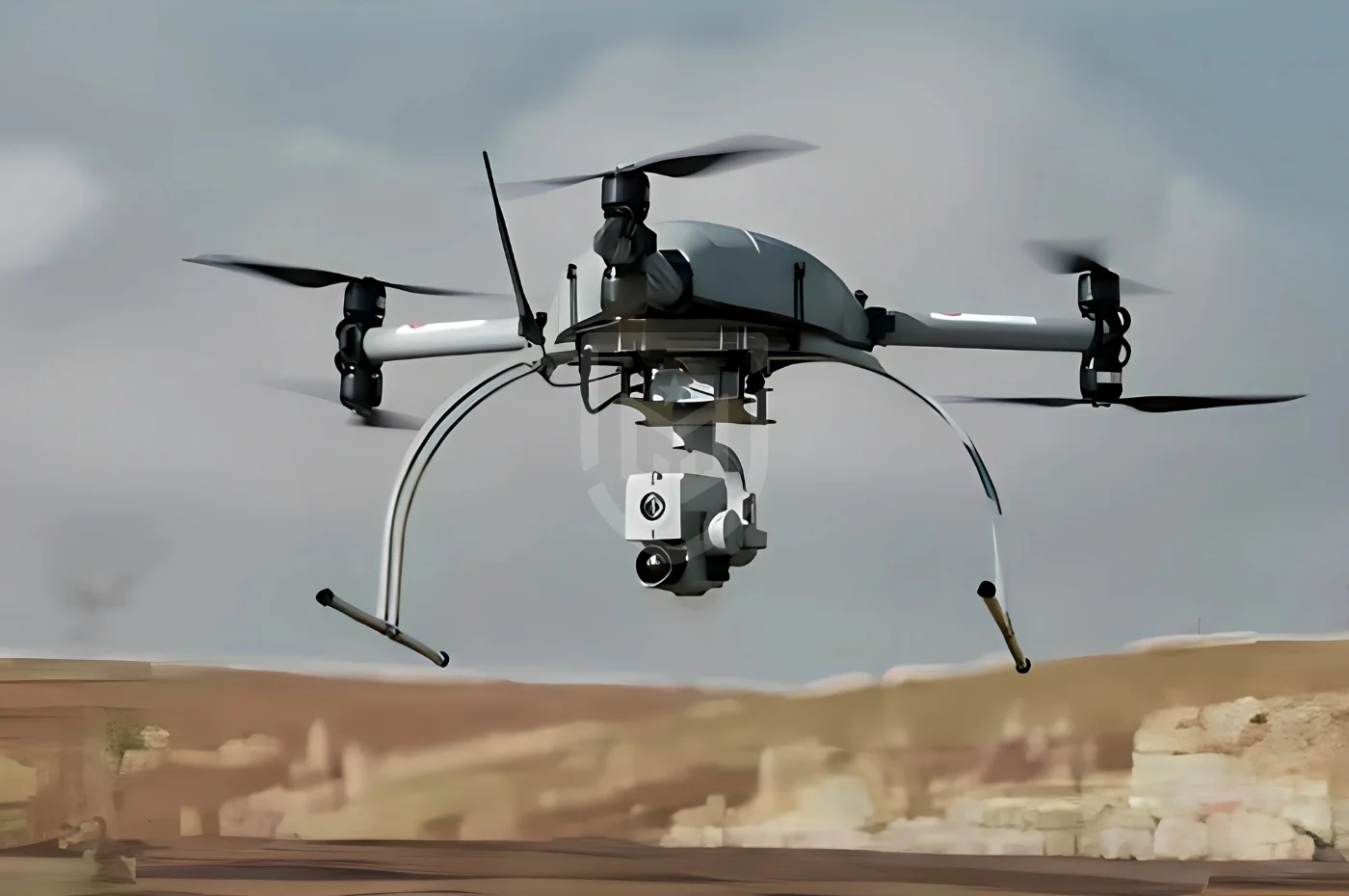
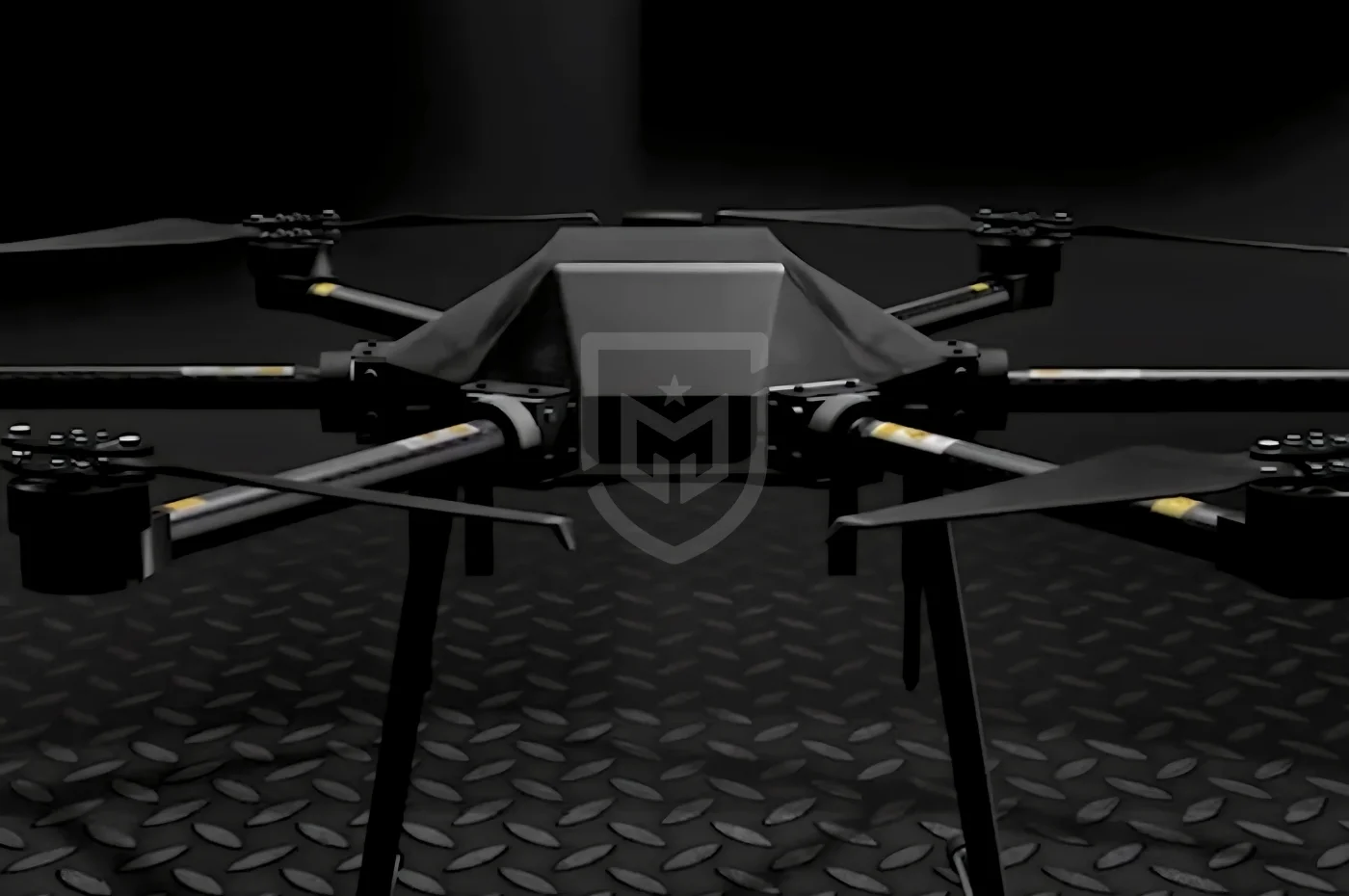
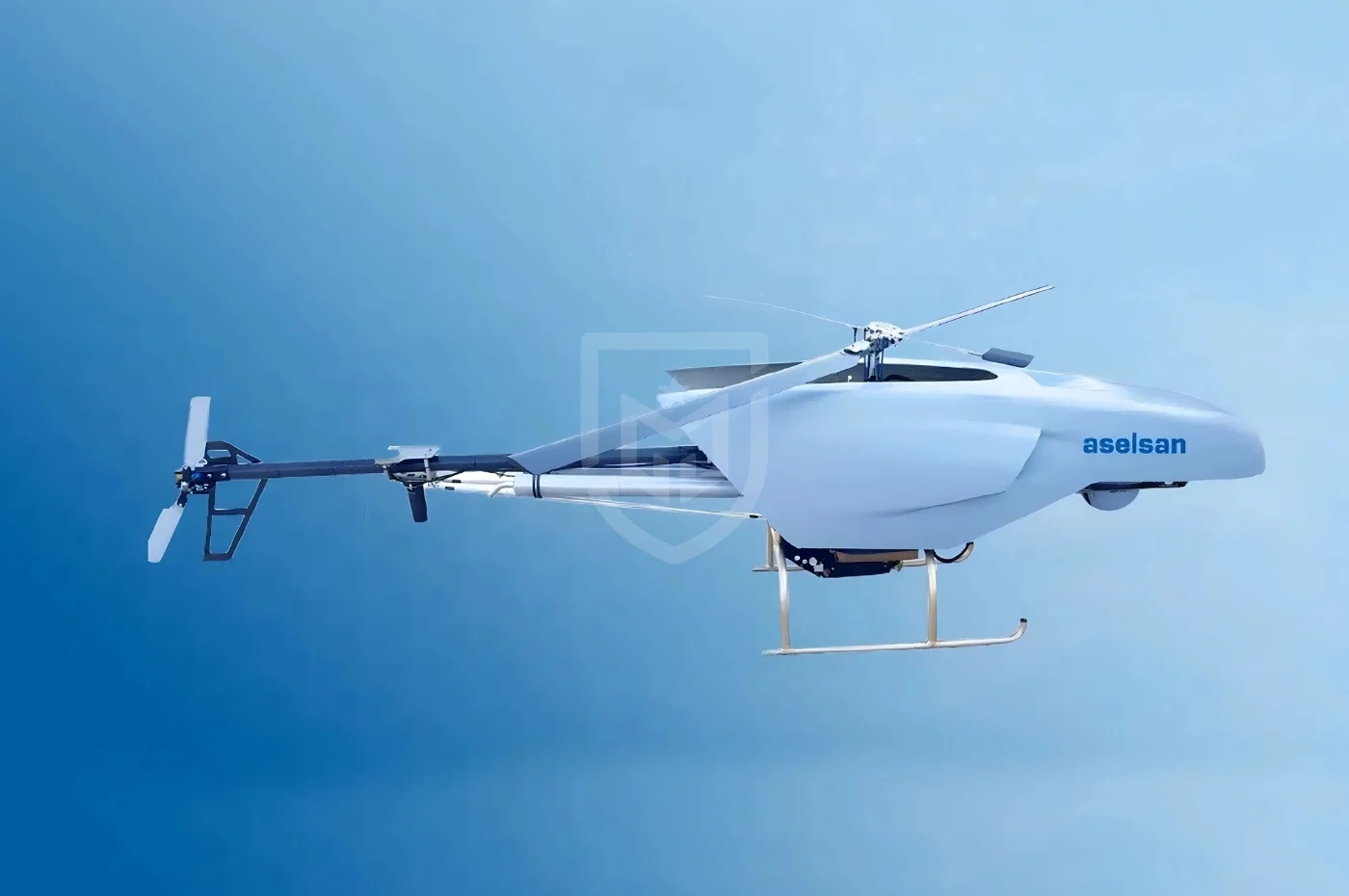
ARI-1T is primarily intended for short- to medium-range ISR missions at the tactical level. Its rotary-wing configuration enables vertical take-off and landing (VTOL), eliminating the need for runways or launch systems. This makes it highly suitable for confined areas, forward-deployed units, and shipborne operations.
Doctrine and Concept of Operations
ARI-1T supports a wide range of missions, including:
The system is designed to operate with minimal operator workload, executing pre-planned missions autonomously while allowing manual intervention when required.
System Architecture
The ARI-1T system consists of:
All subsystems are developed with ASELSAN’s proprietary avionics and software infrastructure.
Survivability and Safety Concept
As a mini-class UAV, ARI-1T does not feature physical armor or active protection systems. Survivability is enhanced through:
Precision, Responsiveness, and Coverage
The helicopter-type design allows persistent hover over a target area, providing high-quality observation of static and moving targets. With a 15 km control and video link, ARI-1T delivers effective coverage for tactical ISR missions.
Integration and System Ecosystem
ARI-1T is designed to integrate with ASELSAN’s broader ISR and command-and-control ecosystem. Real-time video and telemetry are transmitted to the GCS. Details regarding integration with third-party C4ISR systems have not been publicly disclosed.
Advantages and Limitations Against Modern Threats
Key Advantages
Limitations
Variants and Upgrades
No officially announced variants, blocks, or armed versions of ARI-1T have been disclosed in open sources. The system is believed to support modular payload and software upgrades.
Operational Use and Deployment
Public sources do not specify the number of systems produced or fielded, nor confirmed end users. ARI-1T has been presented by ASELSAN as an operationally ready system in demonstrations and exhibitions.
Detailed Technical Information
Dimensions and Weight
Propulsion and Power
Performance
Sensors and Detection Capabilities
Target Detection and Tracking
Engagement and Fire Control
Command, Control, and Data Links
Electronic Warfare Resistance
ECCM and electronic protection features: Not publicly disclosed
Deployment and Mobility
Personnel and Operation
Frequently Asked Questions
What is ARI-1T used for?
What is its operational range?
What types of targets can it detect?
Can it operate from ships?
Is ARI-1T fully autonomous?
Is the system armed?
How does it differ from similar systems?
Sources




The cookies used on our website are used to provide you with a better user experience and to improve our website. You can manage your cookie preferences from the options below.