
Weapons and Turrets


BREAKING NEWS
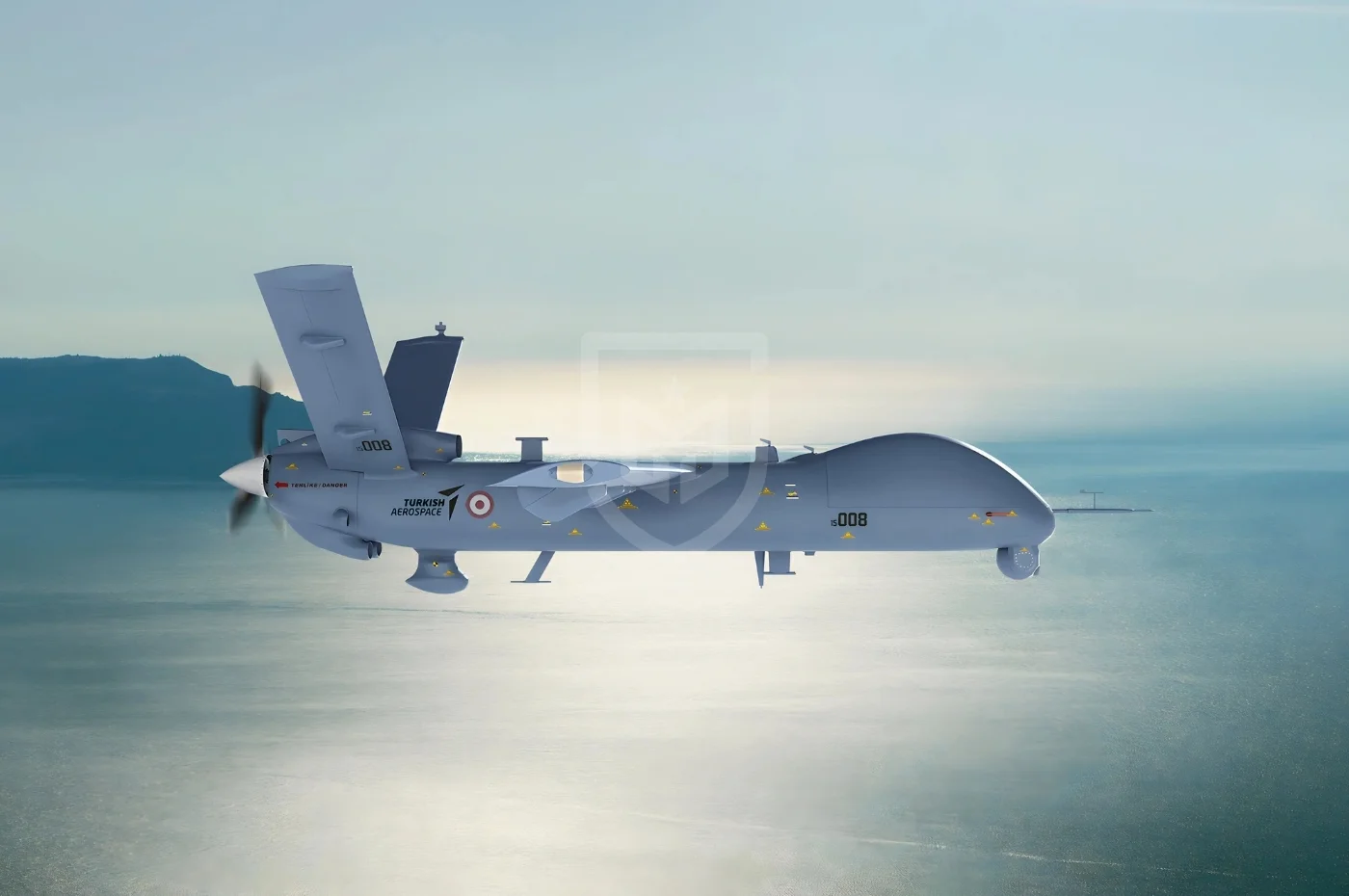
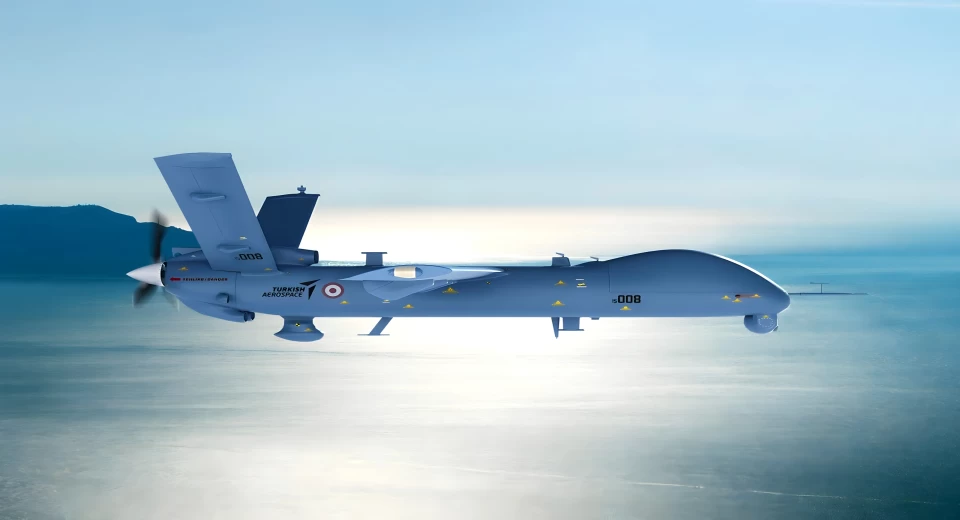
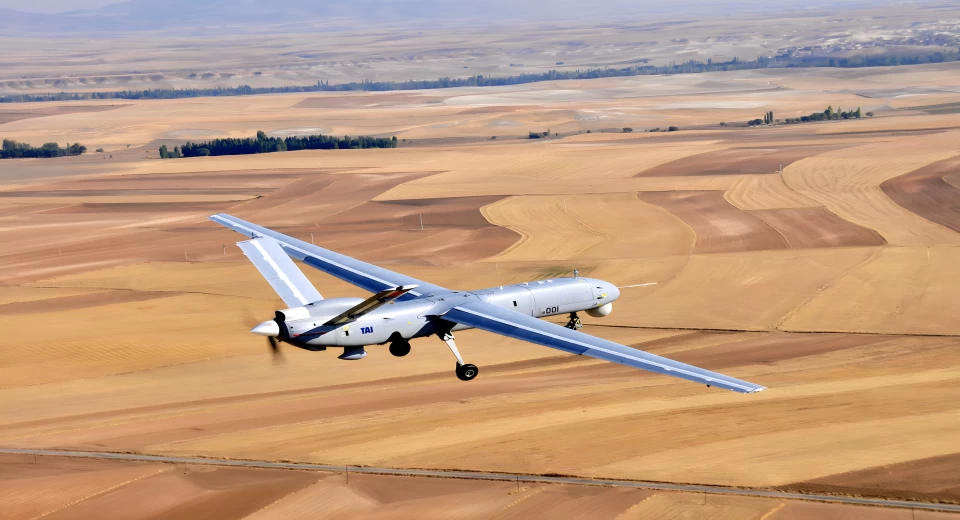
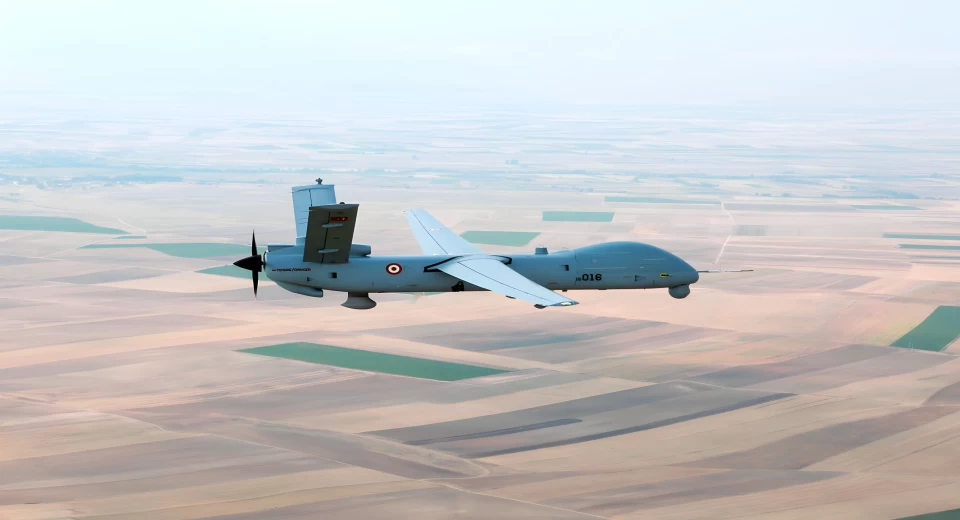
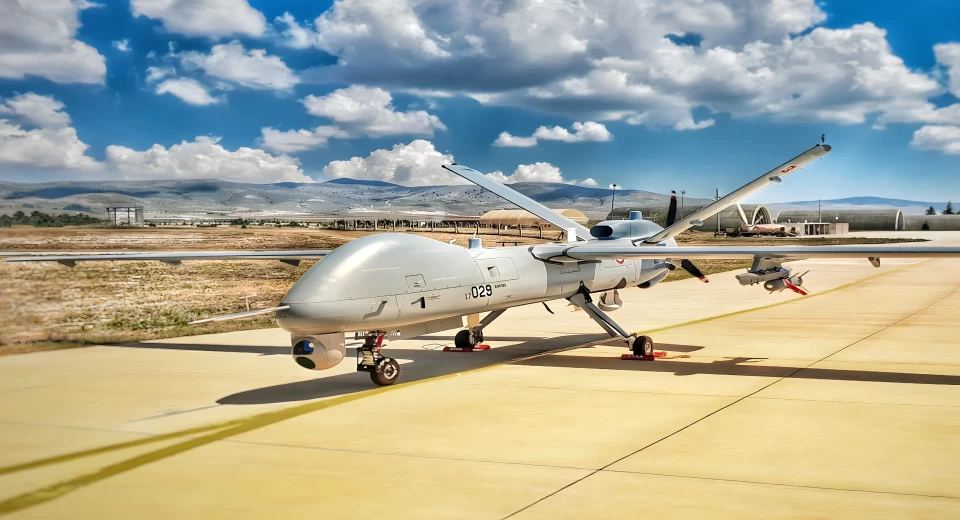
The ANKA system was developed as part of Türkiye’s strategic objective to reduce foreign dependency and establish an indigenous MALE-class UAV capability. Its primary operational role is to provide tactical and operational-level intelligence, surveillance, and reconnaissance while retaining the capability to conduct precision strike missions when equipped with guided munitions.
Operational Purpose and Role
ANKA operates primarily within the 18,000–23,000 ft mission altitude band, enabling extended-area surveillance while remaining relatively outside the engagement envelope of many short-range air defense systems. This altitude range provides optimal performance for electro-optical and radar payloads.
In its armed configuration, ANKA conducts precision strikes against time-sensitive and high-value targets, particularly in asymmetric warfare and cross-border operational environments. Electronic warfare variants are designed to perform electronic support and electronic attack missions against adversary communication and radar systems.
Doctrine and Concept of Operations
ANKA is designed in accordance with network-centric warfare principles. It provides real-time data transfer to C4I systems and integrates into broader command and control architectures.
Typical mission profiles include:
The Ground Control Station (GCS) complies with STANAG 4586, enabling NATO interoperability.
Platform Architecture
The ANKA system consists of three primary components:
The flight control system is fully redundant. Electrical power generation and distribution systems are also redundant to ensure mission reliability. The software is developed in accordance with DO-178B standards, while flight-critical hardware complies with DO-254 certification requirements.
The system supports a line-of-sight (LOS) data link with speeds up to 44 Mbps. SATCOM integration is available in certain variants. In case of data link loss, ANKA is capable of autonomous return-to-base and landing.
Survivability and Electronic Resilience
ANKA features a composite airframe with a relatively low radar cross-section. It is not armored in the conventional sense; survivability is achieved through:
Electronic warfare variants are specifically configured for operations in dense electromagnetic environments.
Engagement Process and Precision
In armed configurations, a typical engagement sequence includes:
Engagement range varies depending on the type of munition employed.
Ecosystem Integration
ANKA integrates with:
It operates as part of a broader defense ecosystem rather than as a standalone platform.
Detailed Technical Specifications
Dimensions and Weight
Propulsion System
Improved engine variants have been reported to enhance overall performance. Detailed engine model specifications are limited in publicly available sources.
Performance
Climb rate and cruise speed data are limited in publicly available documentation.
Sensors and Detection Capabilities
Depending on configuration:
Specific radar band details are not fully disclosed in open sources.
Weapons and Effectors
In armed configurations, ANKA can carry:
Munition types may vary depending on operator inventory and mission profile.
Command and Control
Ground Control Station features:
Electronic Warfare Resilience
Deployment and Logistics
The system is deployable with a mobile ground control station and requires a runway for takeoff and landing. Automatic takeoff and landing capability is supported by DGPS and radar systems.
Specific personnel requirements are not fully disclosed in public sources.
Frequently Asked Questions
What is ANKA used for?
What is ANKA’s operational range?
How long can ANKA stay airborne?
What targets is ANKA effective against?
Is ANKA mobile or fixed?
Can ANKA operate in electronic warfare environments?
How does ANKA differ from Bayraktar TB2?
Sources





The cookies used on our website are used to provide you with a better user experience and to improve our website. You can manage your cookie preferences from the options below.