


Electronic Systems
Global Developments


BREAKING NEWS
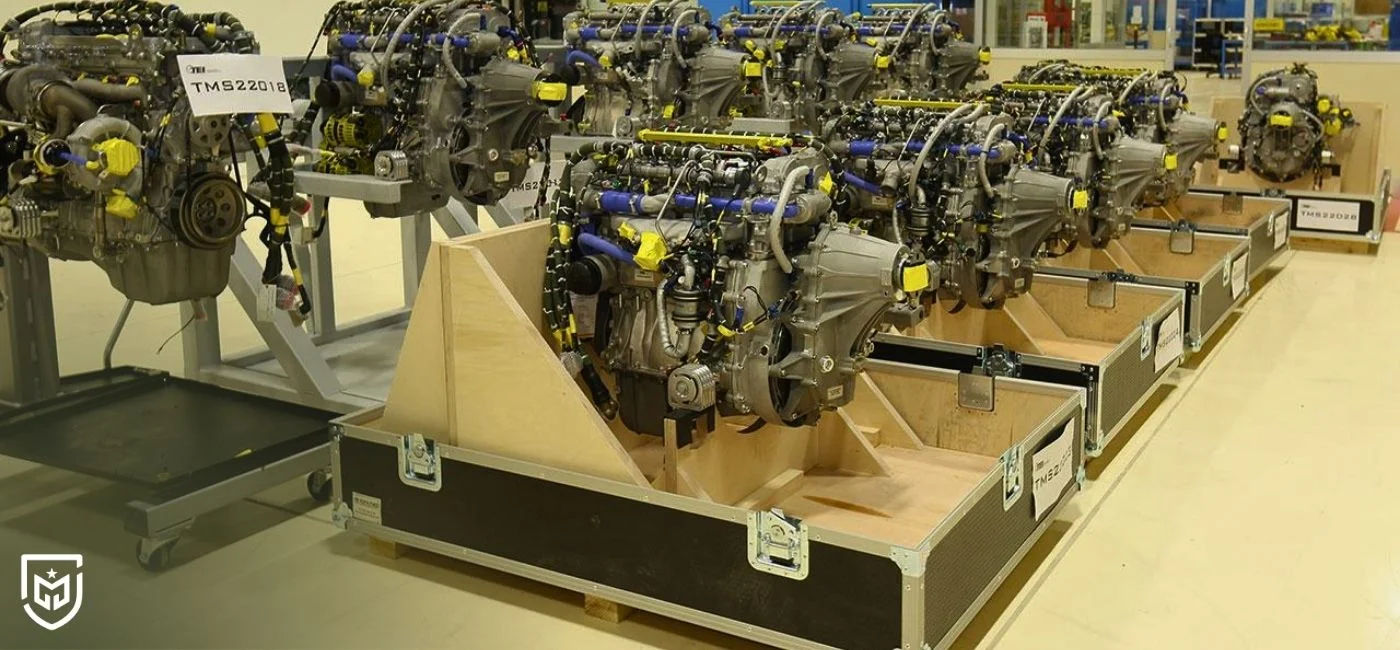
Türkiye’s defense industry continues to push forward at full speed with a strategic drive to eliminate foreign dependency in engine and powertrain systems. The Presidency of Defense Industries (SSB) has established a comprehensive roadmap after assessing national capabilities, global technologies and platform requirements. This roadmap guides parallel development efforts in both internal combustion engines and turbine engines for a wide variety of military systems.
In the internal combustion engine category, Türkiye is developing a full spectrum of engines ranging from the 170-horsepower ANKA UAV engine to the 1,500-horsepower Altay main battle tank engine. The PD170 engine, which will power the ANKA and AKSUNGUR UAVs, has successfully completed development and acceptance phases, with ongoing improvements to increase its performance. Domestic engine solutions for wheeled armored vehicles such as Vuran, Kirpi II and Pars are also progressing, with endurance and development tests already completed and integration tests underway.
Under the UtkU project, Türkiye is developing engines and transmissions for Fırtına howitzers and next-generation light armored vehicles. Meanwhile, the BATU engine project—designed to power the Altay tank—continues with development work and intensive engine testing. These initiatives are critical for strengthening Türkiye’s autonomy in land systems and ensuring that future armored platforms operate with domestically produced power units.
Significant progress is also being made in turbine engine development. The KTJ-3200 turbojet engine, intended for ATMACA and SOM cruise missiles, has successfully concluded its development stage, with acceptance activities expected to be finalized by year-end. The Arat project aims to further improve upon the KTJ-3200’s achievements to develop new-generation turbojet engines. For the Gökbey helicopter, the TS1400 turboshaft engine continues through testing and refinement, while design and development efforts for the National Combat Aircraft’s indigenous jet engine remain ongoing.
Together, these programs mark a transformative phase in Türkiye’s defense ecosystem—building a foundation for fully independent domestic engine production across air, land and missile platforms. This advancement not only strengthens national security but also enhances Türkiye’s long-term export potential and technological sustainability.


The cookies used on our website are used to provide you with a better user experience and to improve our website. You can manage your cookie preferences from the options below.
 Rabia Kılıç
Post Comment
Comments
No comments yet.
Related News
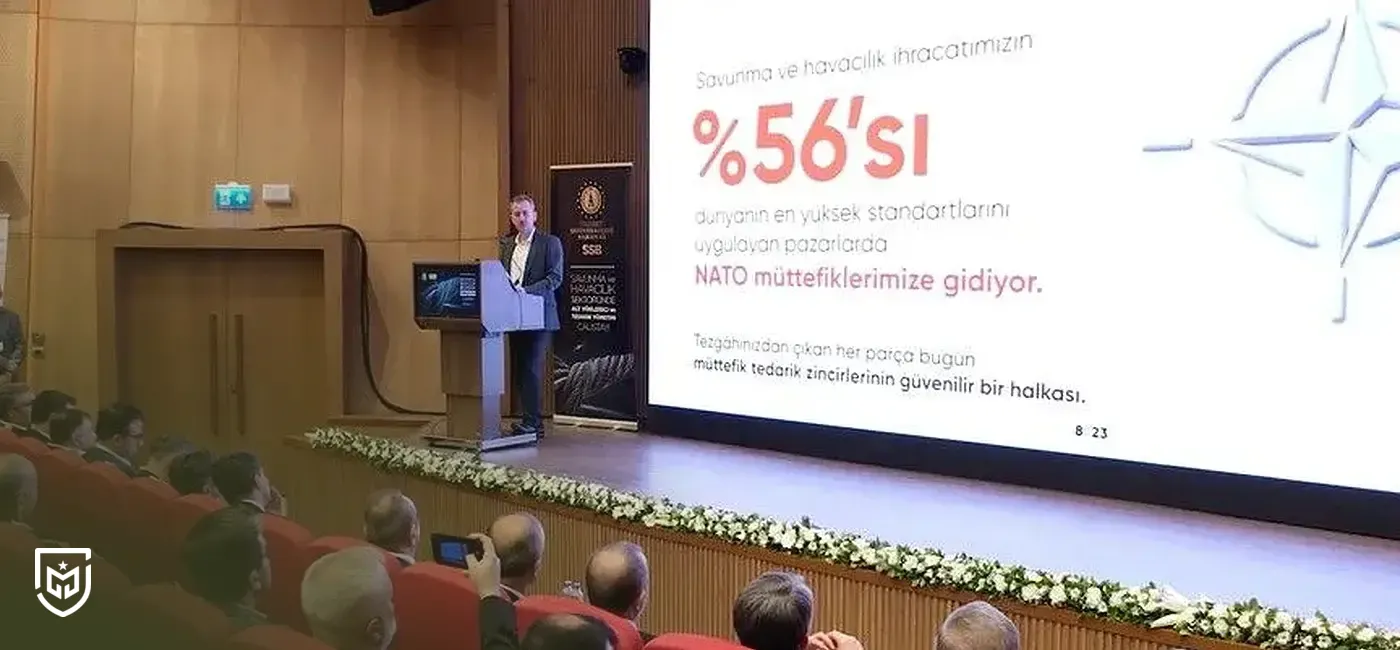
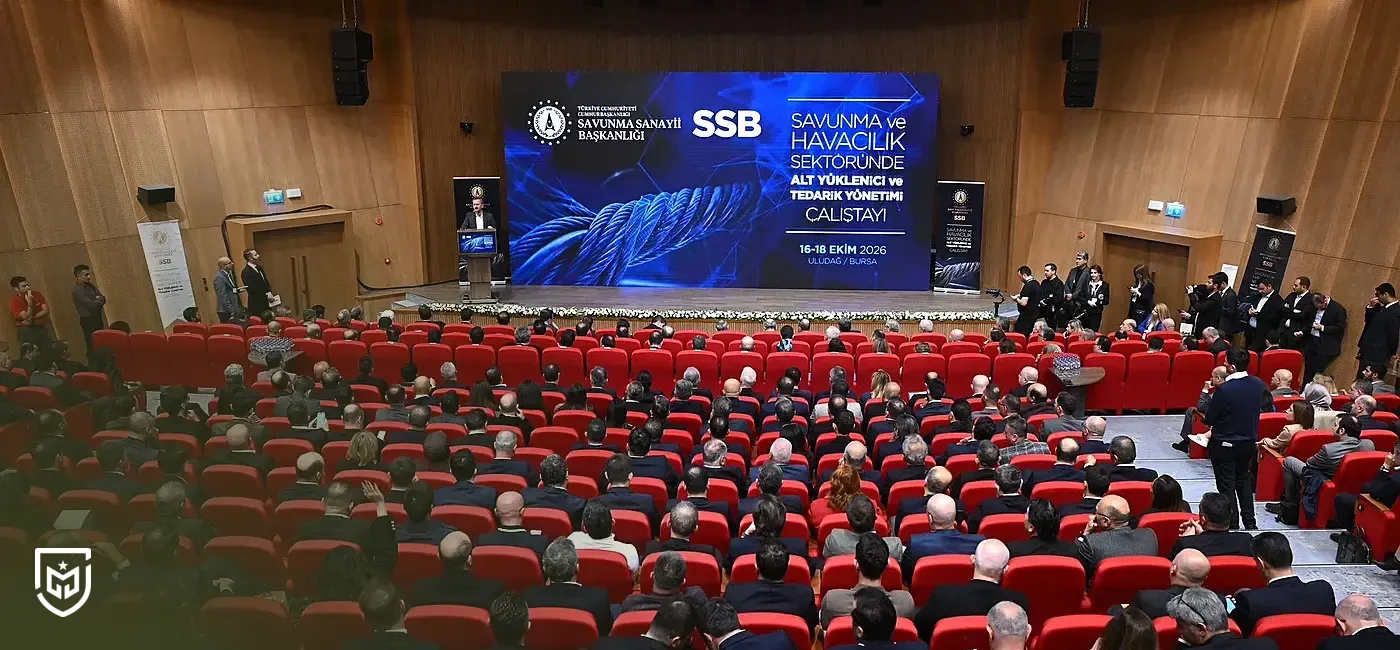
SSB Sector Meeting: Focus on Supply Chain and Production Capabilities
Turkish defense industry signed 15 billion dollars in new contracts in 2026
SSB Hosts Second Supply Chain Strengthening Summit
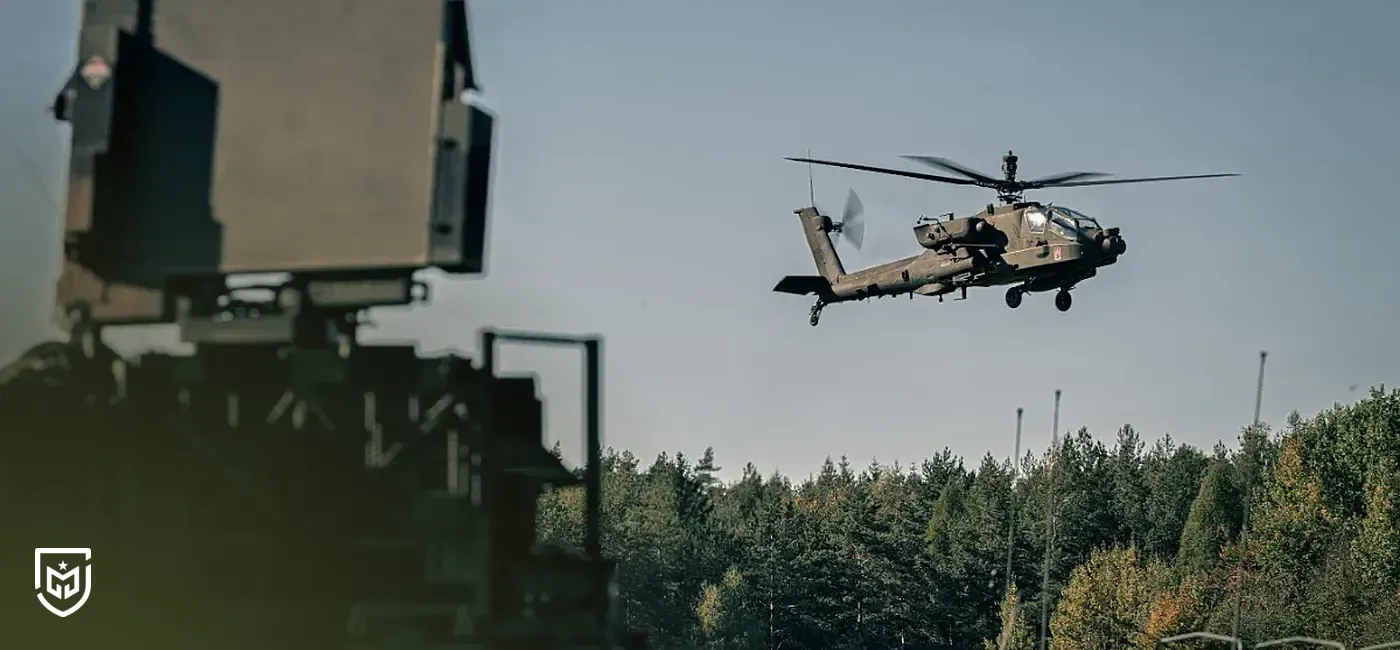
Skyfall II Exercise: U.S. Army Demonstrates UAV Defense Capabilities in Germany
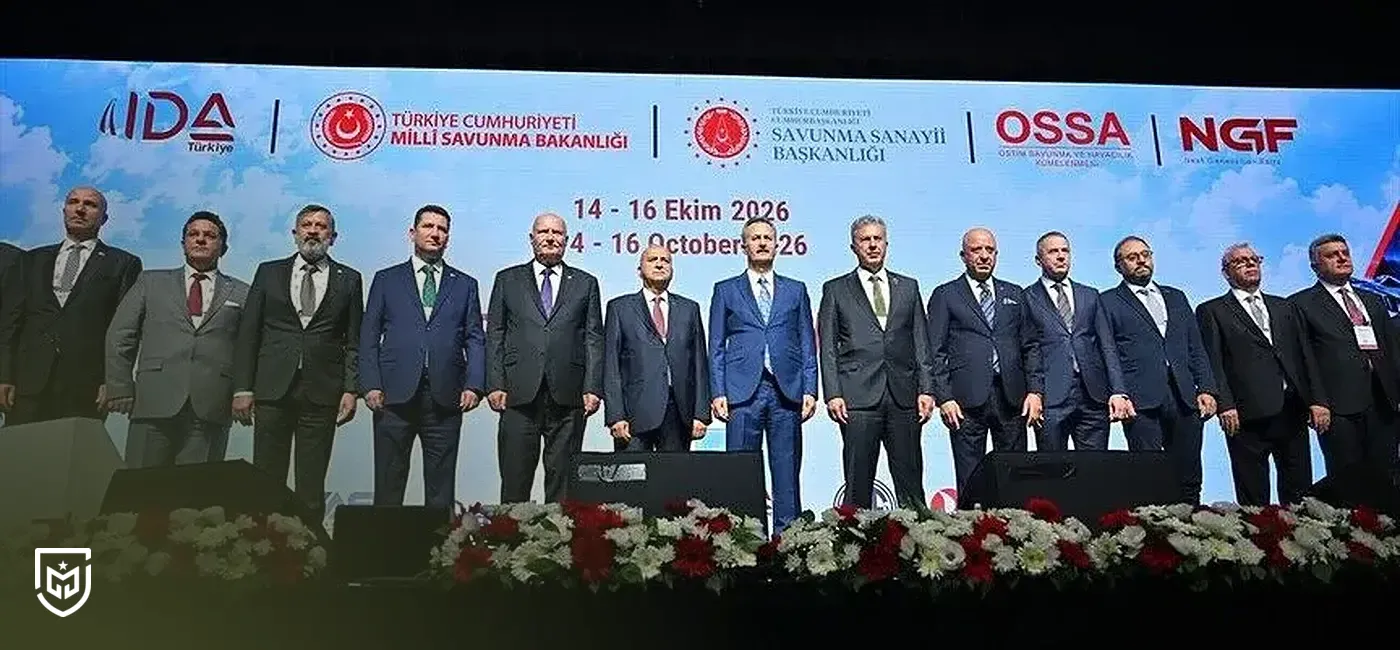
IDA Turkey 2026 Defense and Aviation Industrial Cooperation Days Launched
SSB Chief: Transparent Licensing Will Strengthen Defense Cooperation
STM's Swarm UAV System Demonstrates Operational Success at Ateş Serbest-2026
ÇAKIR Cruise Missile Supply Contract Signed