


Air Forces News
Global Developments


BREAKING NEWS
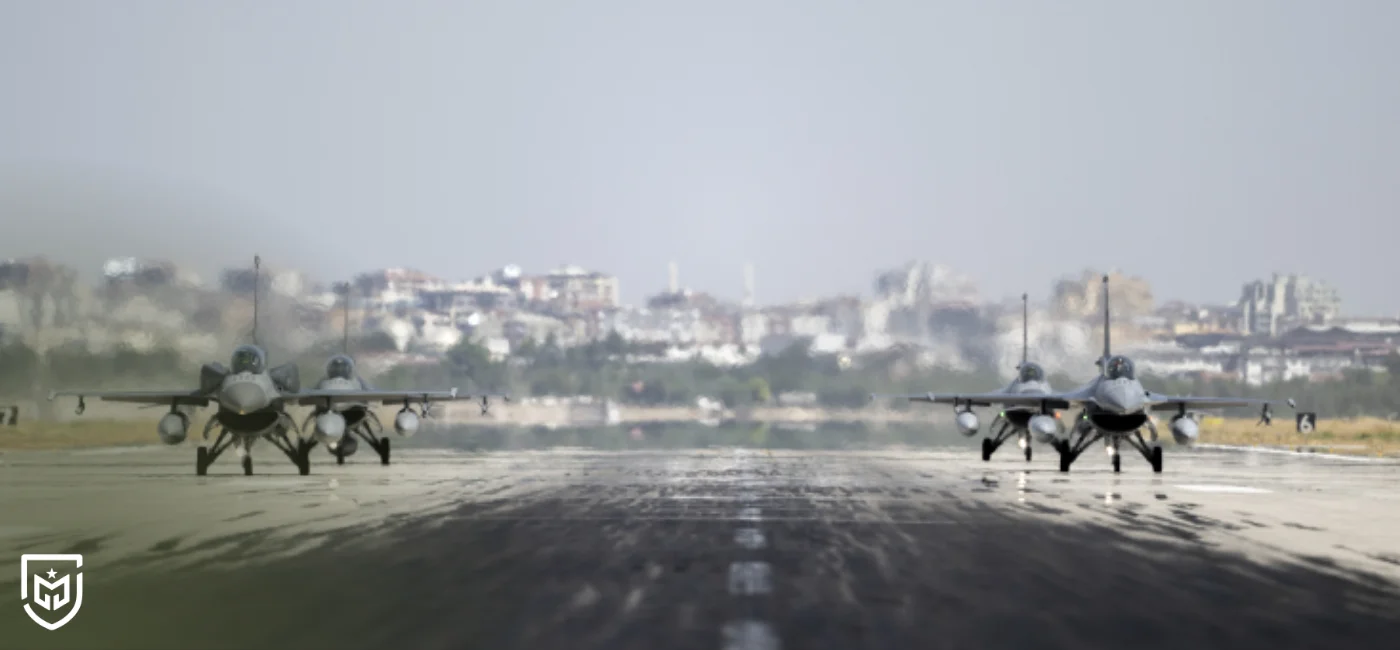
The Turkish Air Force is preparing for a new mission in Baltic skies as part of NATO’s collective air security activities. During the August-November period, the 181st Jet Squadron Command will be deployed at Amari Air Base in Estonia under the Baltic Air Policing mission. Known as Pars Squadron, the unit will maintain 24/7 quick reaction alert duty throughout the mission and stand ready against possible airspace violations.
Baltic Air Policing is an important mission designed to protect the airspace of Estonia, Latvia and Lithuania, which do not have fighter aircraft of their own. This activity, which is strategically important for the defense of NATO’s eastern flank, plays a critical role not only in airspace security but also in allied solidarity and deterrence. The Turkish Air Force will carry out this mission at Amari Air Base in Estonia with five aircraft and 76 personnel.
During the mission, Turkish pilots will remain on continuous alert against unidentified aircraft and possible border violations. As part of quick reaction alert duty, assigned fighter aircraft will take off at short notice when needed to support the security of NATO airspace. In this process, Turkish elements will also conduct joint missions with the air forces of other allied countries. Thus, the Turkish Air Force’s interoperability, rapid reaction capability and joint operational competence within NATO will once again be demonstrated in the field.
The assignment of the 181st Jet Squadron Command reflects the operational experience and high readiness level of the Turkish Air Force. Pars Squadron is known as one of the well-established units that has proven itself in domestic and international missions. Preparations before the deployment cover a broad team effort, from pilots and maintenance crews to planning officers and support personnel. This structure shows that the takeoff of a fighter aircraft is not only the success of a pilot, but the result of a disciplined and coordinated system.
NATO Air Policing is conducted as a permanent peacetime mission aimed at protecting allied airspace. Within this framework, countries with fighter aircraft capabilities contribute to securing the airspace of allies that do not have their own combat aircraft. Baltic Air Policing has been carried out since Estonia, Latvia and Lithuania joined NATO in 2004. The mission is conducted on a rotational basis every four months through voluntary contributions from NATO countries with the necessary capabilities.
The Turkish Air Force has previously assumed important responsibilities under NATO Air Policing missions. Türkiye successfully completed Enhanced Air Policing missions in Poland between July 6 and September 15, 2021, and in Romania between November 30, 2023, and April 2, 2024. Following the mission to be conducted in Estonia during the August-November 2026 period, the Turkish Air Force is also planned to assume the air policing mission in Romania between December 2026 and March 2027.
As a result, the mission to be undertaken by the Turkish Air Force in Baltic skies will be an important activity demonstrating Türkiye’s effective fulfillment of its security responsibilities within NATO. Pars Squadron’s deployment in Estonia will increase the international mission experience of Turkish pilots while directly contributing to air security on NATO’s eastern flank. This mission will once again highlight Türkiye’s strong position in deterrence, allied solidarity and joint air operations.


The cookies used on our website are used to provide you with a better user experience and to improve our website. You can manage your cookie preferences from the options below.
 Süheyla Yıldız
Post Comment
Comments
No comments yet.
Related News
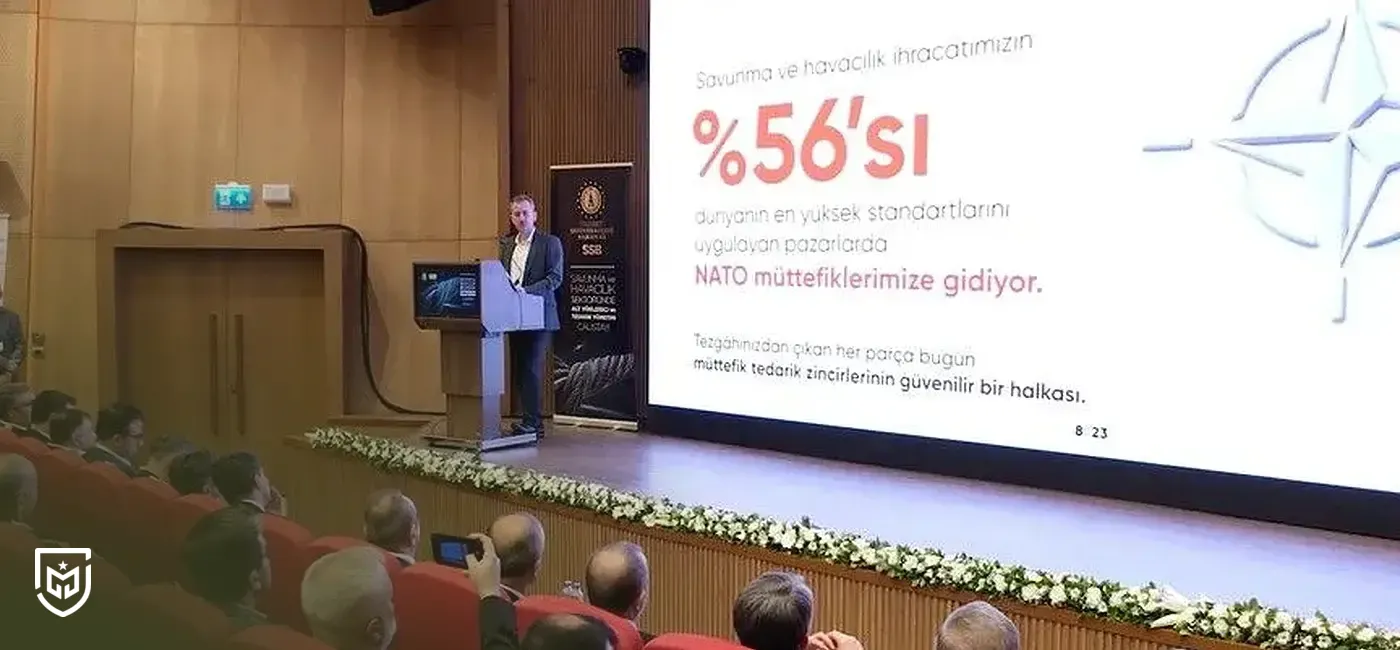
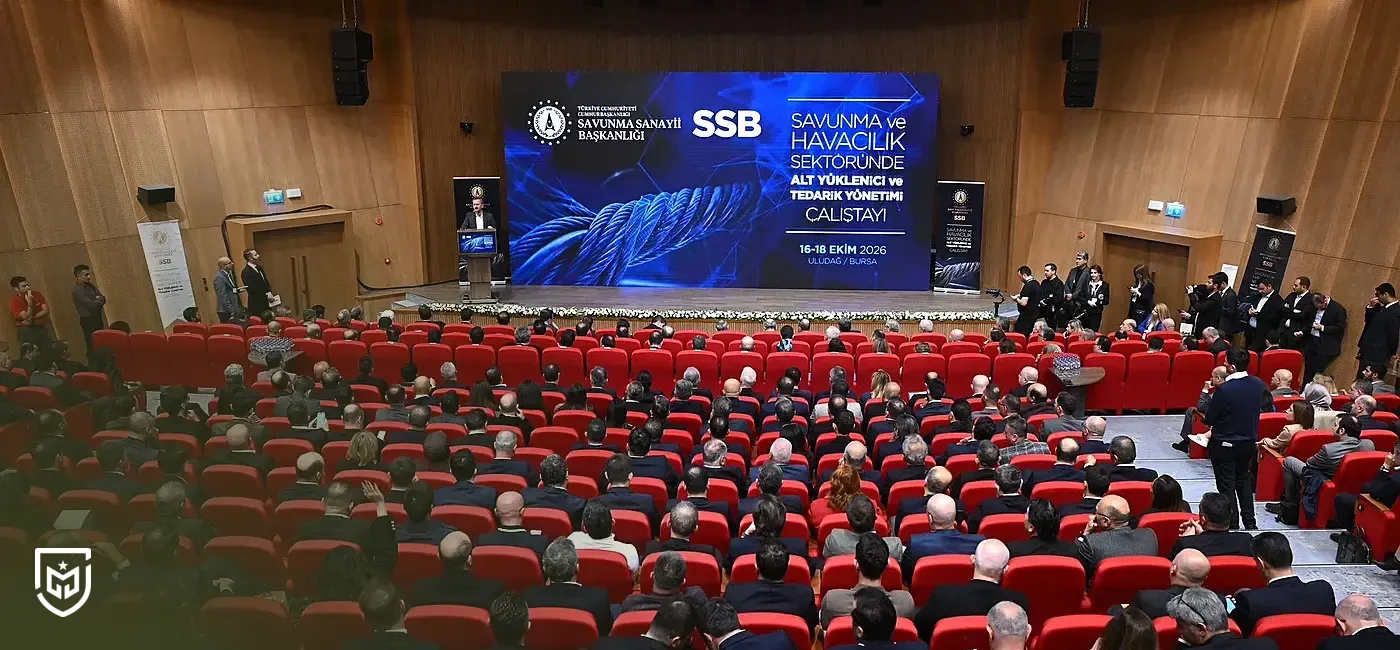
SSB Sector Meeting: Focus on Supply Chain and Production Capabilities
Turkish defense industry signed 15 billion dollars in new contracts in 2026
SSB Hosts Second Supply Chain Strengthening Summit
Skyfall II Exercise: U.S. Army Demonstrates UAV Defense Capabilities in Germany
SSB Chief: Transparent Licensing Will Strengthen Defense Cooperation
STM's Swarm UAV System Demonstrates Operational Success at Ateş Serbest-2026
TUSAŞ Kamikaze UAV Systems Achieve Success in Exercise Ateş Serbest-2026
Fire Free-2026 Exercise Successfully Completed