





Naval Forces News
Global Developments


BREAKING NEWS
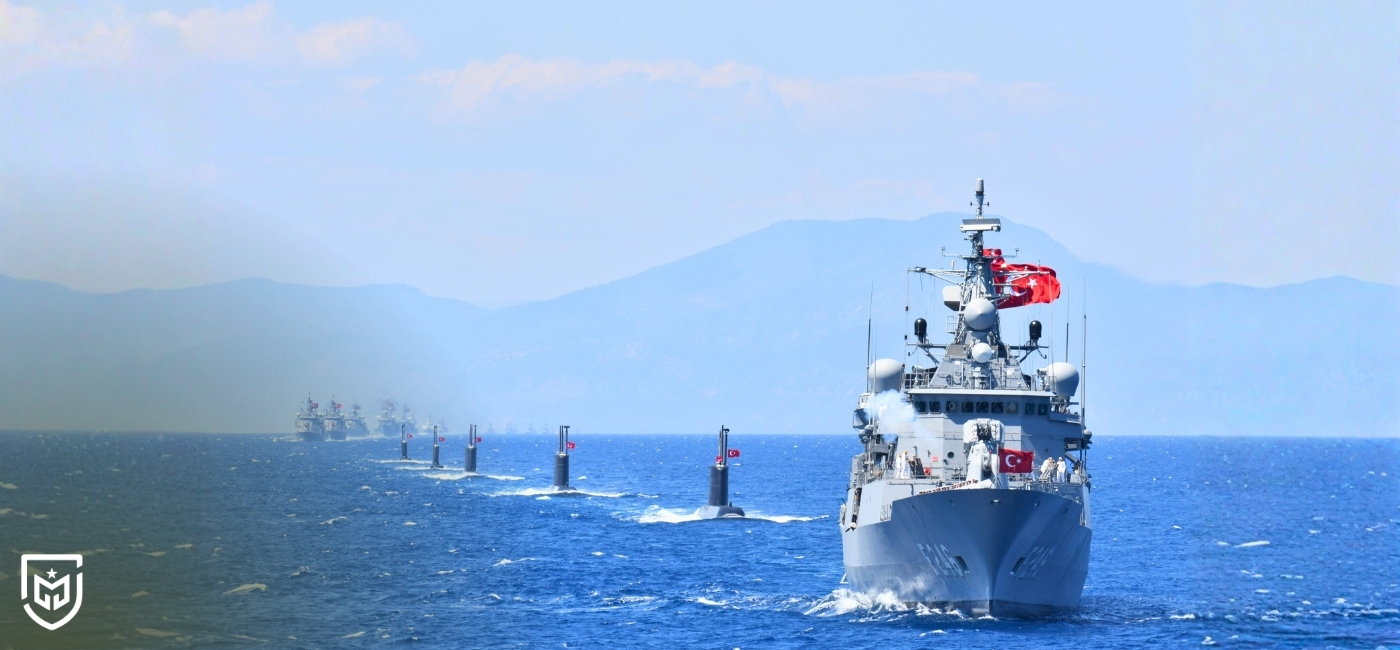
Turkey has once again demonstrated its determination regarding maritime jurisdiction areas and the legal status of islands in the Aegean Sea by issuing NAVTEX messages valid until 31 December 2027. This unusually long-term NAVTEX practice underlines Ankara’s position that its claims in the Aegean are not temporary reactions, but permanent policies grounded in international law.
The decision received wide coverage in Greek media, particularly in the newspaper e-Kathimerini, which described the duration of the NAVTEX as “unusually long.” According to the report, Turkey aims to clearly present to all NATO allies its stance that it holds licensing authority over nearly half of the Aegean Sea and that 23 islands in the Eastern Aegean must remain demilitarized in accordance with international agreements. Greek analysts interpreted this move as a sign that Ankara is expanding its diplomatic and administrative toolkit in the Aegean dispute.
NAVTEX messages numbered 0880/25, published by the Turkish Hydrographic and Oceanographic Office, explicitly list islands such as Rhodes, Lesbos, Chios, and Kos, emphasizing that they are subject to a “permanently demilitarized” regime. Turkey bases this position on the provisions of the 1914 London Conference, the 1923 Treaty of Lausanne, and the 1947 Paris Peace Treaties. The messages stress that military activities in the territorial waters of these islands are incompatible with their legal status.
Greek sources cited in the media argue that Ankara is implementing a new political and administrative challenge strategy through these long-term NAVTEX announcements. The extended validity period is seen as an attempt to institutionalize the perception that the entire Aegean east of the 25th meridian falls within Turkey’s area of authority. This approach has reportedly caused concern in Athens, as it reinforces Turkish claims not only bilaterally but also within international organizations.
Furthermore, the report highlights that Turkey regularly submits these documents to relevant NATO authorities. With Turkey’s strategic importance within NATO increasing in recent years, Ankara’s consistent emphasis on its legal arguments is viewed as pressuring Greece to adopt positions more closely aligned with international law and to refrain from unilateral actions aimed at altering the status quo in the Aegean.
In conclusion, by issuing NAVTEX messages valid for two years, Turkey has declared to the international community that its positions on maritime jurisdiction and the legal status of islands in the Aegean represent a long-term, law-based policy. Greek media acknowledge that Greece has largely remained on the defensive, responding mainly with counter-NAVTEX notices rather than proactive initiatives.


The cookies used on our website are used to provide you with a better user experience and to improve our website. You can manage your cookie preferences from the options below.
 Süheyla Yıldız
Post Comment
Comments
No comments yet.
Related News
Altınay Defense Group Transitions to New Management Structure
BAE Systems and Lockheed Martin Unveil Blizzard Multi-Mission Unmanned Aircraft
Anduril's Ohio Facility Produces First YFQ-44A Fury Unmanned Combat Aircraft
BAE Systems Raises Outlook as Global Defense Demand Continues to Surge
South Korea's envoy highlights KAAN fighter jets as cornerstone of defense partnership with Türkiye
ASELSAN's Electro-Optical System Integrated into South Africa's Mwari Aircraft
TAI Chief: Turkey Shaping NATO's Future Security Architecture
Anduril Thunder: Autonomous Attack Helicopter with Level 5 Autonomy Capabilities