Air Forces News
Missiles and Rockets
Global Developments

Turkey positioned as key driver of NATO defense industry transformation
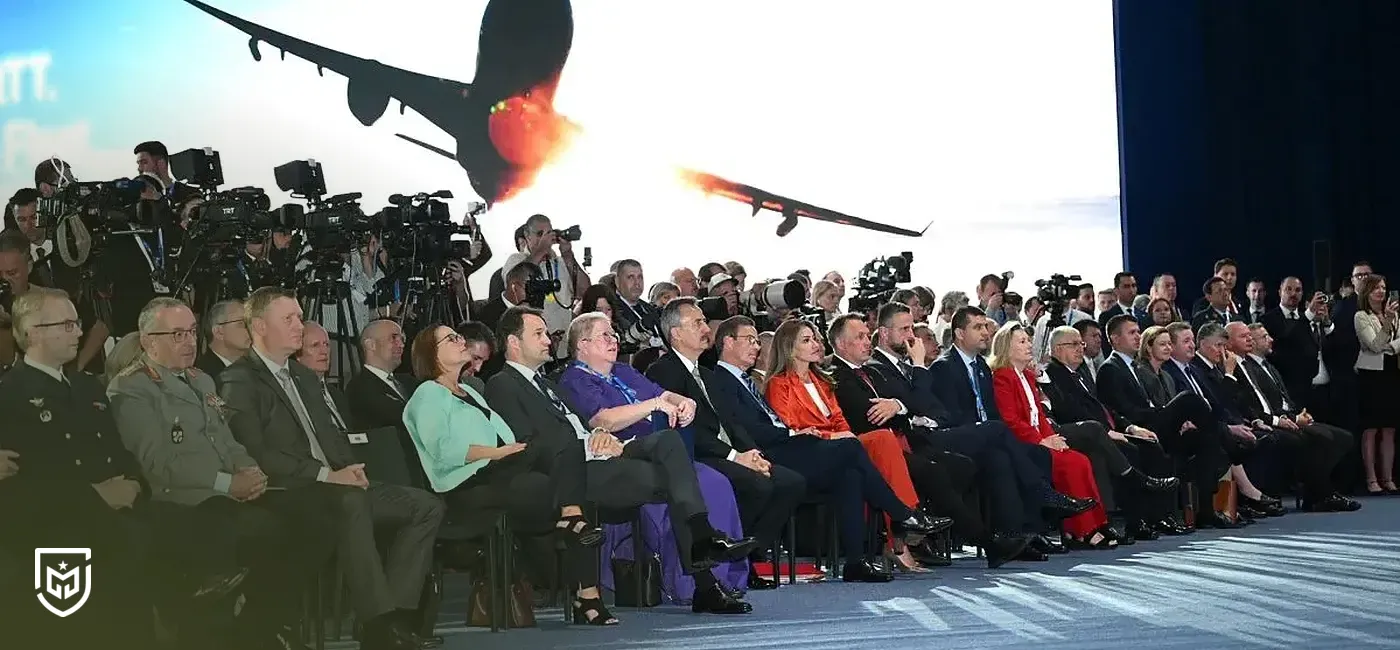
SSB (Defense Industry Agency) head Haluk Görgün stated at the opening of the NATO Defense Industry Forum in Ankara that the Turkish defense industry is prepared to be among the principal driving forces of the industrial transformation required by NATO. Görgün's remarks preceded the NATO summit where alliance leaders will gather. The summit will focus on strengthening Europe and enhancing NATO's overall effectiveness.
The SSB occupies a central position in Turkey's defense sector institutional framework. Established in 2018, the agency oversees the coordination of defense industry projects, increasing localization rates, and managing national technology development initiatives. Under Görgün's leadership, the SSB has managed Turkey's rapid defense sector growth in recent years and expanded international partnerships. The institution works in close coordination with major defense firms including ASELSAN, ROKETSAN, TUSAŞ, and Baykar.
Görgün emphasized that security challenges and conflicts across multiple regions over the past three years have reshaped the global defense environment. NATO's announcement of the Defense Production Action Plan at the 2023 Vilnius Summit, adoption of the Industrial Capacity Expansion Pledge at the 2024 Washington Summit, and last year's commitment at The Hague to allocate 5 percent of GDP to defense spending demonstrate the alliance's commitment to industrial expansion. Görgün stressed that these objectives can only be achieved through unified action by NATO members.
The Turkish defense industry provides mature solutions in key areas on NATO's agenda, including armed unmanned aerial vehicles, deep strike capabilities, space technologies, air defense systems, and counter-drone measures. The Bayraktar TB2, deployed in Poland, is successfully employed by NATO forces and has demonstrated operational effectiveness in Ukraine since 2022. The Hürjet jet trainer aircraft is being developed in cooperation with Spain; electronic warfare and border security infrastructure partnerships are underway in Poland; and Baykar's Kızılelma unmanned combat aircraft has attracted NATO attention. Turkish defense technologies are also being utilized to strengthen the land and naval inventories of Romania, Hungary, and Estonia.
In the global defense industry landscape, platforms such as the Bayraktar TB2 are compared with systems like the U.S. MQ-9B Reaper and Israeli technologies, with Turkey's capabilities in this domain gaining increasing recognition. ASELSAN's air defense systems, ROKETSAN's missile technologies, and TUSAŞ's aerospace solutions are NATO-compliant and interoperable with allied forces. Görgün emphasized Turkey's desire to bring these capabilities to new initiatives under the NATO umbrella and stated that such collaborations are viewed from a strategic perspective.




 Tolga Demirel

Post Comment
Comments
No comments yet.
Related News
Germany denies claims of MGCS tank project withdrawal
Thales Introduces HexaForce AI-Powered Command and Control System to Gulf Region
ÇEPNI Tactical UAV Family Enters Operational Service
ASELSAN's Drone-Hunting System Completes Successful Demonstration
Romania Signs Contract for Airbus H225M Helicopter Procurement
ASELSAN's GÖKALP drone defense system completes successful demonstration
Ari Arms begins OR-4 rifle production in Azerbaijan
AKINCI UAV Successfully Tested with MORFOZ Guidance Kit