


Air Forces News
Global Developments


BREAKING NEWS
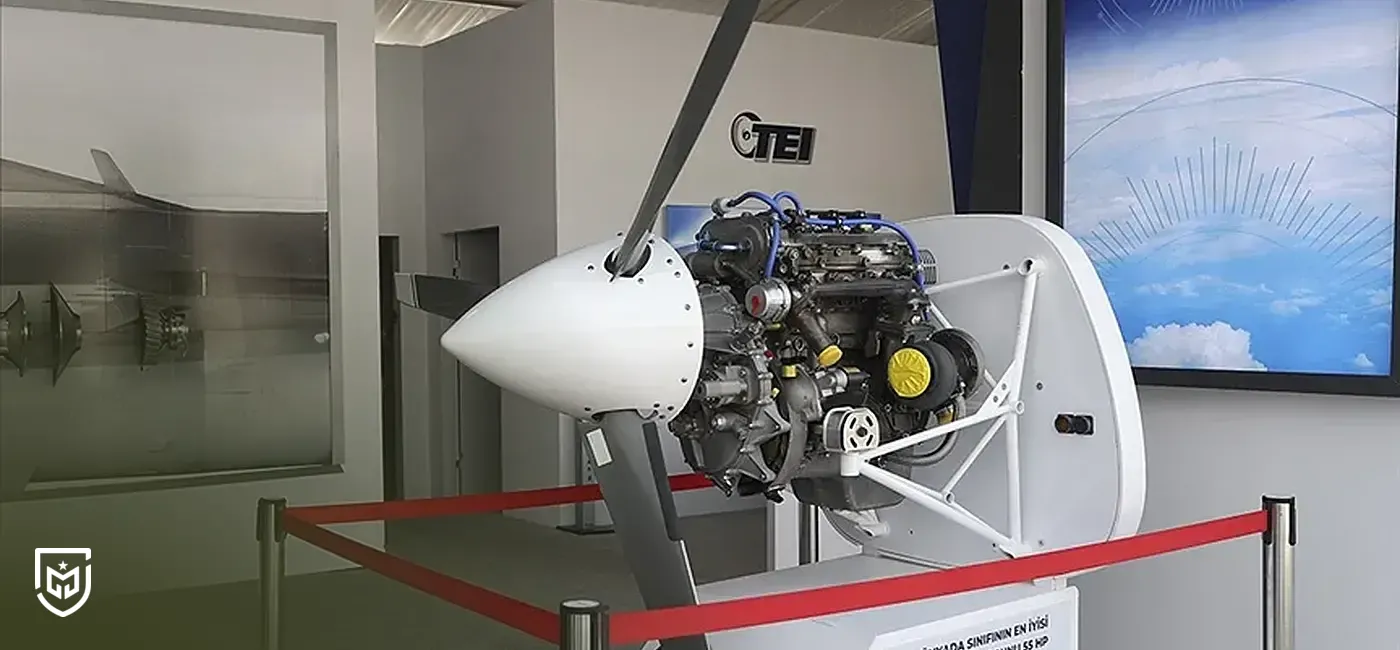
South Korea's Defense Acquisition Program Administration (DAPA) has inquired with TUSAŞ regarding the procurement feasibility of the PD170 turbodiesel aviation engine developed by TEI for unmanned aerial vehicle projects. The engine is currently in successful operation on medium-altitude, long-endurance (MALE) class platforms including ANKA and AKSUNGUR, signaling international acceptance of Turkish aviation technology.
TEI developed the PD170 through a project supported by the Defense Industry Agency to create Turkey's first indigenous and national aviation engine. The engine produces 172 horsepower and is equipped with a two-stage series turbocharging system. Operating on JP-8 or Jet-A1 fuel, the PD170 offers significant advantages over competing systems with a dry weight of 162 kilograms. Designed to civilian aviation standards, the engine achieves a service ceiling of 45,000 feet.
The integration of engine technology within the Turkish defense industry ecosystem increases localization rates while providing platform manufacturers with independent supply options. The AKSUNGUR platform has demonstrated 45-hour endurance and 42,000-foot altitude performance with the PD170, validating the system's operational reliability. This achievement confirms that the Turkish engine is competitive with international standards. Additionally, engine localization reduces platform costs and provides pricing flexibility for export markets.
South Korea's inquiry into UAV engines relates to efforts to close technological gaps in unmanned systems. Recent setbacks in Seoul's domestic programs—including a jet-powered UAV prototype crashing shortly after takeoff at a defense exhibition and kamikaze UAVs failing during sea trials—have accelerated the shift toward proven solutions. Turkey's extensive UAV operational experience and defense industry exports exceeding 10 billion dollars explain Seoul's interest.
In the global defense industry context, engine localization carries strategic significance. Turkish engines manufactured to NATO standards become preferred options for allies seeking to diversify supply chains. While Defense Industry Agency sources note that detailed comments on specific engine models would be premature before negotiations and official procedures conclude, Turkish officials have emphasized openness to potential industrial partnerships with South Korea. This development reflects the strengthening position of Turkish defense industry products in global markets.


The cookies used on our website are used to provide you with a better user experience and to improve our website. You can manage your cookie preferences from the options below.
 Murat Yılmaz
Post Comment
Comments
No comments yet.
Related News
ASELSAN's KANGAL and EJDERHA Systems Provide Dual Defense Against Drone Threats
SAHA Istanbul: Turkish Defense Industry Must Capture Global Market Share
Canik to strengthen Turkey-Azerbaijan defense partnership at ADEX 2026
Poland Unveils Gladius 2 Jet-Powered Loitering Munition System
Hürkuş-II Advanced Trainer Aircraft Delivered to Turkish Air Force
Altınay Defense Group Transitions to New Management Structure
KAAN Fighter Jet's New Prototype Begins Taxi Tests
KAAN Fighter Jet Completes Pre-Flight Taxi Test Successfully