


Air Forces News
Global Developments


BREAKING NEWS
The U.S. Army is reassessing the future structure of its aviation fleet with the introduction of the MV-75 Cheyenne II tiltrotor aircraft. According to Defense One, the platform is expected to take over some missions currently performed by the UH-60 Black Hawk, while also forcing the service to reconsider how future air assault, escort, logistics and refueling operations will be conducted. With a projected cruising speed of more than 300 miles per hour, the MV-75 brings a level of speed and range that traditional rotary-wing fleets were not originally built around.
Major General Clair Gill, commander of the U.S. Army Aviation Center of Excellence, stated that the arrival of the MV-75 requires new thinking, especially in the area of aerial refueling. Since the U.S. Army does not currently operate its own tanker aircraft, conventional units are expected to rely on ground refueling for the MV-75 in the near term, much like they do with existing helicopters. However, the platform’s longer range could reduce the number of forward arming and refueling points required during extended operations.
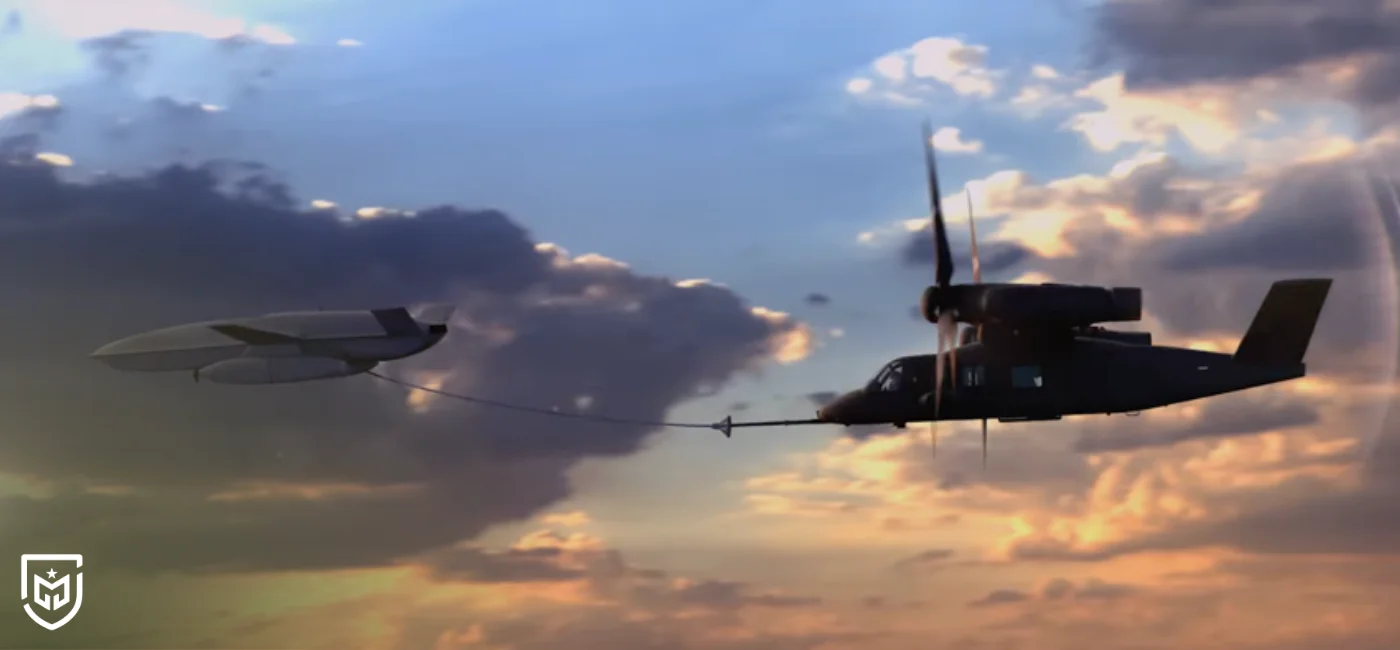
Bell-Textron has also presented a concept showing the MV-75 receiving fuel from an unmanned tanker. Although the Army does not currently have a formal requirement for such a refueling drone, the concept highlights how the Cheyenne II could drive future interest in autonomous support aircraft. If developed, such systems could allow fast tiltrotor platforms to operate over greater distances without relying as heavily on vulnerable forward refueling locations.
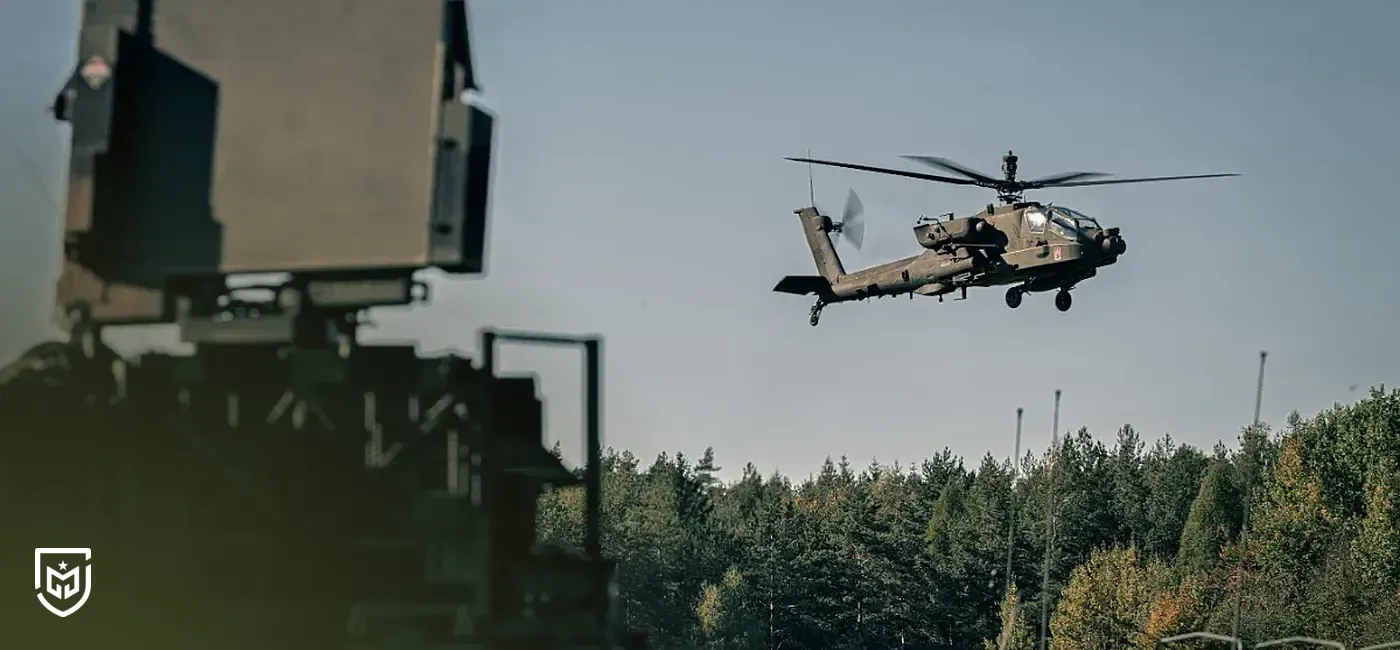
The MV-75’s entry into service also creates new questions for escort operations. Traditionally, AH-64 Apache attack helicopters have supported and protected transport helicopters during missions. However, with the Apache’s top speed of around 185 miles per hour and the MV-75 expected to cruise above 300 miles per hour, direct escort by Apache helicopters may become more difficult. This speed gap is pushing the Army to explore different tactics, including launching Apaches from separate locations or expanding their reach through additional systems.
One possible solution involves “launched effects,” which are unmanned systems deployed from helicopters or other platforms to extend sensing, targeting and engagement ranges. By using these systems, Apache crews could detect threats earlier and operate over a wider area, helping protect faster and longer-range aircraft such as the MV-75. This approach points to a shift away from traditional close escort formations toward a more distributed protection model supported by unmanned systems.
Despite the arrival of the MV-75, the UH-60 Black Hawk is not expected to disappear from U.S. Army service in the near future. Army officials indicate that Black Hawk helicopters will continue to be modernized and may remain in service into the 2050s. In this future structure, the Cheyenne II could handle faster and longer-range missions, while the Black Hawk remains focused on air assault, medical evacuation, logistics support and multi-role operations closer to the battlefield.
The Black Hawk itself may also evolve into a more flexible platform. The Army is exploring how it can support missions involving unmanned systems, while Sikorsky has been working on a fully unmanned version of the aircraft. This suggests that future logistics and support missions could gradually shift toward autonomous or remotely operated aircraft, reducing risk to aircrews in contested environments.
The MV-75 Cheyenne II is therefore more than a replacement for the Black Hawk in selected mission areas. Its speed, range and payload capacity are forcing the U.S. Army to rethink aerial refueling, escort tactics, unmanned tanker concepts, Apache modernization, launched effects and the long-term role of the Black Hawk fleet. As a result, the Cheyenne II is emerging as a key driver of change in the U.S. Army’s future aviation doctrine.


The cookies used on our website are used to provide you with a better user experience and to improve our website. You can manage your cookie preferences from the options below.
 Süheyla Yıldız
Post Comment
Comments
No comments yet.
Related News
SSB Sector Meeting: Focus on Supply Chain and Production Capabilities
Turkish defense industry signed 15 billion dollars in new contracts in 2026
SSB Hosts Second Supply Chain Strengthening Summit
Skyfall II Exercise: U.S. Army Demonstrates UAV Defense Capabilities in Germany
SSB Chief: Transparent Licensing Will Strengthen Defense Cooperation
STM's Swarm UAV System Demonstrates Operational Success at Ateş Serbest-2026
TUSAŞ Kamikaze UAV Systems Achieve Success in Exercise Ateş Serbest-2026
Fire Free-2026 Exercise Successfully Completed