


Weapons and Ammunition
Global Developments


BREAKING NEWS
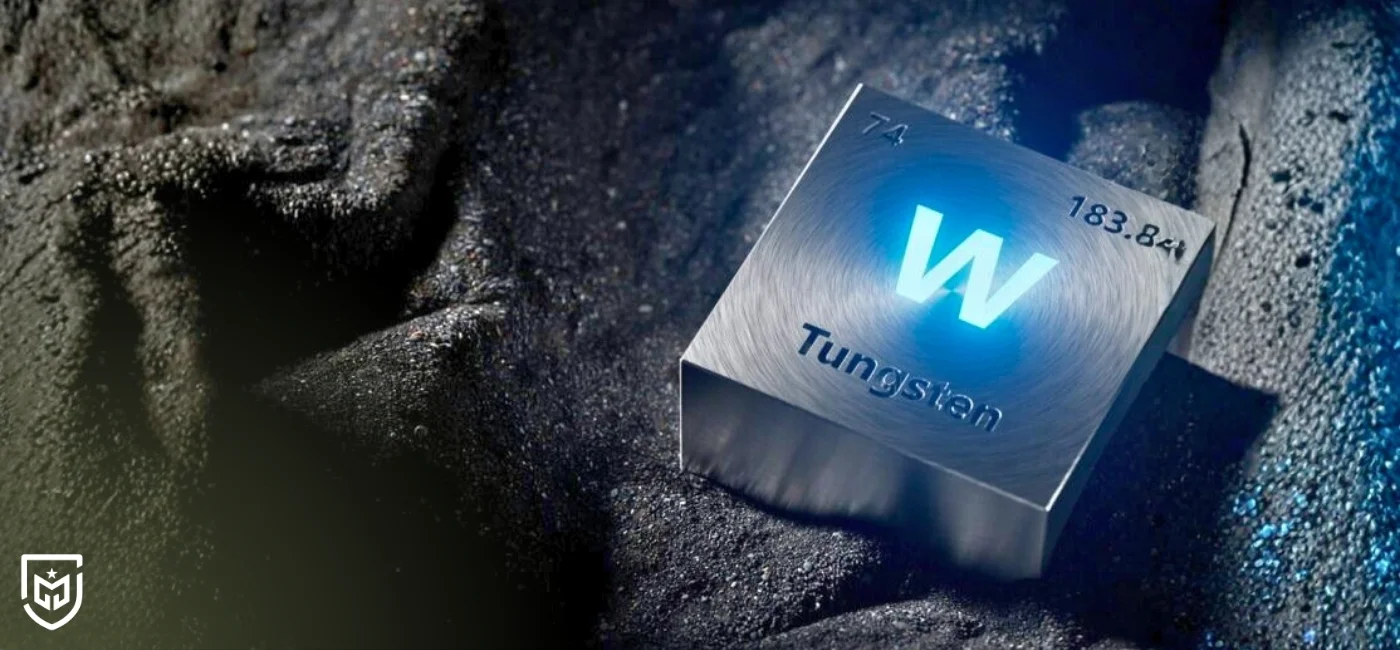
High-penetration munitions used by the United States and Israel in operations targeting Iran are not only consuming operational stockpiles, but also rapidly depleting the strategic raw materials that make these weapons effective. One of the most critical of these materials is tungsten. According to the report cited by SavunmaTR, tungsten is widely used in bunker-busting and armor-piercing munitions, and because it cannot be recovered after detonation, every use translates directly into a permanent stock loss. The intense pace of engagement around Iran, combined with the ongoing war in Ukraine, has made the already strained global tungsten supply chain even more fragile.
The pressure on the market is not driven by wartime demand alone. China remains by far the dominant producer in the global tungsten market, while the United States has become highly dependent on imports for its own industrial and defense needs. Export restrictions, tight supply conditions, and growing geopolitical competition have pushed tungsten prices higher and turned the metal into far more than a commodity. It is now increasingly viewed as a strategic material with direct implications for military readiness and long-term defense production.
Tungsten’s importance stems from its unique physical properties. Its high density, exceptional hardness, and extremely high melting point make it indispensable for armor-piercing ammunition, missile components, rocket nozzles, engine parts, and other durable defense systems. As modern warfare places increasing emphasis on precision strike and hardened-target defeat capabilities, the demand for tungsten-based components continues to rise. This has elevated the issue from a supply-chain concern to a core defense planning challenge for Western militaries.
In the period ahead, the key challenge for the West will not simply be producing more missiles and ammunition, but securing reliable and sustainable access to the raw materials required to manufacture them. New mining and sourcing initiatives may help ease pressure over time, but building fresh extraction and refining capacity is a slow and difficult process. For that reason, high-intensity conflicts such as those involving Iran are creating not only battlefield attrition, but also a long-term strategic strain in the critical minerals market. In today’s defense environment, the real cost of war is measured not just by the number of missiles fired, but also by the availability of the strategic metals inside them.


The cookies used on our website are used to provide you with a better user experience and to improve our website. You can manage your cookie preferences from the options below.
 Süheyla Yıldız
Post Comment
Comments
No comments yet.
Related News
Altınay Defense Group Transitions to New Management Structure
BAE Systems and Lockheed Martin Unveil Blizzard Multi-Mission Unmanned Aircraft
Anduril's Ohio Facility Produces First YFQ-44A Fury Unmanned Combat Aircraft
BAE Systems Raises Outlook as Global Defense Demand Continues to Surge
South Korea's envoy highlights KAAN fighter jets as cornerstone of defense partnership with Türkiye
ASELSAN's Electro-Optical System Integrated into South Africa's Mwari Aircraft
TAI Chief: Turkey Shaping NATO's Future Security Architecture
Anduril Thunder: Autonomous Attack Helicopter with Level 5 Autonomy Capabilities