


Air Forces News
Global Developments


BREAKING NEWS
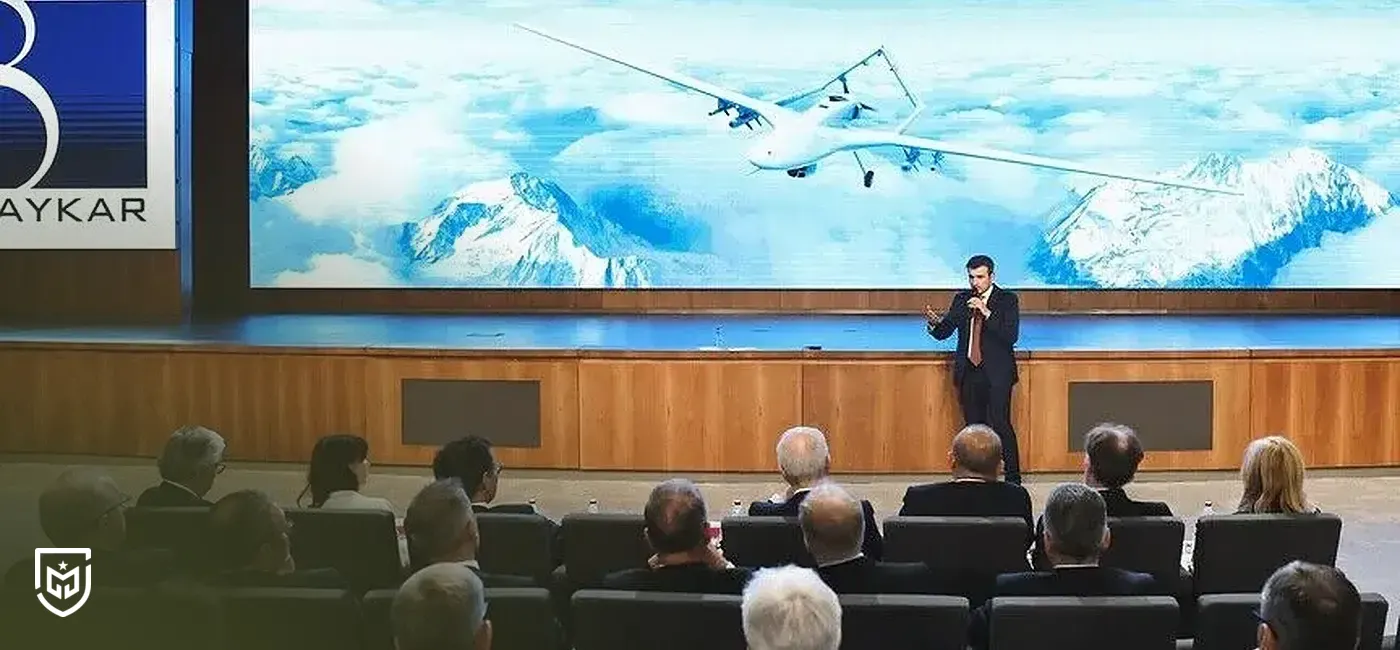
Baykar Chairman Selçuk Bayraktar hosted a delegation led by Turkish Parliament Speaker Numan Kurtulmuş and NATO Parliamentary Assembly President Marcos Perestrello De Vasconcellos at the Özdemir Bayraktar National Technology Center. The visit featured presentations on the company's defense technology initiatives and innovative projects.
During his presentation, Bayraktar explained Kızılelma's significance through a historical comparison. Drawing parallels to chess grandmaster Garry Kasparov's defeat by a computer two decades ago, Bayraktar illustrated how technology's rapid proliferation has transformed capabilities. While a refrigerator-sized machine defeated Kasparov then, smartphones today perform the same task. Unmanned combat aircraft represent a similar transformation: platforms that require no pilots, replicate all capabilities of piloted fighters and exceed them, yet at substantially lower costs.
Bayraktar stressed that unmanned combat aircraft constitute a fundamentally distinct category from conventional platforms. He classified these systems as "robots" rather than fitting them into sixth or seventh-generation fighter classifications. These platforms offer significant advantages in training costs by eliminating pilot development cycles. While conventional fighters dedicate 90 percent of flight hours to training, unmanned systems eliminate this requirement entirely. Once software optimization is complete, capacity can be duplicated and distributed within microseconds.
Regarding air defense and interception, Bayraktar outlined a more complex situation. He emphasized that defending against inexpensive kamikaze unmanned aircraft creates economic disadvantages for the defense side. As demonstrated in the Russia-Ukraine conflict, when thousands of unmanned systems are deployed, the cost of intercepting all of them becomes an escalating problem. Bayraktar assessed this imbalance within the context of global arms competition and weakening international institutions.
Addressing questions about future combat environments, Bayraktar predicted significant increases in unmanned combat aircraft numbers and variants within ten years. With approximately 15,000 conventional fighters worldwide, he suggested this fleet could be replaced by unmanned platforms within 30 years. Bayraktar noted that technology develops at exponential rates, limiting the reliability of long-term predictions. Nevertheless, he stated that Baykar would continue pursuing civilian applications while acknowledging that the current global security environment sustains defense sector growth.


The cookies used on our website are used to provide you with a better user experience and to improve our website. You can manage your cookie preferences from the options below.
 Tolga Demirel
Post Comment
Comments
No comments yet.
Related News
Germany denies claims of MGCS tank project withdrawal
Thales Introduces HexaForce AI-Powered Command and Control System to Gulf Region
ÇEPNI Tactical UAV Family Enters Operational Service
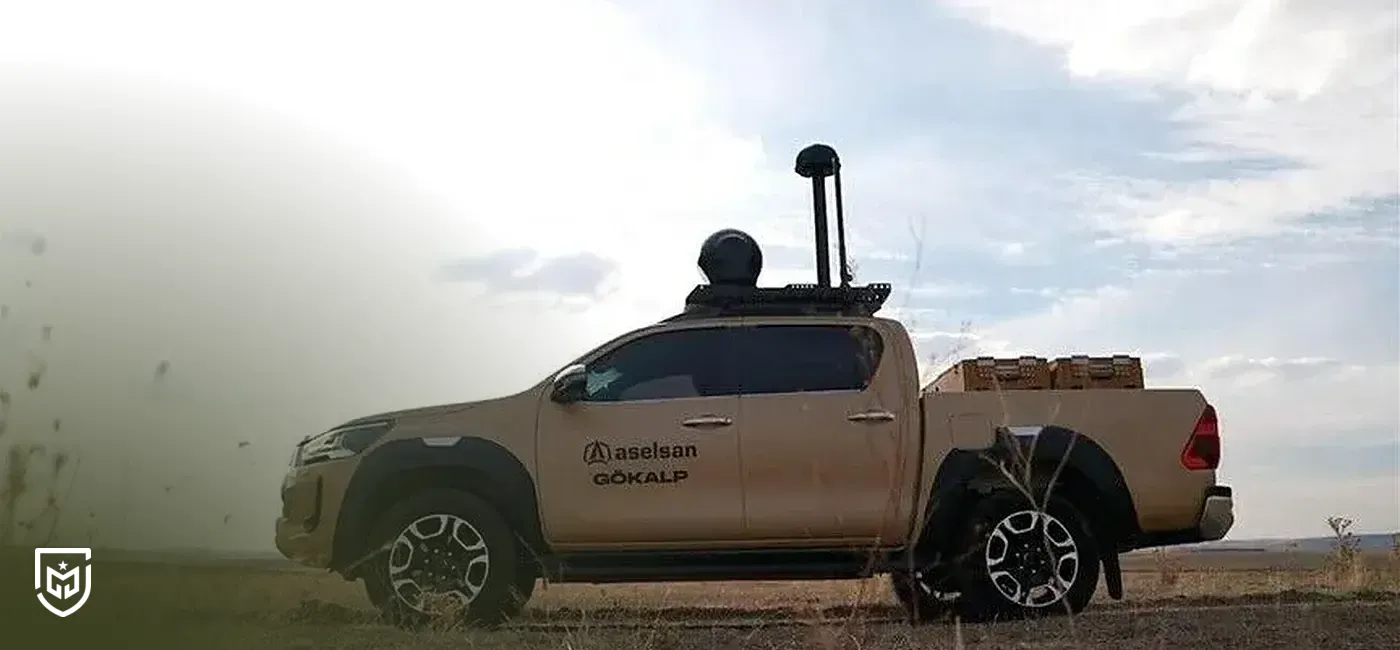
ASELSAN's Drone-Hunting System Completes Successful Demonstration
Romania Signs Contract for Airbus H225M Helicopter Procurement
ASELSAN's GÖKALP drone defense system completes successful demonstration
Ari Arms begins OR-4 rifle production in Azerbaijan
AKINCI UAV Successfully Tested with MORFOZ Guidance Kit