


Satellite and Space News


BREAKING NEWS
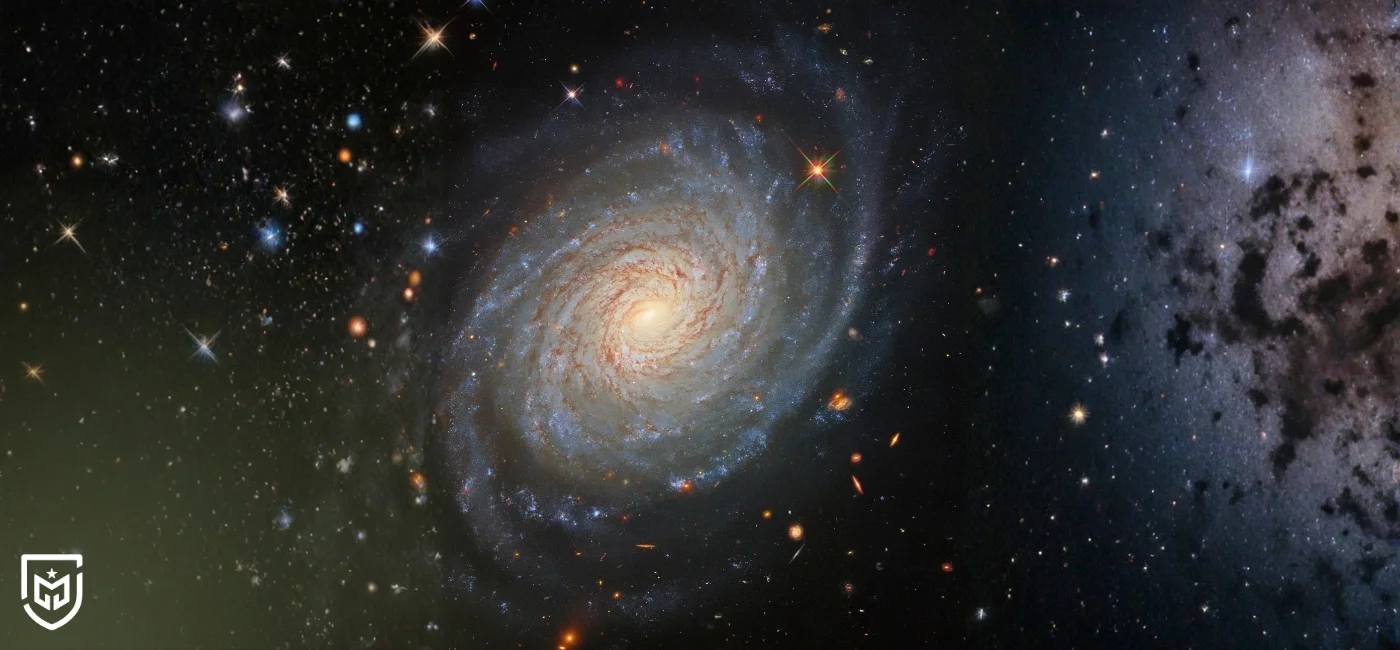
Scientists have achieved a major breakthrough that could reshape the future of space research. An international astronomy team used artificial intelligence to scan the massive archive of the NASA-operated Hubble Space Telescope, uncovering more than 1,300 extraordinary cosmic anomalies. Approximately 100 million small image segments were processed in only two and a half days—an effort that would normally take months or even years if carried out manually by researchers.
The project was led by scientists David O’Ryan and Pablo Gómez from the European Space Agency, who developed a neural network called “AnomalyMatch.” Inspired by the human brain, this AI system was trained to recognize rare and unusual cosmic structures. The tool was tested on the Hubble Legacy Archive, which contains tens of thousands of datasets collected over more than 35 years of the telescope’s operation.
After the AI completed its scan, the most unusual candidates were carefully reviewed by astronomers. This verification process confirmed more than 1,300 genuine anomalies, over 800 of which had never before been documented in scientific literature. Many of these discoveries involve galaxies in the process of merging or interacting, forming distorted shapes with long trails of stars and gas.
Another major group consists of gravitational lenses, where the gravity of a foreground galaxy bends the light from a more distant one, creating ring-like or arc-shaped images. The team also identified galaxies hosting massive star clusters, systems with gas “tentacles,” and planet-forming disks seen edge-on that resemble hamburgers or butterflies. Most intriguing were dozens of objects that do not fit into any existing category, offering astronomers entirely new mysteries to explore.


The cookies used on our website are used to provide you with a better user experience and to improve our website. You can manage your cookie preferences from the options below.
 Süheyla Yıldız
Post Comment
Comments
No comments yet.
Related News
ROKETSAN Emphasizes International Cooperation at 77th Space Congress
HÜRSAT-1 Satellite Set for Launch in Mid-2027
TUSAŞ Unveils HÜRSAT: New Generation Earth Observation Satellite Family
ASELSAN's GÖKBAĞI constellation: 198-satellite project unveiled
TUSAŞ and ROKETSAN Sign HÜRSAT-2 Satellite Agreement
Swedish-Developed Lunar Neutrals Telescope Delivered to TÜBİTAK SPACE for Moon Mission-1
Japan's RV-X reusable rocket completes first test flight
Turkey's indigenous atomic clock undergoing space testing