BREAKING NEWS
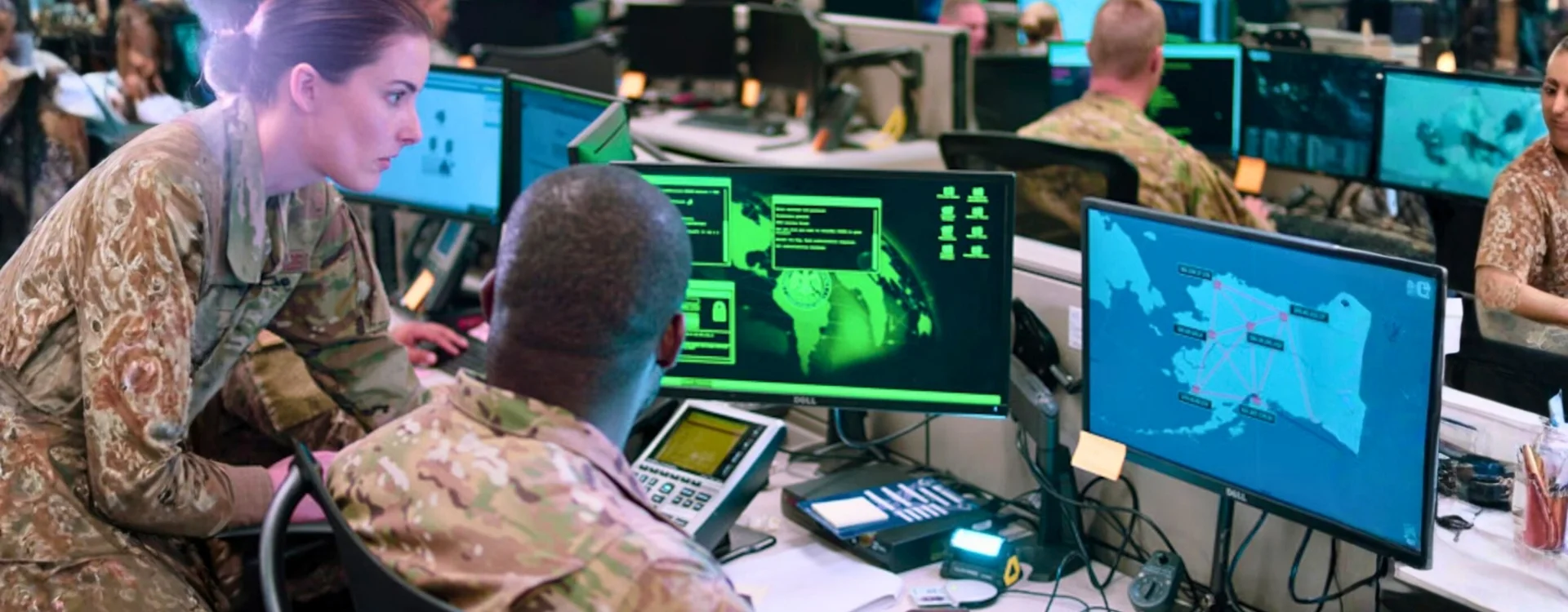
Modern military networks must defend not only against external cyber threats but also against insider risks. The Zero Trust model in military networks has emerged as a next-generation security framework built on the principle of “never trust, always verify.” In today’s hybrid warfare environment, traditional perimeter-based security approaches are no longer sufficient. Zero Trust architecture provides multi-layered protection for critical systems, classified data, and command infrastructures. From defense industry environments to tactical field communication systems, this model has become a foundational pillar of secure military operations.
From a technical perspective, the Zero Trust model is based on strict identity verification, device validation, network segmentation, and continuous monitoring. Every user, device, and data request is treated as a potential threat until proven otherwise. Through microsegmentation, network traffic is tightly controlled, limiting lateral movement in the event of a breach. Multi-factor authentication (MFA), endpoint compliance checks, encrypted communication protocols, and behavioral analytics are key components of this framework. In operational technology (OT) systems and classified intranet infrastructures, Zero Trust significantly reduces unauthorized access risks while enabling real-time threat detection. As cyber warfare continues to evolve, Zero Trust has become an indispensable standard for military cybersecurity strategy.


The cookies used on our website are used to provide you with a better user experience and to improve our website. You can manage your cookie preferences from the options below.






 Süheyla Yıldız