BREAKING NEWS
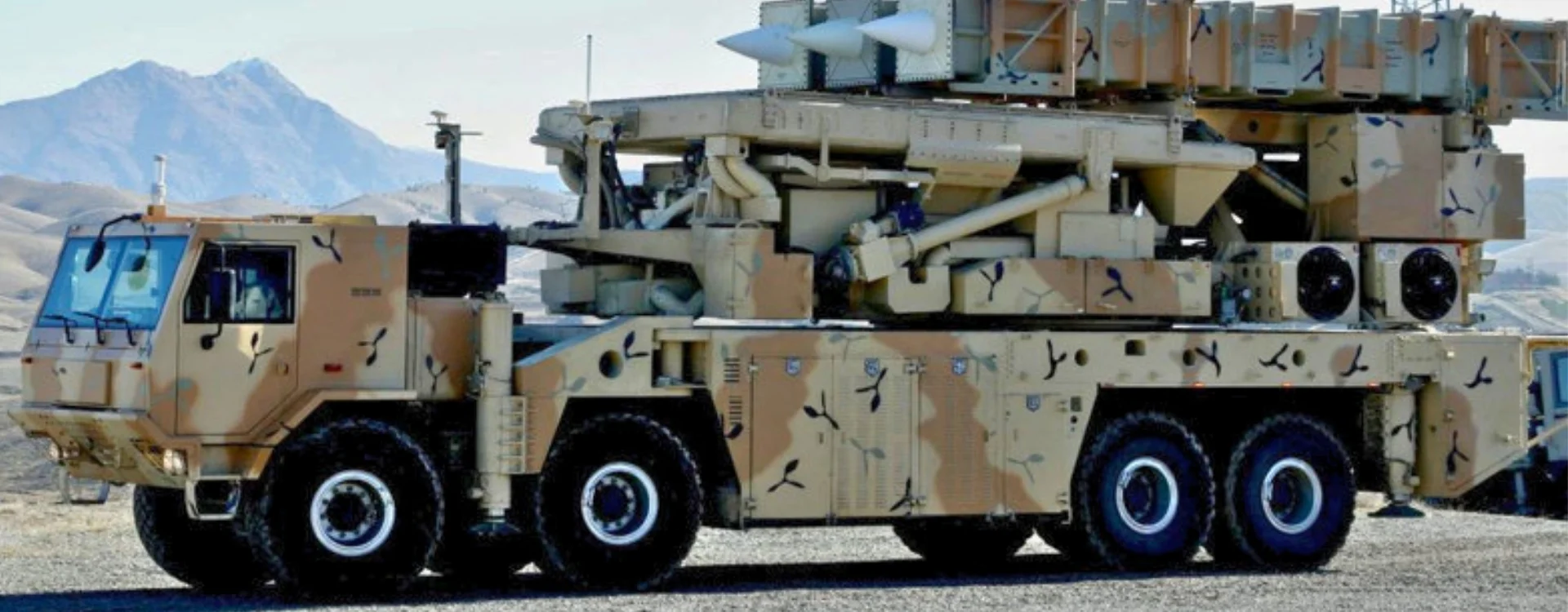
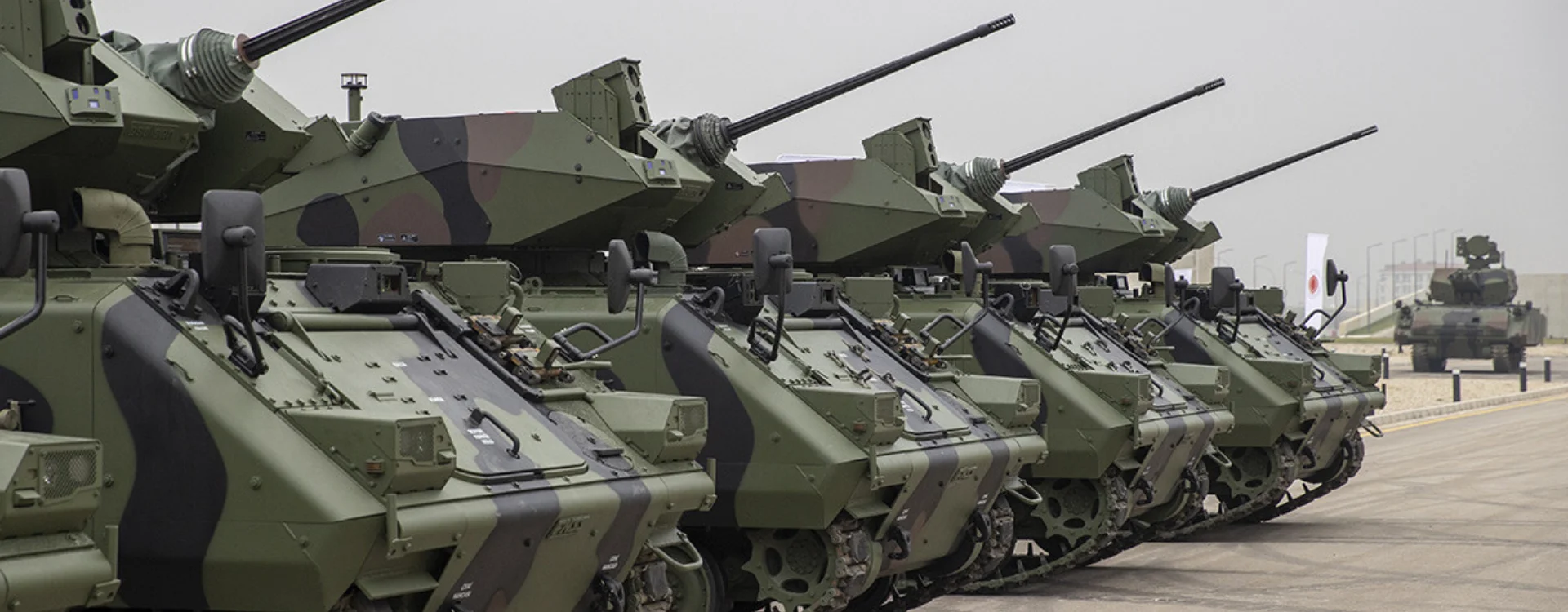
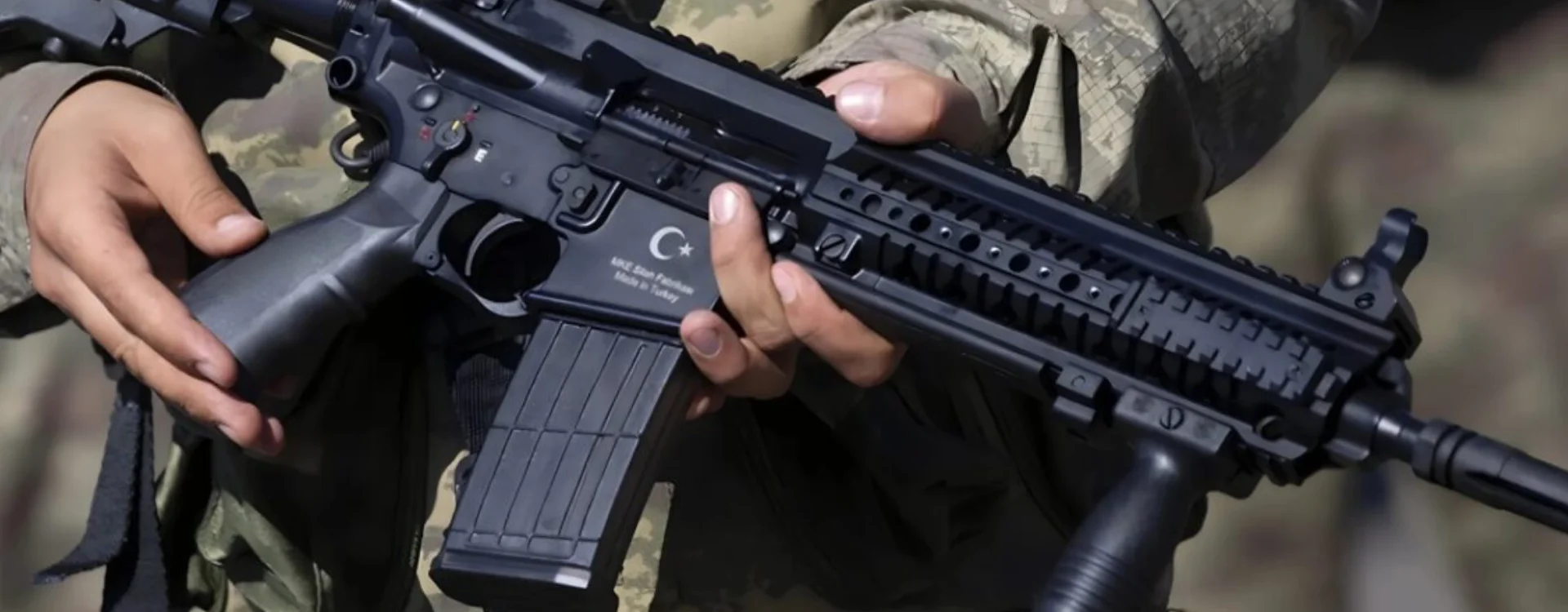
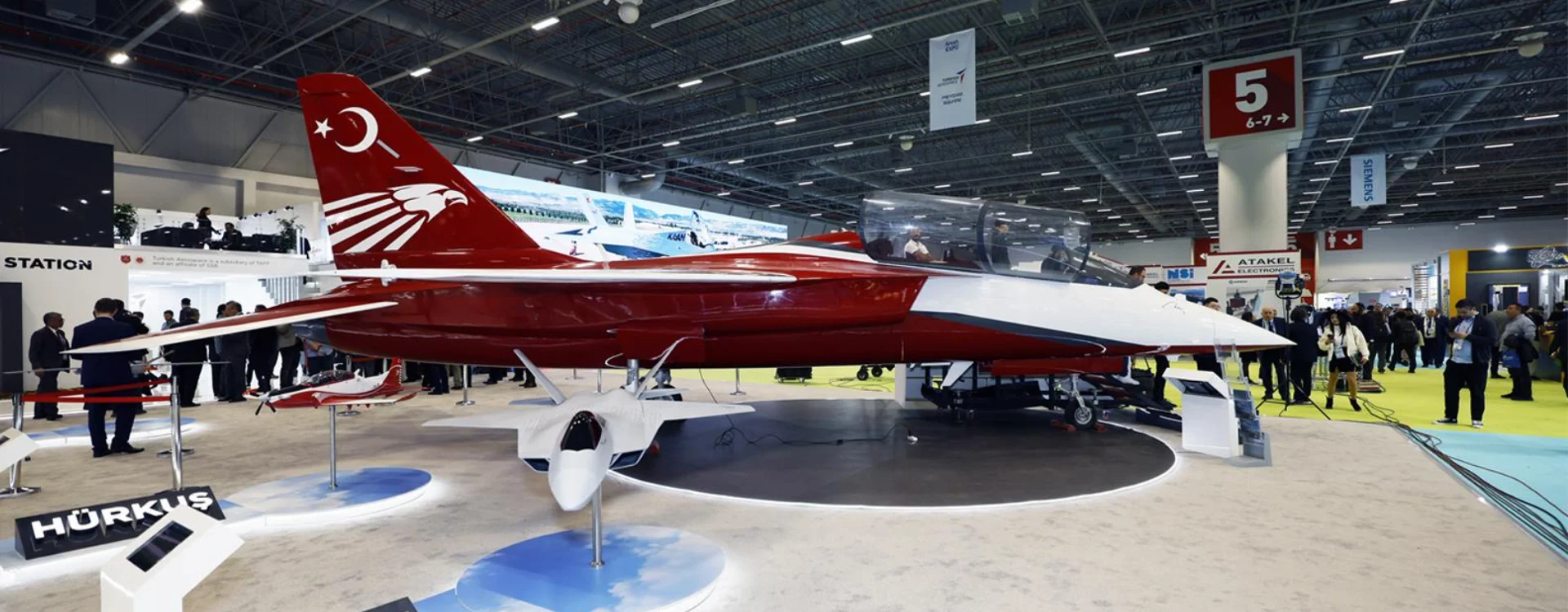
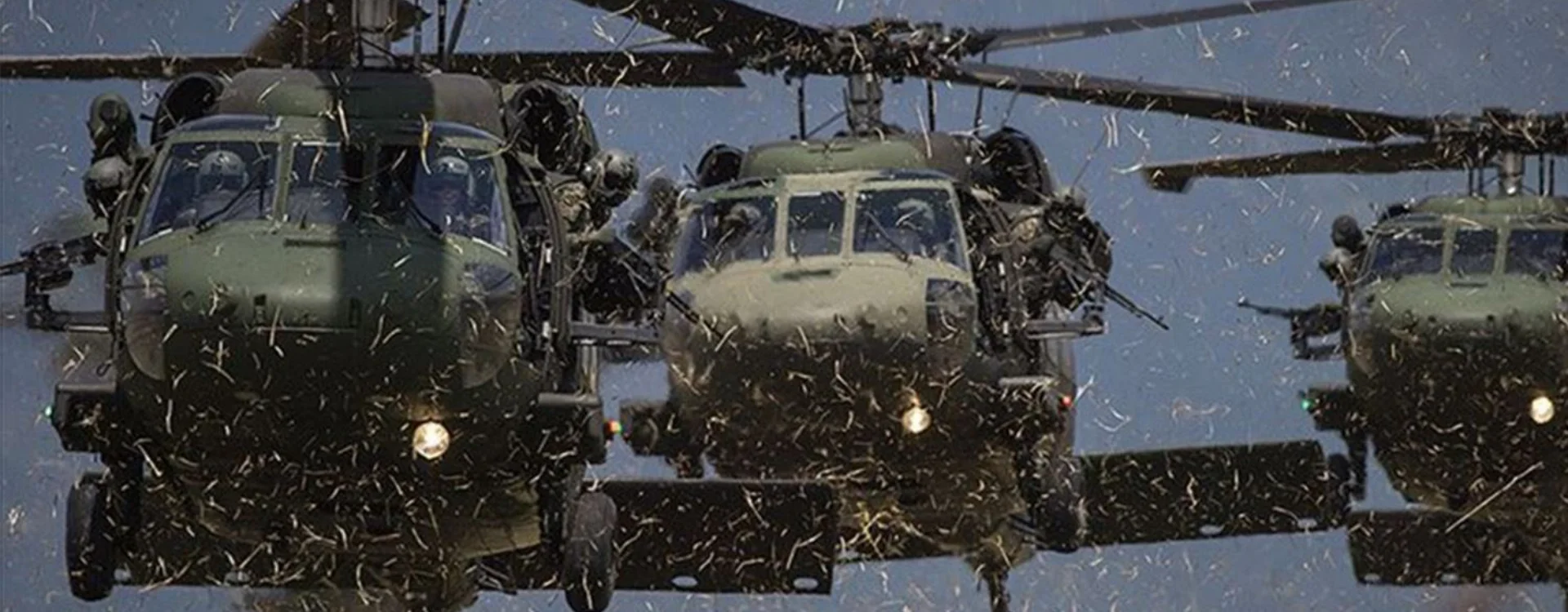
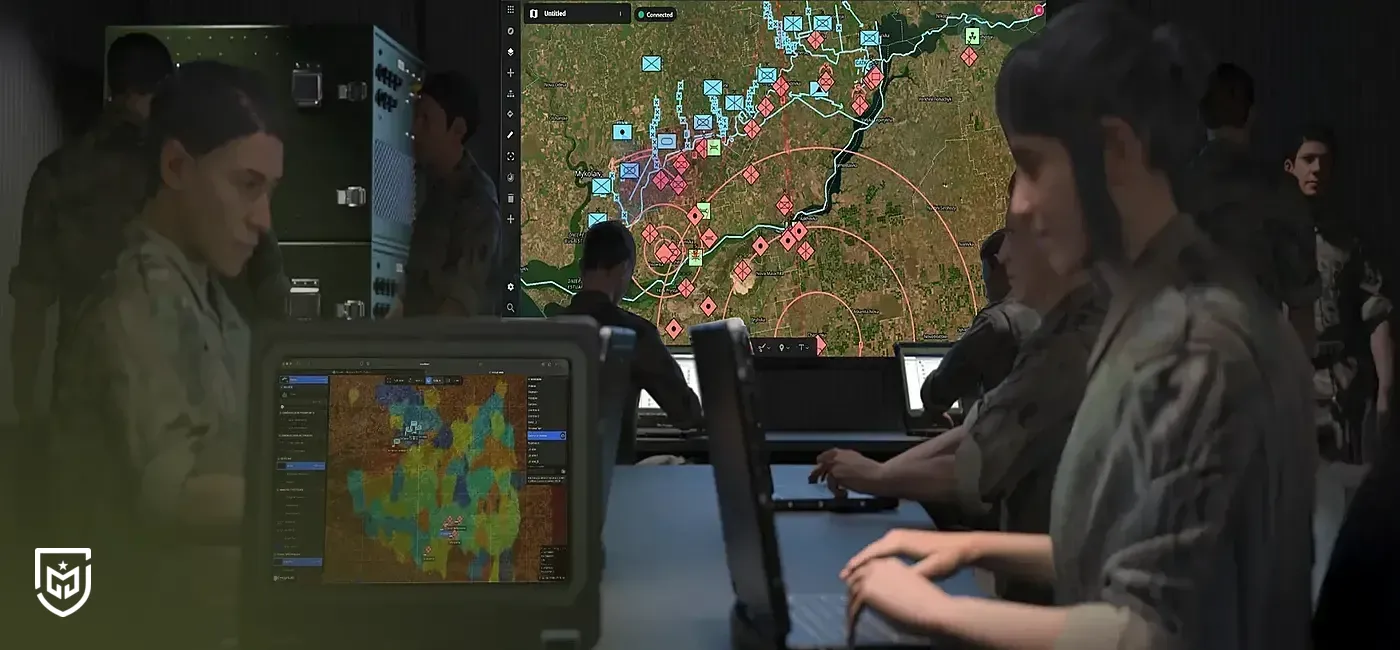
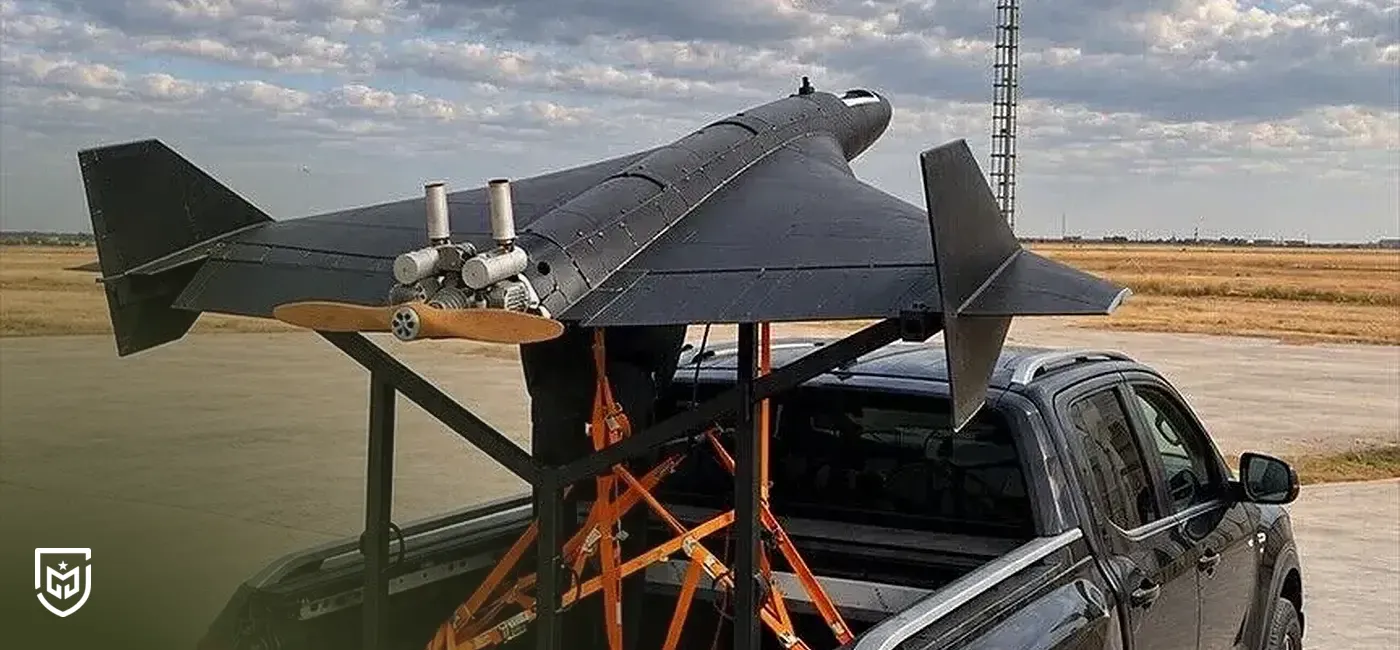
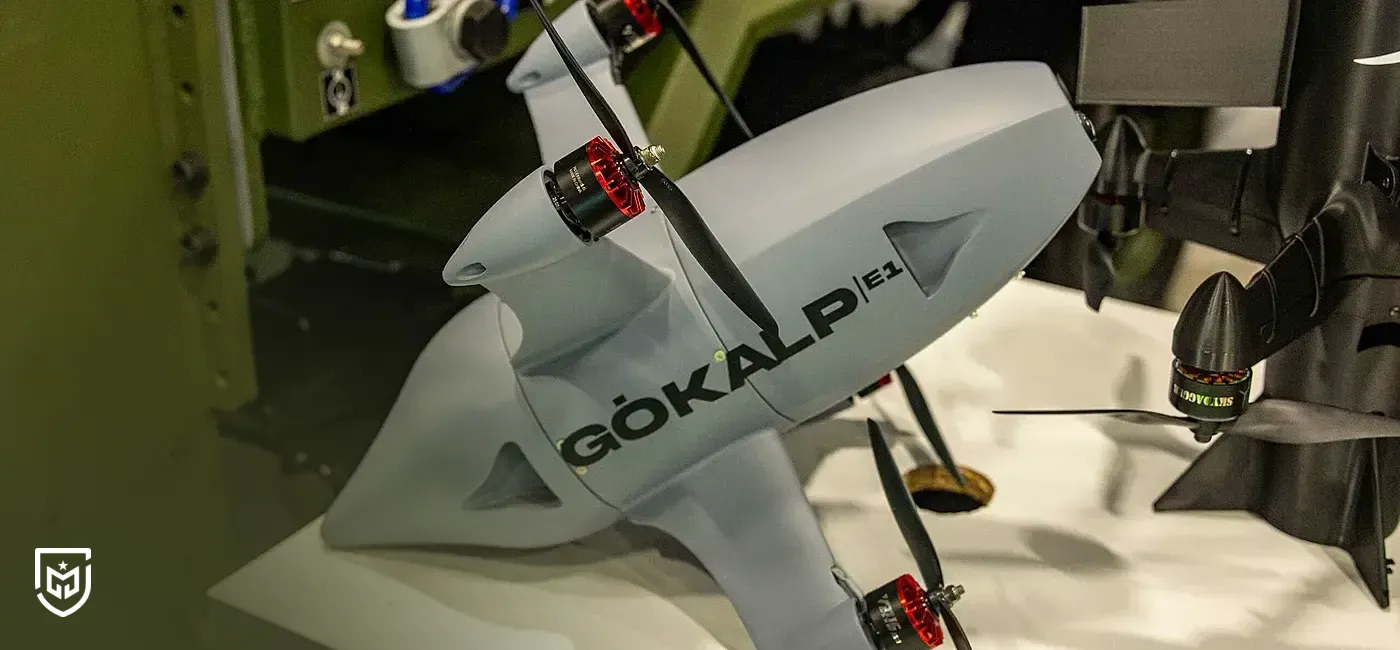
Middle East armament trends have evolved into a technology-driven structure shaped by changing threat perceptions, the rise of missile and drone attacks, increasing demand for air defense, and intensifying geopolitical competition. Today, the focus is no longer limited to traditional acquisitions such as tanks or fighter jets; instead, air and missile defense systems, unmanned aerial vehicles (UAVs), early warning networks, precision strike capabilities, electronic warfare, and integrated command-control systems are at the forefront. Key regional actors—including Gulf states, Israel, and Iran—are developing more layered defense architectures while also accelerating domestic defense industry investments to reduce reliance on foreign suppliers. The continued dominance of the Middle East in global arms imports and rising regional defense expenditures indicate that this transformation is structural rather than temporary. Armament in the Middle East now means building smarter, faster, and more integrated military capabilities rather than simply acquiring more weapons.
From a technical perspective, regional armament trends concentrate around three main axes: air and missile defense, UAV and missile capabilities, and domestic production with technology partnerships. Recent conflicts have demonstrated that low-cost drones and saturation attacks can challenge high-cost defense systems, prompting countries to invest in layered defense concepts. At the same time, deterrence strategies are being reinforced through long-range precision strike systems, unmanned fleets, radar networks, and data-linked battle management infrastructures. Additionally, Gulf countries are increasingly seeking defense partnerships, diversifying suppliers, and aligning procurement decisions with operational experience. This indicates that future armament trends in the region will become more selective yet more sophisticated. Ultimately, Middle East armament trends are shifting away from purely quantitative competition toward a model centered on technology, sustainability, integrated defense, and rapid response capability.


The cookies used on our website are used to provide you with a better user experience and to improve our website. You can manage your cookie preferences from the options below.



 Süheyla Yıldız