BREAKING NEWS
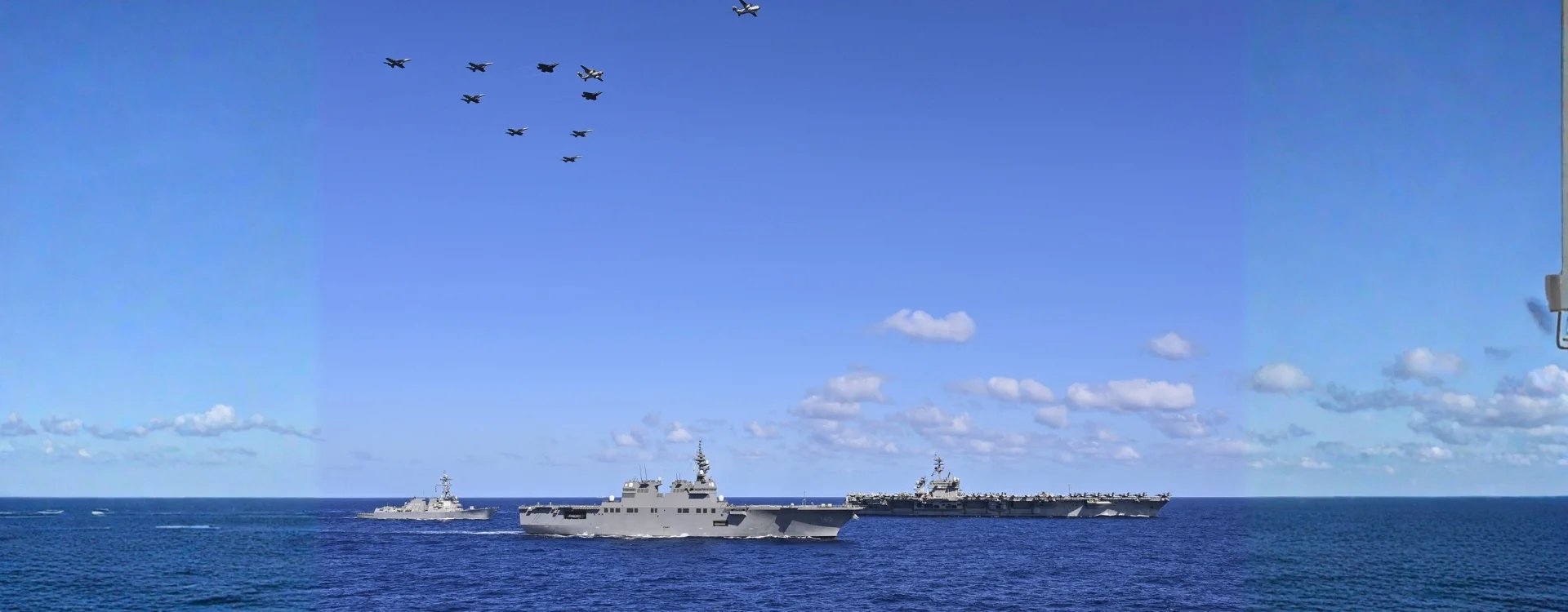
Asia-Pacific military competition refers to the multi-layered security rivalry in which regional and global powers seek strategic superiority across naval, air, missile, cyber, and defense technologies. At the core of this competition lies not only military buildup but also control of sea lanes, island chains, trade routes, alliance structures, and deterrence capabilities. In recent years, China’s expanding military activities, the United States’ Indo-Pacific strategy, Japan’s defense transformation, South Korea’s military advancements, Australia’s new security partnerships, and tensions around Taiwan have made the region one of the most sensitive areas in global politics. One of the most striking aspects of the Asia-Pacific competition is the simultaneous growth of economic interdependence and military tension. This makes the region a unique geopolitical space where trade and strategic rivalry intensify together.
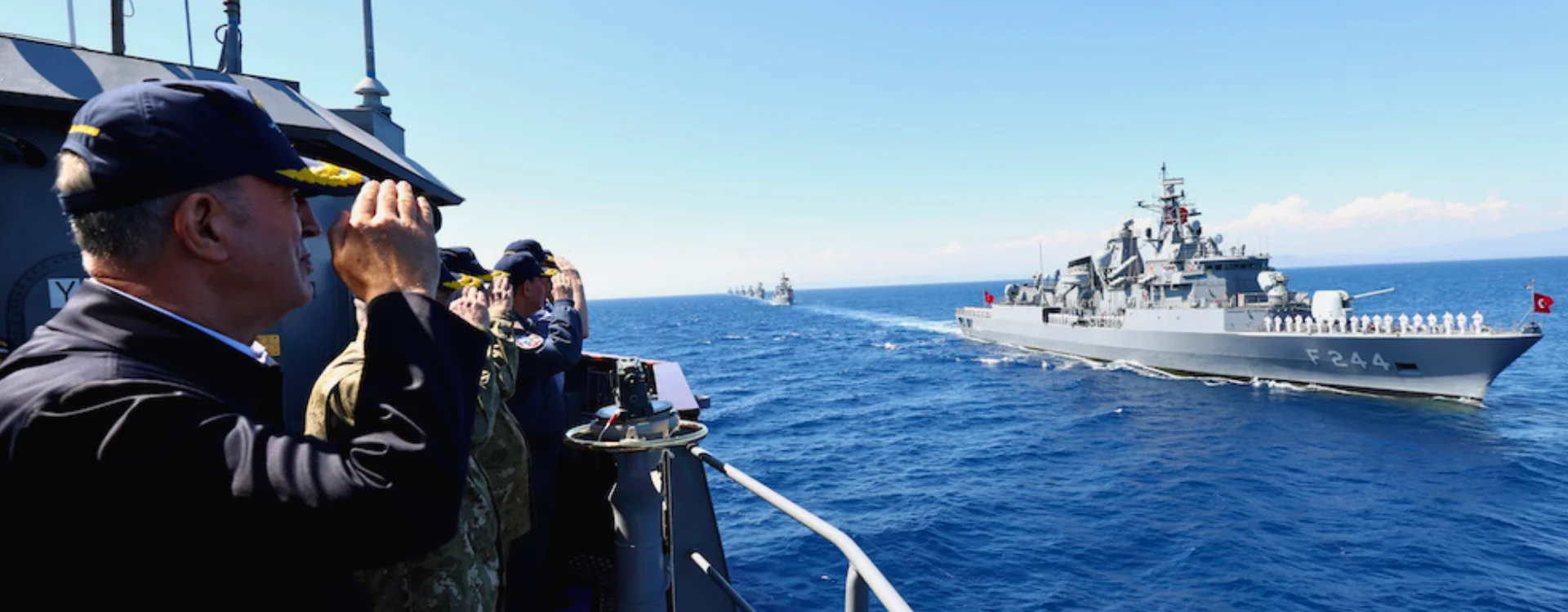
From a more technical perspective, this competition is driven by capabilities such as aircraft carriers, submarines, long-range missile systems, integrated air defense networks, unmanned platforms, AI-supported surveillance systems, and forward military deployments. Strategic hotspots like the South China Sea, the Taiwan Strait, the East China Sea, and the first island chain hold both geographic and operational importance. Countries in the region are increasing defense budgets and investing in domestic defense industries while also building multi-layered deterrence architectures through alliances, joint exercises, and technology sharing. In this context, Asia-Pacific military competition goes beyond traditional power balance concepts and increasingly depends on logistical reach, industrial capacity, supply chain security, cyber resilience, and rapid force projection capabilities. Ultimately, this competition not only shapes regional security but also plays a decisive role in defining global power distribution and the future of warfare.


The cookies used on our website are used to provide you with a better user experience and to improve our website. You can manage your cookie preferences from the options below.




 Süheyla Yıldız