BREAKING NEWS
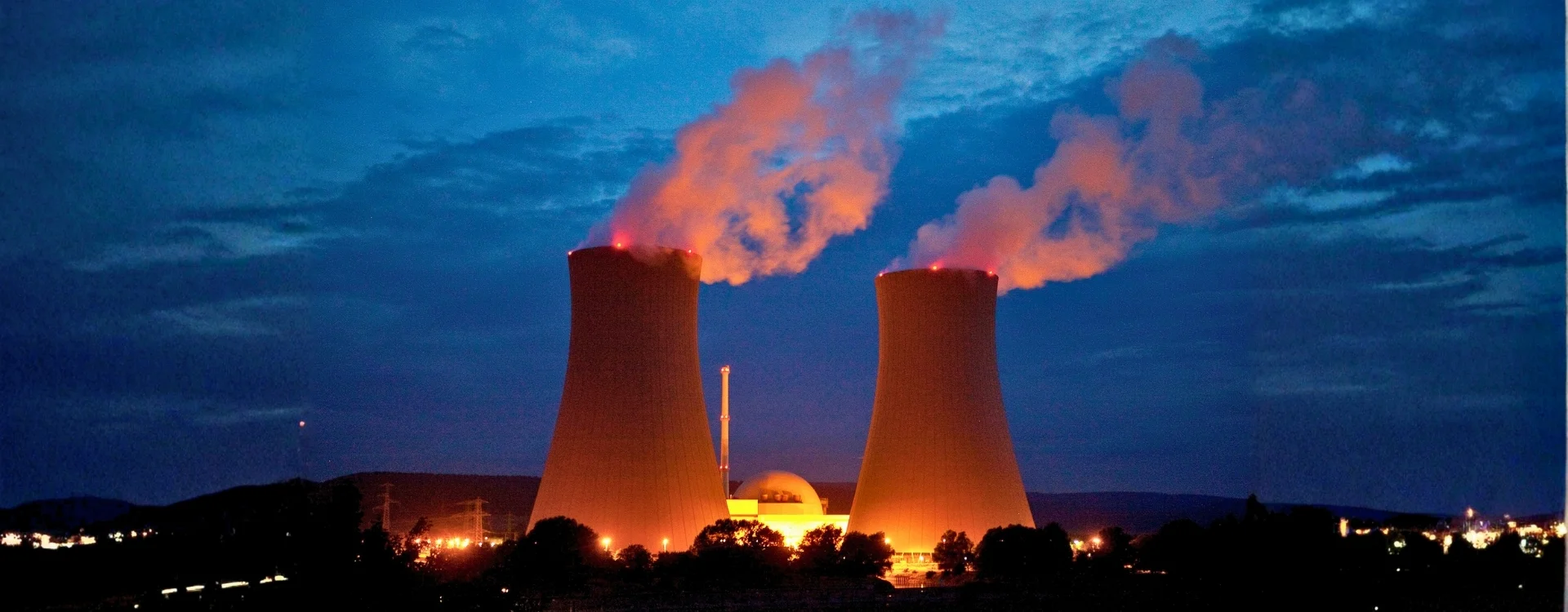
Nuclear deterrence is a strategic security approach aimed at preventing adversaries from launching attacks by leveraging a state's nuclear weapon capabilities. According to this theory, a country’s ability to retaliate with nuclear force creates a high level of risk for potential enemies, discouraging them from initiating aggression. Especially among major powers, the goal is to maintain peace not through direct conflict, but through a balance of threat and fear. For this reason, nuclear deterrence is considered one of the most powerful strategic tools in preventing war.
From a more in-depth perspective, nuclear deterrence is based on the doctrine of Mutually Assured Destruction (MAD). This doctrine argues that when both sides possess the capability to completely annihilate each other, war ceases to be a rational option. For deterrence to be effective, credibility, second-strike capability, and constant readiness are essential components. In the modern era, this theory has evolved beyond nuclear weapons alone, incorporating cyber threats and missile defense systems into a more complex strategic framework. In this context, nuclear deterrence continues to be a cornerstone of the global security architecture.


The cookies used on our website are used to provide you with a better user experience and to improve our website. You can manage your cookie preferences from the options below.






 Süheyla Yıldız