BREAKING NEWS
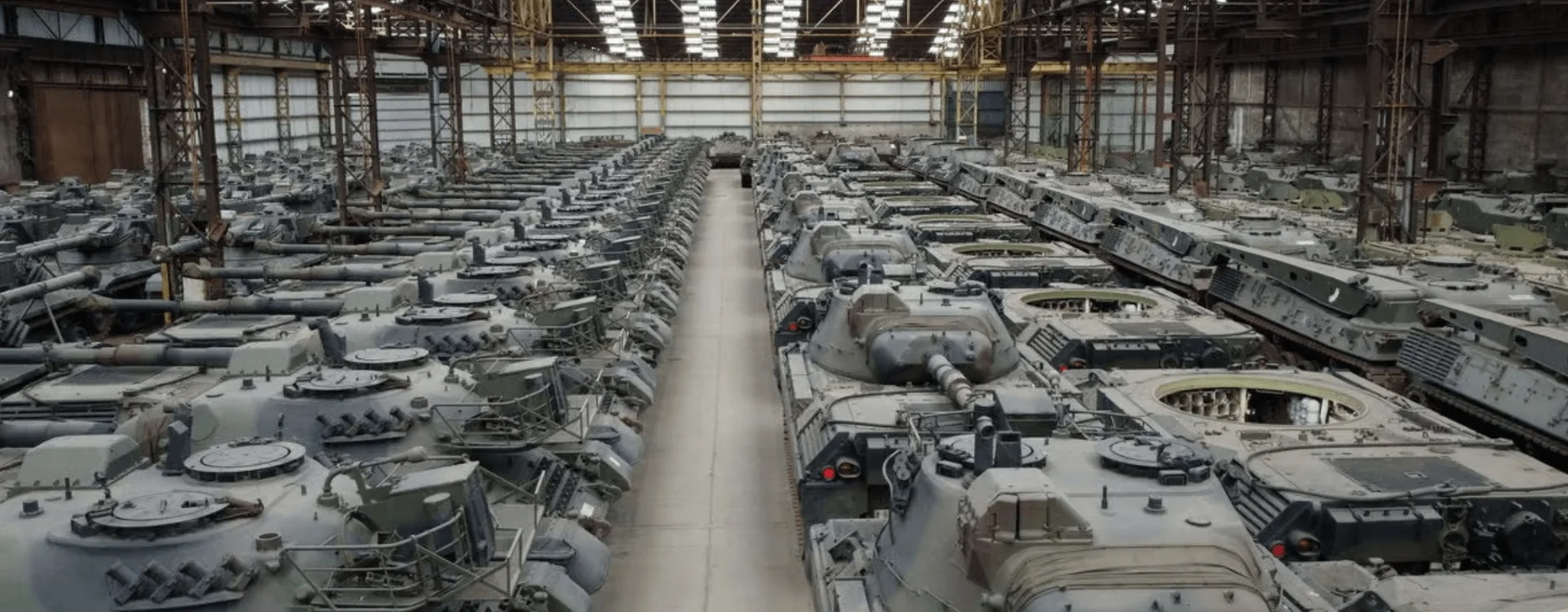
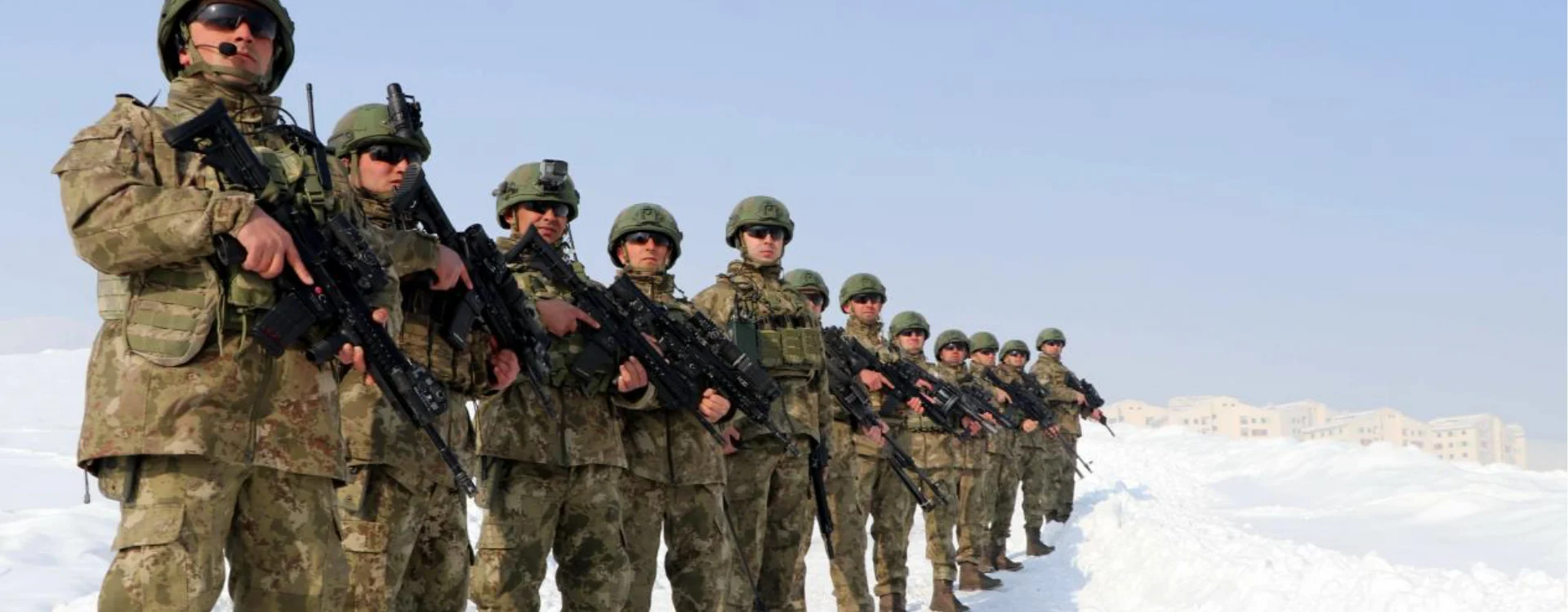
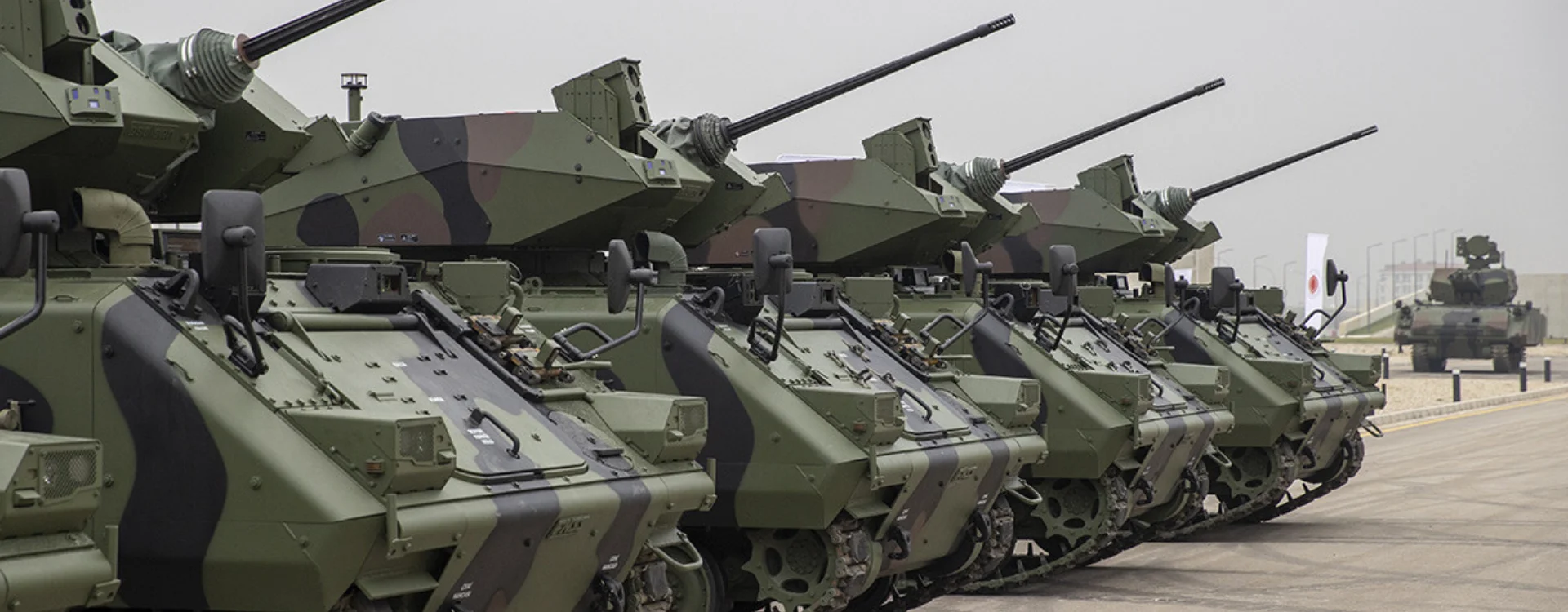
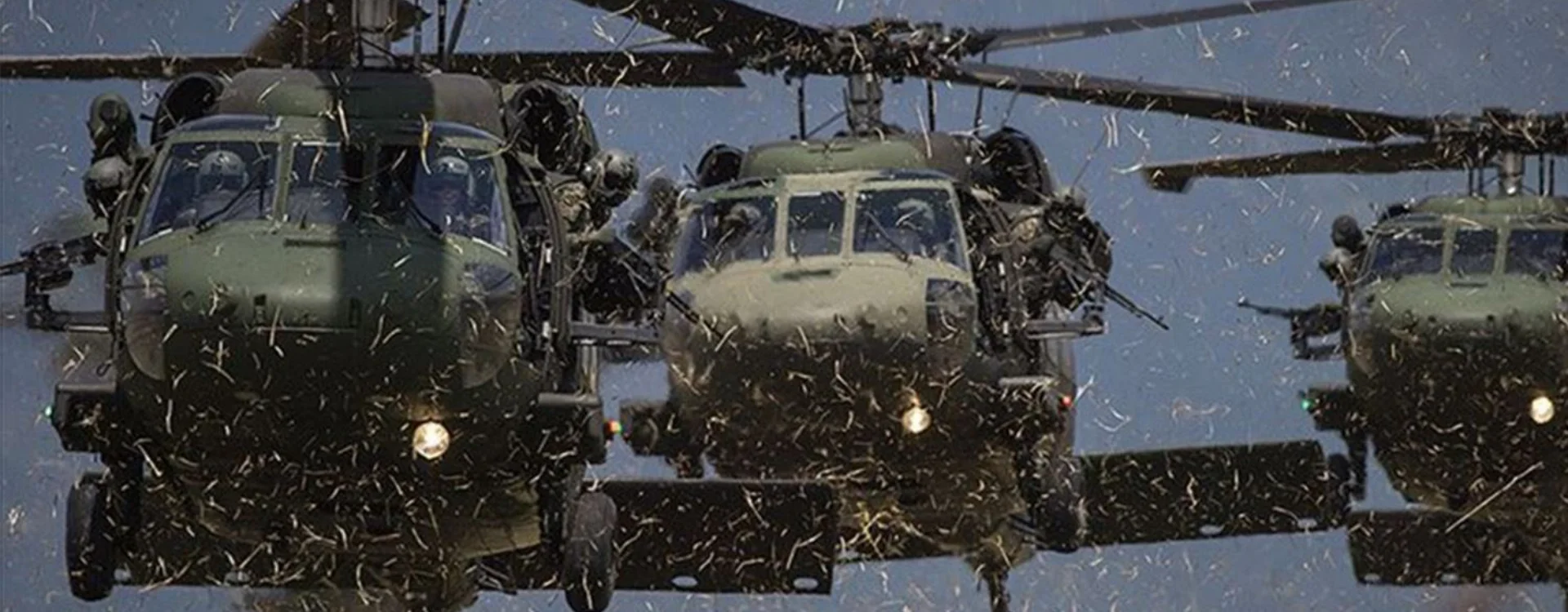
A regional arms race is the process in which countries within a specific geographic area rapidly increase their defense capabilities in order to gain military superiority over one another. This competition is usually driven by security concerns, geopolitical rivalry, and the search for balance of power. When one country expands its military investments, neighboring states often perceive this as a threat, which in turn leads to a chain reaction of rising defense budgets and accelerated armament efforts. Today, this kind of rivalry is especially visible in regions such as the Middle East, the Asia-Pacific, and Eastern Europe. One of the most important characteristics of regional arms races is that processes that begin in the name of defense can gradually create mutual distrust and intensify tensions.
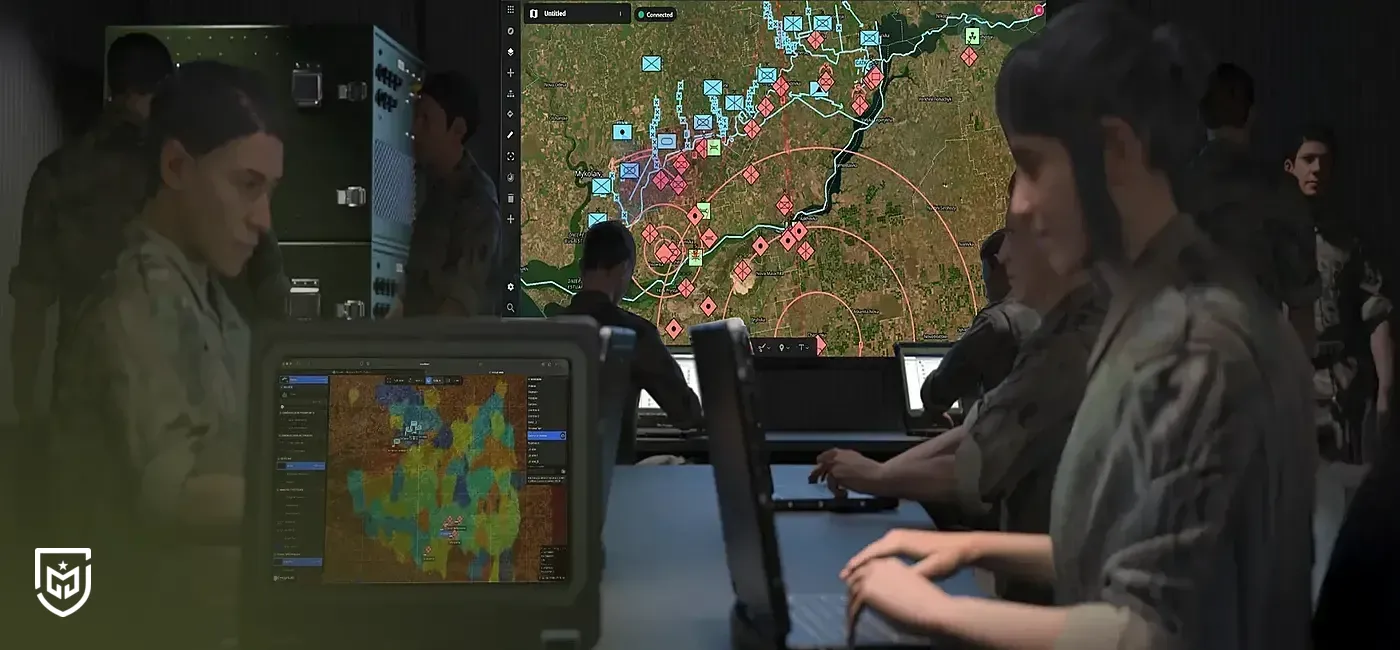
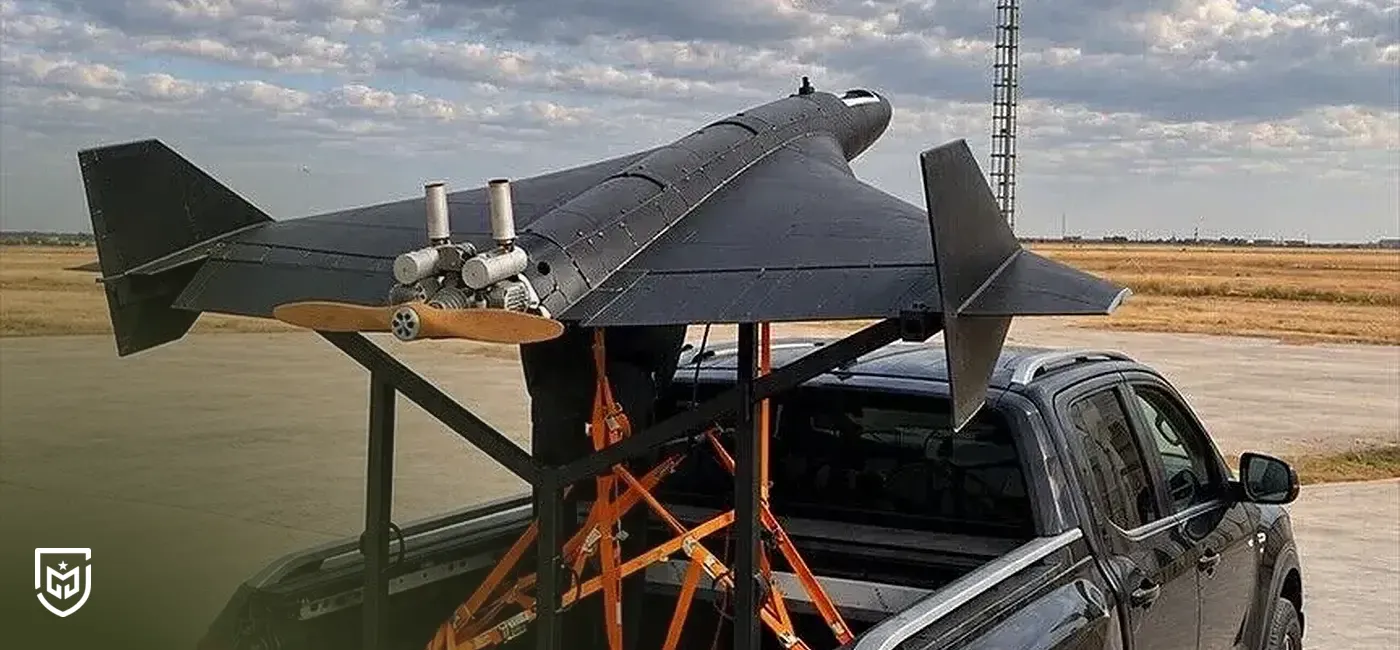
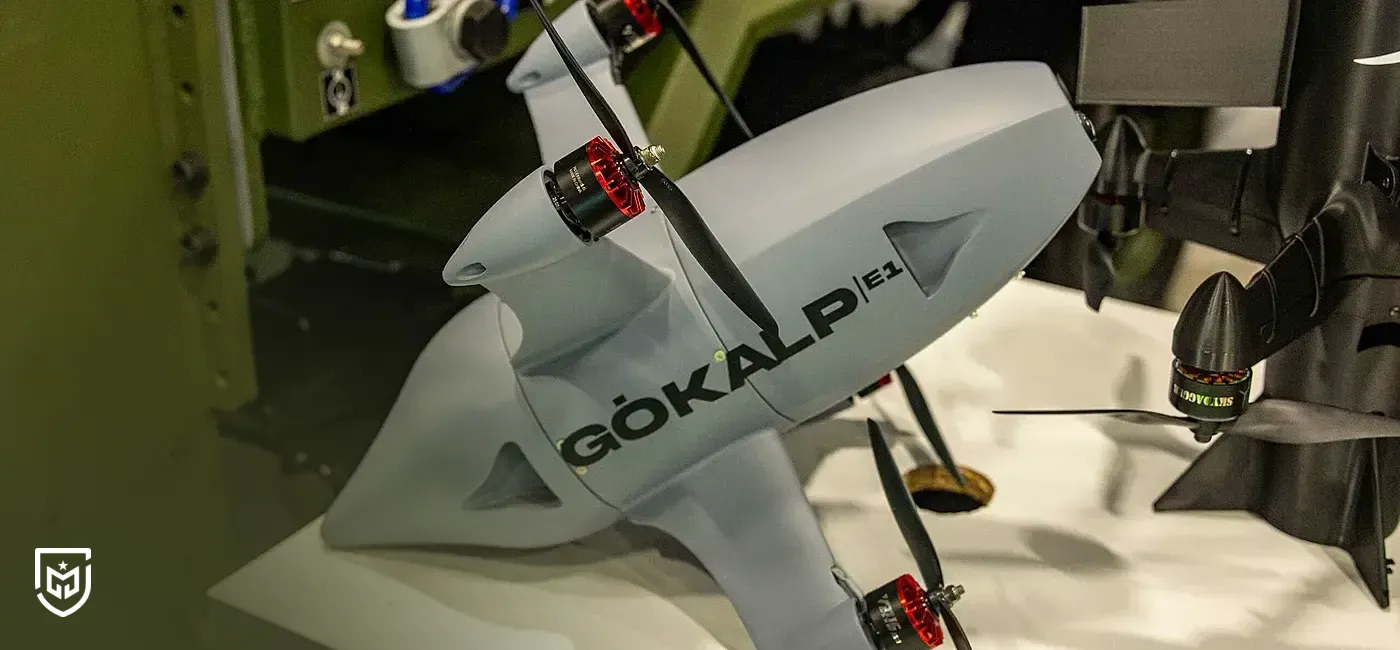
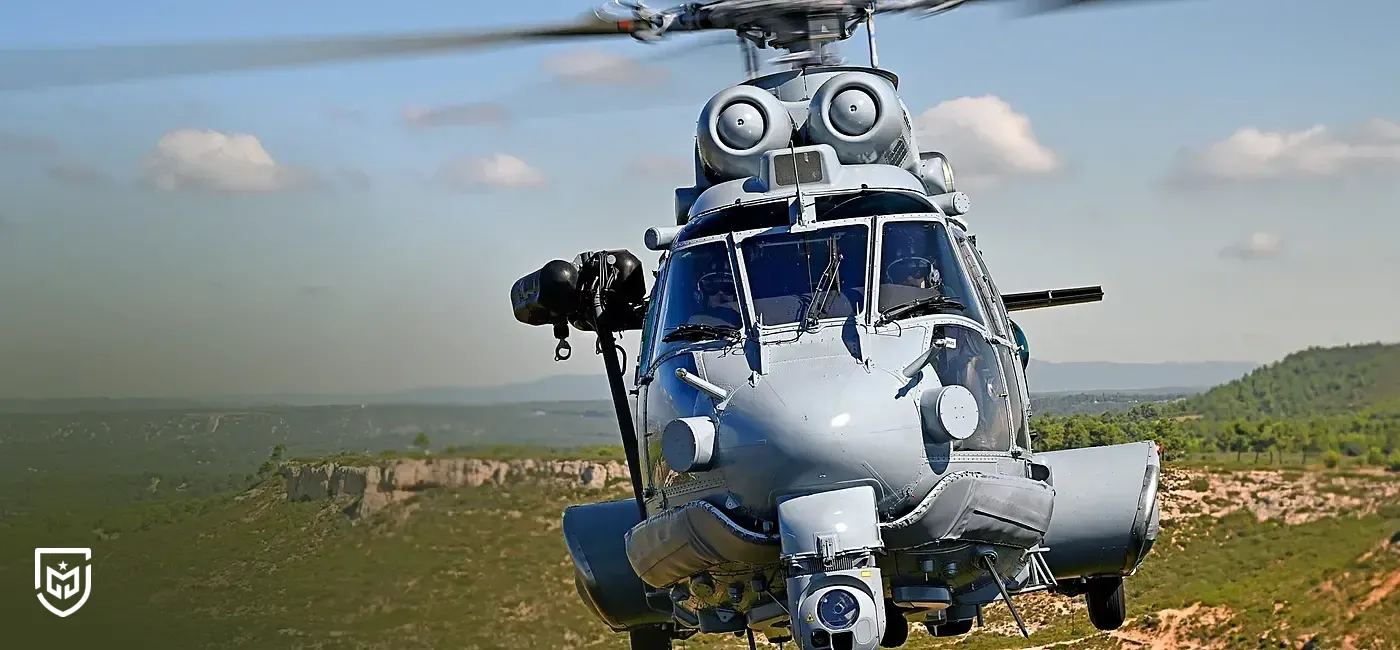
From a more technical perspective, a regional arms race is often explained through the concept of the security dilemma. According to this idea, the steps one state takes to improve its own security are interpreted by other states as a threat, which then triggers reciprocal military buildup. In this process, countries invest in areas such as advanced weapon systems, missile defense systems, nuclear capability, cyber warfare capacity, and military alliances. In addition, the development of the defense industry and domestic production capability forms an important part of this competition. Over the long term, this race can redirect economic resources toward military spending, increase regional instability, and raise the risk of conflict. As a result, a regional arms race stands out as a critical dynamic shaping the delicate relationship between security, deterrence, and balance of power in the modern international system.


The cookies used on our website are used to provide you with a better user experience and to improve our website. You can manage your cookie preferences from the options below.




 Süheyla Yıldız