BREAKING NEWS

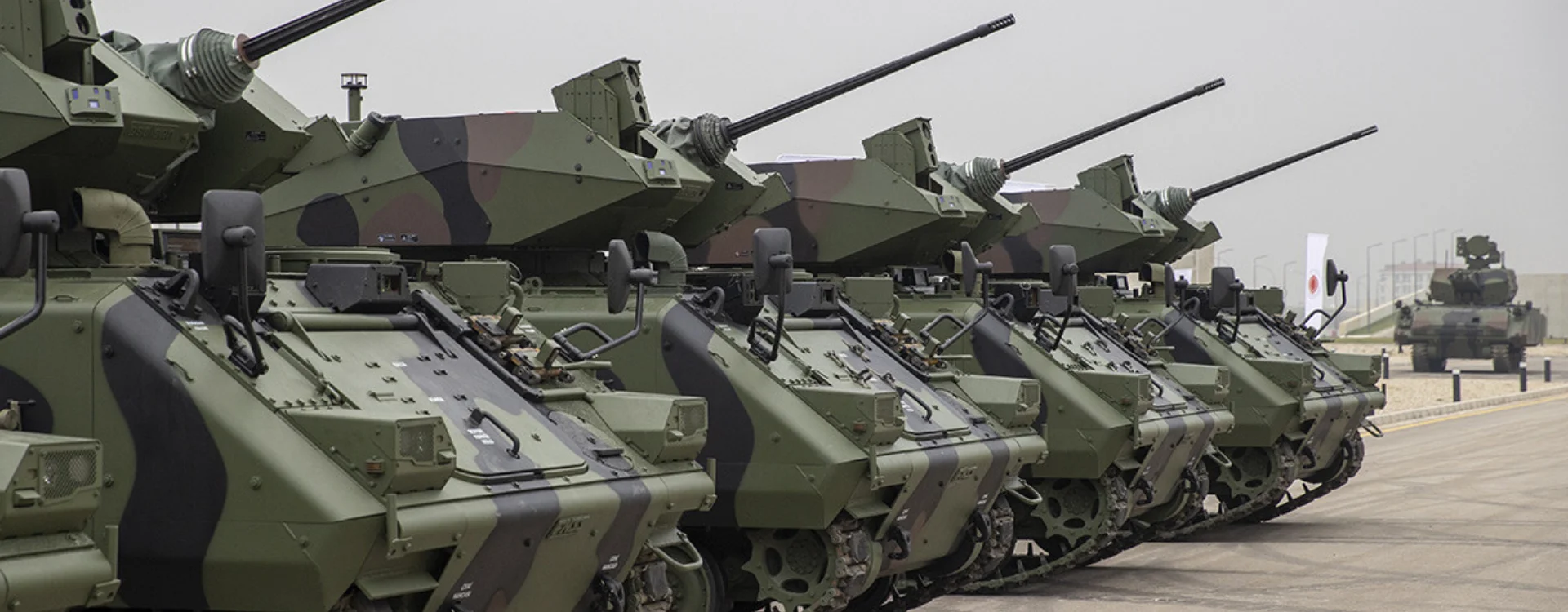
Deterrence theories refer to strategic approaches built on preventing one actor from carrying out an unwanted action by influencing the cost-benefit calculation of the opposing side. These theories hold a central place especially in international relations and security policies, where they are shaped through threat, power projection, and retaliation capacity. The main objective is to make the potential cost of an attack or aggressive move appear so high that the opposing side decides not to act. In this sense, deterrence stands out as a strategy aimed at winning without going to war.
From a more technical perspective, deterrence theories are divided into subcategories such as nuclear deterrence, conventional deterrence, and extended deterrence. The concept of nuclear deterrence, which developed prominently during the Cold War, is especially associated with the doctrine of mutually assured destruction. In this framework, both sides possessing the capacity to completely destroy one another becomes a factor that prevents war from taking place. For deterrence to be effective, credibility, capability, and communication must exist together. Today, cyber security, space technologies, and hybrid warfare methods have further expanded the scope of deterrence theories.


The cookies used on our website are used to provide you with a better user experience and to improve our website. You can manage your cookie preferences from the options below.







 Süheyla Yıldız