BREAKING NEWS
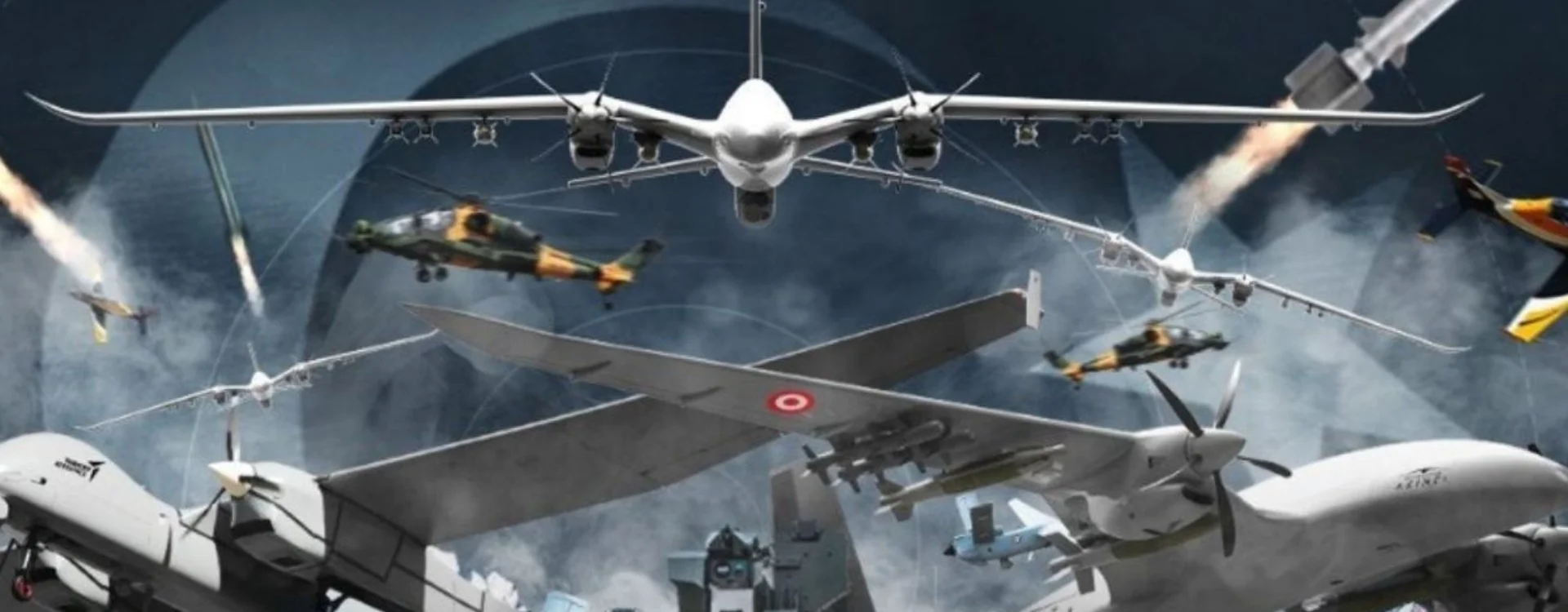
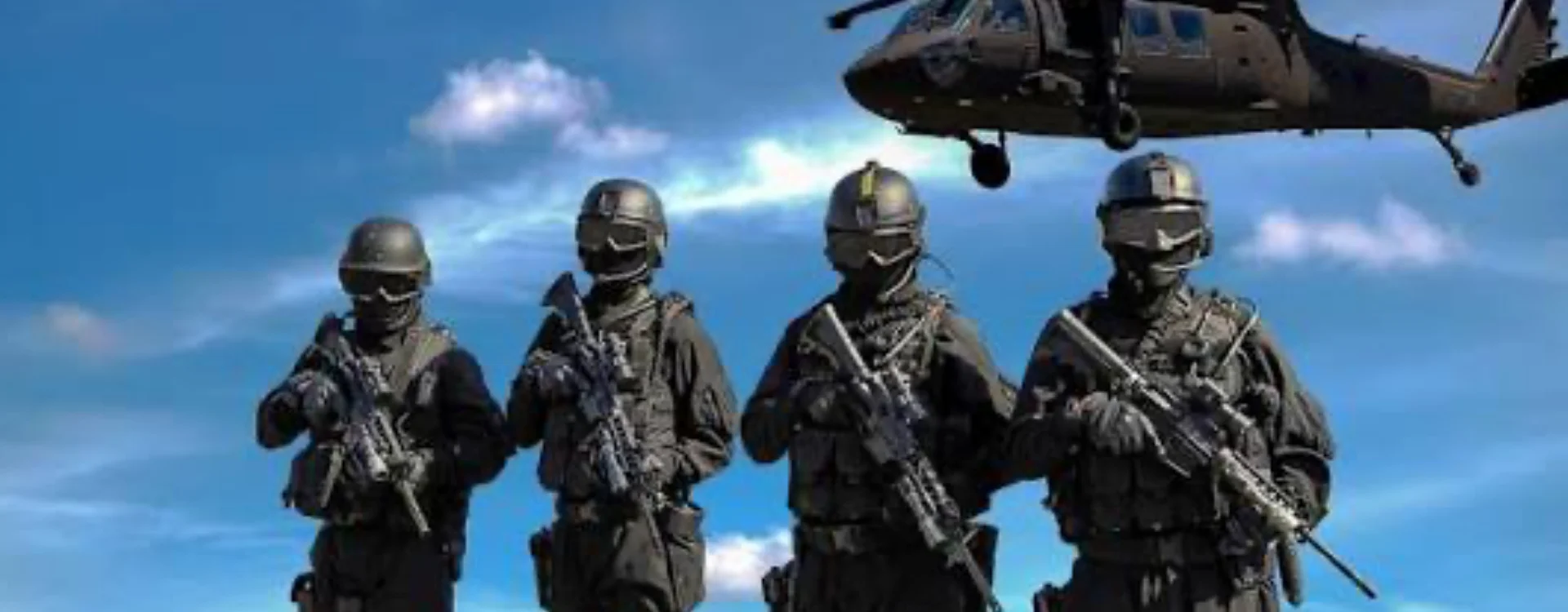
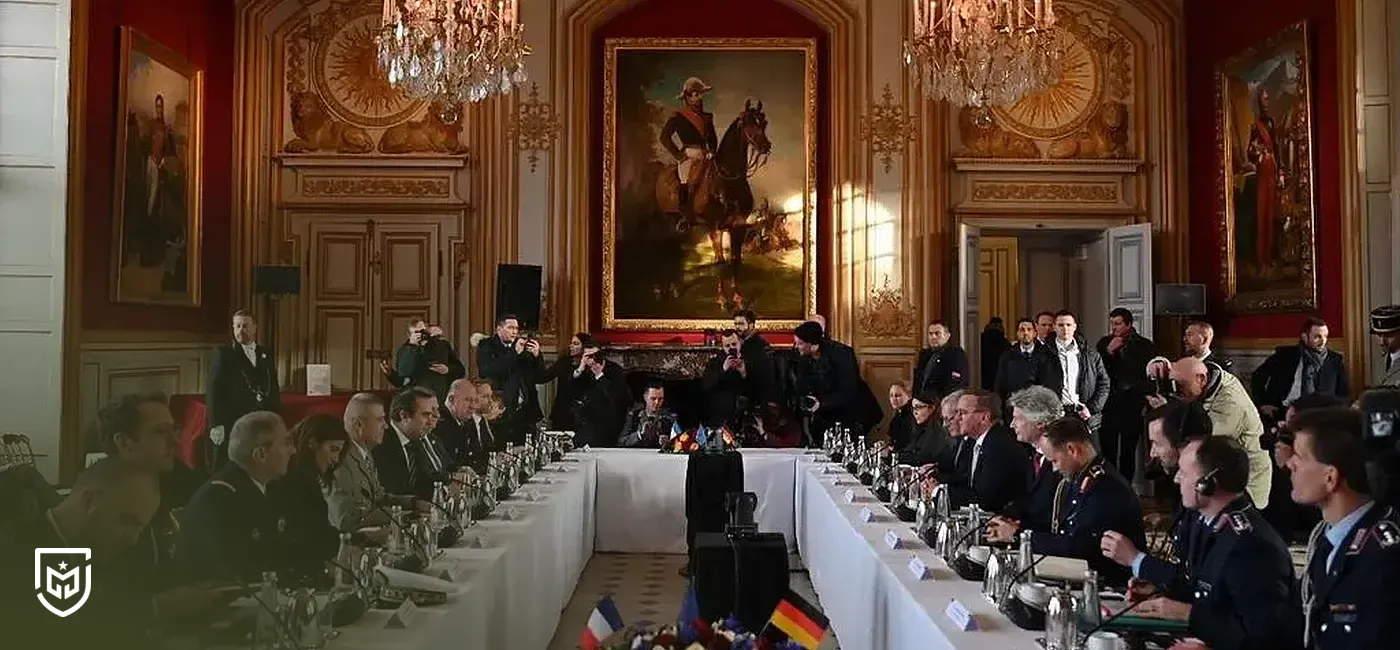
Crisis management and military diplomacy are two complementary strategic tools used to control tensions and reduce the risk of conflict in international relations. Crisis management covers the processes of rapid, coordinated, and effective response in the face of sudden threats and conflict situations, while military diplomacy refers to the use of communication, negotiation, and confidence-building measures to prevent such crises from escalating. As the cost of war has increased and global balances have become more fragile, states have increasingly turned to using diplomatic and military instruments together instead of entering direct confrontation. The joint use of these two concepts is one of the most important security mechanisms for preventing crises from spiraling out of control.
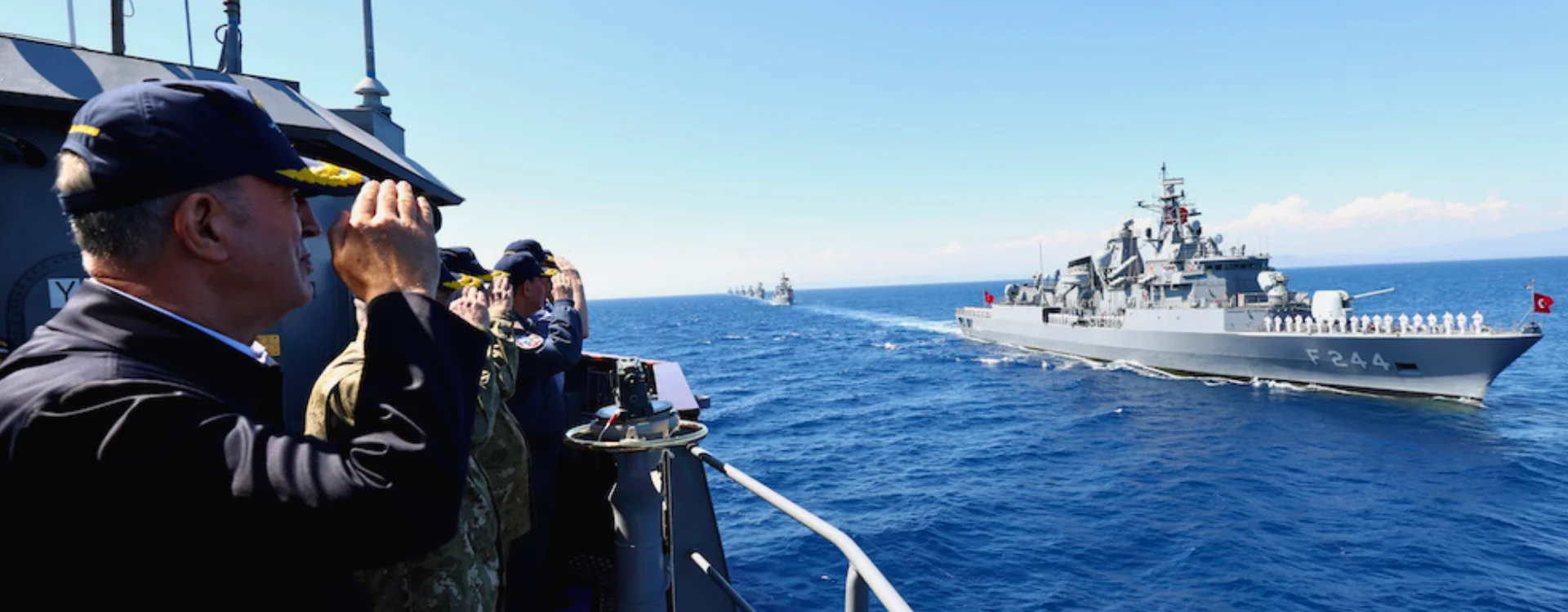
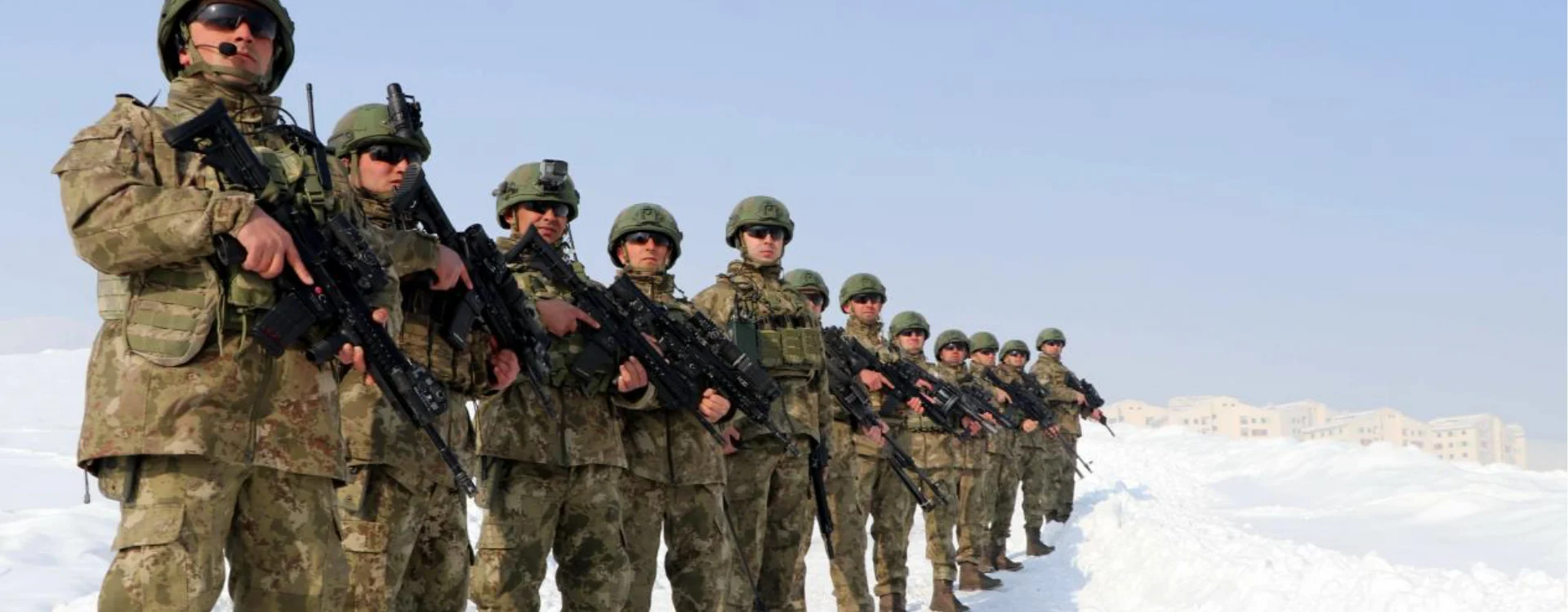
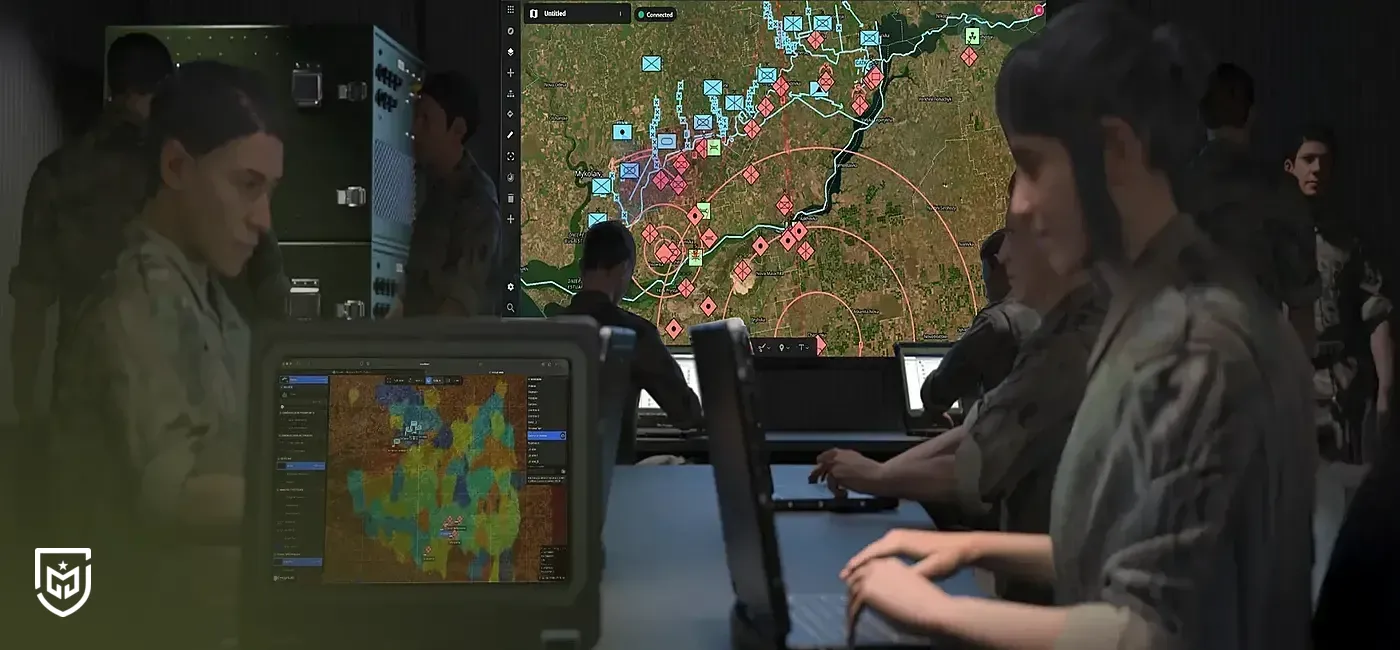
From a more technical perspective, crisis management is shaped by early warning systems, risk analysis, decision-support mechanisms, and operational response plans, while military diplomacy is conducted through meetings between military delegations, joint exercises, defense cooperation, and the maintenance of open communication channels. The goal is not only to resolve the crisis, but also to prevent misunderstandings, build trust, and sustain deterrence in a balanced way. For example, in a border dispute between two countries, maintaining diplomatic contacts while preparing militarily on the ground may help prevent the crisis from turning into war. In addition, diplomacy carried out through multilateral platforms and international organizations plays a critical role in stopping crises from expanding into regional or global conflicts. As a result, crisis management and military diplomacy are indispensable components of modern security strategy, balancing both hard power and soft power elements.


The cookies used on our website are used to provide you with a better user experience and to improve our website. You can manage your cookie preferences from the options below.


 Süheyla Yıldız