BREAKING NEWS
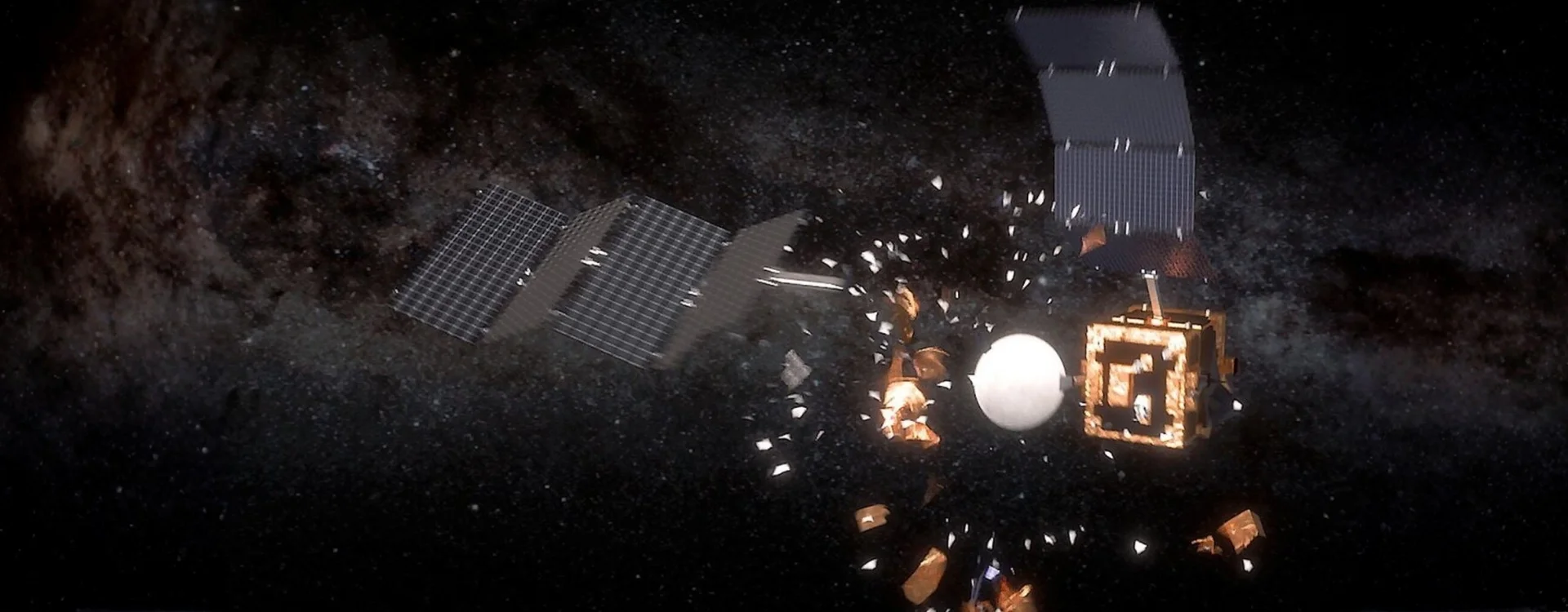
Space Traffic Management is a critical system developed to control the growing satellite density in Earth’s orbit and reduce the risks caused by space debris. In recent years, the rapid expansion of commercial satellite projects and mega-constellations has significantly increased congestion in low Earth orbit. This growing traffic poses serious threats to operational satellites and future space missions. Space Traffic Management systems play a vital role in preventing collisions, maintaining orbital order, and ensuring the long-term sustainability of space activities.
From a technical perspective, Space Traffic Management relies on radar systems, telescope networks, artificial intelligence–powered monitoring software, and real-time data-sharing infrastructures. There are more than 27,000 trackable pieces of space debris orbiting Earth, while hundreds of thousands of smaller fragments—some only millimeters in size—can still cause catastrophic damage. The 2009 collision between Iridium 33 and Kosmos 2251 demonstrated the severe consequences of uncontrolled orbital traffic. Following this incident, countries and private companies accelerated the development of advanced collision-avoidance algorithms. Today, Space Traffic Management is not only a military necessity but also a strategic requirement for commercial and civilian space operations. As lunar missions and deep-space projects expand in the coming years, internationally supported standards and coordinated traffic systems will become increasingly indispensable.


The cookies used on our website are used to provide you with a better user experience and to improve our website. You can manage your cookie preferences from the options below.




 Süheyla Yıldız