BREAKING NEWS

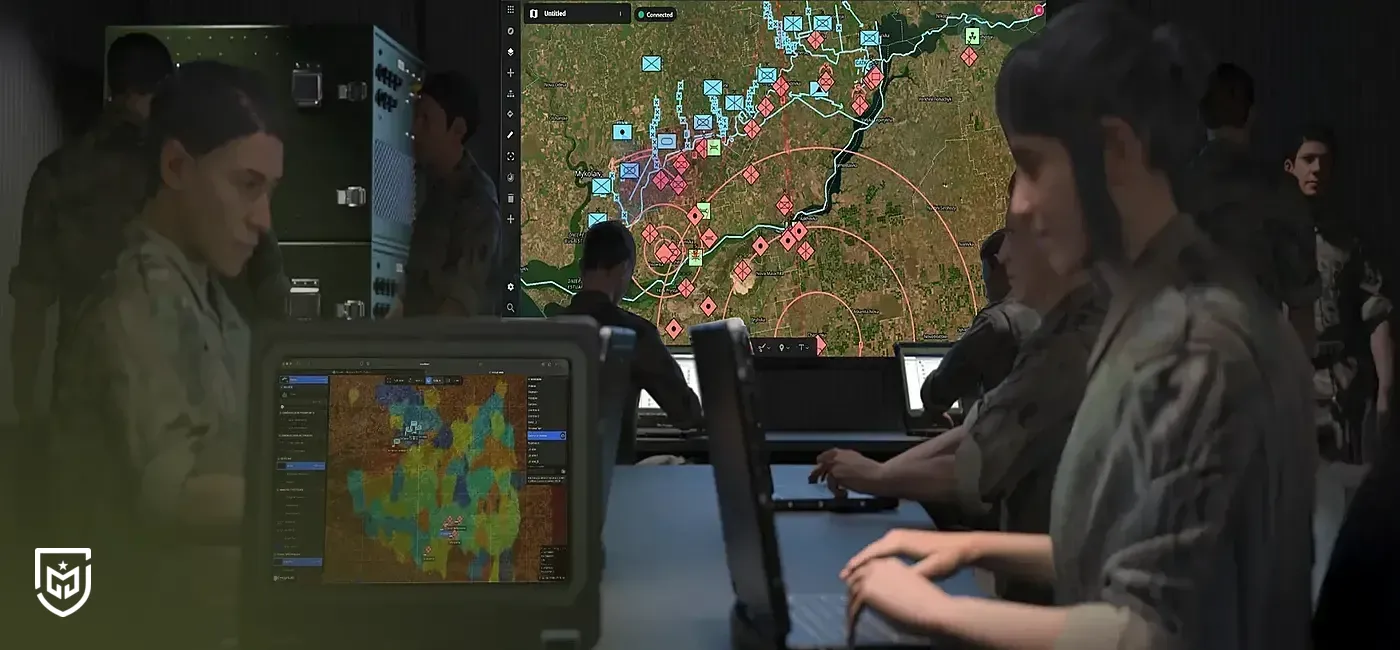
Secure coding in military software is one of the most critical pillars of modern defense systems. Today, wars are fought not only on physical battlefields but also in the digital domain. A single line of vulnerable code can disable a missile defense system or expose highly classified intelligence data. For this reason, software developed for military projects is subject to far stricter security standards than commercial applications. Secure coding aims to protect data integrity, prevent unauthorized access, and strengthen systems against cyberattacks. In mission-critical infrastructures such as command-and-control systems, radar software, unmanned aerial vehicles, and air defense platforms, security is not an option—it is an absolute necessity.
From a technical perspective, secure coding in military software involves a multi-layered approach including Secure Software Development Lifecycle (SDLC), static and dynamic code analysis, threat modeling, and cryptographic validation mechanisms. Vulnerabilities such as buffer overflows, injection attacks, memory corruption, and privilege escalation are unacceptable risks in defense systems. Therefore, principles like least privilege, secure API implementation, certified cryptographic algorithms, and hardware-based security modules are strictly enforced. Even though many military systems operate within closed networks, relying solely on “air-gap” security is insufficient; insider threats must also be considered. Defense alliances such as NATO establish strict secure coding standards and compliance frameworks. Ultimately, military software security is not merely a technical concern—it represents the digital assurance of national security.


The cookies used on our website are used to provide you with a better user experience and to improve our website. You can manage your cookie preferences from the options below.





 Süheyla Yıldız