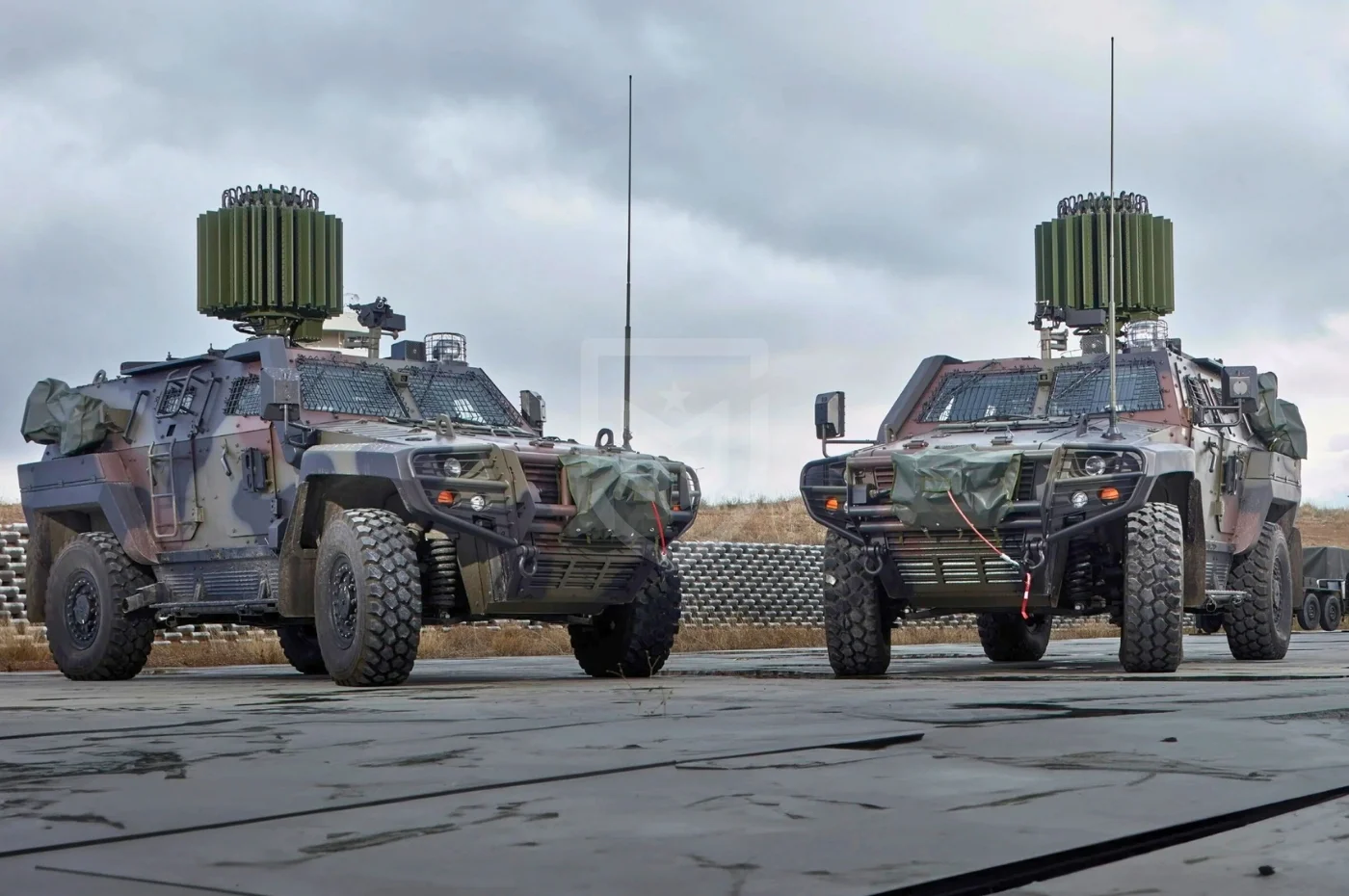

Tactical Signal Jammer Sys.


BREAKING NEWS
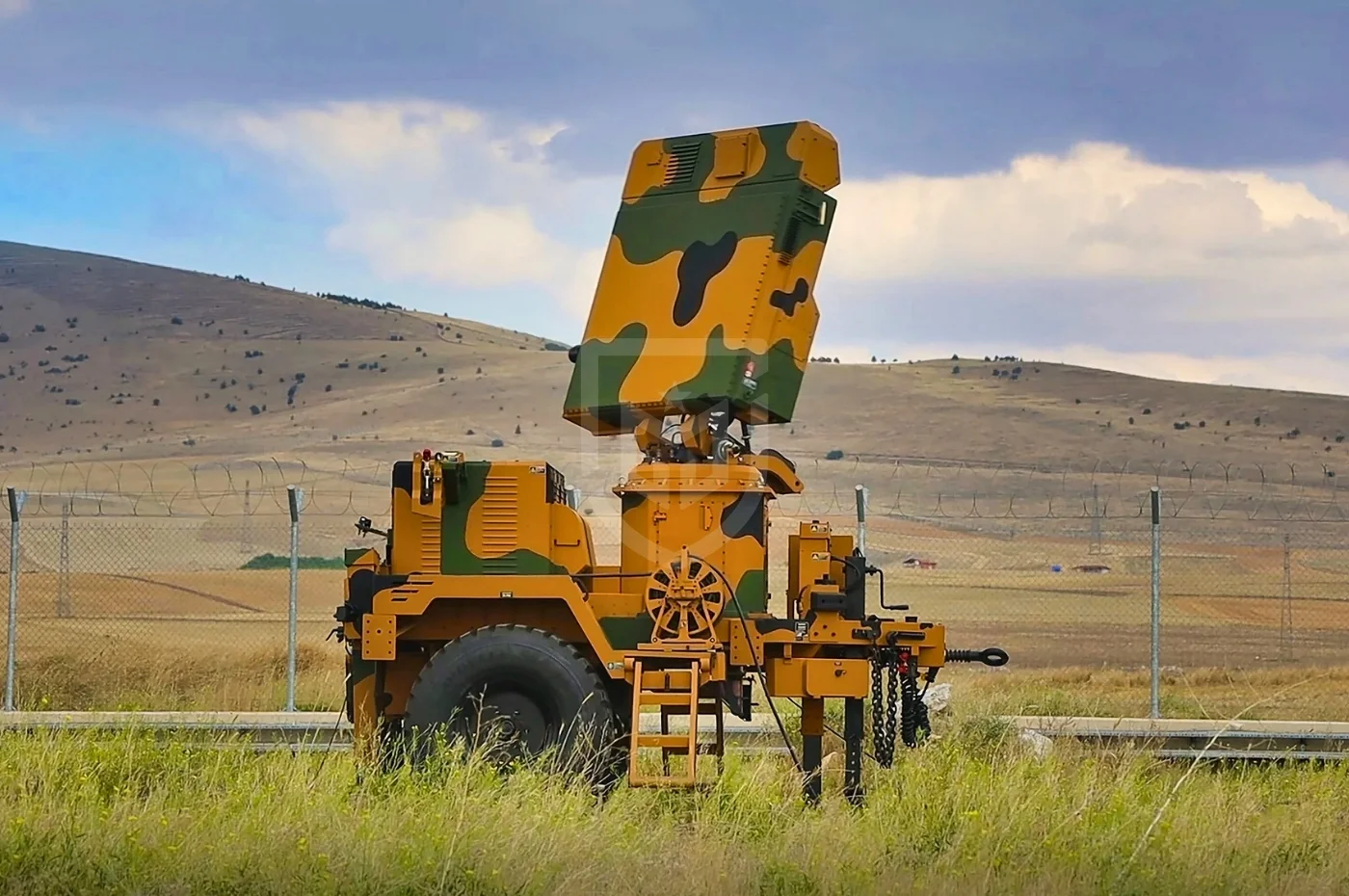
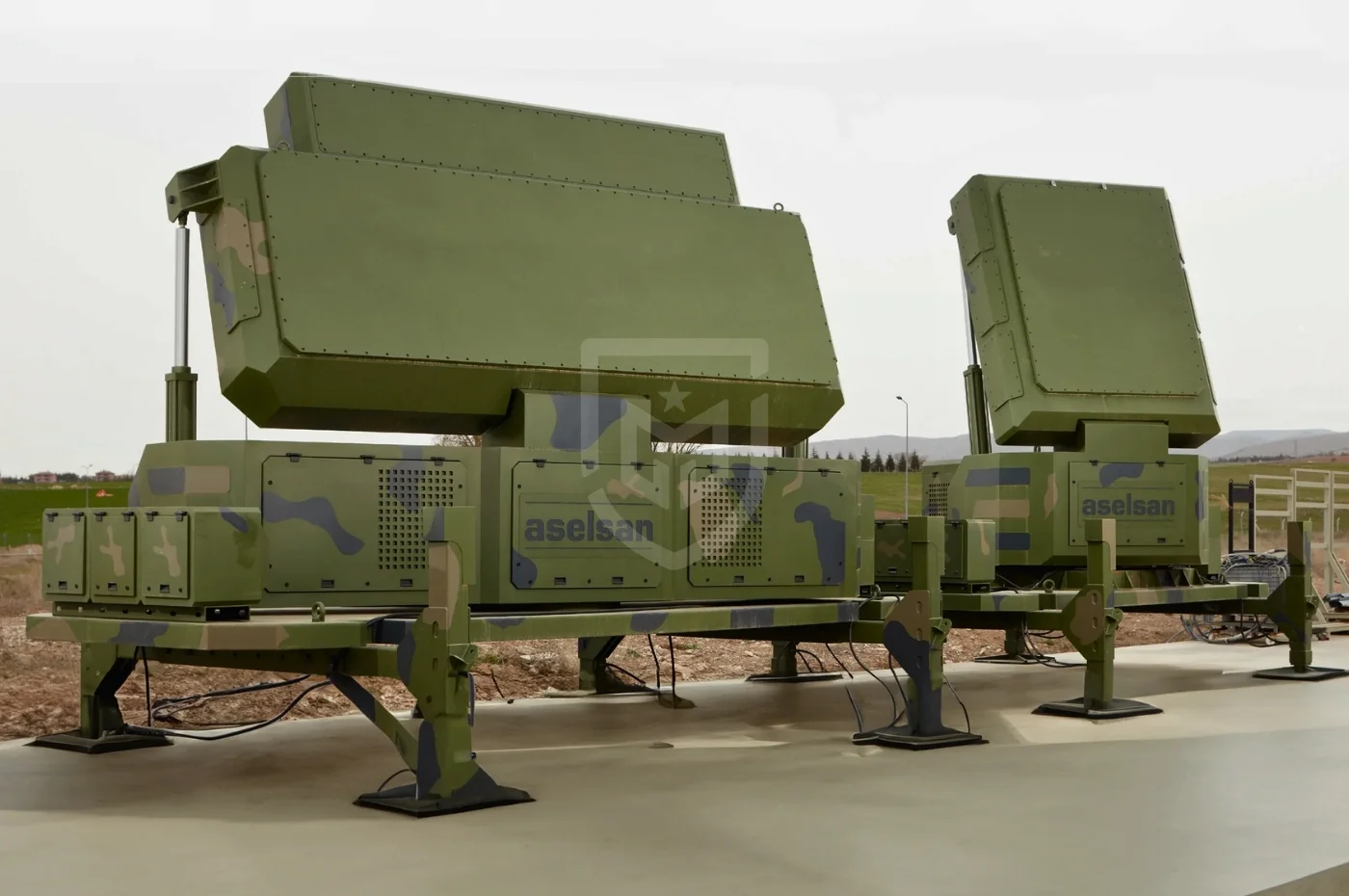
KALKAN and KALKAN II were developed to fill the tactical-level early warning and medium-altitude surveillance gap within Turkey’s layered ground-based air defense structure. The radar is designed to detect and track a broad spectrum of airborne threats, particularly medium-altitude fixed-wing aircraft, attack helicopters, low radar cross-section (RCS) UAVs, and cruise missiles.
Operational Role and Mission
The primary mission of the KALKAN radar family is to provide:
It functions both as a standalone tactical radar and as a network-enabled sensor integrated into higher-level command and control (C2) systems.
Doctrine and Concept of Operations
Within the Turkish Land Forces’ air defense doctrine, KALKAN radars operate as forward-deployed tactical surveillance sensors. They:
The radar architecture is designed to operate in conjunction with short- and medium-range SAM systems, contributing to a layered air defense approach. It supports integrated air picture generation through network connectivity.
System Architecture
KALKAN radar systems include:
The electronically scanned array provides rapid beam steering, high refresh rates, and reduced reaction times compared to mechanically rotating systems.
Survivability and Protection
The system incorporates:
Mobility is a key survivability factor, reducing vulnerability to anti-radiation missiles by enabling shoot-and-scoot tactics.
Detection Performance and Coverage
Exact reaction time values are not publicly disclosed, but the phased-array design supports low scan cycle times and high update rates.
Advantages Against Modern Threats
Limitations may include higher atmospheric attenuation typical of X-Band systems compared to lower frequency radars; however, deployment planning mitigates terrain and environmental constraints.
Variants
KALKAN (Baseline Version):
KALKAN II:
Detailed software block upgrades and algorithmic enhancements are not publicly disclosed.
Detailed Technical Information
Dimensions and Weight
Exact system weight and dimensions are not publicly disclosed. The radar is mounted on a tactical wheeled vehicle platform.
Power System
Operates via integrated or external generator units. Specific power consumption figures are not publicly available.
Performance Parameters
Sensor Capabilities
Engagement and Fire Control
KALKAN is an early warning and surveillance radar, not a dedicated fire-control radar. It provides target track data to missile systems.
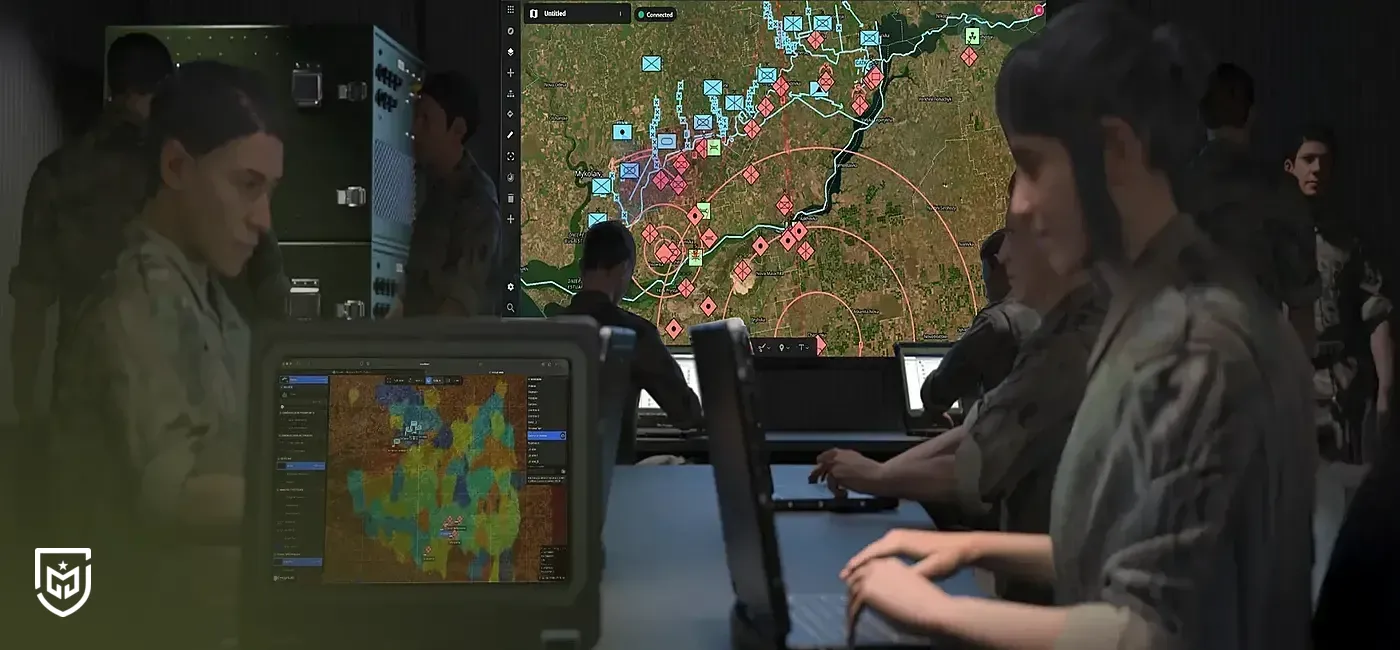
Command and Control Integration
Specific data link standards are not publicly disclosed.
Electronic Warfare Resilience
Mobility and Deployment
Personnel Requirements
Exact crew size and operational staffing levels are not publicly disclosed.
Frequently Asked Questions
What is the primary function of the KALKAN radar?
What is the maximum detection range?
What types of targets can it detect?
How many targets can it track simultaneously?
Is the system mobile?
Does it integrate with missile systems?
What is the difference between KALKAN and KALKAN II?
Sources




The cookies used on our website are used to provide you with a better user experience and to improve our website. You can manage your cookie preferences from the options below.