

Tactical Signal Jammer Sys.


BREAKING NEWS
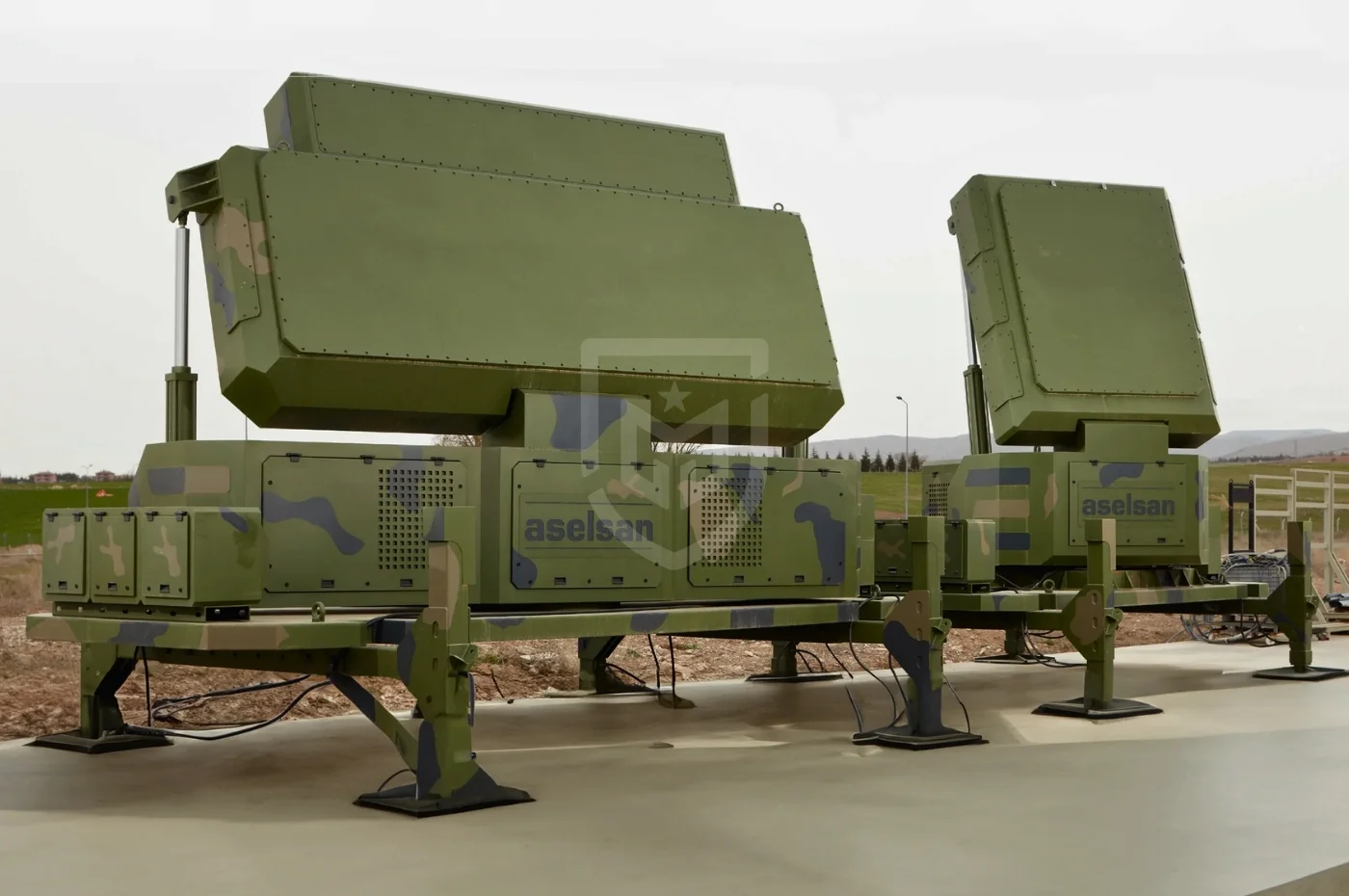
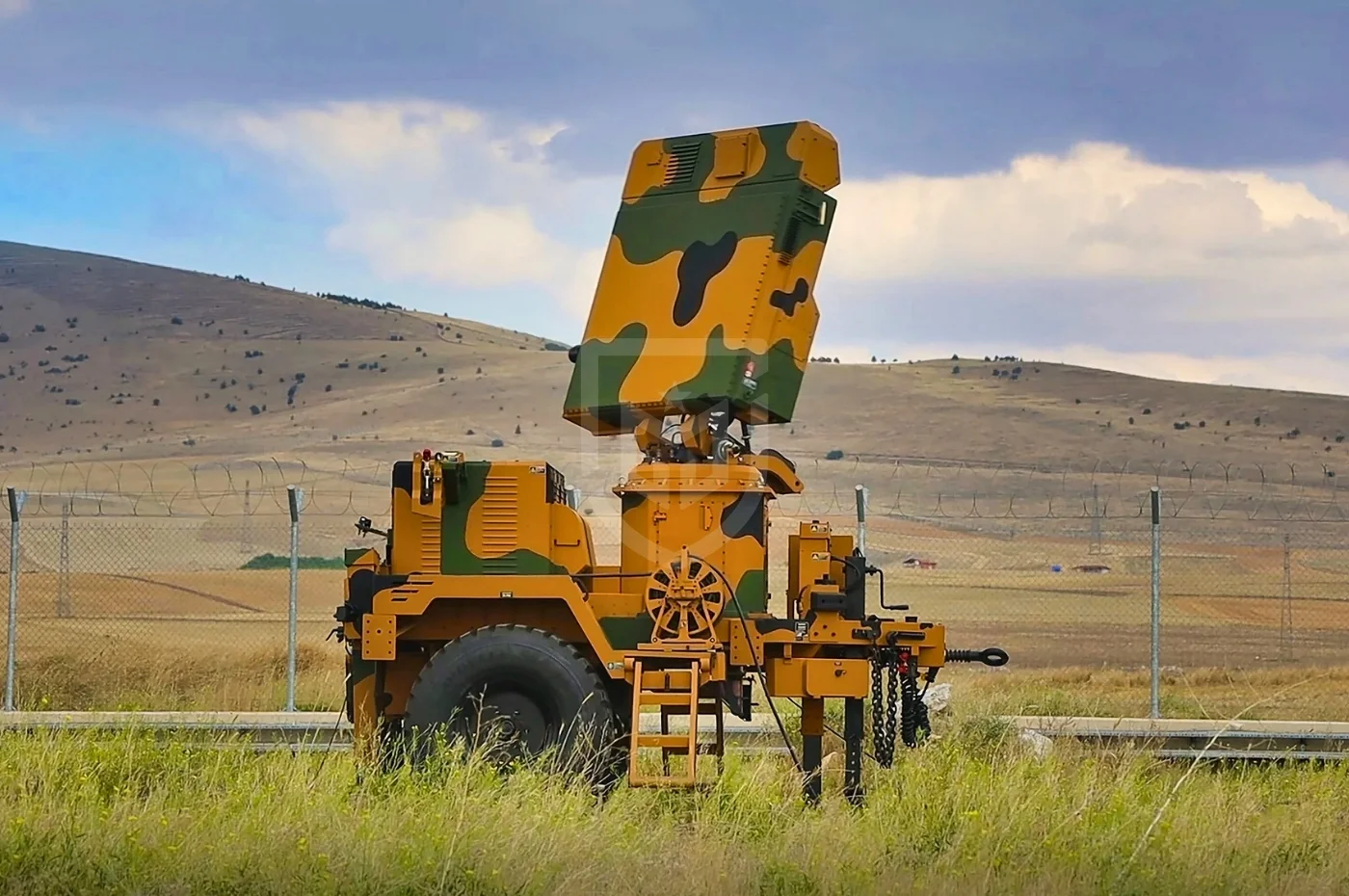
EIRS has been developed to meet Türkiye’s strategic long-range air surveillance and early warning requirements with indigenous capabilities. Unlike conventional mechanically rotating radar systems, EIRS uses AESA technology, enabling electronic beam steering, multi-beam operation, enhanced electronic protection, and high operational reliability.
Operational Purpose and Role
The primary role of EIRS is deep airspace surveillance and early detection of aerial threats, particularly low radar cross-section and low-altitude targets. The system is designed to detect and track:
EIRS acts as a strategic sensor layer within integrated air defense systems, providing early track data to increase engagement reaction time.
Doctrine and Concept of Operations
EIRS supports distributed and mobile radar deployment concepts rather than fixed-site dependency. This enables:
The distributed architecture reduces single-point vulnerabilities and enhances survivability.
System Architecture
EIRS consists of four primary subsystems:
The S-Band frequency selection provides an optimal balance between atmospheric attenuation and long-range detection performance, particularly against low RCS air-breathing targets.
The multi-channel receiver architecture enables simultaneous tracking of multiple targets. The exact number of simultaneous tracks is not publicly disclosed.
Survivability and Electronic Protection
EIRS incorporates advanced electronic protection measures, including:
The AESA design supports low probability of intercept characteristics and strong resilience in dense electronic warfare environments.
Precision, Reaction Time, and Engagement Support
EIRS generates a 3D air picture by simultaneously providing:
The system does not perform engagement directly; it is an early warning sensor. However, its track data is transmitted to air defense systems to support fire control solutions and engagement planning.
Integration and Ecosystem
EIRS is compatible with:
The integrated Mode 5 IFF interrogator complies with NATO STANAG-4193, enabling secure long-range identification friend or foe functionality.
Advantages Against Modern Threats
Limitations
Operational Status
EIRS systems have entered service with the Türk Silahlı Kuvvetleri. Exact deployment locations and system quantities are not publicly disclosed.
Detailed Technical Specifications
Frequency Band
Radar Architecture
Dimensions and Weight
Transportability
Deployment Time
Performance
The exact maximum detection range is not publicly disclosed.
Sensors and Detection Capability
IFF
Electronic Warfare Resilience
Environmental Compliance
MIL-STD-810G compliant
Personnel and Operational Concept
Exact personnel requirements are not publicly disclosed.
Frequently Asked Questions
What is EIRS used for?
What is the maximum range of EIRS?
What types of targets can EIRS detect?
How many targets can it track simultaneously?
Is EIRS mobile or fixed?
Is it NATO compatible?
Is it resistant to electronic warfare?
What are its equivalents?
Sources




The cookies used on our website are used to provide you with a better user experience and to improve our website. You can manage your cookie preferences from the options below.