

Airborne Radars


BREAKING NEWS
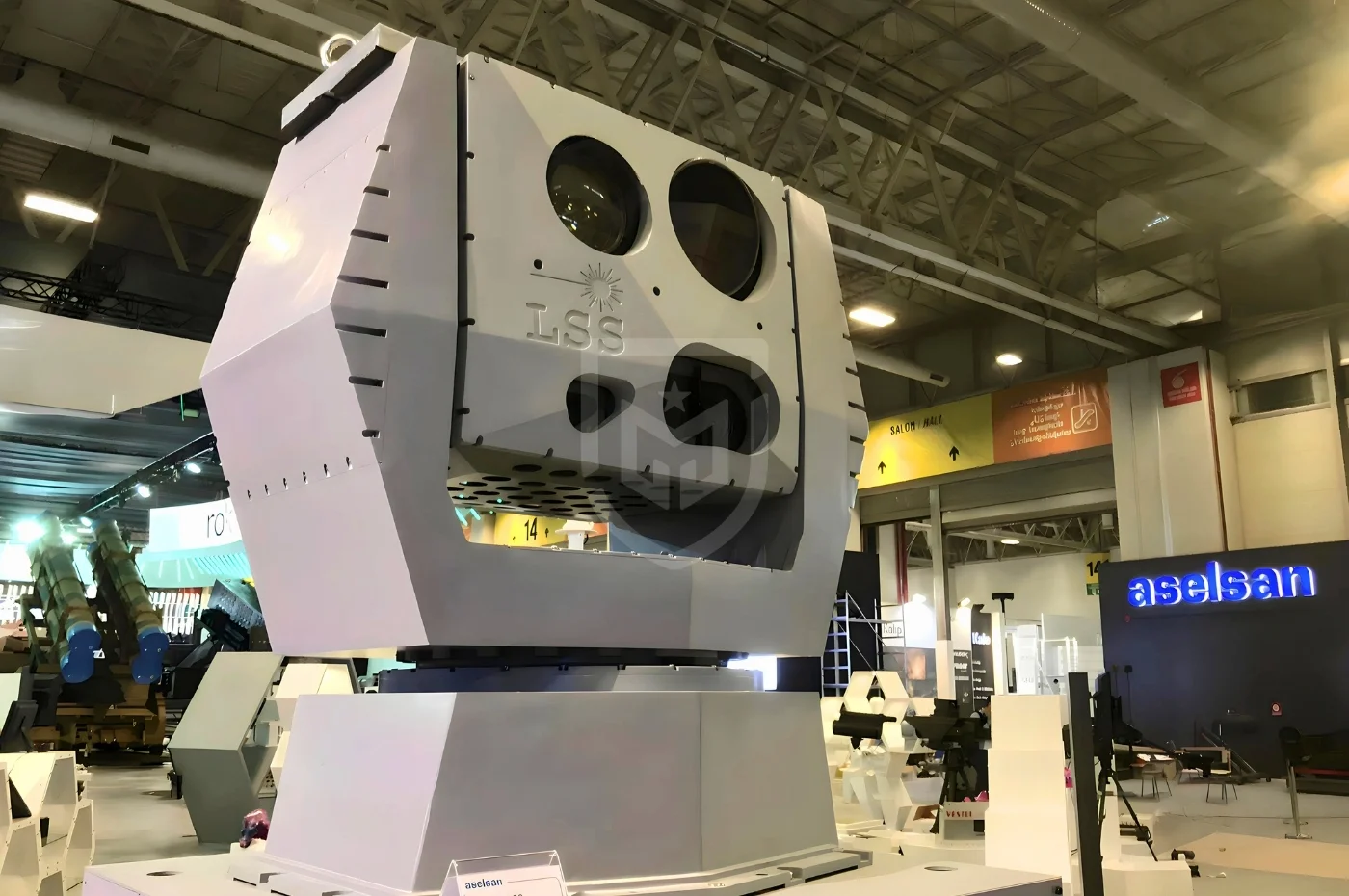
ASELSAN LSS represents one of Türkiye’s early operational steps into the field of directed energy weapons. The system was developed to address the rapidly growing threat posed by small, low-altitude, low-RCS unmanned aerial systems and asymmetric explosive threats in urban or critical infrastructure environments.
Unlike kinetic air defense systems that rely on missiles or gun-based interceptors, LSS delivers concentrated laser energy onto a target surface. The energy deposition generates thermal stress sufficient to damage structural components, disable electronics, ignite batteries, or detonate explosive materials in a controlled manner.
Operational Purpose and Role
The primary mission set of LSS includes:
By using directed energy instead of conventional ammunition, LSS minimizes collateral damage and eliminates projectile-related risks.
Doctrine and Concept of Operations
LSS is positioned at the lowest tier of a layered air defense architecture, focusing on very short-range point protection. It is particularly suitable for:
The system operates primarily in an electro-optical engagement mode. While it can potentially receive cueing data from external radar systems, its organic detection and tracking rely on its own sensor suite. Integration standards and networking protocols are not publicly disclosed.
System Architecture
LSS consists of three main subsystems:
High-Power Fiber Laser Source
The system employs a fiber laser derived from ASELSAN’s ASELFIBER product family:
Fiber laser architecture ensures high electrical-to-optical efficiency, compact design, and reduced maintenance requirements compared to chemical or solid-state alternatives.
ODAK Autonomous Fire Control System
The ODAK subsystem enables:
The effective neutralization range is shorter than the maximum focusing distance.
Electro-Optical Sensor Suite
This sensor suite enables detection, identification, tracking, and precision beam placement.
Survivability and Environmental Constraints
LSS does not carry conventional ammunition, eliminating explosive storage risks. However, directed energy systems are sensitive to environmental conditions:
Detailed ballistic protection levels of the system platform are not publicly available.
Engagement Process and Reaction
The engagement sequence generally follows:
Exact reaction times and dwell durations required for target neutralization are not publicly disclosed.
Advantages Against Modern Threats
Limitations
Operational Status
Publicly available sources indicate demonstration and limited deployment configurations. Detailed inventory numbers and operational deployment status are not publicly disclosed.
Detailed Technical Specifications
Laser Source
Effective Range
Sensors
Target Tracking and Stabilization
The number of simultaneous engagement channels is not publicly disclosed. Laser systems typically engage one target at a time.
Command and Control
Mobility and Deployment
Primarily configured for fixed-site protection. Mobile platform integration details are not publicly disclosed.
Personnel and Operation
Supports autonomous operation with operator supervision. Required crew size is not publicly available.
Frequently Asked Questions
What is the ASELSAN LSS used for?
What is its operational range?
What types of targets can it defeat?
Does it have a radar?
How many targets can it engage simultaneously?
Is it mobile?
What are comparable systems?
Sources




The cookies used on our website are used to provide you with a better user experience and to improve our website. You can manage your cookie preferences from the options below.