
Reconnaissance and Surveillance Radars


BREAKING NEWS
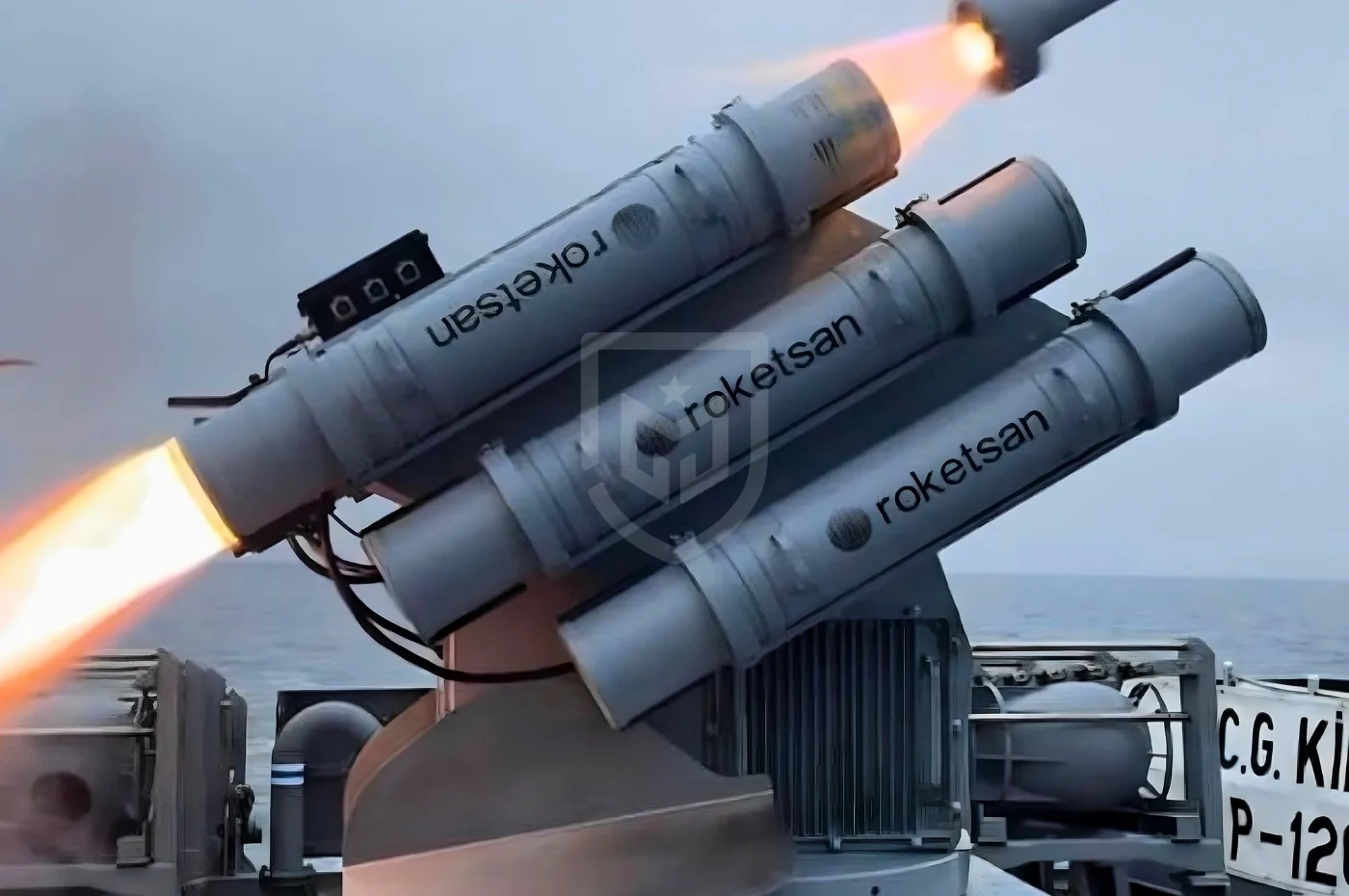
A fuze is the subsystem that determines when, how, and under which conditions a munition detonates. In modern warfare, fuzes are no longer simple impact triggers; they are intelligent, multi-layered safety and activation mechanisms capable of processing parameters such as distance-to-target, acceleration, rotation rate, laser reflection, or proximity data.
The Roketsan Fuze Technology Center develops and qualifies fuze systems for various calibers and mission profiles. The portfolio includes:
Operational Purpose and Role
The fuze directly defines the munition’s lethality profile and engagement mode. It enables:
For example, proximity fuzes allow airburst capability, increasing fragmentation efficiency against personnel, drones, or soft targets. Electromechanical fuzes provide high reliability and safe arming for guided missiles.
Doctrine and Concept of Use
Modern combat environments require adaptable detonation logic. Roketsan fuzes support:
Proximity fuzes are particularly critical in air defense and anti-drone scenarios. Electromechanical fuzes are widely used in guided missile systems where safe arming distance and controlled detonation are essential.
System Architecture
Typical Roketsan fuze architecture includes:
Proximity fuzes are generally RF-based systems utilizing radar-like sensing for distance measurement. Frequency band details are not publicly disclosed.
Survivability and Safety Architecture
Designed according to MIL-STD-1316 and STANAG-4187 standards, Roketsan fuzes incorporate:
They remain fully safe during handling, storage, and transport, only arming after defined launch and flight conditions are met.
Test and Qualification Infrastructure
The Fuze Technology Center includes:
Testing is conducted in accordance with MIL-STD-331 and MIL-STD-810 standards.
Advantages Against Modern Threats
Limitations
Detailed Technical Information
Dimensions and Weight
System-dependent. Detailed measurements are not publicly disclosed.
Performance Characteristics
Sensor Capability
Proximity variants are assessed to use RF-based sensing. Exact frequency band and detection range are not publicly available.
Detonation Modes
Electronic Warfare Resistance
Publicly available information is limited. Military standard compliance indicates electromagnetic resilience testing.
Deployment and Logistics
Fuzes are integrated into the munition body prior to delivery. No additional field assembly is required.
Frequently Asked Questions
What is the purpose of Roketsan fuze systems?
What is a proximity fuze?
Why are electromechanical fuzes used?
Which standards are applied?
Which systems use these fuzes?
Are they suitable for UAV munitions?
Sources




The cookies used on our website are used to provide you with a better user experience and to improve our website. You can manage your cookie preferences from the options below.