



Tactical Signal Jammer Sys.


BREAKING NEWS

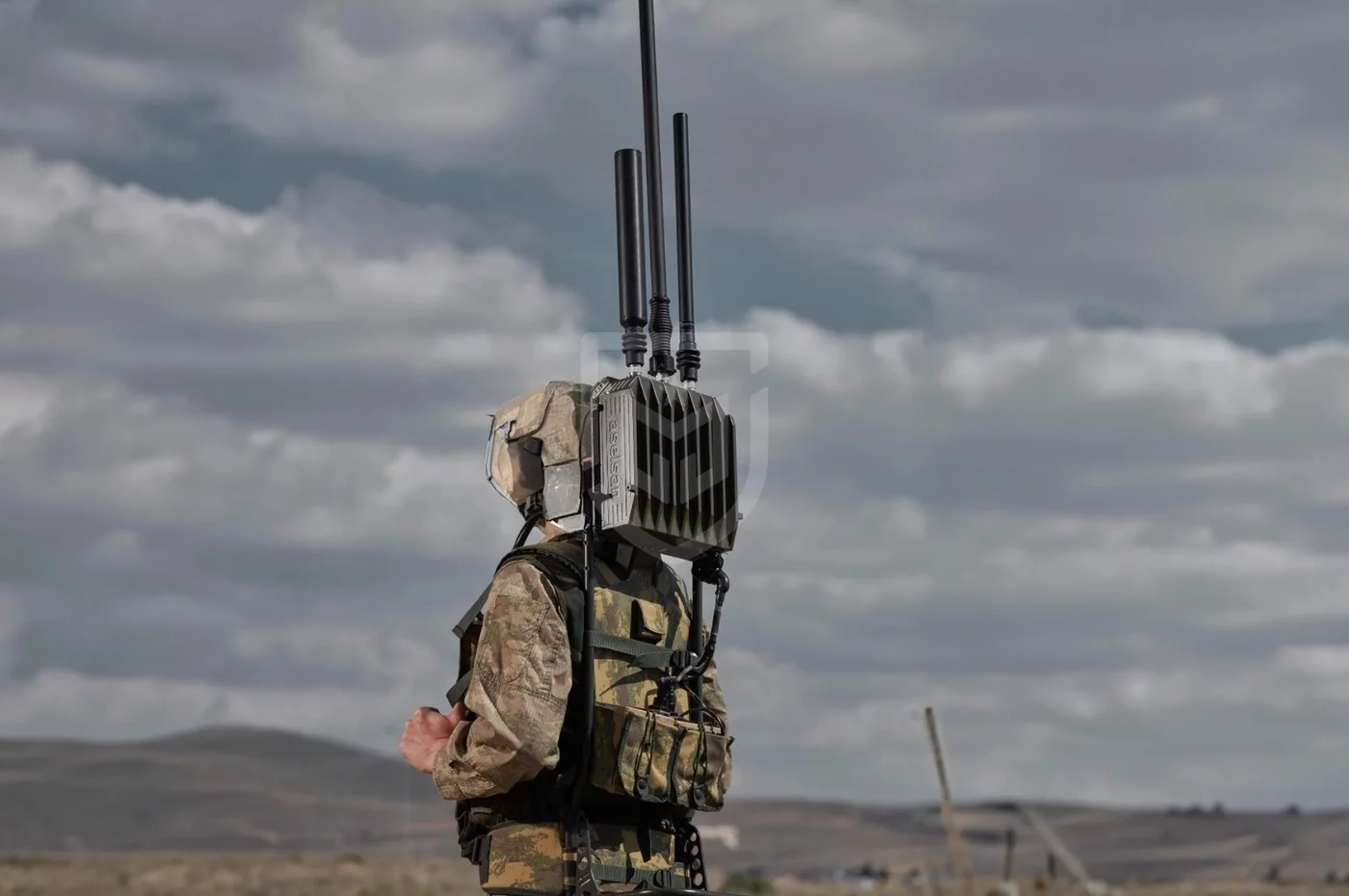
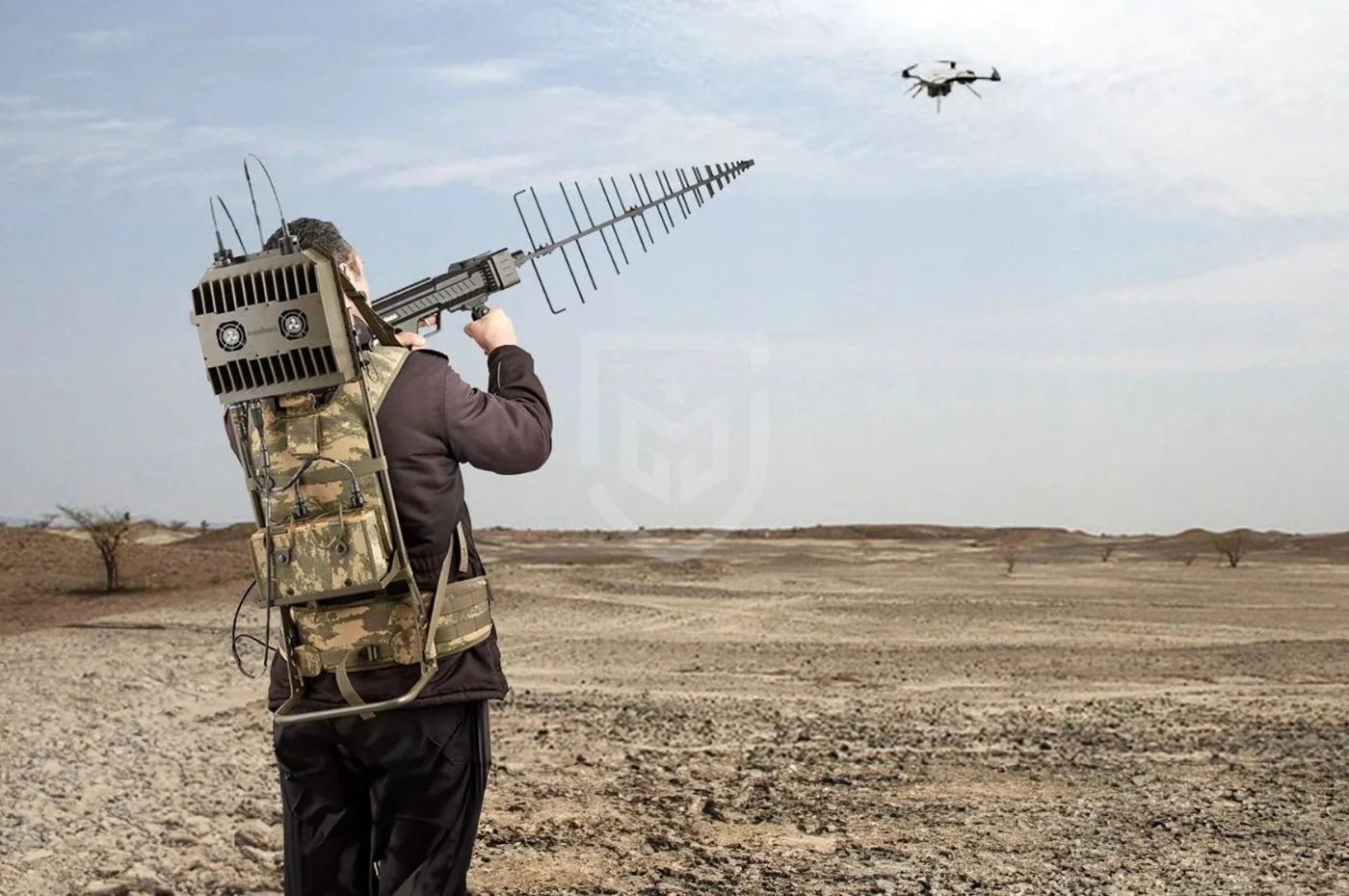
GERGEDAN has been developed to counter one of the most prevalent asymmetric threats in modern operational environments: RF-triggered improvised explosive devices (RC-IEDs). These devices can be activated via GSM, 4.5G, 5G, two-way radios, commercial RF modules, and other wireless communication systems. GERGEDAN disrupts this triggering chain by applying active electromagnetic suppression over selected frequency bands.
Operational Purpose and Role
The system is optimized for three primary mission sets:
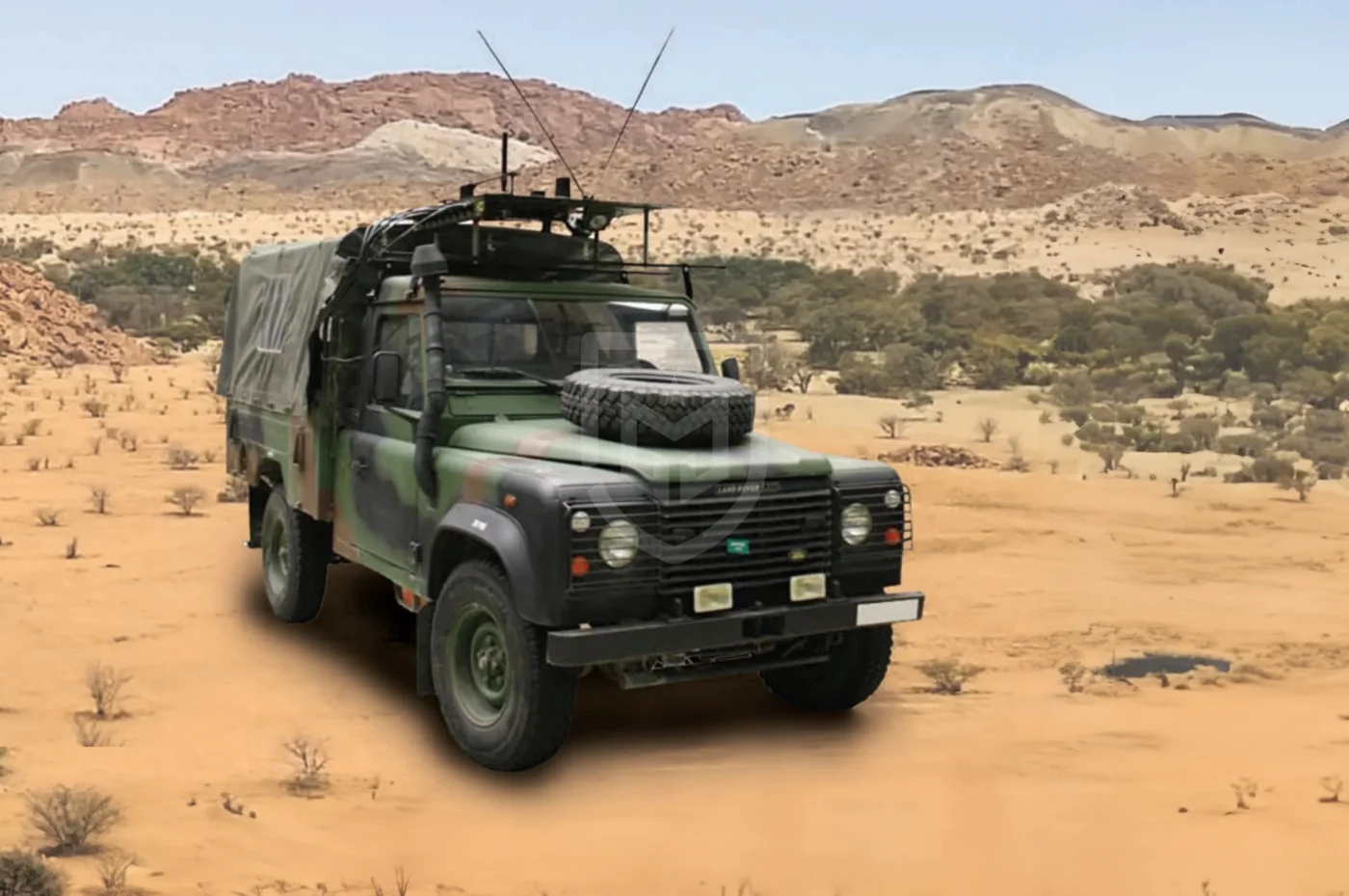
During convoy operations, GERGEDAN is typically mounted on a leading or VIP vehicle, creating a protective electromagnetic suppression bubble along the route of movement. For fixed installations, it secures a defined perimeter by continuously denying RF-triggered activation attempts.
Doctrine and Concept of Employment
GERGEDAN operates within the framework of tactical electronic protection through spectrum denial. Its operational logic includes:
Thanks to its user-defined profiles, operators can optimize frequency planning prior to missions. This helps reduce interference with friendly communication systems while maintaining protective coverage.
System Architecture
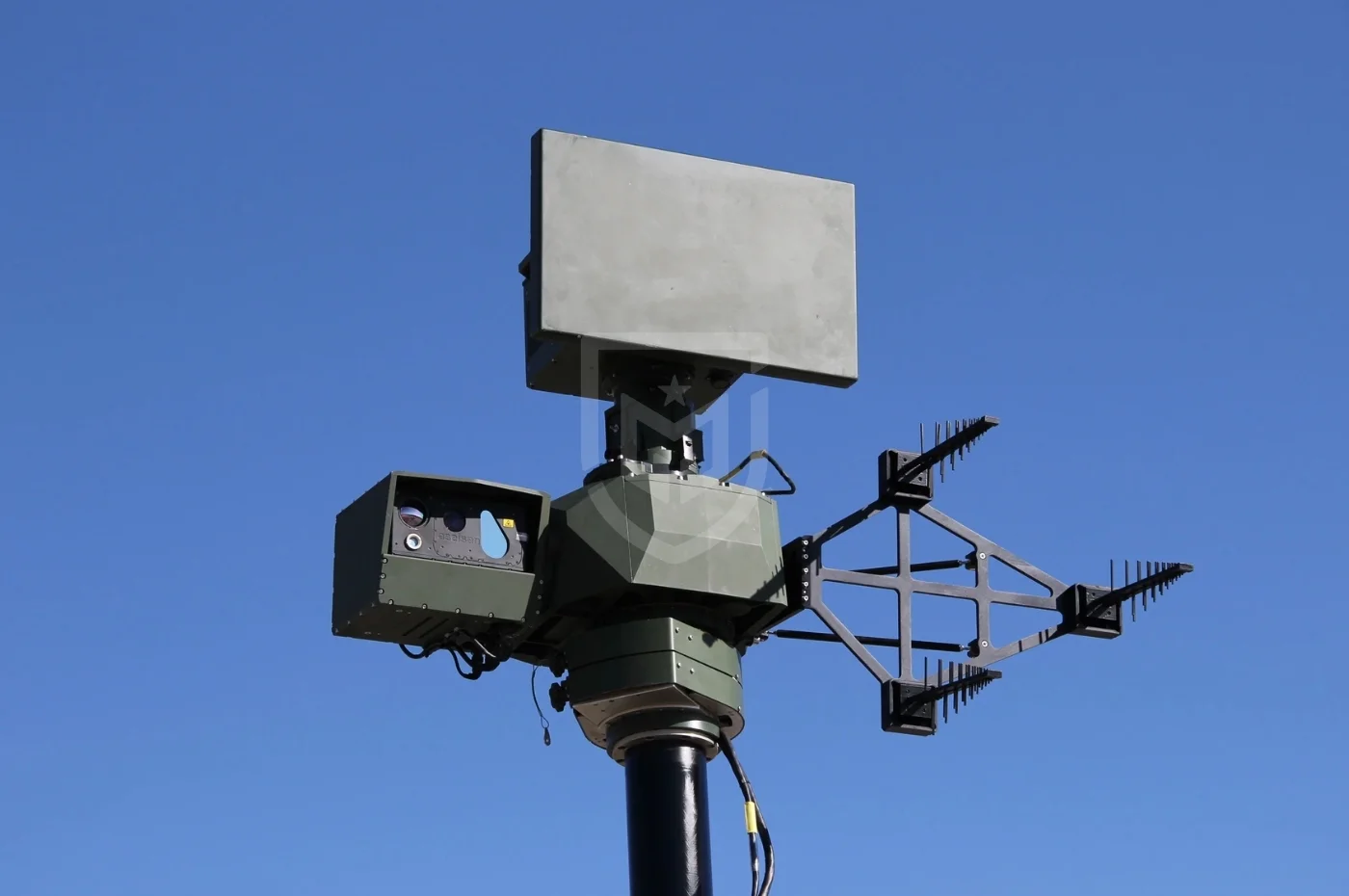
The system architecture consists of three main components:
GERGEDAN employs a DDS-based, FPGA-controlled sweeping jamming architecture, enabling:
High-efficiency multi-band power amplifiers support RF output power below 500 W. Built-in VSWR protection safeguards the system against antenna mismatch or damage.
Survivability and Protection Approach
GERGEDAN is not a kinetically armored platform; however, it is designed for rugged operational conditions:
These features ensure environmental resilience and operator safety.
Reaction Time and Coverage
Public sources do not specify the exact effective jamming radius. However, with sub-500 W RF output and omnidirectional antenna configuration, the system is designed to create a vehicle-centered protective RF denial zone.
The FPGA-controlled DDS architecture allows millisecond-level frequency sweeping and rapid response; precise numerical values are not publicly disclosed.
Integrated Ecosystem
GERGEDAN can:
It is designed to function within ASELSAN’s broader electronic warfare and communication ecosystem. Specific integration interfaces are not publicly disclosed.
Advantages Against Modern Threats
Strengths:
Limitations:
Operational Use and Inventory
Publicly available information confirms development and offering by ASELSAN. Detailed inventory data and end-user information are not publicly disclosed.
Detailed Technical Specifications
Dimensions and Weight
Power System
Performance Parameters
RF and Signal Architecture
Jamming Method
Antenna System
Command and Control
Environmental Compliance
Frequently Asked Questions
What is GERGEDAN used for?
Which frequency bands does it cover?
How many threats can it neutralize simultaneously?
Is it mobile or fixed?
What is its effective range?
Does it interfere with friendly communications?
What are its equivalents?
Sources




The cookies used on our website are used to provide you with a better user experience and to improve our website. You can manage your cookie preferences from the options below.