Airborne Electronic Warfare


BREAKING NEWS
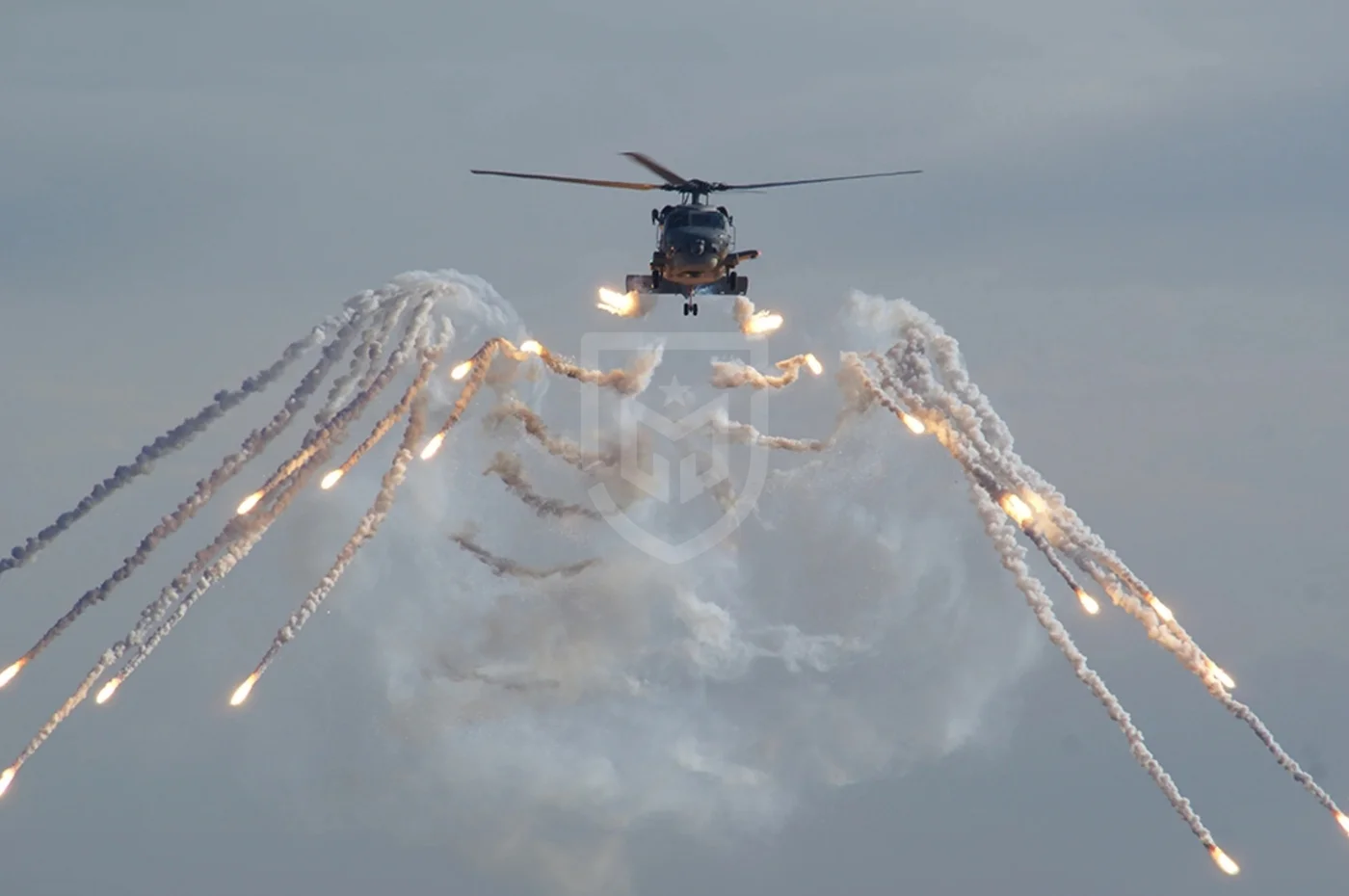
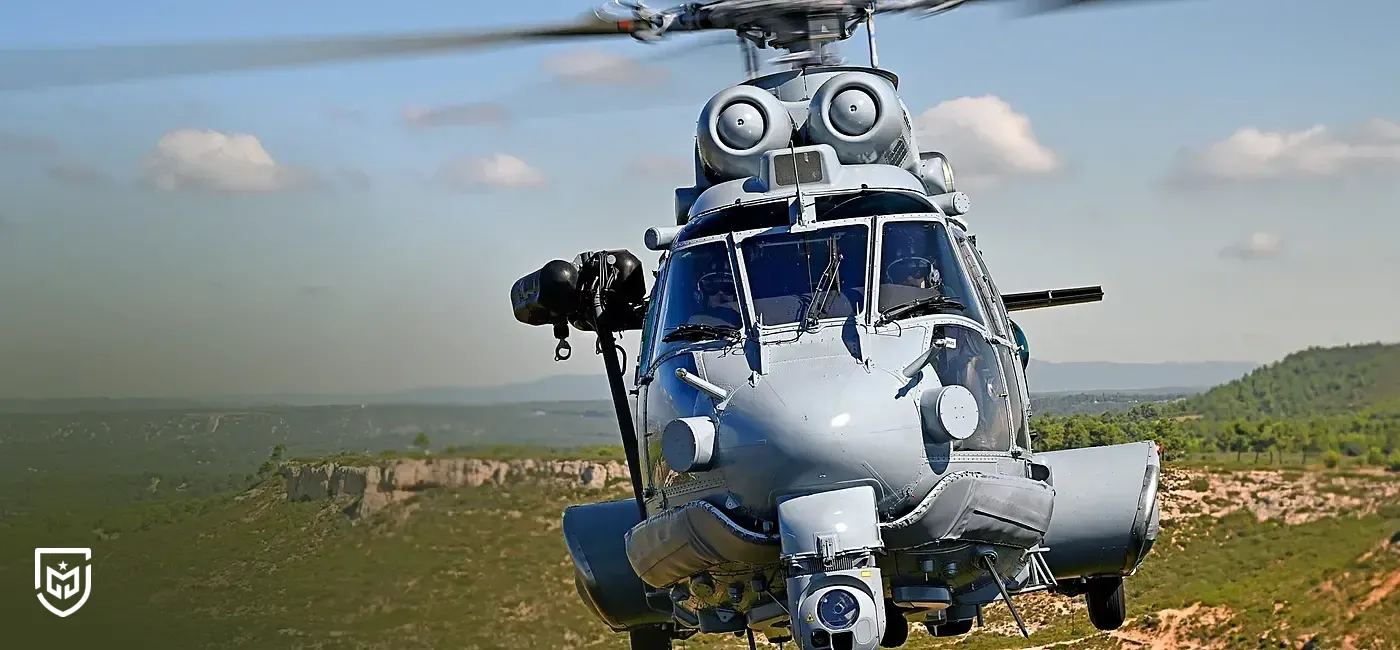
HEHSİS has been developed to address the increasingly complex threat environment faced by helicopters and low-to-medium altitude fixed-wing aircraft. Modern battlefields are saturated with mobile air defense radars, radar-guided surface-to-air missile systems, MANPADS, and laser target designators. Particularly during close air support, reconnaissance, special operations, and assault missions, helicopters operate within high-risk engagement envelopes. HEHSİS is engineered to ensure survivability under these conditions.
The core operational objective of HEHSİS is to detect threats at the earliest possible stage, classify and prioritize them automatically, and deploy the optimal countermeasure with minimal human intervention. This automated response cycle significantly reduces reaction time—down to milliseconds—while minimizing pilot workload and maximizing platform survivability.
Operational Doctrine and Concept of Use
Unlike legacy warning-only systems, HEHSİS delivers a layered defense architecture:
This architecture enables not only threat awareness but also autonomous threat response management. In low-altitude and high-tempo operational scenarios where reaction time is critical, the system’s automatic engagement mode provides decisive tactical advantage.
System Architecture
HEHSİS is built on an open architecture framework, allowing flexible integration across multiple air platforms. It interfaces with the aircraft mission computer and avionics systems. The system typically consists of:
The Digital Radio Frequency Memory (DRFM) technology allows the system to capture hostile radar signals, digitally manipulate them, and retransmit modified signals to create false targets, range deception, or angle deception. Compared to traditional noise jamming, DRFM-based deception is more energy-efficient and tactically sophisticated.
Survivability Philosophy
HEHSİS integrates both passive and active defensive layers:
The threat library can be updated via software upgrades, ensuring adaptability against emerging air defense systems. The open system architecture supports long-term modernization and future threat adaptation.
Ecosystem and Integration
HEHSİS is designed to operate within ASELSAN’s broader electronic warfare and avionics ecosystem. It is compatible with Turkish Armed Forces air platforms and potentially export helicopters and aircraft. Configuration parameters—such as antenna placement, power levels, and countermeasure capacity—vary depending on the host platform.
Advantages Against Modern Threats
Strengths:
Limitations:
Publicly available sources do not disclose detailed classified performance metrics.
Detailed Technical Information
Dimensions and Weight
System dimensions and total weight vary depending on platform integration. Public sources do not provide consolidated system mass data.
Power Supply
The system is powered by the host aircraft’s onboard electrical system. Exact power consumption values are not publicly disclosed.
Performance Parameters
Sensors and Detection Capability
Engagement and Countermeasure Techniques
Effectors
Capacity depends on aircraft configuration.
Command, Control and Data Links
Integrated with the aircraft mission computer. Specific communication protocols and data link standards are not publicly disclosed.
Electronic Protection and ECCM
Deployment and Mobility
Fully integrated airborne system. No external ground deployment required.
Crew Requirement
Operated by flight crew; advanced automation minimizes operator workload.
Frequently Asked Questions
What is HEHSİS used for?
What types of threats can HEHSİS counter?
How many targets can it track simultaneously?
Why is DRFM important?
Is HEHSİS a mobile system?
What are its international equivalents?
Sources




The cookies used on our website are used to provide you with a better user experience and to improve our website. You can manage your cookie preferences from the options below.